Best Gold Buyers in Asia | Highest Cash Payouts for Gold
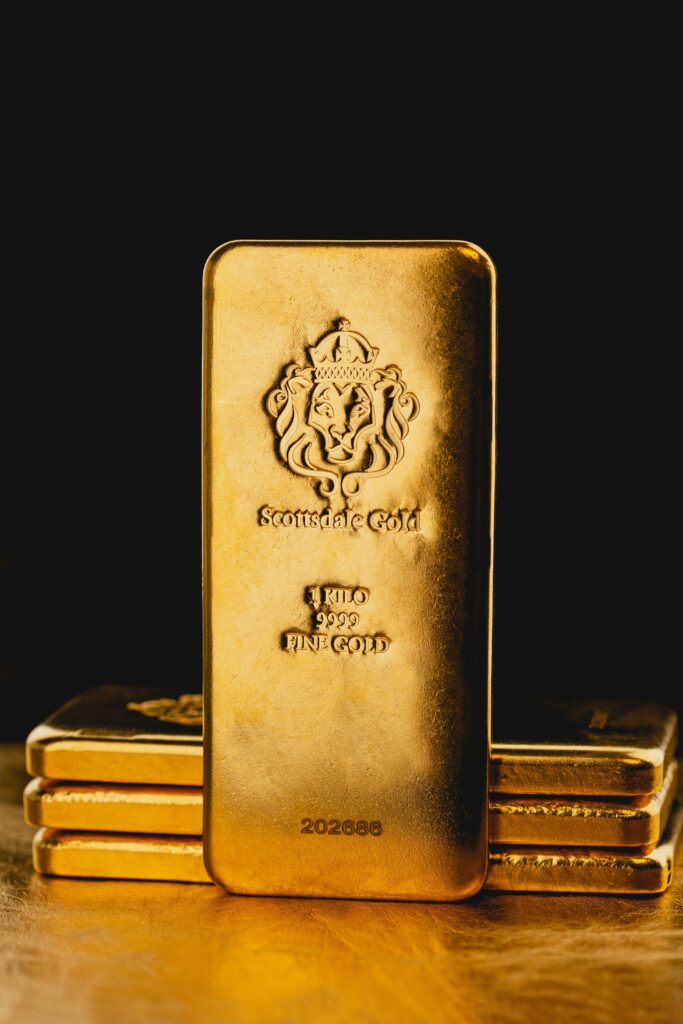
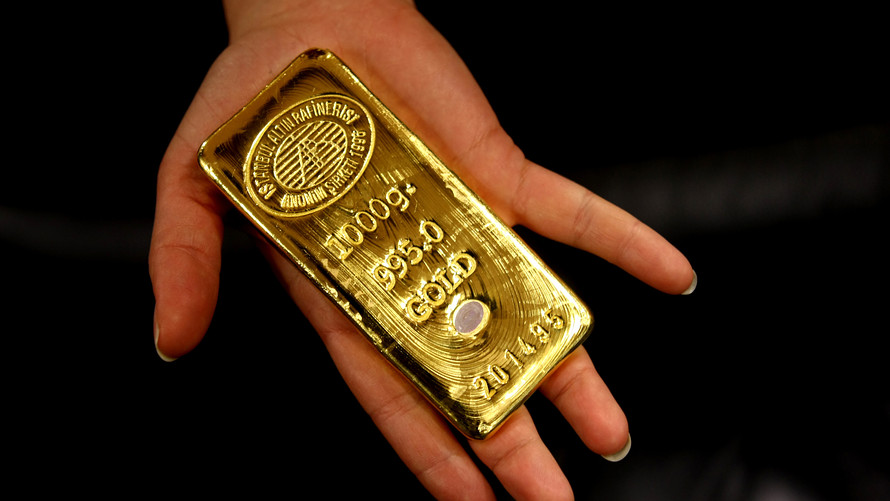
Whether you own old gold jewelry, investment-grade bullion, gold coins, scrap gold, or inherited precious metals, Asia offers some of the world’s most active and competitive gold markets. Major trading centers such as Singapore, Hong Kong, Dubai, Shanghai, Mumbai, Bangkok, and Kuala Lumpur attract thousands of gold buyers, refiners, jewelers, investors, and bullion dealers every day, creating strong demand and competitive pricing for sellers.
For individuals, investors, and businesses looking to sell gold, this high level of market activity can translate into better offers, faster transactions, and greater transparency compared to less active markets. The presence of multiple buyers competing for gold often helps sellers achieve prices closer to the current international market value.
In this comprehensive guide, you’ll learn how professional gold buyers in Asia determine the value of your gold, which countries and cities offer the strongest gold markets, how to identify trustworthy buyers, and the steps required to sell gold safely and efficiently. You’ll also discover common mistakes to avoid, important pricing factors to understand, and practical tips for maximizing your return when selling gold.
Whether you’re selling a few grams of jewelry or large quantities of investment bullion, understanding how Asia’s gold market operates can help you make informed decisions and secure the best possible price for your precious metals.

Why Asia Is One of the Best Places to Sell Gold
Asia is not only one of the world’s largest consumers of gold but also one of the most influential regions in the global precious metals market. Major trading hubs such as Singapore, Hong Kong, Dubai, India, and China handle billions of dollars in gold transactions each year, helping shape international gold pricing and market trends. This high level of activity creates a competitive and liquid marketplace that benefits both individual sellers and institutional gold suppliers.
- Massive Buyer Competition: Bullion dealers, refiners, jewelry manufacturers, investment firms, banks, and commodity traders continuously compete to acquire gold. Increased competition generally gives sellers more negotiating power and better opportunities to secure favorable prices close to the true spot value.
- Rapid Transaction Speeds: High-volume buyers in Asia typically maintain strong cash reserves and established purchasing systems, allowing them to complete deals quickly. Whether selling investment-grade bullion, gold bars, coins, or scrap gold, sellers can often receive evaluations and payment much faster than in less active markets.
- Pricing Transparency: Live spot gold prices are publicly available and updated throughout the trading day, enabling sellers to monitor market movements and compare buyer offers against internationally recognized benchmarks. This transparency reduces pricing uncertainty and builds deep trust.
- World-Class Infrastructure: Asia’s extensive refining, logistics, and financial infrastructure supports efficient gold trading across borders. Many of the region’s major gold centers offer accredited refineries, secure vaulting facilities, and internationally recognized compliance standards, making them attractive destinations for both local and international gold transactions.
How Gold Buyers in Asia Determine Your Gold’s Value
Every reputable gold buyer in Asia uses three primary factors to determine the value of your gold: purity, current market price, and weight. Understanding these factors can help sellers evaluate offers more confidently and ensure they receive a fair market value for their gold.
Karat and Purity Breakdown
Gold purity is measured in karats (K), with 24K representing nearly pure gold. Most gold jewelry is alloyed with other metals to improve strength and durability.
- 24K Gold (99.9% Pure): Commonly used for investment bars, bullion, and some gold coins.
- 22K Gold (91.6% Pure): Widely used in jewelry across India, the Middle East, and parts of Asia.
- 18K Gold (75.0% Pure): Popular for premium jewelry due to its balance of purity and durability.
- 14K Gold (58.3% Pure): Frequently used in affordable and everyday jewelry.
Professional gold buyers verify purity using industry-approved methods such as acid testing, electronic gold testers, or advanced X-ray fluorescence (XRF) machines. Trusted buyers typically conduct these tests transparently so sellers can verify the results.
The Spot Gold Price Mechanism
The value of gold is heavily influenced by the global spot gold price, which represents the current market price of gold per gram, ounce, or kilogram. This price fluctuates continuously based on international supply and demand, economic conditions, inflation expectations, currency movements, and central bank activity.
Most gold buyers in Asia calculate offers based on a percentage of the live spot price. Depending on the gold item’s purity, quantity, market demand, and the buyer’s operating costs, sellers may receive between 80% and 95% of the current spot value for scrap, and up to 98%–99% for investment-grade bullion.
Weight and Condition Assessments
After verifying purity, buyers determine the value of the gold based on its weight. Gold is generally weighed in grams using certified precision scales to ensure accurate measurements.
Any non-gold materials, such as gemstones, clasps, decorative attachments, or mixed-metal components, are usually excluded from the final gold weight calculation. Only the actual gold content contributes to the payout value. For most scrap gold and melt-value transactions, physical condition has little impact on pricing because the gold will ultimately be refined and recycled. However, condition can influence value when selling collectible coins, luxury jewelry, branded pieces, or antique items that possess resale value beyond their precious metal content.
The Standard Payout Formula Used by Asian Buyers
Most professional gold buyers in Asia use a simple and transparent formula to calculate how much your gold is worth. This formula ensures that pricing is based on real market data rather than guesswork or negotiation alone.
In simple terms, the value of your gold is determined by three things: how much it weighs, how pure it is, and the current global market price of gold.
Standard Formula
Gold Value=Weight (grams)×Purity Percentage×Current Spot Price per gram
This means the heavier your gold, the higher the purity, and the stronger the market price, the more money your gold is worth.
Practical Example
Let’s say you have a 100-gram piece of 22K gold and the current market price of gold is $110 per gram.
Since 22K gold is 91.6% pure, the calculation becomes:
$$100 \times 0.916 \times 110 = 10,076$$
So, the total raw value of the gold before any deductions would be $10,076.
Final Buyer Adjustment (Important)
After calculating the raw value, most buyers will apply a small refining or processing deduction before making the final payment. This deduction usually ranges between 2% and 10%, depending on:
- Whether the gold is scrap jewelry or investment bullion
- The cost of refining and processing
- Market demand and liquidity of the item
Top Institutional Gold Buyers and Hubs in Asia
Singapore: Asia’s Leading Bullion Trading Hub
Singapore is widely recognized as Asia’s premier gold trading center, attracting institutional buyers such as bullion banks, investment funds, precious metals dealers, and accredited refiners. The country’s favorable tax policies (zero GST on investment in precious metals), world-class vaulting facilities, and transparent regulatory environment make it a preferred destination for large-scale gold transactions and long-term bullion storage.
- Best For: Tax-efficient bullion trading, secure gold storage, and institutional-grade precious metals investments.
Dubai: The Gateway Connecting Asian and African Gold Markets
Dubai serves as a major international gold trading hub that connects suppliers from Africa with buyers across Asia. The city attracts bullion wholesalers, jewelry manufacturers, refiners, commodity traders, and investment firms due to its strategic location, extensive trading networks, and strong demand for wholesale gold bars and refined bullion.
- Best For: Large-volume gold trading, refining services, and international gold distribution.
Hong Kong: The International Gateway to China’s Gold Market
Hong Kong plays a crucial role in facilitating the gold trade between global suppliers and Chinese buyers. Its advanced financial system, efficient logistics infrastructure, and access to Mainland China make it a preferred location for investment banks, bullion distributors, commodity traders, and institutional investors seeking exposure to Asia’s largest gold markets via the Chinese Gold & Silver Exchange (CGSE).
- Best For: Cross-border gold transactions and access to Chinese institutional buyers.
Shanghai, China: Home to the World’s Largest Physical Gold Demand
Shanghai is one of the most important gold trading centers in the world and serves as the heart of China’s precious metals market. The city hosts major banks, state-owned enterprises, investment funds, and jewelry manufacturers that collectively generate significant demand for physical gold through the Shanghai Gold Exchange (SGE) and other regulated trading channels.
- Best For: High-volume bullion sales and direct access to China’s gold investment and manufacturing sectors.
Mumbai, India: A Global Center for Gold Consumption
Mumbai stands at the center of India’s massive gold industry, which is driven by investment demand, cultural traditions, and jewelry manufacturing. Institutional buyers in Mumbai include gold importers, bullion dealers, commodity trading companies, and large jewelry manufacturers that purchase substantial quantities of gold throughout the year.
- Best For: Supplying gold to jewelry manufacturers and serving one of the world’s largest consumer markets.
Tokyo, Japan: A Stable Market for Institutional Gold Investment
Tokyo offers a highly regulated and transparent environment for precious metals trading, attracting banks, investment firms, commodity trading houses, and wealth management institutions. The city’s reputation for financial stability and investor confidence makes it an important destination for investment-grade gold products and long-term wealth preservation strategies.
- Best For: Institutional bullion investments and portfolio diversification.
Bangkok, Thailand: Southeast Asia’s Established Gold Trading Hub
Bangkok has developed a strong reputation as a regional center for gold trading and distribution, focused heavily on the famous 96.5% purity Baht weight standard. The city’s active precious metals market attracts wholesalers, dealers, investors, and jewelry manufacturers who rely on Thailand’s long-standing gold trading culture and growing investment demand.
- Best For: Regional gold distribution and Southeast Asian bullion trading.
Kuala Lumpur, Malaysia: A Growing Center for Precious Metals Investment
Kuala Lumpur continues to expand its role in the Asian gold market by attracting bullion dealers, wealth management firms, distributors, and Islamic investment funds. The city’s growing interest in precious metals investment and its position within Southeast Asia make it an increasingly important destination for institutional gold buyers.
- Best For: Sharia-compliant gold investments (Gold Investment Accounts) and regional bullion distribution.
Crucial Criteria for Vetting an Asian Gold Buyer
When dealing with high-value transactions, not all gold buyers are equal. Retail scrap dealers and informal traders operate very differently from institutional-grade buyers who handle bullion, mining output, and large-scale investment flows. If you’re a miner, exporter, institutional investor, or family office, proper due diligence is essential to ensure security, fair pricing, and smooth settlement.
- LBMA-Good Delivery Accreditation
One of the strongest indicators of a serious institutional gold buyer is whether they deal in LBMA (London Bullion Market Association) Good Delivery bars. This accreditation confirms that a refinery or trading entity meets strict international standards for gold purity, weight consistency, and ethical sourcing.
Buyers connected to LBMA-certified refiners or vaulting systems typically operate at a global institutional level, meaning they can accept, trade, and store gold that is recognized across major financial markets such as London, Zurich, Singapore, and Dubai. This level of accreditation reduces counterparty risk and ensures that gold can be easily resold or transferred within the international bullion system.
- Best Indicator: Direct or indirect access to LBMA-accredited refineries, vaults, or trading partners.
- Assaying and Purity Testing Protocols
Professional gold buyers rely on standardized and transparent testing methods to determine the exact purity of gold before pricing. The two most common methods are fire assay and X-ray fluorescence (XRF) scanning.
Fire assay is considered the most accurate method for determining gold content, especially for large or high-value shipments, as it involves a complete chemical analysis of the metal. XRF scanning, on the other hand, is a fast, non-destructive method used for initial screening and on-site verification. Institutional buyers typically combine both methods, using XRF for immediate results and fire assay for final confirmation in refinery settings. A reputable buyer will always explain their testing process clearly and, where possible, allow independent verification.
- Best Indicator: Use of certified assaying facilities and transparent, multi-stage testing procedures.
- AML and KYC Compliance
Legitimate gold buyers in Asia operate under strict Anti-Money Laundering (AML) and Know Your Customer (KYC) regulations. These frameworks are designed to prevent illicit trade, ensure responsible sourcing, and protect both buyers and sellers in high-value transactions.
Before completing any transaction, institutional buyers will typically require detailed verification of identity, business registration (for companies), source of funds, and origin of the gold being sold. In large transactions, additional due diligence such as supply chain documentation and export/import compliance checks may also be required. While these requirements may seem extensive, they are a strong indicator that the buyer is operating within a regulated financial system rather than informal or high-risk channels.
- Best Indicator: Structured compliance process with documented identity verification, transaction records, and source-of-gold tracing.
How to Sell Your Gold: Step-by-Step Guide
Selling gold can be a straightforward process when you understand the steps involved. Whether you’re selling gold jewelry, coins, bullion, or scrap gold, following a structured approach can help you secure a fair price and avoid common pitfalls.
What You’ll Need Before Selling
Before visiting a gold buyer, gather the necessary documents and prepare your items for evaluation:
- Identification: Valid government-issued photo ID or passport (mandatory across almost all Asian hubs for AML laws).
- Provenance Documentation: Purchase receipts, certificates of authenticity, assay reports, or original packaging if available.
- Preparation: Ensure items are clean. While dirt doesn’t change gold’s intrinsic value, it makes visual inspection and clean weights easier to establish.
Step 1: Have Your Gold Professionally Tested
The first step in determining your gold’s value is verifying its purity. A trustworthy buyer will test your gold in your presence and explain the results before discussing pricing. Professional buyers typically use methods such as electronic gold testers, acid testing kits, X-ray fluorescence (XRF) analyzers, or assay verification for bullion products. Always ask to see the purity results, including the karat rating or gold content percentage.
Step 2: Understand the Evaluation Process
After testing, the buyer will weigh your gold using a calibrated scale and calculate its value based on gold purity (karat level), net gold weight, current international spot gold price, and applicable refining or handling costs. A professional buyer should be able to explain how the final offer is calculated and answer any questions about the valuation process.
Step 3: Compare Multiple Offers
One of the most effective ways to maximize your return is to obtain quotes from multiple buyers. Different buyers may offer different payout percentages based on their business model, operating costs, and market demand. Obtain at least two or three independent quotes from bullion dealers, refiners, and jewelry buyers. Review any deductions or fees included in the offer, and verify that the buyer is using current market pricing.
Step 4: Ask About the Spot Price Percentage
Professional gold buyers typically base their offers on a percentage of the live spot gold price. Ask buyers directly what percentage of the spot price they are paying for your specific item. Questions you can ask include:
- What is today’s spot gold price benchmark?
- What percentage of spot are you offering for this specific karat/bullion?
- Are there separate refining, melt, or transaction fees deducted?
Step 5: Avoid High-Pressure Sales Tactics
Reputable buyers rely on transparent pricing rather than pressure tactics. Be cautious if a buyer insists that an offer is available only for a very short period or attempts to rush your decision. Gold prices do fluctuate throughout the day, but legitimate buyers generally base offers on publicly available market rates rather than artificial deadlines. Taking time to compare quotes protects your interests.
Step 6: Complete the Transaction
Once you are satisfied with the offer, you can proceed with the sale. Payment methods widely accepted across Asian institutional centers include bank transfer, wire transfer, mobile payment services, certified check, or cash (where legally permitted within local cash-ceiling limits). Always request an official receipt detailing the itemized weight, purity, spot price applied, and final payout.
Gold Import Regulations in Asia
Importing gold into Asia requires strict compliance with each country’s customs, taxation, licensing, and precious metals regulations. While some countries actively encourage bullion trading and investment, others maintain strict controls over gold imports to protect domestic markets and manage foreign exchange reserves.
Importing Gold into India
India is one of the world’s largest gold-consuming nations, but gold imports are heavily regulated and subject to strict customs duties and government oversight. Gold imports into India are generally permitted through authorized banks, nominated agencies, and licensed importers approved by the Directorate General of Foreign Trade (DGFT).
- Key Requirements: Valid import documentation, customs declarations, compliance with Bureau of Indian Standards (BIS) regulations, and payment of steep basic customs duties + AIDC (Agriculture Infrastructure and Development Cess).
Importing Gold into China
China maintains one of the most regulated gold markets in the world. Gold imports are generally restricted to institutions and companies that have obtained authorization from relevant government authorities. The People’s Bank of China (PBOC) plays the defining role in issuing import licenses.
- Key Requirements: Government-approved import licenses, customs declarations, compliance with Chinese precious metals regulations, and routing exclusively through authorized institutional banks.
Importing Gold into UAE
The United Arab Emirates, particularly Dubai, is one of the world’s most active gold trading hubs. The UAE offers a highly business-friendly environment for gold imports while maintaining strict anti-money laundering and responsible sourcing requirements.
- Key Requirements: Commercial invoices, certificates of origin, airway bills/shipping documents, customs declarations, and compliance with UAE Good Delivery standards for refineries.
Importing Gold into Singapore
Singapore is widely regarded as Asia’s most efficient and transparent precious metals trading center. Investment-grade precious metals (IPM) enjoy zero GST (Goods and Services Tax), helping make Singapore a leading destination for bullion investors and international suppliers.
- Key Requirements: Commercial invoices, shipping and customs documentation, proof of ownership/origin, and matching specific purity criteria ($99.5\%$ minimum for gold bars) to qualify for the GST tax exemption.
Importing Gold into Malaysia
Malaysia has become an increasingly important regional market for precious metals trading and investment. Gold imports are regulated by customs authorities and require thorough paperwork to determine whether they qualify as investment bullion or taxable decorative jewelry.
- Key Requirements: Customs declarations, commercial invoices, certificates of origin, and compliance with the Royal Malaysian Customs Department regulations.
Importing Gold into Indonesia
Indonesia is one of Southeast Asia’s largest gold markets, supported by strong local jewelry demand and a growing investment sector. Gold imports are regulated through customs authorities and require specific import licenses (API) to clear customs legally.
- Key Requirements: Valid import permits, customs declarations, commercial invoices, and proof of responsible sourcing framework alignment.
Comparison of Gold Import Requirements Across Major Asian Markets
| Country | Regulatory Level | Main Import Requirement | Ideal For |
| India | High | Licensed import channels & high customs duties | Jewelry and consumer investment markets |
| China | Very High | PBOC government-approved import authorization | Institutional bullion trade |
| UAE | Moderate | Customs and sourcing compliance | International wholesale trading |
| Singapore | Moderate | Customs compliance & IPM purity criteria | Bullion investment and secure storage |
| Malaysia | Moderate | Customs and import documentation | Regional distribution |
| Indonesia | Moderate to High | Import permits (API) and customs clearance | Jewelry and investment demand |
How to Avoid Gold Buying Scams
While most gold buyers in Asia operate legally and professionally, it is still important to take precautions when selling valuable precious metals. Understanding a few common warning signs can help you avoid fraudulent buyers and ensure you receive a fair and transparent offer for your gold.
- Watch for Missing Testing and Weighing Equipment: A reputable gold buyer should always have professional weighing and testing equipment available on-site. If a buyer refuses to test or weigh your gold in front of you, or if they lack visible testing equipment altogether, consider it a significant warning sign.
- Vague Explanations of the Live Spot Price: Professional buyers base their offers on the live market price of gold. If a buyer avoids discussing the current gold price, cannot explain their pricing formula, or provides vague answers about how the value was determined, you should proceed with caution.
- Insist on Proper Documentation: Legitimate gold transactions should always be documented. Reputable buyers provide receipts, invoices, or transaction records that clearly state the gold’s weight, purity, price, and payment details. Be cautious if a buyer insists on conducting high-value transactions entirely in cash without records.
- Verify Business Licensing and Reputation: Before selling your gold, take a few minutes to verify the buyer’s credentials. Ensure they hold a permanent business location, check customer reviews, look for industry memberships (like the SBMA in Singapore or DMCC in Dubai), and avoid temporary pop-up operations.
- Be Wary of Unrealistically High Offers: Scammers sometimes attract sellers by advertising payout prices higher than the actual market spot rate. In almost all cases, hidden melt fees, massive weight deductions, or bait-and-switch tactics are used later to lower the final payout.
Today’s Gold Price in Asia
Gold prices shift continuously throughout each trading day, so the most reliable number is always the live spot price rather than a fixed figure quoted in an article. Most Asian gold buyers display the day’s rate prominently in-store or on their website based on the London Bullion Market Association (LBMA) or local exchange feeds. Always confirm the real-time spot price directly with your buyer before executing a transaction.
Top Secure Vaulting Services in Asia for Institutional Investors
Institutional gold storage in Asia is built around security, liquidity, and international recognition. Vaulting providers in major financial hubs offer highly regulated environments where gold, silver, and other precious metals can be stored, traded, or allocated without physically moving the assets across borders for every transaction.
- Singapore Freeport & Bank-Grade Facilities
Singapore is widely regarded as Asia’s leading secure storage hub for precious metals. Facilities such as The Singapore FreePort (a high-security tax-free zone located at Changi Airport) offer ultra-secure, climate-controlled storage designed for institutional investors, bullion banks, and family offices.
Additionally, global security giants like Malca-Amit, Brink’s, and Loomis operate state-of-the-art vaults in Singapore, allowing investors to store physical gold allocations completely outside the banking system while maintaining full liquidity and insurance coverage.
- Hong Kong Secure Vaulting Centers
Hong Kong boasts elite institutional storage infrastructure managed by international logistics leaders. These include the Hong Kong International Airport Precious Metals Depository (HKIA Depository), which serves as a critical vaulting hub for central banks, institutional traders, and commodity exchanges. Storing gold here ensures immediate access to the physical liquidity loops of East Asia with absolutely zero sales or capital gains taxes applied to the assets.
- Dubai (DMCC) Almas Tower Vaults
In the Middle East and Western Asian corridor, Dubai offers world-class vaulting infrastructure spearheaded by the Dubai Multi Commodities Centre (DMCC). The DMCC vaulting network incorporates maximum-security underground storage facilities built to international bank-grade specifications. These vaults are seamlessly integrated with Dubai’s major refineries and clearing networks, providing international miners, bullion dealers, and sovereign funds a secure base for wholesale global physical distribution.
How Insured Precious Metals Transit Works Across Asian Borders
Moving gold across Asian borders requires a highly structured logistics and insurance system designed to protect high-value shipments from theft, loss, and regulatory risk. Institutional gold transport is typically handled by specialized security logistics companies, not standard courier services.
Step 1: Secure Collection and Verification
Before transit begins, the gold is weighed, assayed, and sealed in tamper-proof packaging at an accredited facility or vault. Documentation confirming purity, weight, and ownership is prepared, along with customs paperwork and insurance declarations.
Chain-of-custody records are established at this stage to ensure full traceability from origin to destination.
Step 2: Armored or Secure Air Transport
Most international gold shipments in Asia are transported via armored vehicles to secure airport facilities, followed by air cargo in high-security compartments. Only licensed security logistics providers handle these movements, often under armed escort and strict operational protocols.
Major transit hubs include Singapore, Dubai, Hong Kong, and Zurich-connected routes.
Step 3: Comprehensive Insurance Coverage
Gold shipments are insured under specialized marine and aviation cargo insurance policies, which cover risks such as theft, loss, damage, and political disruptions. Insurance is typically arranged based on the full market value of the shipment at current spot prices.
Premiums depend on route risk, destination country, and security level of the logistics provider.
Step 4: Customs Clearance and Compliance Checks
Upon arrival, gold must pass through customs clearance in accordance with the destination country’s import regulations. This includes verification of documentation, origin certificates, and compliance with AML (Anti-Money Laundering) and KYC standards.
Delays are minimized when working with experienced customs brokers and licensed importers.
Step 5: Final Delivery to Vault or Buyer
After clearance, the gold is delivered directly to a secure vault, refinery, or institutional buyer. In many cases, ownership transfer occurs without physical movement beyond the bonded storage system, especially within free trade zones like Singapore and Dubai.
How to Sell Bullion to the Chinese Gold & Silver Exchange (CGSE)
The Chinese Gold & Silver Exchange (CGSE) in Hong Kong is one of Asia’s most established and tightly regulated precious metals trading platforms, but direct participation is restricted to licensed members, which means most international miners, exporters, and institutional sellers must access the system through approved intermediaries such as Wellsen, which acts as a structured gateway into the exchange ecosystem. Through Wellsen, international bullion is first introduced into the CGSE network by connecting sellers to licensed trading members who are authorized to operate within Hong Kong’s regulated financial framework, ensuring that all transactions meet institutional standards from the beginning.
Step 1: Access CGSE Through an Approved Institutional Partner (Wellsen)
CGSE does not allow unverified or retail-level participation, and all bullion entering the system must be routed through licensed institutional partners, where Wellsen plays a coordination role by linking international suppliers to approved CGSE member firms that are capable of handling large-scale precious metal transactions. In this stage, Wellsen ensures that the seller is properly onboarded into the institutional network and that the bullion is positioned within the correct trading structure to meet exchange requirements.
These partners handle the full ecosystem of trade preparation, including connecting the seller to verified buyers within the CGSE network, preparing documentation for compliance review, coordinating secure vault entry in Hong Kong, and structuring the trade in a format suitable for institutional settlement.
Step 2: Ensure Your Bullion Meets Institutional Standards
Before bullion can be accepted into the CGSE system, it must meet strict investment-grade requirements, and through Wellsen’s onboarding process, each shipment is carefully evaluated to confirm that it meets international trading standards. This typically means the gold must be in high-purity form, usually 24K or between 995 and 999.9 fineness, and produced or certified by recognized refineries that are accepted within global bullion markets.
The bullion must also follow standardized weight formats such as 1kg bars or other internationally recognized denominations, and it must be supported by valid assay certificates that confirm purity and origin. This ensures that once the gold enters the exchange system, it can be immediately accepted by institutional buyers without additional verification delays.
Step 3: Complete Full AML/KYC and Source Verification
Working through Wellsen, all sellers must undergo a full compliance process that aligns with Hong Kong’s financial regulations and CGSE institutional standards, ensuring that the gold being traded is legally sourced and properly documented. This includes identity verification for individuals or corporate registration checks for companies, along with detailed documentation of the gold’s origin, whether it comes from mining operations, refiners, or verified trading channels.
In addition, AML screening is conducted to ensure that the transaction does not present any financial or regulatory risk, and supporting export or import documents may be required depending on the origin country. This compliance layer is essential because CGSE operates within a highly regulated financial environment where transparency and traceability are mandatory for all institutional trades.
Step 4: Settlement Through CGSE-Linked Vaulting Systems
Once compliance is completed, the bullion is securely transferred into CGSE-approved vaulting facilities located in Hong Kong, where it is officially registered within the institutional trading system. Through Wellsen-coordinated settlement channels, the gold is stored under strict custody conditions, allowing it to be traded without unnecessary physical movement while maintaining full security and auditability.
Settlement is then executed through regulated financial channels, typically involving USD or HKD bank wire transfers, institutional clearing accounts, or vault-to-vault transfers between licensed entities. This structure ensures that all payments are secure, traceable, and compliant with international banking standards.
Step 5: Execution and Institutional Sale
After the bullion is verified within the vaulting system, it becomes eligible for matching with institutional buyers operating within the CGSE network, including bullion banks, trading houses, and large-scale investment entities. At this stage, Wellsen assists in coordinating price discovery and negotiation based on live global spot gold rates, ensuring that the final transaction reflects real-time market conditions and institutional demand.
The final execution is carried out under regulated exchange conditions, allowing both seller and buyer to complete the transaction with full legal and financial protection, while ensuring efficient settlement and market transparency.
Key Takeaway
Selling bullion through the CGSE is a highly structured institutional process that requires licensed access, strict compliance, and secure settlement systems, and through Wellsen, international sellers can enter this ecosystem in a compliant and efficient way, gain access to verified institutional buyers, and execute trades within one of Asia’s most regulated and liquid gold markets.
A Guide to B2B Precious Metal Refineries in Japan and South Korea
Japan and South Korea represent two of Asia’s most advanced and technologically sophisticated refining regions, where access to industrial processing facilities is typically managed through structured institutional partners such as Wellsen, which coordinates the movement of materials from international suppliers into certified refining systems while ensuring full compliance with local and global regulations.
Japan: Ultra-High Purity Refining Through Institutional Channels
Japanese refineries are globally recognized for their ability to produce extremely high-purity gold, often reaching 99.99 percent fineness, and they operate under some of the strictest environmental and quality control standards in the world. Through Wellsen-managed B2B channels, suppliers are able to send doré bars, scrap gold, and industrial precious metals into certified refining systems where each shipment undergoes detailed testing, including fire assay and advanced chemical analysis, to determine exact metal content before processing.
Once the refining process is complete, the gold is converted into investment-grade bullion and accompanied by internationally recognized refinery certificates that allow it to be traded across global bullion markets with full credibility and institutional acceptance.
South Korea: Industrial-Scale Refining and Recovery Hub
South Korea’s refining industry is closely integrated with its advanced electronics and manufacturing sectors, making it a major hub for recovering gold from electronic waste and industrial by-products. Through Wellsen’s coordination, suppliers can channel scrap materials into high-efficiency refining systems where precious metals are extracted using chemical separation, smelting, and purification technologies designed for large-scale recovery operations.
The refined output is then cast into standardized bullion bars that meet institutional trading requirements, allowing the material to re-enter global markets as investment-grade gold while maintaining full traceability and compliance with international standards.
Tax-Free Gold Investment: A Guide to Singapore’s IPM Exemption
Singapore is one of Asia’s most attractive destinations for precious metals investment because of its clear regulatory framework and tax-efficient treatment of investment-grade gold. At the center of this system is the Investment Precious Metals (IPM) exemption, which allows qualifying gold products to be traded without Goods and Services Tax (GST), making Singapore a global hub for bullion investors, funds, and institutional storage providers.
Under the IPM exemption, gold that meets strict purity and investment criteria—typically bars with a minimum fineness of 99.5% or higher—is treated as a financial asset rather than a consumable good, which means it is not subject to GST when bought, sold, or stored within approved systems. This creates a highly efficient environment where institutional investors can move large volumes of gold without the added tax burden that exists in many other jurisdictions.
To qualify for tax-free treatment, gold must generally be produced by an accredited refiner and conform to internationally recognized standards, such as LBMA Good Delivery bars or equivalent investment-grade formats. This ensures that only high-purity, non-decorative bullion enters the exemption framework, separating investment gold from jewelry and industrial products.
In practice, the IPM exemption has made Singapore a preferred destination for bullion banks, family offices, and institutional investors who prioritize both security and tax efficiency. Combined with the country’s advanced vaulting infrastructure and strong regulatory oversight, the system allows physical gold to be held and traded in a way that closely resembles financial assets rather than physical commodities.
Navigating Customs: Importing Physical Gold Into Asian Hubs
Importing physical gold into Asian markets requires careful navigation of customs regulations, licensing frameworks, and compliance procedures, as each country applies different rules depending on whether the gold is classified as investment bullion, industrial material, or jewelry.
In most major Asian hubs, including Singapore, Hong Kong, the UAE, India, and China, gold imports must be accompanied by detailed documentation that proves the origin, purity, and ownership of the metal. This typically includes commercial invoices, assay certificates, certificates of origin, and transport documentation that tracks the movement of the gold from its source to its destination.
Once the shipment arrives, customs authorities conduct verification checks to ensure that the declared value matches the physical gold content and that the shipment complies with anti-money laundering (AML) and responsible sourcing regulations. In regulated markets such as Singapore and Hong Kong, importers often work through licensed customs brokers and institutional partners to ensure smooth clearance and avoid delays at the border.
Different hubs apply different levels of restriction. Singapore and the UAE are generally more open to bullion imports, particularly for investment-grade gold, while countries like India and China apply stricter import controls and may require licenses, quotas, or government-approved import channels for large-scale transactions. These differences make it essential for traders and institutional investors to structure shipments based on the regulatory environment of the destination country.
In most cases, once gold successfully clears customs, it is transferred directly into secure vaulting facilities or refinery systems rather than entering open circulation. This ensures that the metal remains within a controlled institutional framework, supporting both security and traceability across the supply chain.
Overall, successful gold importation into Asia depends on proper documentation, compliance with local regulations, and the use of experienced logistics and customs partners who understand the legal and financial requirements of each jurisdiction.
Best Countries in Asia to Buy Gold for Investment
Asia offers some of the most attractive and liquid gold markets in the world, making it a preferred region for investors looking to buy bullion, coins, or high-purity jewelry. The best countries combine transparent pricing, strong regulatory systems, low taxes, and active trading hubs that closely track global spot gold prices.
UAE
The United Arab Emirates, especially Dubai, is one of the most popular gold investment destinations globally. It is known for its large gold souks, international bullion dealers, and strong refining and trading infrastructure that connects Africa, Asia, and Europe.
Gold investors are attracted to the UAE because pricing is highly competitive and closely linked to global spot rates, while the market offers a wide range of products from investment bars to high-purity jewelry.
Best For: Wholesale bullion buying, tax-efficient gold trading, and international gold investment.
Singapore
Singapore is widely regarded as one of the safest and most transparent gold investment hubs in Asia. It offers a highly regulated financial system, world-class vault storage facilities, and favorable tax treatment for investment-grade precious metals.
Investors prefer Singapore because it provides strong security for physical gold holdings and easy access to institutional-grade bullion markets.
Best For: Secure long-term gold storage and institutional investment-grade bullion.
Hong Kong
Hong Kong serves as a key gateway to China’s massive gold market and is an important global financial center for precious metals trading. It offers strong liquidity, competitive pricing, and access to both international and Chinese institutional buyers.
The city is well known for its efficient trading systems and strong banking infrastructure, making it attractive for investors seeking exposure to Asia’s largest gold demand market.
Best For: Cross-border gold investment and access to China’s bullion market.
Thailand
Thailand has a long-standing cultural and commercial relationship with gold, making Bangkok one of Southeast Asia’s most active gold trading centers. The country has a strong retail and wholesale gold market supported by established dealers and refiners.
Gold in Thailand is widely available in various forms, and pricing is generally competitive due to active local demand and frequent trading activity.
Best For: Physical gold buying and regional investment in Southeast Asia.
Vietnam
Vietnam is an emerging gold investment market with strong domestic demand driven by a savings culture and rising wealth levels. While the market is more regulated compared to some regional hubs, it remains an important destination for physical gold investment.
Local demand often keeps gold trading active, and investors can access gold through licensed dealers and authorized retail networks.
Best For: Long-term physical gold holding and emerging market investment exposure.
Key Takeaway
The best countries in Asia to buy gold for investment UAE, Singapore, Hong Kong, Thailand, and Vietnam, each offering unique advantages. UAE and Singapore stand out for international investors seeking liquidity and security; Hong Kong provides access to China’s massive demand, while Thailand and Vietnam offer strong local markets with growing investment potential.
Frequently Asked Questions About Selling Gold in Asia
Is it better to sell gold in Asia than elsewhere?
In many cases, yes. Asia is home to some of the world’s largest gold trading hubs, including Singapore, Hong Kong, Shanghai, Mumbai, and Dubai. These markets handle substantial daily trading volumes, creating strong competition among buyers. As a result, sellers often benefit from more competitive offers, greater liquidity, and pricing that closely reflects international gold market rates.
Do gold buyers pay more for jewelry or bullion?
Investment-grade bullion generally receives offers that are closer to the current spot gold price because its purity and weight are easy to verify. Gold bars and certified bullion products typically require less processing and carry lower refining costs.
Jewelry, on the other hand, is usually valued based on its gold content, purity, and weight. However, certain branded, designer, antique, or collectible jewelry pieces may command additional value beyond their gold content due to craftsmanship, rarity, or brand recognition.
Can I sell gold without a receipt?
In most Asian countries, you can sell gold without the original purchase receipt. Reputable buyers primarily assess the gold’s value based on its authenticity, purity, and weight rather than proof of purchase.
However, having supporting documents such as receipts, certificates of authenticity, assay reports, or original packaging can help streamline the transaction process and may support higher valuations for investment bullion, branded jewelry, or collectible items.
How fast do gold buyers pay?
Most licensed gold buyers provide payment immediately after the gold has been tested, weighed, and a final price has been agreed upon. Depending on local regulations and buyer policies, payment may be made through:
- Instant bank transfer
- Wire transfer
- Mobile payment services
- Certified check
- Cash (where legally permitted)
In major gold trading hubs such as Singapore, Hong Kong, Dubai, and Bangkok, many transactions can be completed within minutes.
What is the best time to sell gold?
The best time to sell gold is often when market prices are strong and align with your financial goals. Since gold prices fluctuate daily based on global economic conditions, inflation expectations, interest rates, and geopolitical events, monitoring live gold prices before selling can help maximize returns.
How can I check if a gold buyer is reputable?
Before selling your gold, verify that the buyer:
- Operates from a permanent business location
- Uses professional testing and weighing equipment
- Provides transparent pricing based on the spot gold price
- Offers written receipts and transaction records
- Has positive customer reviews and industry credibility
- Holds any required licenses or certifications
Choosing a well-established buyer can help ensure a secure and transparent transaction.
Can foreign visitors sell gold in Asia?
Requirements vary by country and jurisdiction. In many cases, foreign visitors can sell gold provided they present valid identification and comply with local regulations. Some countries may have additional reporting requirements for high-value transactions, so it is advisable to confirm local rules before proceeding.
What types of gold can be sold?
Most gold buyers in Asia purchase a wide range of gold products, including:
- Gold jewelry
- Gold bars and bullion
- Gold coins
- Scrap gold
- Broken jewelry
- Gold nuggets
- Investment-grade precious metals
The final offer will depend on the purity, weight, and current market value of the gold.
Final Thoughts
Asia’s highly active gold markets provide sellers with access to competitive buyers, transparent pricing, and fast transactions. By understanding how gold is valued, comparing multiple offers, and working with reputable buyers, you can confidently sell your gold and maximize its value in one of the world’s most dynamic precious metals markets.
Ready to Sell Your Gold?
Whether you’re sitting on old jewelry, inherited pieces, or investment coins, getting a fair price starts with knowing how the market works — and now you do. Compare a couple of offers, ask your buyer to test transparently, and you’ll walk away with a price that reflects true market value.
[Insert your CTA here — e.g., “Get a free, no-obligation quote from our licensed gold buyers today” with a contact form or quote calculator.]