Gold Price Forecast | Year-End 2026 Outlook for Europeans
Gold started 2026 with a bang, climbed above $5,000 an ounce in January, and then spent most of the year giving that rally back. As November begins, the metal sits near $4,100, roughly where it was twelve months ago. That is a long way below the $6,000-plus targets that some banks were publishing in the spring, and it has left European savers asking a practical question: is the end of 2026 a sensible time to buy gold, wait, or stay away?
This guide does not pretend to answer that for you. Nobody can say where gold will close on 31 December. What it does is lay out where the market stands today in dollars and in euros, what has pushed prices down, what the major banks now expect, which events could move gold before the year ends, and what European buyers need to know about the practical side: VAT, taxes, cash limits and the different ways to own the metal.

Key Note
- Where gold is: about $4,100 an ounce on 5 November, which converts to roughly €3,650 an ounce, or about €117 a gram, at recent EUR/USD levels near 1.12. It closed below $4,000 on 23 October for the first time since mid-July.
- What went wrong: the Federal Reserve raised rates in September for the first time in three years, US bond yields jumped, oil pushed inflation higher, and speculative traders sold futures.
- What the banks say: year-end 2026 targets from major banks now cluster between about $4,500 and $5,100, down sharply from earlier in the year. Most still expect higher prices in 2027.
- What to watch: US jobs data on 6 November, US inflation on 10 November, and the Fed’s 8–9 December meeting, where markets price a rate hike as likely.
- For European buyers: investment gold is VAT-exempt across the EU, silver is not, anonymous cash purchase limits differ by country, and new EU-wide anti-money-laundering rules arrive in July 2027.
Where gold stands today, in dollars and in euros
Gold is priced globally in US dollars. Spot gold rose above $4,100 on 5 November as US Treasury yields eased and the dollar softened after the US midterm elections, with traders waiting for Friday’s US payrolls report, according to market commentary from Markets.com. A few days earlier, on 3 November, spot gold had been around $3,926 after a 2% jump the previous session, which shows how choppy the market has been.
For a European buyer, the number that matters is the euro price, which is simply the dollar price divided by the EUR/USD exchange rate. With the euro trading around 1.11 to 1.13 against the dollar in late October, $4,100 gold works out to about €3,600 to €3,700 an ounce. Divide by 31.1 to get the price per gram: roughly €115 to €120. Treat those conversions as approximate. Dealers quote their own prices, and a bar will always cost more than the raw spot figure once the premium is added.
The currency matters more than many buyers realize. The euro slid from above 1.17 in August to a 17-month low near 1.11 in October. A weaker euro makes dollar-priced gold more expensive in euro terms, which has cushioned European buyers against part of the dollar-price decline. If gold falls 5% in dollars while the euro falls 3% against the dollar, the euro price drops only about 2%. The reverse also applies: if the euro rebounds, euro gold can fall even when the dollar price is flat.
Over the past year, gold is roughly unchanged in dollar terms. That sounds anticlimactic after the 60%-plus surge of 2025, but it hides a wild ride. The metal topped $5,000 in January, suffered several corrections, and ended the third quarter at about $4,176 on the London benchmark after trading between roughly $3,979 and $4,664 during the quarter.
Why gold fell from its January highs
Gold pays no interest. When interest rates rise, or are expected to rise, holding a bar in a vault becomes relatively less attractive compared with bonds and cash. That single relationship explains most of 2026’s slide.
The Fed turned hawkish. At the start of the year, markets expected US rate cuts. Instead, inflation proved stubborn and the Fed raised rates in September, its first increase in three years. The latest US consumer price report showed inflation at 3.7% year on year, above forecasts, with fuel costs accounting for more than half of the monthly rise. The Fed held rates at 3.75%–4.00% on 28 October, but with two dissenting votes in favor of a hike, traders put the odds of a December increase at roughly 80%. Goldman Sachs has estimated that each 50 basis points of Fed easing adds around $120 an ounce to gold, which gives a sense of how the reverse, tightening, weighs on prices.
Bond yields rose. The yield on the 10-year US Treasury has hovered near 5%. That is a serious alternative to a non-yielding metal, and HSBC pointed to higher bond yields and a firmer dollar when it trimmed its forecasts in October.
Oil fueled inflation fears. Crude climbed to its highest level since May in late October, which kept inflation, and therefore rate-hike expectations, elevated. Some investors also reportedly sold gold to raise cash after losses in technology shares.
Speculators sold. Funds trading gold futures on COMEX cut positions by the equivalent of 84 tons in September, according to World Gold Council data, which likely amplified the decline.
Not everything has been bearish, as the next section shows. But the combination of rising rates, a firm dollar and forced selling was enough to push gold below $4,000 on 23 October, its weakest weekly performance since June.
The Fed, the ECB and the dollar: what moves euro gold
European buyers are exposed to two central banks, not one.
The Federal Reserve sets the tone for gold globally. Chair Kevin Warsh has said he does not favor forward guidance outside a crisis, which leaves markets guessing and makes every data release more important. A hawkish message in December, such as signaling more hikes in 2027, would likely pressure gold in dollar terms. A softer message, or evidence that the economy is weakening, would probably help.
The European Central Bank matters because it influences the euro. The ECB held its deposit rate at 2.50% on 29 October. Some analysts, including MUFG, expect 25-basis-point hikes in December and early 2027, though French fiscal worries and weak euro-area growth complicate the picture. Euro-area GDP growth for the third quarter was forecast at only 0.2%. If the ECB raises rates while the Fed pauses, the euro could strengthen, which would reduce gold’s price in euros. If the ECB stays on hold while the Fed hikes, the euro may weaken further, which would support euro-denominated gold.
The dollar is the link between the two. A stronger dollar usually weighs on dollar-priced gold, but for Europeans the effect is partly offset because the same dollar strength lifts the euro price. This is why a European buyer should watch the euro price of gold directly rather than relying on dollar headlines.
The practical takeaway: do not judge gold using only the dollar chart. Check what a bar costs in euros today, then track that number.
Who is still buying gold?
Despite the price drop, demand has not collapsed, and this is the main reason many analysts remain constructive on 2027.
- Gold ETFs: funds holding physical gold took in a record $31 billion in July–September, and total holdings reached a record 4,256 tons at the end of September, according to the World Gold Council. European funds, led by those listed in the UK, took the largest share of the quarter’s inflows. That is a signal that European investors have been buyers, not sellers.
- Central banks: net purchases were 39 tons in August, and China’s central bank added to its reserves for a 23rd consecutive month in September. Goldman Sachs estimates central banks have recently been buying about 90 tons a month, compared with about 17 tons a month before 2022.
- Chinese consumers: record imports of 1,141 tons for consumer demand in January–August.
- Vault holdings: gold stored in London vaults rose almost 4% in the third quarter to 9,821 tons.
There is a risk in this picture. Bank of America has described ETF holders as being in a fragile equilibrium, meaning that if those investors start to sell, the decline could deepen. Goldman Sachs also lists ETF outflows as a key downside risk to its forecast. Strong central-bank demand provides a cushion, but it does not guarantee a floor.
What the major banks forecast for year-end 2026
Forecasts have come down repeatedly this year. In early 2026, JPMorgan was at $6,300 for year-end, CIBC at $6,500 and Wells Fargo above $5,300. Those figures now look like relics. The latest published views, measured against a price near $4,000 to $4,100, are below.
| Bank | Forecast | What it covers | Published |
| HSBC | $4,490 | 2026 full-year average | 1 Oct |
| JPMorgan | $4,500 | Q4 2026 average | July |
| CIBC | $4,500 | Q4 2026 | 20 Oct |
| Commerzbank | about $4,500 | End of 2026 | 28 Jul |
| UBS | $4,600 | December 2026 | Late Jul, repeated Oct |
| Goldman Sachs | $4,650 | End of 2026 | 18 Sep |
| Citi | $4,800 | Within three months of 24 Aug note | 24 Aug |
| Wells Fargo Investment Institute | $4,900–$5,100 | End of 2026 | Aug |
Two cautions when reading any table like this. First, banks measure different things: some give a year-end price, others a quarterly or annual average, and a whole-year average includes the higher prices from the first half, so it is not directly comparable with a year-end figure. Second, some of these forecasts are months old and were made before gold’s late-October dip. A forecast is a dated opinion, not a promise. UBS, for example, projected $4,400 for the end of September, and the benchmark finished the month at $4,176, but JPMorgan’s $4,300 average for the third quarter and others have also been revised along the way.
Looking further out, banks are more optimistic. Goldman Sachs and UBS both target about $5,400 for late 2027, CIBC sees a $5,200 average for 2027, and HSBC’s 2027 average is $4,825. Delegates at the London Bullion Market Association’s October conference, in a survey, put gold at about $5,013 a year ahead. Those targets rest on continued central-bank buying and eventual Fed rate cuts, with Goldman penciling in three cuts between September 2027 and March 2028. If either assumption fails, so do the targets.
The pattern is worth noting: forecasters have been too bullish for most of 2026. That does not mean they will be wrong again, but it is a reason not to treat any single target as a safe bet.
Three scenarios for the rest of 2026
The following are illustrations of how events could play out, not predictions or recommendations.
Scenario 1: pressure continues. The Fed raises rates on 9 December and signals more tightening, oil stays high, and US yields stay near 5%. Gold tests the $3,800 to $4,000 area. UBS has said long-term buyers could step in near $4,000, and Morgan Stanley has called $4,000 a strong floor, but floors can break. In euro terms, the outcome would depend on what the euro does.
Scenario 2: choppy range. Mixed data and a Fed that hikes but sounds cautious keep gold between about $3,900 and $4,500 through December. This is the pattern of the last two months and fits with the bank forecasts clustering around $4,500.
Scenario 3: relief rally. Weak US jobs figures, easing oil prices, or a softer tone from Fed Chair Warsh weaken the case for further hikes. Yields drop, the dollar slips, ETF inflows continue, and gold moves back toward $4,500 or higher. The 5 November bounce, driven by falling Treasury yields, offers a small preview of this dynamic.
The point is not which scenario wins. It is that gold’s path over the next eight weeks depends heavily on US rates, and that uncertainty is wide enough that confident predictions deserve skepticism.
Dates to watch between now and year-end
- 6 November: US jobs report for October. Preview estimates were for only about 59,000 to 65,000 new jobs after a weak 29,000 in September.
- 10 November: US consumer price index for October, with another on 10 December.
- Early to mid-November: the World Gold Council’s report on third-quarter demand, which will give a fuller count of central-bank and investor buying.
- 4 December: US jobs report for November.
- 8–9 December: Federal Reserve meeting, with updated economic projections. Markets price a hike as likely.
- Mid-December: the ECB’s final meeting of the year. Check the ECB’s official calendar for the exact date.
Gold often moves sharply on these days. Anyone planning a purchase may want to know in advance whether they are buying just before or just after a major event.
Ways European buyers can hold gold
The right vehicle depends on your goals, your budget and how you feel about storage. A summary of the main options:
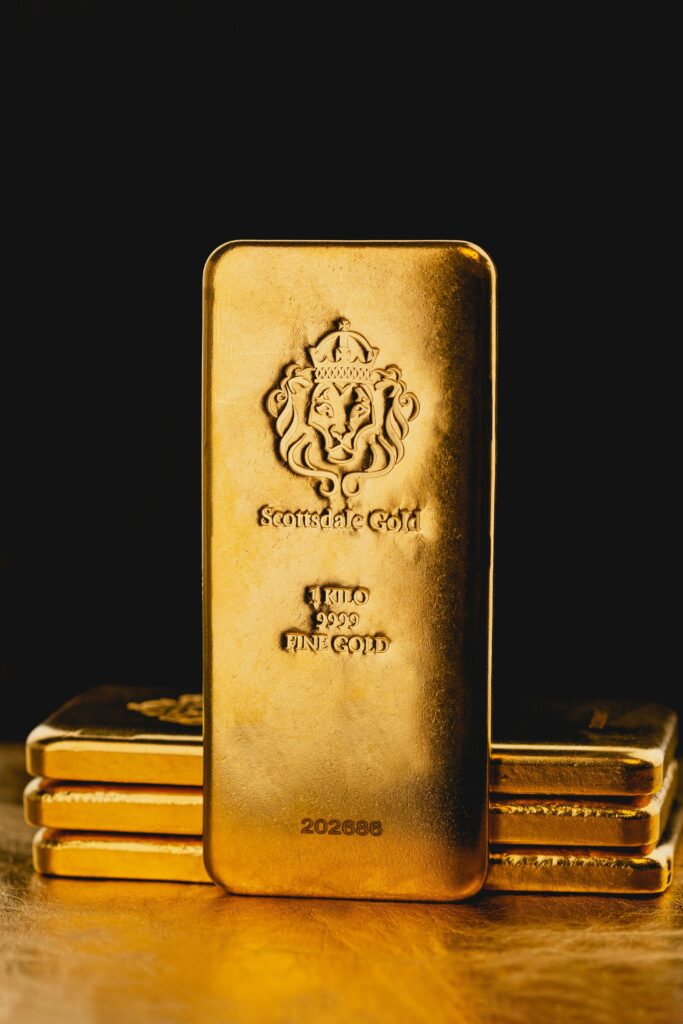
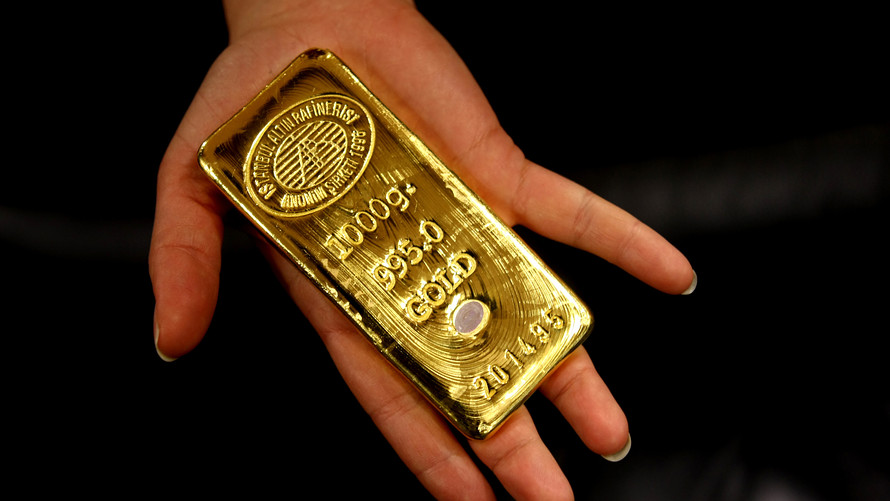
Physical bars. Bars from 1 gram up to 1 kilogram or more are sold by dealers, banks and online bullion shops across Europe. Larger bars carry a lower premium over spot per gram, while small bars cost more per gram but are easier to sell in portions. You must store them safely at home, in a bank safe-deposit box or in a professional vault. Look for bars from refiners on the LBMA Good Delivery list, which signals widely accepted quality.
Bullion coins. Coins such as the Austrian Philharmonic, Canadian Maple Leaf and South African Krugerrand are popular with private buyers. They usually cost a higher premium than bars but are easy to recognize and sell. Be careful with collector or numismatic coins, which can carry large premiums that have little to do with gold content and may not qualify for VAT exemption.
Physically backed gold ETCs and ETFs. These trade like shares through a normal brokerage account and track the gold price, with annual fees. They are convenient and easy to sell, and European-listed products are available. The trade-off is that you own a security, not the metal in your hands, and tax treatment can differ from owning physical gold. Check the product documents, including where the gold is stored and whether you have any claim to physical delivery.
Allocated and unallocated accounts. Some dealers and banks offer vaulted storage. Allocated means specific bars are set aside in your name. Unallocated means you hold a claim on a pool of gold, which carries counterparty risk. Read the terms carefully.
Gold mining shares and funds. These are not gold. They are businesses, with company-specific risks. They can rise or fall faster than gold itself.
Premiums and spreads. Whatever you choose, the price you pay is spot plus a premium, and the price you receive when selling is spot minus a smaller discount. That gap, the spread, is a real cost. Compare several dealers on the same day and the same product, and ask for the all-in price including delivery, insurance, and any fees. A purchase that looks cheap on the headline price can end up costing more after shipping and storage.
VAT, taxes and cash limits: what changes by country
Rules vary, so treat the following as a starting point and check your own country’s current law or ask a tax adviser.
VAT. Under EU rules, investment gold is exempt from VAT. This covers bars and coins that meet certain legal criteria, generally gold of at least 995 thousandths purity in bar form, and coins of at least 900 thousandths purity minted after 1800 that are or were legal tender in their country of origin and are sold at no more than 80% above the metal value. Silver, platinum, and palladium are not exempt. In Germany, silver bought from a dealer carries the standard 19% VAT, which is a high cost that surprises many first-time buyers. Gold jewellery also carries VAT. If you want VAT-free exposure, stick to qualifying investment gold.
Capital gains. This differs by country. In Germany, gains on physical gold held for more than one year are generally tax-free for private investors, while gains on sales within a year can be taxable if total private-sale gains exceed the annual exemption limit, which sources currently put at €1,000. Other countries tax gold differently, and some apply special rules to coins or ETCs. Always check the current rules for your country of residence.
Anonymous cash purchases. Limits on buying gold with cash without identification vary:
- Germany: identification is required from €2,000, so the anonymous limit is €1,999.99 per transaction.
- Austria: anonymous purchases are possible up to €9,999.
- Switzerland: the due-diligence threshold is around CHF 15,000.
- Other EU countries: many have their own, often stricter, cash payment limits.
Dealers are also watching for people splitting one purchase into several smaller ones to stay under a limit. That can raise compliance flags and is not a good idea.
The EU’s 2027 anti-money-laundering rules. Regulation (EU) 2024/1624, known as the AMLR, applies from 10 July 2027. It introduces EU-wide customer due-diligence thresholds for dealers and an EU-wide cap on large cash payments of €10,000. The details matter for anyone who buys bullion in cash, so check the final national implementation as it approaches. For a buyer paying by bank transfer, the main effect is that identification and source-of-funds questions are already standard for larger purchases.
Importing gold. If you buy from outside the EU and bring gold across the border, the import may need to be declared to customs when the value exceeds €10,000. Buying from a reputable EU-based dealer avoids most of this.
Common mistakes to avoid
- Chasing headlines. A 2% daily move feels dramatic, but it is normal for this market. Decisions made right after a jump or a drop tend to be emotional.
- Ignoring the euro price. Dollar charts alone can mislead you. Track the cost of the product you actually plan to buy, in euros.
- Overlooking premiums. A small bar can cost several percent over spot, and that premium is lost if you sell soon after buying.
- Buying silver or jewellery and expecting gold’s tax treatment. Only qualifying investment gold is VAT-exempt.
- Using unverified sellers. Counterfeits and fake dealers exist. Buy from established, regulated dealers, and be skeptical of anyone offering a price far below market or pushing urgency.
- Forgetting storage and insurance. Gold at home is a theft risk, and household insurance often caps coverage for valuables.
- Putting too much in one asset. Gold can fall for years. Plenty of experienced investors keep it as a modest part of a diversified portfolio rather than the whole thing.
- Treating forecasts as facts. As the table above shows, even the biggest banks have cut year-end targets again and again in 2026.
Frequently asked questions
What is the gold price outlook for the end of 2026?
Major banks currently see gold between roughly $4,500 and $5,100 by year-end, compared with a spot price near $4,100. Those forecasts have been cut repeatedly this year, and the actual outcome will depend largely on US interest-rate decisions, oil prices and the dollar.
Will gold go up or down in December?
Nobody knows. The Fed’s 8–9 December meeting is the biggest scheduled risk. A hike that is already priced in may have limited effect, while a surprise in either direction could move prices sharply.
How much is an ounce of gold in euros today?
At about $4,100 and an EUR/USD rate near 1.12, roughly €3,650. Check a live quote, because both gold and the euro move throughout the day.
Is gold VAT-free in Europe?
Investment gold bars and qualifying coins are exempt from VAT across the EU. Silver, platinum, palladium and jewelry are generally not.
How much gold can I buy without ID in Germany?
The limit for anonymous cash purchases is €1,999.99 per transaction. Above that, the dealer must record your identity.
Should I buy gold now or wait?
That depends on your goals, your time horizon, and your wider finances, and it is a question for you or a licensed financial adviser rather than a blog post. People who invest regularly in smaller amounts, rather than all at once, do so partly to reduce the risk of picking a bad moment, but that approach has its own trade-offs.
Is gold still a haven if it just fell?
Gold’s record is mixed over short periods. It rose strongly in 2025 and early 2026, then fell as interest rates climbed. It has historically held value over long stretches, but it can drop sharply and stay flat for years. Haven does not mean no volatility.
Are physical gold and gold ETCs taxed the same way?
Not necessarily. Tax treatment depends on the product and your country. Check before you buy.
The note
Gold enters the final weeks of 2026 in a tug-of-war. On one side are rising US rates, a firm dollar, high bond yields and speculative selling. On the other are record ETF holdings, persistent central-bank buying and bank forecasts that still sit above the current price. For European buyers, an additional layer sits on top: the EUR/USD rate, which can amplify or dampen what happens in dollars.
The sensible approach for most people is to focus on what they can control: knowing the euro price, understanding the premium, buying only qualifying investment gold if VAT matters, following national cash and identification rules, choosing a safe way to store the metal, and sizing any purchase so that a further 10% drop would not cause real hardship.
This article is for general information only. It is not financial, investment, tax or legal advice, and it does not recommend buying or selling any asset. Gold prices can fall as well as rise, and past performance is no guide to the future. Tax and regulatory rules change and differ by country, so check current rules or consult a qualified adviser before making decisions.
Sources
Markets.com, “Gold Price Today: Bullion Rises Above $4,100 as Treasury Yields Fall,” 4–5 November 2026.
- RoboForex, XAUUSD analysis, 3 November 2026; EUR/USD analysis, 29–30 October 2026.
- Golden Ark Reserve, “Gold Price Forecast to the End of 2026: Bank Targets,” updated 30 October 2026, which compiles dated forecasts from HSBC, JPMorgan, CIBC, Commerzbank, UBS, Goldman Sachs, Citi, Wells Fargo Investment Institute, State Street and Morgan Stanley and cites World Gold Council, LBMA, Reuters and US government data.
- World Gold Council, gold ETF flows and central bank statistics, October 2026.
- investingLive and FXStreet coverage of the Fed and ECB decisions of 28–29 October 2026.
- Goldundco.at, Tradersunion, Trisor and Spargold guides on VAT, German anonymous purchase limits and the one-year holding rule.
- Regulation (EU) 2024/1624 (AMLR), applicable from 10 July 2027.