Ultimate Guide | How to Buy Gold Bars in Africa Safely
How to buy gold bars in Africa, buying gold bars in Africa can be one of the most profitable and secure investments, if done the right way. Africa remains the world’s richest source of physical gold, with leading producers like Ghana, South Africa, Uganda, Tanzania, and Mali supplying over 40% of the continent’s bullion. But before you invest, you must understand where to buy, how to verify authenticity, and the legal steps to ensure your gold is certified for trade and export.
That’s where Buy Gold Bars Kenya Limited comes in, a licensed and trusted gold supplier providing certified 24K, 22K, and 18K gold bars across Africa. Whether you’re buying in Ghana, Uganda, Kenya, Tanzania, or South Africa, the company ensures every transaction meets international assay, export, and safety standards, backed by verified documentation and refinery certificates.
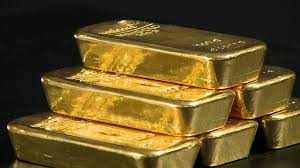
Types of Gold Bars Sold in Africa
Africa’s gold market offers a wide range of gold bar types, catering to both local investors and international buyers. Whether you’re purchasing for investment, jewelry production, or export, understanding the types of gold bars sold in Africa helps you make secure, profitable decisions.
- Cast Gold Bars (Investment Grade)
Description:
Cast gold bars, also known as melted bars, are created by pouring molten gold into a mold and allowing it to cool naturally. These bars are often slightly irregular in shape and texture, which gives them a traditional, authentic look.
Common in: South Africa, Ghana, Uganda, Mali, and Tanzania.
Purity: 99.5%–99.99% (24K)
Weight Range: 100g to 12.5kg
Typical Buyers: Investors, refineries, central banks, and exporters.
Features:
- Stamped with refinery name, weight, purity, and serial number.
- Lower production cost, ideal for bulk investment.
- Globally recognized by LBMA-accredited refineries like Rand Refinery and African Gold Refinery (AGR).
Example:
- 1kg Cast Bar – 24K Gold – Rand Refinery, South Africa
- 400oz (12.5kg) Good Delivery Bar – LBMA Certified
- Minted Gold Bars (Refined & Packaged)
Description:
Minted bars are precision-cut from rolled gold sheets and polished to a mirror finish. Each bar is sealed in tamper-proof packaging with an assay certificate.
Common in: South Africa, Kenya, Uganda, Ghana
Purity: 99.9%–99.99% (24K)
Weight Range: 1g to 250g
Typical Buyers: Private investors, gift buyers, jewelry traders.
Features:
- Comes in sealed packaging with barcode and certificate.
- High aesthetic value for resale and gifting.
- Popular brands: Rand Refinery, Metal Concentrators SA, Gold Coast Refinery (Ghana).
Example:
- 100g Minted Gold Bar – Rand Refinery (999.9 Fine Gold)
- 50g Assayed Minted Bar – Gold Coast Refinery Ghana
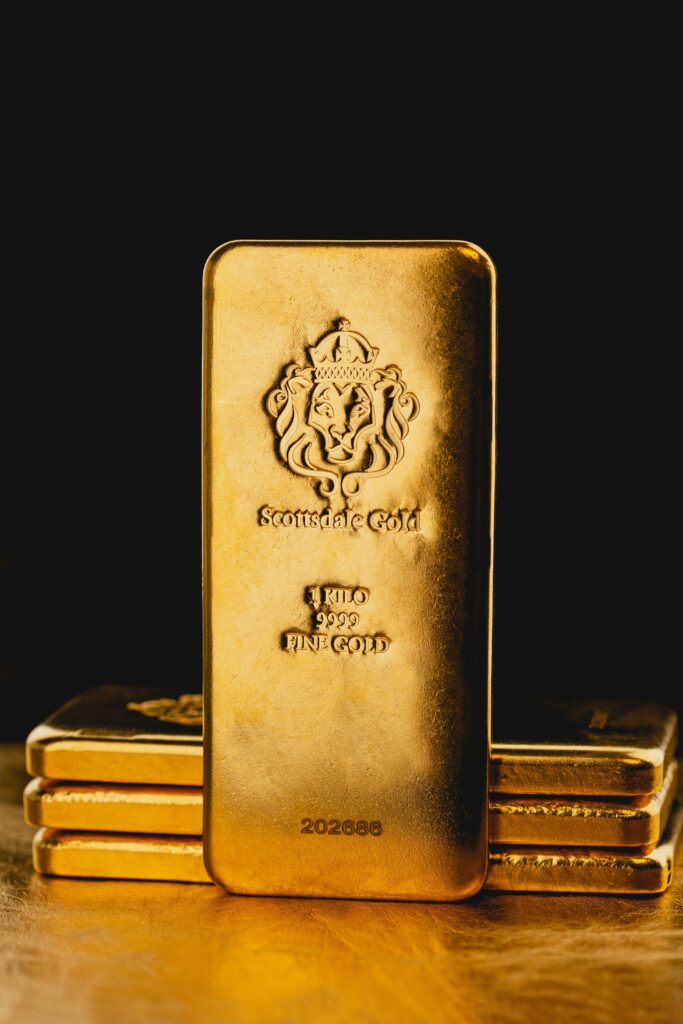
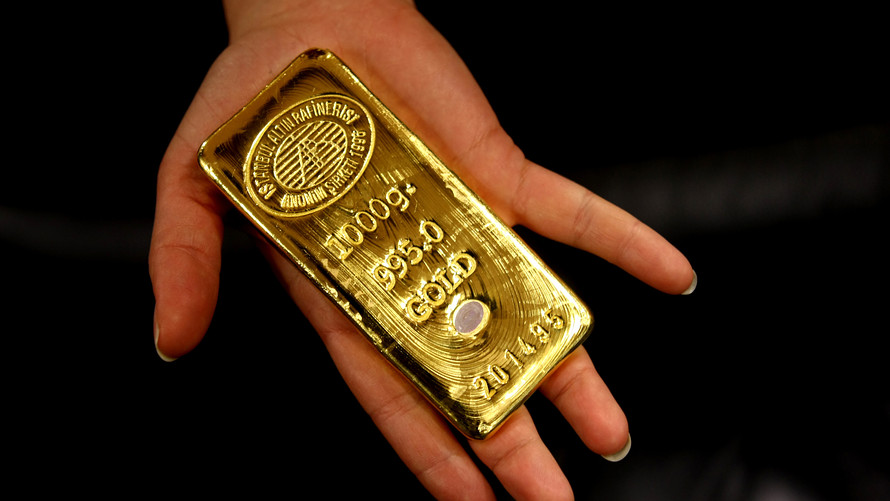
- Kilobar (1kg Gold Bar)
Description:
The 1-kilogram gold bar is the most traded gold form in Africa’s export and wholesale markets. It offers the best balance between weight, liquidity, and value.
Common in: Uganda, Ghana, South Africa, Tanzania
Purity: 99.9% (24K)
Typical Buyers: Exporters, bullion dealers, and institutional investors.
Features:
- Easy to store, transport, and sell globally.
- Used for both investment and refinery supply.
- Certified by refineries like AGR Uganda and Rand Refinery, South Africa.
- Good Delivery Bars (LBMA Standard)
Description:
These are the largest and purest form of gold bars, traded between central banks, refineries, and large institutions. Each weighs approximately 400 troy ounces (12.5 kg).
Common in: South Africa, Ghana, Mali
Purity: 99.5% minimum (24K)
Certification: LBMA Good Delivery
Typical Buyers: Central banks, bullion traders, and refineries.
Features:
- Serial number, refinery mark, and assay stamp.
- Standard for international trade and reserve holding.
- Main supplier in Africa: Rand Refinery (Johannesburg).
- Dore Bars (Semi-Refined Gold)
Description:
Dore bars are unrefined or semi-purified gold bars, produced directly at mining sites before final refining. They contain a mixture of gold, silver, and trace minerals.
Common in: DRC (Congo), Mali, Sudan, and Burkina Faso
Purity: 85%–95%
Typical Buyers: Refineries and industrial smelters.
Features:
- Rough texture, not suitable for direct investment.
- Must be refined to 99.9% before export.
- Sold mainly under government export licenses.
Example:
- Gold Dore Bar – 95% purity – Sourced from Busia Gold Zone, Uganda
- Dore Bar – 88% purity – Mali Mining Cooperative Export Lot
- Hallmarked Gold Bars
Description:
These are gold bars tested and stamped by an authorized assay office or refinery, verifying the purity and authenticity.
They carry hallmarks like “999.9 Fine Gold” or “916” (22K).
Common in: Ghana, Kenya, South Africa
Purity: 24K (999.9) or 22K (916)
Typical Buyers: Retail investors, jewelers, export traders.
Features:
- Certified origin and weight.
- Trusted in both local and global markets.
- Required for export clearance in most African countries.
- Small Denomination Bars (1g–50g)
Description:
Compact bars designed for retail buyers and small investors, often packaged individually.
They are highly liquid and affordable entry points into gold ownership.
Common in: Ghana, Kenya, Uganda, Nigeria
Purity: 24K (999.9)
Sizes: 1g, 2g, 5g, 10g, 20g, 50g
Typical Buyers: Individual investors, tourists, gift buyers.
Features:
- Beautifully designed for presentation or collection.
- Available from Rand Refinery and local mints.
- Easy resale and transport.
- Custom-Branded Gold Bars
Description:
Many African refineries now produce custom-labeled gold bars for corporate or investor branding.
These carry both the refinery logo and the buyer’s corporate mark.
Common in: South Africa, Uganda, Ghana
Purity: 24K (999.9)
Sizes: 100g – 1kg
Typical Buyers: Corporations, exporters, private labels.
Features:
- Custom design, serial numbers, and brand engraving.
- Ideal for private bullion investment or promotional gifting.
Comparison Table: Types of Gold Bars in Africa
| Type | Purity | Weight Range | Use | Country of Origin |
| Cast Bars | 99.5–99.99% | 100g–12.5kg | Investment, export | South Africa, Ghana |
| Minted Bars | 99.9–99.99% | 1g–250g | Retail, gifting | South Africa, Uganda |
| Kilobars | 99.9% | 1kg | Export, investment | Ghana, Uganda |
| Good Delivery Bars | 99.5% | 12.5kg | Central banks, refineries | South Africa |
| Dore Bars | 85–95% | 1–12kg | Refining input | DRC, Mali, Sudan |
| Hallmarked Bars | 99.9% | 1g–1kg | Retail, export | Kenya, Ghana |
| Small Bars | 99.9% | 1–50g | Individual buyers | Nigeria, Kenya |
| Custom Bars | 99.9% | 100g–1kg | Corporate branding | Uganda, SA |
Key Takeaways
- Investment-grade gold (24K) dominates Africa’s export market.
- Rand Refinery (SA) and AGR (Uganda) lead in refining and certification.
- Dore bars are common in mining zones but must be refined before resale.
- Minted and small bars appeal to everyday investors and retailers.
- Always verify purity, refinery stamp, and export documentation before purchase.
How to buy gold bars in Africa — a safe, step-by-step process
1) Define purpose, purity & budget
- Decide: investment (store of value), manufacturing, resale, or jewelry.
- Choose purity: common standards are 24K (100% / “999”–“99.9”), 22K (22/24 = 91.6%), 18K (75%).
- Set your budget, maximum premium over spot you’ll accept, and whether you want allocated (specific bar IDs) or unallocated storage.
2) Research & select trusted counterparties
- Prefer licensed dealers, established refineries, reputable bullion banks, or recognized vault/custodians.
- Check business registration, trade licenses, references, customer reviews, and trade history. Ask for trade refs and check them.
3) Verify legality & compliance
- Confirm the seller’s license to trade/export gold and ask how they comply with AML/KYC rules.
- Check if you or the seller requires export permits, declarations, or central bank notifications. Country requirements vary; verify locally.
4) Agree on the price formula in writing
- Price should be transparent: tied to a published spot price + a stated premium. Example formula:
Final price = (Spot price per gram) × (weight in grams) × (purity factor) + premium + taxes + shipping
(Spot is usually quoted per troy ounce; convert: price_per_gram = price_per_troy_ounce / 31.1034768.) - Get the exact cut-off time (spot timestamp) and currency on the contract.
5) Insist on full documentation
Obtain BEFORE you pay:
- Commercial invoice with seller details, bar serial numbers, gross/net weight, purity, price formula used, and payment terms.
- Assay certificate (from the refinery or an independent assayer) matching the serial numbers.
- Proof of ownership/chain-of-custody documents.
- Export permits or customs documentation if cross-border.
6) Physical & technical verification (non-destructive first)
- On delivery, check: hallmarks/stamps, serial numbers, tamper-evident packaging, weight, and dimensions.
- Non-destructive tests to request or perform: visual inspection, weight/measure against standard dimensions, magnet test (gold is non-magnetic), specific-gravity/density test, and XRF analysis (x-ray fluorescence).
- For high-value buys, order an independent third-party assay or re-assay (ultrasound or fire assay for conclusive results). Do NOT rely solely on acid tests (they’re destructive).
7) Use secure payment & escrow
- Prefer bank transfer (SWIFT) from a business account, an escrow service, or a letter of credit for large transactions. Escrow protects both parties.
- Avoid cash transactions for large volumes; they’re risky and often illegal for traceability reasons.
8) Meet & exchange securely
- For in-person exchanges, meet at a secure location: a bank branch, the dealer’s vault, or an accredited vaulting facility. Bring IDs, witnesses, and the agreed documents.
- Insist on an immediate, signed receipt showing bar serial numbers, weights, purity, time/date, and both parties’ signatures before releasing funds (or completing transfer).
9) Transport & insurance
- If shipping, use an insured, trackable carrier with experience handling bullion (armored transport / specialized couriers). Ensure insurance covers full replacement value in transit and any storage gaps.
- For cross-border, ensure customs clearance documents and any bonded-warehouse arrangements are in place.
10) Storage & custody
- Decide on immediate storage: take physical delivery, use a licensed vault (allocated storage recommended), or use a regulated custodian.
- Check terms: fees, insurance, segregation (allocated vs unallocated), proof of holdings, and withdrawal procedures.
11) Recordkeeping & tax reporting
- Keep all invoices, assay certificates, payment records, customs documents, and communications. You’ll need these for tax compliance and future resale.
- Confirm VAT/GST, import/export duties, and capital gains tax treatment with a local tax advisor.
12) Plan exit/resale
- Know your resale options before buying: to refineries, licensed dealers, banks, or reputable online bullion buyers. Understand fees and re-assay requirements.
Legal Requirements for Buying and Exporting Gold in Africa
Understand Africa’s gold trading laws, licenses, and export regulations before you buy or ship gold bars.
Africa is one of the richest continents in natural gold deposits, with countries like Ghana, Uganda, Tanzania, South Africa, and the Democratic Republic of Congo (DRC) leading production.
However, buying or exporting gold from Africa legally requires compliance with strict national laws, licensing systems, and documentation to prevent smuggling, money laundering, and illicit trade.
This guide explains the legal requirements for buying and exporting gold in Africa, along with a country-by-country summary of the top gold trading laws.
General Legal Requirements Across Africa
Before engaging in gold trade or export, buyers and sellers must follow these common legal principles:
| Requirement | Description |
| Business Registration | Register a legal entity (company or sole proprietorship) under local laws before trading. |
| Trading License | Obtain a gold trading license from the Ministry of Mines or the relevant authority. |
| Tax Identification | Register for a Tax Identification Number (TIN) for compliance and payment of taxes. |
| Export Permit | Secure an official gold export permit from the national authority (often valid per shipment). |
| Assay & Purity Certification | Gold must be tested and certified by a government-approved assay office or refinery. |
| Customs Clearance | Provide full documentation at the airport or border, including invoice, assay certificate, and export permit. |
| Anti-Money Laundering (AML) Compliance | Complete Know Your Customer (KYC) and declare the source of funds and gold. |
| Payment Channels | Use bank transfers or escrow accounts — avoid cash transactions to comply with financial regulations. |
Top Gold Trading Laws in Africa (Country-by-Country Guide)
Below is a summary of key legal frameworks in Africa’s major gold-producing and trading nations.
Ghana
- Main Authority: Precious Minerals Marketing Company (PMMC) & Minerals Commission
- Key Laws:
- Minerals and Mining Act, 2006 (Act 703)
- Minerals and Mining (Amendment) Act, 2019 (Act 995)
- Requirements:
- Foreign buyers must register with PMMC.
- All gold exports must go through PMMC for assay, valuation, and sealing.
- An export permit is required per shipment.
- Payment through bank transfer only, no cash export.
Uganda
- Main Authority: Directorate of Geological Survey and Mines (DGSM) – Ministry of Energy and Mineral Development
- Key Laws:
- Mining and Minerals Act, 2022
- Anti-Money Laundering Act, 2013
- Requirements:
- Obtain a gold trading or export license.
- DGSM must issue an export permit.
- All gold must be refined and assayed before export.
- Bank-to-bank payments required.
Tanzania
- Main Authority: Ministry of Minerals & Tanzania Mining Commission
- Key Laws:
- Mining Act, 2010 (as amended 2017)
- Requirements:
- Foreign investors must partner with local licensed dealers.
- Gold must be sold through the Government Mineral Trading Hubs (GMTH).
- Assay and royalty (6%) paid before export.
- Export permit issued by the Mining Commission.
Kenya
- Main Authority: Ministry of Mining, Blue Economy, and Maritime Affairs
- Key Laws:
- Mining Act, 2016
- Precious Metals Act, Cap 309
- Requirements:
- Traders must hold a mineral dealer’s license.
- An export permit and assay certificate are mandatory.
- Exports cleared through JKIA with customs and KRA verification.
Democratic Republic of Congo (DRC)
- Main Authority: Ministry of Mines & CEEC (Centre d’Expertise, d’Evaluation et de Certification)
- Key Laws:
- Mining Code (Law No. 007/2002) and 2018 amendments
- Requirements:
- Only licensed cooperatives and companies may trade/export.
- All gold must be certified by CEEC.
- Export permit and proof of tax payment required.
- Strong AML compliance is enforced due to regional controls.
South Africa
- Main Authority: South African Diamond and Precious Metals Regulator (SADPMR)
- Key Laws:
- Precious Metals Act, 2005 (Act 37 of 2005)
- Requirements:
- Need a precious metals beneficiation or refining license.
- All gold exports must be authorized by the SADPMR and the South African Reserve Bank.
- VAT and export taxes may apply depending on the trade category.
Mali
- Main Authority: Ministry of Mines, Energy & Water
- Key Laws:
- Mining Code of Mali, 2019
- Requirements:
- Traders must obtain an artisanal or industrial gold trading license.
- Export license issued by the Ministry of Mines.
- Gold must be accompanied by an assay and valuation certificate.
Ethiopia
- Main Authority: Ministry of Mines (MoM) & National Bank of Ethiopia (NBE)
- Key Laws:
- Mining Operations Proclamation No. 678/2010
- Requirements:
- Only licensed dealers can buy/export gold.
- Exports must go through the NBE for valuation and approval.
- Proof of source and AML documentation are mandatory.
Zambia
- Main Authority: Ministry of Mines and Minerals Development
- Key Laws:
- Mines and Minerals Development Act, 2015
- Requirements:
- Gold dealers must hold a trading license.
- Export permits are required from the Ministry.
- All gold must be declared to customs with valuation documents.
Nigeria
- Main Authority: Ministry of Mines and Steel Development (MMSD)
- Key Laws:
- Nigerian Minerals and Mining Act, 2007
- Requirements:
- Apply for Mineral Buying Center License.
- Obtain an export permit through the Nigerian Export Promotion Council (NEPC).
- Must comply with AML and CBN foreign exchange regulations.

Documentation Needed for Legal Gold Export in Africa
| Document | Purpose |
| Export License/Permit | Authorization for each shipment. |
| Commercial Invoice | Details the weight, purity, and value of gold. |
| Assay Certificate | Verifies purity and origin. |
| Customs Declaration | Required for cross-border exports. |
| Proof of Payment | Bank receipt (for AML tracking). |
| Certificate of Origin | Confirms the gold source country. |
| Tax Clearance Certificate | Shows compliance with government taxes. |
Penalties for Illegal Gold Trade
Illegal gold trading or export can lead to:
- Seizure of gold by customs or police
- Heavy fines and imprisonment
- Permanent loss of export licenses
- International blacklisting of your company
- Violation of AML and anti-terrorism finance laws
Always work with licensed gold dealers and government-certified exporters to avoid risk.
Trusted Gold Export Partners in Africa
If you want a verified, compliant export channel, partner with:
www.buygoldbarskenya.com . A trusted platform that connects verified African gold sellers and refineries to international buyers.
They assist with:
- Legal export documentation
- Assay & valuation services
- Secure logistics & shipping
- Direct sourcing from licensed mines in Uganda, Ghana, Tanzania, and the DRC
Where to Buy Gold Bars in Africa
| Country | Top Cities to Buy Gold Bars | Trusted Gold Dealers / Refineries (2025) | Available Purity & Sizes | Buying Tips / Legal Notes |
| 🇬🇭 Ghana | Accra, Kumasi, Tarkwa | – Precious Minerals Marketing Company (PMMC) – Gold Buyers Africa Ghana Office – Asanska Gold Ltd | 24K, 22K bars (1g – 1kg) | Buy only from PMMC-licensed dealers. All exports must go through PMMC for assay and valuation. |
| Uganda | Kampala, Entebbe, Busia | – African Gold Refinery (AGR) – Gold Buyers Africa Uganda Branch – Simba Gold Refinery | 24K, 22K (from 10g – 1kg) | Check DGSM export permits. Insist on an assay certificate from a recognized refinery. |
| Kenya | Nairobi, Mombasa, Kisumu | – Kenya Bullion Exchange – Gold Buyers Africa Nairobi Office – Aurora Gold Dealers Ltd | 24K, 22K bars | Confirm the dealer is licensed by the Ministry of Mining. Exports cleared through JKIA customs. |
| Tanzania | Dar es Salaam, Mwanza, Geita | – Tanzanian Gold Corporation – Tembo Gold Ltd – State Mining Hubs (Government Certified) | 24K, 22K bars (grams–kilograms) | Buy only through official government mineral trading hubs. Pay royalty and obtain an export permit. |
| South Africa (Rand Refinery Focus) | Johannesburg, Cape Town, Durban | – Rand Refinery (official South African Mint partner) – Absa Gold Investment Desk – Gold Buyers Africa SA Partner Network | 24K (99.99%) bars (1oz – 1kg) | Rand Refinery-certified bars are internationally recognized. Buyers must register for export clearance with SADPMR. |
| Congo (DRC) | Kinshasa, Bukavu, Goma | – Congolese Gold Trading Corp – CEEC-Certified Dealers – Gold Buyers Africa Congo | 24K raw & refined bars | Only purchase from CEEC-licensed exporters. Gold must be tested and certified before export. |
| Nigeria | Lagos, Abuja, Ibadan | – Segilola Resources – Nigerian Export Promotion Council (NEPC)-registered traders – Gold Buyers Africa Nigeria Office | 24K, 22K bars | Dealers need mineral buying licenses. Export through NEPC. Use bank transfer payments only. |
| Mali | Bamako, Kayes, Sikasso | – Mali Gold Refinery (MGR) – Wassoul’Or SA – Gold Buyers Africa Mali | 24K, 22K bars | Verify artisanal vs industrial license. Exports require a Ministry of Mines permit and an assay certificate. |
| Sudan | Khartoum, El Geneina, Nyala | – Sudan Gold Refinery (Khartoum) – Ariab Mining Company – Private licensed exporters | 24K gold bars (refined) | Gold exports are regulated by the Central Bank of Sudan. Always request a certificate of origin and purity. |
| Zimbabwe | Harare, Bulawayo, Kwekwe | – Fidelity Gold Refinery (Reserve Bank of Zimbabwe) – Gold Buyers Africa Zimbabwe – RioZim Ltd | 24K, 22K bars (gram–kilogram) | All gold sales must go through Fidelity Gold Refinery. Exporters need Reserve Bank approval. |
Gold Bar Prices in Africa (24K, 22K, 18K)
| Weight | 24K Gold Price (USD) | 22K Gold Price (USD) | 18K Gold Price (USD) |
| 1 gram | $70.00 | $64.20 | $52.50 |
| 2 grams | $140.00 | $128.40 | $105.00 |
| 5 grams | $350.00 | $321.00 | $262.50 |
| 10 grams | $700.00 | $642.00 | $525.00 |
| 20 grams | $1,400.00 | $1,284.00 | $1,050.00 |
| 50 grams | $3,500.00 | $3,210.00 | $2,625.00 |
| 100 grams | $7,000.00 | $6,420.00 | $5,250.00 |
| 250 grams | $17,500.00 | $16,050.00 | $13,125.00 |
| 500 grams (½ kg) | $35,000.00 | $32,100.00 | $26,250.00 |
| 1 kilogram (1000g) | $70,000.00 | $64,200.00 | $52,500.00 |
Note: prices are indicative averages based on the global gold rate of ~$70 USD/gram for 24K; actual market prices fluctuate daily depending on purity, premium, and country taxes.
Gold Purity Breakdown
| Gold Purity | Purity (%) | Hallmark / Fineness | Typical Use |
| 24K | 99.9%–99.99% | “999” / “999.9” | Investment-grade bullion bars & coins |
| 22K | 91.67% | “916” | Jewelry, coins, semi-refined bars |
| 18K | 75.00% | “750” | Jewelry, ornaments |
Regional Price Notes
| Region | Typical Premium Over Spot (USD/g) | Main Buying City | Notes |
| Ghana | +$1.50–$3.00 | Accra | PMMC regulates export prices. |
| Uganda | +$1.00–$2.50 | Kampala | AGR sets assay and purity fees. |
| Kenya | +$1.80–$3.20 | Nairobi | Premium depends on export channel. |
| Tanzania | +$1.50–$2.80 | Dar es Salaam | Trading hubs add government royalties. |
| South Africa | +$2.00–$3.50 | Johannesburg | Rand Refinery-certified bars command a premium. |
| DRC (Congo) | +$2.50–$4.00 | Kinshasa | High logistics and certification costs. |
| Nigeria | +$1.70–$3.00 | Lagos | NEPC export clearance adds small cost. |
| Mali | +$1.20–$2.50 | Bamako | Government assay & transport fees. |
| Sudan | +$2.00–$3.50 | Khartoum | The Central Bank controls export pricing. |
| Zimbabwe | +$1.80–$3.00 | Harare | Fidelity Gold Refinery fixed margin. |
How to Use This Table
- Multiply the current international gold spot price (per gram) by your country’s premium to update daily values.
- Example formula:
Gold Price (24K) = Spot Price × Purity × (1 + Premium%)
Top 10 Trusted Gold Dealers in Africa
Verified, licensed, and reliable gold suppliers for investors and exporters.
| Rank | Company Name | Country | Specialization | Why They’re Trusted |
| Gold Buyers Africa | Multi-country (Uganda, Ghana, Tanzania, Kenya) | Wholesale gold bars, export logistics, licensed sourcing | Government-certified partner with transparent pricing, export assistance, and secure shipment to Dubai, Europe, and Asia. | |
| Gold Prices in Africa | Pan-African (online marketplace) | Gold sourcing, price comparison, and dealer verification | Helps international buyers find real, verified African gold dealers and refineries. | |
| Precious Minerals Marketing Company (PMMC) | Ghana | Assay, refining, gold exports | Ghana’s official gold export body; all legal exports pass through PMMC. | |
| African Gold Refinery (AGR) | Uganda | Refining, assay, gold bar production | Licensed by DGSM; provides assay certification for export and investment-grade bars. | |
| Rand Refinery | South Africa | Refining, minting, certification | Africa’s largest refinery, a globally recognized LBMA member, produces “Good Delivery” bars. | |
| Tanzania Gold Corporation | Tanzania | Mining, refining, and exporting | Licensed exporter via government mineral trading hubs; supplies 24K investment bars. | |
| Fidelity Gold Refinery | Zimbabwe | Refining, central-bank-regulated sales | Sole refinery licensed by the Reserve Bank of Zimbabwe. | |
| Sudan Gold Refinery | Sudan | Refining, certification | State-backed refinery offering high-purity 24K bars for export. | |
| Mali Gold Refinery (MGR) | Mali | Refining, smelting, export | Licensed under Mali’s Ministry of Mines; works with artisanal cooperatives. | |
| Gold Coast Refinery | Ghana | Refining, minting, and exporting | One of West Africa’s modern refineries, certified for LBMA-compliant operations. |
Note: Always confirm licenses through official mining authorities before making transactions.
List of Licensed Gold Refineries in Africa
Government-approved refineries produce 24K and 22K gold bars.
| Country | Licensed Gold Refineries | Location | Purity Range | Regulatory Authority |
| Ghana | Gold Coast Refinery, Sahara Royal Refinery | Accra | 24K, 22K | Precious Minerals Marketing Company (PMMC) |
| Uganda | African Gold Refinery (AGR), Simba Gold Refinery | Entebbe, Kampala | 24K | DGSM (Directorate of Geological Survey & Mines) |
| Tanzania | Mwanza Precious Metals Refinery | Mwanza | 24K | Tanzania Mining Commission |
| Kenya | Aurora Gold Refinery | Nairobi | 24K, 22K | Ministry of Mining |
| South Africa | Rand Refinery, Metal Concentrators SA | Johannesburg | 24K (LBMA certified) | South African Diamond & Precious Metals Regulator |
| Mali | Mali Gold Refinery (MGR) | Bamako | 24K | Ministry of Mines |
| Sudan | Sudan Gold Refinery | Khartoum | 24K | Central Bank of Sudan |
| Zimbabwe | Fidelity Gold Refinery | Harare | 24K | Reserve Bank of Zimbabwe |
| DR Congo | Congolese Gold Refining Company (CEEC) | Kinshasa | 24K | Ministry of Mines / CEEC |
| Nigeria | Segilola Gold Refinery (Under Development) | Lagos | 24K | Ministry of Mines & Steel Development |
Note. All listed refineries are government-approved and operate under strict AML and export control frameworks.
How to Find a Reliable Gold Dealer Near You in Africa
Buying gold in Africa can be highly profitable, but the region also attracts illegal traders and counterfeit dealers.
Here’s a verified step-by-step guide to finding a genuine, reliable gold dealer near you.
1. Verify Government Licensing
Check that the dealer holds a valid:
- Gold Trading License from the Ministry of Mines
- Export Permit (if they export internationally)
- Assay Certification partnership with a recognized refinery
You can verify their license number through:
- Ghana: gov.gh
- Uganda: DGSM (Ministry of Energy and Minerals)
- Tanzania: Mining Commission
- South Africa: SADPMR
- Kenya: Ministry of Mining
2. Inspect the Dealer’s Documentation
Ask for:
- Company registration certificate
- Gold origin certificate or mine source
- Recent assay certificate with bar serial numbers
- Past transaction references
If any of these are missing or inconsistent, walk away.
3. Visit Physical Offices or Refineries
Genuine gold dealers have physical offices, vaults, or refinery partnerships.
Avoid “mobile sellers” or intermediaries who operate only via WhatsApp or social media.
4. Check Reviews & Trade References
Look for:
- Google Business reviews
- LinkedIn company pages
- References from known buyers or refineries
You can also check platforms like Gold Buyers Africa and Gold Prices in Africa for verified dealer listings.
5. Use Secure Payment Channels
- Always use bank transfers, escrow accounts, or letters of credit (LCs).
- Never pay large amounts in cash or via crypto wallets for physical delivery.
6. Confirm Assay & Testing
Insist on:
- XRF Test (X-Ray Fluorescence)
- Specific Gravity Test
- Certificate of Purity (999 or 916)
Reputable dealers offer in-house or third-party testing before you buy.
7. Compare Prices with Live Gold Rates
Cross-check the dealer’s price with live rates at
where to buy gold in Kenya
This ensures you’re not overpaying above fair market value.
Perfect — these three topics form the “Gold Supply & Market Infrastructure” cluster, which ranks very well for keywords like
“buy gold bars Africa,” “Rand Refinery South Africa,” “gold markets in Africa,” and “online gold trading Africa.”
Rand Refinery South Africa: Africa’s Largest Gold Bar Supplier
Founded in 1920, Rand Refinery is the largest integrated single-site precious metals refining and smelting complex in the world and the primary gold supplier in Africa.
Located in Germiston, Johannesburg, the refinery processes nearly all of South Africa’s gold production and serves as the continent’s benchmark for purity, trust, and compliance. Key Facts about Rand Refinery
| Feature | Details |
| Established | 1920 (over 100 years of refining excellence) |
| Location | Germiston, Johannesburg, South Africa |
| Main Products | 24K gold bars (Good Delivery standard), minted bars, coins (Krugerrand) |
| Purity Levels | 999.9 (24K) |
| Certification | LBMA (London Bullion Market Association) Accredited |
| Annual Capacity | Over 600 tonnes of refined gold |
| Clients | Central banks, global investors, jewelry manufacturers, and African exporters |
| Export Regions | Europe, Asia, the Middle East, and North America |
Why Rand Refinery Dominates the African Gold Market
- LBMA Good Delivery Certification. Guarantees global recognition.
- Traceable Supply Chain. From mines to bars under strict AML compliance.
- Partnerships with African Mines. Sources gold from Ghana, Mali, Tanzania, and Zimbabwe.
- Trusted by Central Banks. Provides gold reserves to several African nations.
- Investor-Grade Products. Rand’s 1g–1kg gold bars and Krugerrand coins are preferred globally.
Rand Refinery Gold Bar Sizes & Weights
| Weight | Purity | Type | Packaging | Typical Buyer |
| 1g – 50g | 24K | Minted Bar | Sealed blister packs | Retail buyers, gifts |
| 100g – 250g | 24K | Minted Bar | Certified assay card | Investors |
| 500g – 1kg | 24K | Cast Bar | Serial numbered | Institutions, exporters |
| 12.5kg (400oz) | 24K | Good Delivery Bar | LBMA Certified | Central banks, refineries |
Note: Investors outside South Africa can access Rand Refinery gold bars via authorized dealers listed on Gold Buyers Africa.
Gold Market Centers in Africa (Accra, Kampala, Nairobi, Johannesburg)
Africa’s gold trade thrives through four major physical gold market centers, hubs where licensed miners, dealers, and exporters meet buyers.
1. Accra, Ghana
- Key Market: PMMC Gold Buying & Export Centre
- Highlights:
- Ghana’s official gold export hub.
- Licensed dealers trade 24K & 22K gold.
- On-site assay, documentation & customs clearance.
- Top Dealers: PMMC, Gold Coast Refinery, Asanska Gold, Sahara Royal Refinery.
- Kampala, Uganda
- Key Market: Entebbe & Kampala Gold Trading Zone
- Highlights:
- Base for East Africa’s largest refinery, African Gold Refinery (AGR).
- Strategic gateway for exports to Dubai, Turkey, and Europe.
- Competitive pricing for 24K bars and nuggets.
- Top Dealers: Gold Buyers Africa, Simba Gold Refinery, Bullion Refiners Ltd.
- Buy Gold bars Kenya
- Key Market: Kenyatta Avenue Gold District
- Highlights:
- Kenya’s emerging gold hub serving investors from UAE and India.
- Licensed through the Ministry of Mining.
- Strong cross-border trade with Tanzania and Uganda.
- Top Dealers: Aurora Gold Refinery, Nairobi Gold Traders, African Bullion Exchange.
- Johannesburg, South Africa
- Key Market: Germiston & Sandton Gold District
- Highlights:
- Home to Rand Refinery and South African Mint.
- Offers LBMA-certified gold bars and Krugerrands.
- Advanced banking and logistics systems for exports.
- Top Dealers: Rand Refinery, Metal Concentrators SA, Cape Precious Metals.
Emerging Markets to Watch
| City | Country | Market Opportunity |
| Bamako | Mali | Increasing exports to Asia |
| Dar es Salaam | Tanzania | Gold hubs expanding with new refineries |
| Khartoum | Sudan | Strategic North African trade route |
| Lagos | Nigeria | Growing retail and digital gold platforms |
Online Gold Marketplaces to Buy Gold Bars in Africa
In today’s digital economy, online gold marketplaces make it easier for both local and international investors to buy verified gold bars safely.
1. Gold Buyers Africa
- Website: goldbuyersafrica.com
- Coverage: Pan-African (Uganda, Ghana, Kenya, Tanzania, South Africa)
- Services:
- Verified gold bar listings (1g–1kg)
- Dealer verification system
- Secure export and logistics
- Why It’s Trusted: Licensed sellers only; documents verified by national mining authorities.
- Gold Prices in Africa
- Website: goldpricesinafrica.com
- Specialization: Real-time gold rates and dealer directories
- Services:
- Daily gold price updates (24K, 22K, 18K)
- Comparison of dealers across African countries
- Historical charts and market analysis
- African Bullion Exchange
- Coverage: Kenya, Ghana, and Uganda
- Services: Secure B2B marketplace for gold bars and refinery contracts.
- Unique Feature: Escrow protection for buyers and digital trading dashboards.
- Bullion Africa
- Headquarters: South Africa
- Products: Rand Refinery bars, Krugerrands, investment-grade gold coins.
- Best For: Institutional and retail investors seeking LBMA-certified bullion.
- Gold Trade Hub (GTH Africa)
- Coverage: Mali, Ghana, DRC, Nigeria
- Highlights:
- Partnered with local refineries
- Real-time pricing dashboard
- Dedicated export support for verified buyers
Tips for Buying Gold Online in Africa
| Do This | Avoid This |
| Verify dealer license on site. | Buying through WhatsApp or Telegram groups. |
| Request official invoice and assay certificate. | Accepting gold photos without testing. |
| Compare live prices on goldpricesinafrica.com. | Overpaying above market value. |
| Use escrow or bank transfer only. | Paying in crypto or untraceable methods. |