How to Start a Gold Trading Business in Kenya | Legal, Prices, Dealers, Licensing
The gold trading business in Kenya is steadily growing as demand for precious metals rises both locally and internationally. Kenya’s gold sector is supported by active mining regions such as www.buygoldbarskenya.com, where gold is produced through small-scale and emerging industrial operations. With its strategic location in East Africa and access to regional and global markets, Kenya has become an attractive destination for investors, traders, and exporters looking to buy and sell gold legally.
In 2026, gold trading in Kenya is regulated under the Mining Act of 2016, which requires traders to operate with proper licenses, adhere to quality and export standards, and comply with government regulations. Understanding how the gold trading business works, from sourcing and pricing to licensing and export procedures, is essential for anyone looking to succeed in this market. This guide provides a clear overview of opportunities, legal requirements, and best practices for starting and running a profitable gold trading business in Kenya.

How to Start a Gold Trading Business in Kenya (Step-by-Step Guide – 2026)
Starting a gold trading business in Kenya is legal and profitable when done in compliance with the Mining Act, 2016, and regulations issued by the Ministry of Mining, Blue Economy & Maritime Affairs. Kenya’s proximity to Uganda, Tanzania, and the DRC makes it a strategic hub for regional gold trade.
1. Understand the Gold Trading Market in Kenya
Before starting, understand how gold flows in Kenya:
- Gold is sourced from Migori, Kakamega, Siaya, Nandi, and neighboring countries
- Traded in grams, ounces, and kilograms
- Sold to:
- Local refineries and jewelers
- Licensed exporters
- International buyers (Dubai, India, China, Europe)
Tip: Most successful traders combine local buying and export trading.
2. Register a Legal Business in Kenya
You must first register a company or business name.
Business registration steps:
- Register with the Business Registration Service (BRS)
- Obtain:
- Certificate of Incorporation
- KRA PIN
- Tax Compliance Certificate
- Open a business bank account
Note: Limited Company for credibility and export ease
3. Apply for a Gold Trading License in Kenya
Gold trading without a license is illegal.
Required licenses:
| License | Issued By |
| Mineral Dealer / Gold Trader License | Ministry of Mining |
| Artisanal Buying Permit (if buying directly from miners) | County & Ministry |
| Export Permit (if exporting) | Ministry of Mining |
Key requirements:
- Company registration documents
- Physical office address
- Security and storage plan
- Due diligence procedures (KYC/AML)
- Payment of license fees
Note. License processing takes 2–6 weeks.
4. Secure Gold Supply Sources
Reliable supply is the backbone of your business.
Legal supply options:
- Licensed artisanal miners & cooperatives
- Small-scale mining companies
- Licensed gold dealers
- Regional suppliers (Uganda, Tanzania)
Note. Avoid illegal gold it risks confiscation and prosecution.
5. Set Up Gold Testing, Weighing & Storage
Professional operations build buyer trust.
Equipment needed:
- Digital gold weighing scales
- Gold purity testing tools (XRF or acid test)
- Secure safes or vaults
- CCTV and insurance (recommended)
Note. Best practice: Always issue gold purchase receipts.
6. Understand Gold Pricing & Payments
Gold prices in Kenya follow international spot prices (LBMA).
Pricing formula:
International gold price, logistics, refining, trader margin
Payment methods:
- Bank transfer
- Mobile money (for small local trades)
- Escrow (for international buyers)
7. Gold Export Process from Kenya (Optional)
To export gold, you must:
- Obtain an Export Permit
- Conduct:
- Purity assay
- Valuation report
- Pay:
- 5% royalty
- Export fees
- Secure customs clearance
- Ship via licensed logistics providers
Major export destinations:
- Dubai
- India
- Switzerland
- China
8. Taxation & Compliance Requirements
| Requirement | Details |
| Royalty | 5% of gross sales |
| Corporate tax | As per KRA |
| AML/KYC | Mandatory for traders |
| Record keeping | Minimum 7 years |
Failure to comply may lead to license cancellation.
9. Capital Requirements & Profit Margins
Startup capital estimate:
- Small-scale trading: USD 10,000 – 30,000
- Export-focused trading: USD 50,000 – 250,000+
Profit margins:
- Local trading: 3–7%
- Export trading: 5–12%
Margins depend on volume, purity, and market access.
Requirements to Start a Gold Business in Kenya
Starting a gold business in Kenya when buying, selling, exporting, or refining gold is legal when you comply with the Mining Act, 2016 and regulations from the Ministry of Mining, Blue Economy & Maritime Affairs.
1. Business Registration Requirements
Before dealing in gold, you must register a legal business entity.
Required documents:
- Certificate of Incorporation (Limited Company recommended)
- KRA PIN Certificate
- Tax Compliance Certificate
- Business bank account
- Registered physical office address in Kenya
Why important: Most licenses are issued only to registered companies.
2. Gold Trading / Dealer License
You must obtain a Mineral Dealer (Gold Trader) License.
Issued by:
- Ministry of Mining, Blue Economy & Maritime Affairs
Key requirements:
- Company registration documents
- Application form
- Office inspection
- Security & storage plan
- Payment of license fees
- AML & KYC compliance framework
Note. Processing time: 2–6 weeks
3. Gold Buying Requirements (If Buying Locally)
If buying gold directly from miners:
- Artisanal Gold Buying Permit
- Agreements with licensed miners or cooperatives
- Official purchase receipts
- Verified source documentation
When buying gold from unlicensed miners is illegal.
4. Gold Export Requirements (If Exporting)
To export gold from Kenya, you need:
- Export Permit from Ministry of Mining
- Certificate of Origin
- Assay & valuation report
- Royalty payment (5% of gross value)
- Customs clearance (KRA & KEPHIS where applicable)
- Licensed freight forwarder
5. Capital & Financial Requirements
Estimated capital:
| Business Type | Capital Range |
| Small-scale trading | USD 10,000 – 30,000 |
| Medium-scale trading | USD 50,000 – 150,000 |
| Export trading | USD 100,000 – 300,000+ |
Financial requirements:
- Proof of funds
- Transparent banking transactions
- Auditable records
6. Gold Testing & Equipment Requirements
You must have tools to verify gold quality.
Minimum equipment:
- Digital gold weighing scale
- Gold purity testing tools (acid test or XRF)
- Secure safes or vaults
- CCTV & security systems (recommended)
7. Tax & Royalty Compliance
| Requirement | Details |
| Gold royalty | 5% of gross sales |
| Corporate tax | As per KRA |
| VAT | If applicable |
| Record keeping | Minimum 7 years |
8. Environmental & Community Requirements (If Mining)
If your business includes mining:
- Environmental Impact Assessment (EIA)
- Community Development Agreement (CDA)
- Land access consent
- County government approvals
9. Legal & Compliance Obligations
- Anti-Money Laundering (AML) compliance
- Know Your Customer (KYC) procedures
- No child labors
- Ethical sourcing compliance
- Annual license renewals
10. Physical Location & Security
- Registered office address
- Secure gold storage
- Controlled access to premises
- Insurance (recommended)
24K Gold Price per Gram in Kenya Today
24K gold (99.9% pure) prices in Kenya follow international gold spot prices (LBMA) and are converted into Kenyan Shillings (KES) using the prevailing USD/KES exchange rate. Prices can vary slightly depending on dealer margin, location, and volume.
Today’s 24K Gold Price in Kenya (Indicative)
- Price per gram: KES 9,800 – 10,800
- USD equivalent: USD 75 – 83 per gram
Note. Prices change throughout the day based on global markets and forex rates. Always confirm with a licensed dealer before buying or selling.
24K Gold Price Reference Table (Kenya)
| Weight | Price (KES) | Price (USD) |
| 1 gram | 9,800 – 10,800 | 75 – 83 |
| 5 grams | 49,000 – 54,000 | 375 – 415 |
| 10 grams | 98,000 – 108,000 | 750 – 830 |
| 1 ounce (31.1g) | 305,000 – 335,000 | 2,330 – 2,580 |
| 1 kg | 9.8M – 10.8M | 75,000 – 83,000 |
Why Gold Prices Differ in Kenya
- International gold spot price
- USD/KES exchange rate
- Gold purity & assay results
- Dealer margins
- Location (Migori, Kakamega, Nairobi)
Where to Get the Best 24K Gold Prices in Kenya
- Migori & Kakamega: Lower premiums (near mining areas)
- Nairobi: Better documentation, testing, and export services
- Licensed dealers only (Ministry of Mining approved)
Is It a Good Time to Buy 24K Gold in Kenya?
Gold remains a strong hedge against:
- Currency depreciation
- Inflation
- Global economic uncertainty
For bulk buyers and exporters, Kenya offers competitive prices compared to many regional markets when bought legally and in volume.
Licensed Gold Dealers in Kenya
Buying gold from licensed dealers reduces fraud, legal risk, and quality disputes. The following dealers are known for operating within Kenya’s legal framework (always verify current license status with the Ministry of Mining).
- Karebe Gold Mining Limited
- Location: Nandi County
- Type: Industrial gold producer & dealer
- Why trusted: Kenya’s largest licensed gold producer
- Gold type: Doré bars, refined gold
- Ideal for: Bulk buyers & institutional clients
- Shanta Gold – West Kenya Project
- Location: Kakamega & Siaya
- Type: Exploration & mining company
- Why trusted: International compliance standards
- Gold type: Mine-produced gold
- Ideal for: Long-term supply partnerships
- African Gold Refinery– Affiliated Dealers (Kenya-based agents)
- Location: Nairobi
- Type: Licensed gold traders & exporters
- Why trusted: Regional refinery backing
- Gold type: Raw gold, doré bars
- Ideal for: Export buyers
- Licensed Artisanal Mining Cooperatives (Migori & Kakamega)
- Location: Migori, Kakamega
- Type: Government-registered cooperatives
- Why trusted: Direct-from-miner sourcing
- Gold type: Raw gold, nuggets
- Ideal for: Traders seeking lower premiums
- Private Licensed Gold Dealers (Nairobi & Western Kenya)
- Location: Nairobi, Kisumu
- Type: Ministry-licensed traders
- Why trusted: Legal documentation & export permits
- Gold type: Raw gold & refined bars
- Ideal for: Small to mid-scale buyers
Key Factors Affecting the Gold Business in Kenya
The gold business in Kenya covering mining, trading, and exporting is influenced by several economic, legal, and operational factors. Understanding these factors helps investors and traders reduce risk and improve profitability.
- International Gold Prices (Global Market Influence)
Gold prices in Kenya are directly linked to international spot prices (LBMA).
Why it matters:
- Local buying prices rise or fall with global markets
- Affects profit margins for traders and exporters
- Sudden price drops can cause losses if holding stock
Tip: Successful traders monitor daily spot prices and trade with quick turnover.
- Government Regulations & Licensing
Kenya’s gold sector is regulated under the Mining Act, 2016.
Impact on business:
- Licensing costs and processing time affect startup speed
- Strict penalties for unlicensed trading
- Export permits and royalty payments influence pricing
Key requirement: All traders must hold a licensed gold dealer permit.
- Gold Supply & Mining Output
Gold supply depends on production from regions like Migori, Kakamega, Siaya, and Nandi.
Challenges:
- Artisanal mining dominates supply
- Seasonal production fluctuations
- Inconsistent volumes and purity
Opportunity: Working with licensed cooperatives ensures a more stable supply.
- Foreign Exchange Rates (USD/KES)
Gold is priced internationally in US dollars but traded locally in Kenyan Shillings (KES).
Effect on business:
- A weak KES increases export profits
- Currency volatility affects buying power
- Exchange rate changes influence local gold prices
Tip: Many traders hedge using USD accounts.
- Security, Fraud & Operational Risks
Gold trading involves high-value transactions.
Risks include:
- Fake or under-karat gold
- Theft during transport
- Fraudulent sellers or buyers
Mitigation:
- Professional gold testing (XRF)
- Secure storage and insured logistics
- Strict documentation and KYC checks
Best Places to Buy Raw Gold in Kenya
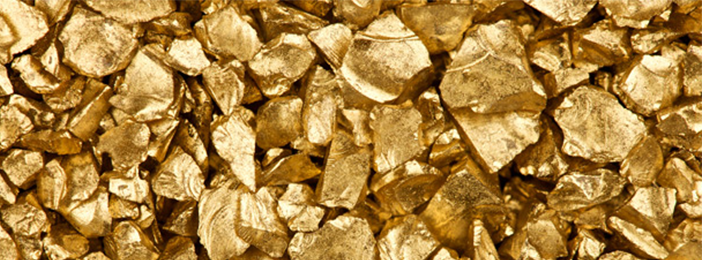
Raw gold (nuggets, flakes, dust) is commonly traded near mining zones.
- Migori County (Macalder & Masara)
- Kenya’s top raw gold-producing area
- High availability of 22K–24K gold
- Mostly artisanal miners and cooperatives
- Kakamega County (Ikolomani)
- Historic gold field
- Organized artisanal mining groups
- Government-backed formalization programs
- Siaya County
- Emerging gold belt
- Less competition than Migori
- Growing exploration activity
- Nandi County
- Home to Karebe Gold Mine
- Higher-grade but regulated supply
- Better documentation
- Nairobi (Licensed Trading Offices)
- Central trading hub
- Easier testing, banking & export logistics
- Best for international buyers
Major Risks to Avoid in Gold Trading in Kenya
Gold trading is profitable but only when risks are managed correctly.
- Buying Unlicensed or Illegal Gold
- Risk: Confiscation, prosecution
- Solution: Always verify dealer licenses
- Fake or Under-Karat Gold
- Risk: Financial loss
- Solution: Use XRF or certified assayers
- Price Manipulation & Scams
- Risk: Overpaying or fake buyers
- Solution: Track LBMA prices daily
- Poor Documentation
- Risk: Export denial, legal disputes
- Solution: Keep purchase receipts & assay reports
- Security & Transportation Risks
- Risk: Theft, loss
- Solution: Use insured www.buygoldbarskenya.com/ secure storage
Small-Scale Gold Mining in Kenya (Migori & Kakamega)
Small-scale and artisanal gold mining (ASGM) plays a major role in Kenya’s gold sector, employing over 250,000 people directly and indirectly.
Migori County (Macalder & Masara)
Migori is Kenya’s most active gold-producing region.
Key characteristics:
- Dominated by artisanal and small-scale miners
- Mining methods: panning, shallow shafts, and open pits
- Gold purity typically ranges between 22K–24K
- Common challenges: unsafe mining conditions, mercury use, illegal buyers
Economic impact:
- Supplies gold to local traders and regional export markets
- Supports thousands of households through informal mining
Kakamega County (Ikolomani)
Kakamega has historical and ongoing gold mining activity.
Highlights:
- One of Kenya’s oldest gold fields
- Mixture of artisanal miners and licensed cooperatives
- Government is formalizing the sector through licensing and training
Challenges:
- Environmental degradation
- Land disputes
- Limited access to modern mining technology
Industrial Gold Mining Companies in Kenya
Kenya’s industrial gold mining sector is still developing but growing steadily.
Major Industrial & Exploration Companies
| Company | Location | Status |
| Shanta Gold | West Kenya (Kakamega, Siaya) | Active exploration & development |
| Acacia Mining (Barrick legacy) | Western Kenya | Historical exploration |
| Red Rock Resources | Migori | Exploration |
| Karebe Gold Mining Ltd | Nandi County | Kenya’s largest industrial gold producer |
Key facts:
- Industrial mining contributes higher-grade, traceable gold
- Most companies operate under Special Mining Licenses
- Kenya is encouraging foreign direct investment (FDI) in mining
Gold Mining Laws and Licensing in Kenya
Gold mining in Kenya is regulated under the Mining Act, 2016, overseen by the Ministry of Mining, Blue Economy & Maritime Affairs.
Types of Mining Licenses
| License Type | Who It’s For | Validity |
| Artisanal Mining Permit | Individuals/cooperatives | 3 years |
| Prospecting License | Exploration companies | Up to 3 years |
| Mining License | Commercial mining | 25 years |
| Special Mining License | Large-scale projects | Negotiated |
Legal requirements:
- Environmental Impact Assessment (EIA)
- Community Development Agreement (CDA)
- Land access consent
- Royalty payment (Gold: 5% of gross sales)
Note. Illegal mining or gold trading without a license is punishable by law
Gold Mining Regions in Kenya (Migori, Siaya, Kakamega)
Main Gold Belts in Kenya
Migori Gold Belt
- Highest gold output in Kenya
- Hosts Macalder, Masara, Nyatike
- Strong artisanal and exploration activity
Siaya Gold Belt
- Underexplored but highly promising
- Attracting international exploration companies
- Part of the Lake Victoria Greenstone Belt
Kakamega Gold Belt
- Historic gold production
- Government-backed formalization programs
- Strong potential for commercial mining
Geological Advantage:
Kenya lies within the Lake Victoria Goldfields, one of Africa’s most mineral-rich zones.
How to Export Gold from Kenya: Step-by-Step Guide (2026)
Exporting gold from Kenya is legal and regulated under the Mining Act, 2016, supervised by the Ministry of Mining, Blue Economy & Maritime Affairs. Whether you are exporting raw gold, doré bars, or refined gold, compliance is mandatory.
1: Register a Legal Business Entity
You must operate through a registered business.
Requirements:
- Certificate of Incorporation (Limited Company preferred)
- KRA PIN Certificate
- Tax Compliance Certificate
- Business bank account
- Physical office address in Kenya
Note. Export permits are issued only to registered entities.
2: Obtain a Gold Dealer / Trader License
Before exporting, you must be a licensed gold dealer.
Issued by:
Ministry of Mining, Blue Economy & Maritime Affairs
What they assess:
- Office inspection
- Security & storage systems
- Compliance history
- AML & KYC procedures
Processing time: 2–6 weeks
3: Source Gold from Legal & Licensed Suppliers
Gold must come from:
- Licensed artisanal miners or cooperatives
- Licensed mining companies
- Licensed gold dealers
Note. Gold without proof of legal origin cannot be exported.
4: Conduct Gold Assay & Valuation
Before export approval:
- Gold purity is tested (assay)
- Weight and value are certified
- Report issued by an approved laboratory or assayer
This determines royalties and taxes payable.
5: Apply for a Gold Export Permit
Submit an export application to the Ministry of Mining with:
- Source documents
- Assay & valuation report
- Proof of royalty payment
- Export destination details
Once approved, you receive an official Export Permit.
6: Pay Gold Royalties, Taxes & Fees
Gold export is subject to statutory payments (see table below).
Payment confirmation is required before customs clearance.
7: Customs Clearance (KRA)
You must clear gold through:
- Kenya Revenue Authority (KRA)
- Customs declaration (export entry)
- Certificate of Origin
Gold is inspected and sealed for export.
Step 8: Ship Gold via Licensed Logistics Providers
Gold is exported using:
- Air cargo (most common)
- Insured and licensed freight forwarders
Common destinations:
- Dubai (UAE)
- Switzerland
- India
- China
Gold Export Requirements & Documents in Kenya
| Requirement / Document | Issuing Authority | Purpose |
| Certificate of Incorporation | Business Registration Service | Legal business status |
| KRA PIN & Tax Compliance | Kenya Revenue Authority | Tax compliance |
| Gold Dealer License | Ministry of Mining | Legal trading authority |
| Export Permit | Ministry of Mining | Approval to export |
| Assay & Valuation Report | Approved Assayer | Purity & value confirmation |
| Certificate of Origin | Chamber of Commerce / Customs | Confirms source country |
| Purchase Receipts | Licensed supplier | Proof of legal source |
| Customs Export Entry | KRA | Customs clearance |
| AML & KYC Records | Internal compliance | Anti-money laundering |
Gold Export Taxes and Fees in Kenya
| Tax / Fee | Rate / Cost | Notes |
| Gold Royalty | 5% of gross value | Mandatory before export |
| Export Permit Fee | Varies | Set by Ministry of Mining |
| Assay & Valuation Fee | Varies by lab | Based on quantity |
| Customs Processing Fee | Minimal | KRA charges |
| Freight & Insurance | Market-based | Depends on the destination |
| Corporate Tax | As per the KRA law | On company profits |
Note. Rates may change; always confirm with the authorities before export.
Common Mistakes to Avoid When Exporting Gold from Kenya
1 Exporting without a license
2 Using illegal or undocumented gold
3 Under-declaring gold value
4 Skipping assay and valuation
5 Using unlicensed freight agents
Conclusion: Gold Trading Business in Kenya
The gold trading business in Kenya offers strong opportunities for traders, investors, and exporters who follow the legal and professional route. With active gold-producing regions such as Migori, Kakamega, and Siaya, and increasing demand from international markets, Kenya is well-positioned as an emerging gold trading hub in East Africa. However, success in this sector depends on working with licensed dealers, verifying gold purity, and complying fully with the Mining Act of 2016 and export regulations.
By understanding pricing structures, securing the right licenses, and using transparent trading and export processes, gold traders can minimize risks and build long-term, profitable businesses. As Kenya continues to formalize its gold sector and improve regulatory oversight, traders who prioritize compliance, trust, and quality will benefit most from the country’s growing role in the African and global gold market.