Complete Guide to Gold for Sale Kenya| Prices, Dealers & Buying Tips
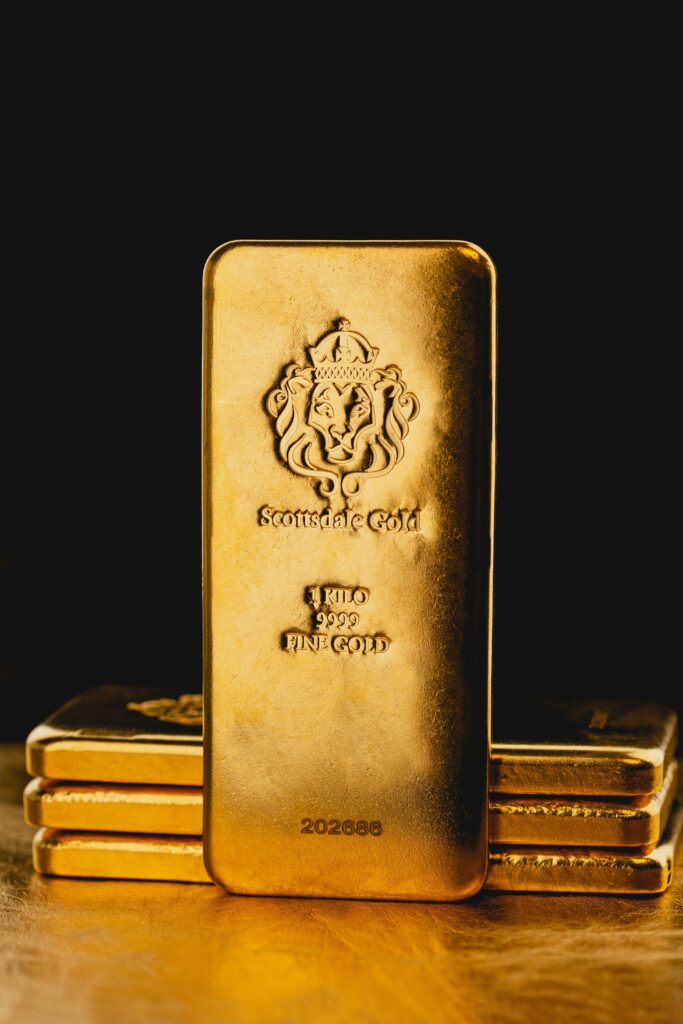
If you are searching for gold for sale in Kenya, it is important to understand that Kenya has become one of East Africa’s fast-growing gold trading and sourcing hubs, connecting regional supply chains from Kenya, Uganda, Tanzania, and the Democratic Republic of Congo (DRC). The market offers access to a wide range of gold products, including 24K gold bars, gold nuggets, doré bars, and raw gold, making it attractive for both local and international investors.
However, buying gold in Kenya requires more than just finding a seller. The industry is regulated under the Mining Act, 2016, and legitimate transactions must involve licensed dealers, verified documentation, and proper compliance with government authorities such as the Ministry of Mining and Blue Economy and the Kenya Revenue Authority (KRA). This regulatory framework is designed to protect buyers, ensure transparency, and eliminate illegal or conflict-linked gold from the supply chain.
From an investment perspective, Kenya offers competitive opportunities because gold prices are closely linked to the global LBMA market rate, while also benefiting from regional sourcing advantages. This means buyers can access gold that is either locally mined in regions such as Migori and Western Kenya or legally imported from neighboring producing countries. As a result, Kenya serves as both a sourcing and transit hub for refined and semi-refined gold products.
At the same time, due to high international demand and the value of gold, the market also attracts fraudulent activity and unverified sellers. This makes due diligence essential. Professional buyers are strongly advised to work only with licensed mineral dealers, request assay certificates for purity verification, confirm certificates of origin, and use secure payment methods such as escrow or bank transfers.
Ultimately, Kenya presents a strong opportunity for gold investors who prioritize security, transparency, and compliance. When proper procedures are followed, buying gold in Kenya can be a safe and profitable entry point into the African precious metals market, offering both wealth preservation and long-term investment value.
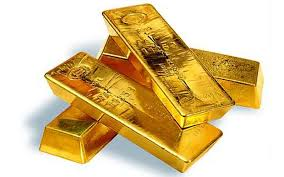
Key Reasons to Buy Gold in Kenya
- Strategic Trading Hub
Kenya connects gold supply from countries like Uganda, Tanzania, and the DRC, making it easy to source gold from multiple regions in one place.
- Competitive Pricing
Gold prices in Kenya are often close to international market rates, allowing buyers to get better deals, especially on bulk purchases.
- Access to High-Purity Gold
Buyers can find 24K gold (99.99%), including gold bars, nuggets, and doré bars suitable for investment and resale.
- Improving Legal Framework
The government is strengthening licensing and export regulations, making gold trading more secure and transparent for investors.
- Reliable Export and Logistics
Kenya offers efficient shipping through JKIA and secure logistics companies, ensuring safe and fast international delivery.
Types of Gold for Sale in Kenya (Comparison Table)
| Gold Type | Purity Level | Form/Appearance | Best For | Advantages | Risks / Considerations |
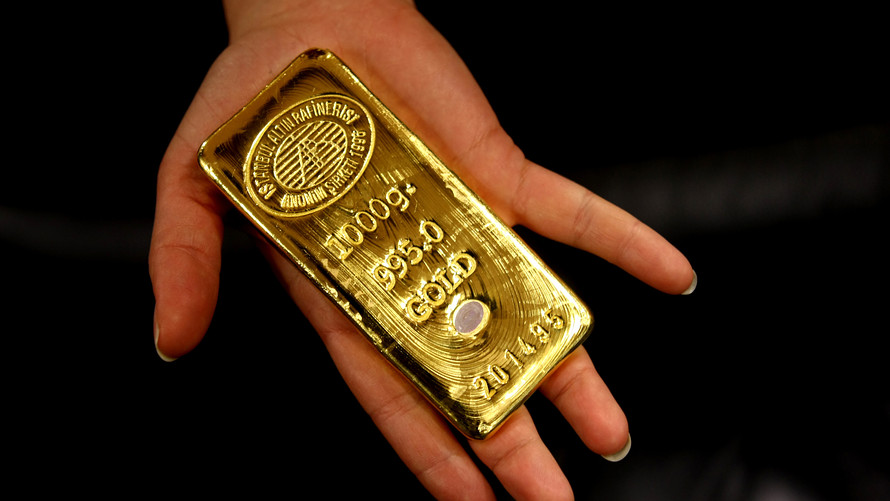
| Gold Bars (Bullion) | 99.99% (24K) | Refined bars (1g – 1kg) | Investors, international buyers | High purity, easy resale, globally accepted | Higher upfront cost |
| Gold Doré Bars | 70% – 95% | Semi-refined rough bars | Refiners, bulk traders | Lower price, good for large-scale buying | Requires refining, purity not guaranteed |
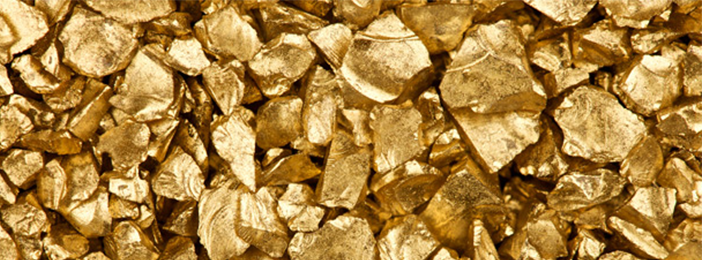
| Gold Nuggets | 80% – 98% (varies) | Natural solid pieces | Collectors, jewelers | Unique, natural form, potential premium | Irregular purity, needs testing |
| Gold Dust | 60% – 90% (varies) | Fine particles/powder | Experienced buyers, refiners | Cheapest form, bulk availability | High fraud risk, difficult to verify |
| Gold Coins | 91% – 99.99% | Minted coins | Small investors, collectors | Easy to trade, recognized, portable | Premium pricing over spot price |
| Gold Jewelry | 75% – 91% (18K–22K) | Rings, chains, bracelets | Personal use, retail buyers | Wearable, resale value | Includes making charges, lower purity |
Key note
- Best for Investment: Gold Bars (24K)
- Best for Bulk Deals: Gold Doré Bars
- Highest Risk: Gold Dust (needs strict verification)
- Best for Beginners: Gold Coins
Gold Prices in Kenya ( Estimate)
Below is an estimated price guide for gold in Kenya based on international market trends, local premiums, and dealer pricing. Prices may vary depending on purity, quantity, and supplier.
| Gold Type / Weight | Purity | Estimated Price (USD) | Description |
| Gold Dust (1g) | 60% – 75% | $130 – $180 | Entry-level pricing, unrefined gold with higher risk |
| Gold Nuggets (1g) | 75% – 90% | $150 – $220 | form, slightly higher value than dust |
| Gold Doré (1g) | 85% – 95% | $180 – $250 | Semi-refined, suitable for bulk buyers |
| Gold Bars (1g) | 99.99% (24K) | $75 – $95 | Fully refined bullion is best for investment |
| Gold Bars (10g) | 99.99% | $750 – $950 | Popular among small investors |
| Gold Bars (100g) | 99.99% | $7,500 – $9,500 | Lower premium per gram |
| Gold Bars (1kg) | 99.99% | $75,000 – $95,000 | Best value for large investors |
| Gold Coins (1oz) | 22K–24K | $2,200 – $2,600 | Recognized and easy to trade |
Note
Gold prices in Kenya fluctuate daily based on:
- International gold rates (LBMA)
- Exchange rates (USD/KES)
- Dealer margins and logistics costs
Where to Buy Gold in Kenya (Trusted Options)
| Buying Option | Description | Best For | Advantages | Considerations / Risks |
| Licensed Gold Dealers | Registered companies approved by the Ministry of Mining | Investors, international buyers | Legal compliance, verified gold, export support | Must confirm license authenticity |
| Gold Trading Companies | Large-scale dealers handling sourcing, refining, and export | Bulk buyers, wholesalers | Bulk availability, competitive pricing | Requires due diligence and contracts |
| Local Gold Markets (Nairobi) | Physical markets where traders and brokers sell gold | Small buyers, local traders | Easy access, price negotiation | Higher risk of scams if not verified |
| Refineries & Assay Offices | Facilities that refine and test gold purity | Serious investors, professionals | Certified purity, transparent transactions | Prices may include refining costs |
| Online Gold Dealers | Websites offering gold sales and international shipping | Remote/international buyers | Convenience, global access | Verify legitimacy, avoid unverified platforms |
| Mining Sites / Direct Suppliers | Buying directly from miners or source regions | Experienced buyers, bulk traders | Lower prices, direct sourcing | High risk, requires legal permits & security |
Key Insight
- Safest Option: Licensed Gold Dealers & Refineries
- Best for Bulk Buying: Gold Trading Companies
- Highest Risk: Local markets and direct mining sites (without verification)
How to Buy Gold in Kenya Safely (Step-by-Step)
- Start by choosing a licensed and reputable gold dealer registered with the Ministry of Mining to ensure legal and secure transactions.
- Request full details about the gold, including purity, weight, origin, and current price per gram based on international market rates.
- Verify the gold through a professional assay test (such as XRF testing) to confirm its authenticity and purity before making any payment.
- Carefully review all legal documents, including the dealer’s license, sales agreement, and export permits, to ensure compliance.
- Use a secure payment method such as bank transfer or escrow services, and avoid paying large amounts in cash.
- Arrange for safe storage or insured shipping, especially if you are exporting the gold internationally.
- Keep all receipts, certificates, and transaction records for proof of ownership and future resale.
Key note
Always prioritize verification, documentation, and licensed dealers to minimize risks and ensure a safe gold buying experience in Kenya.
Legal Requirements for Buying Gold in Kenya
| Requirement | Description | Authority / Body Involved | Why It Matters for Buyers |
| Dealer Licensing | Gold sellers must have a valid trading license | Ministry of Mining (Kenya) | Ensures you are dealing with a legal, approved seller |
| Buyer Identification (KYC) | Buyers may be required to provide ID (passport or national ID) | Seller / Financial Institutions | Prevents fraud and complies with AML regulations |
| Sales Agreement / Invoice | contract showing gold details, price, and parties involved | Seller & Buyer | Provides legal proof of transaction |
| Assay Certification | Document verifying gold purity and weight | Licensed Assay Offices / Refineries | Confirms the authenticity and value of gold |
| Export Permit (if exporting) | Required when shipping gold outside Kenya | Ministry of Mining & Customs | Ensures legal export and avoids seizure |
| Customs Declaration | Gold must be declared at exit/entry points | Kenya Revenue Authority (KRA) | Prevents legal penalties and confiscation |
| Tax Compliance | Applicable taxes or duties must be paid (if required) | Kenya Revenue Authority (KRA) | Ensures full legal compliance |
| Anti-Money Laundering (AML) | Large transactions must follow AML laws and reporting | Financial Reporting Centre (FRC) | Protects against illegal financial activities |
Key Insight
Complying with Kenya’s legal requirements protects buyers from fraud, ensures smooth transactions, and guarantees that gold can be legally resold or exported without issues.
Risks When Buying Gold in Kenya (And How to Avoid Them)
| Risk | Description | How to Avoid It |
| Fake Gold or Substandard Metal | Some sellers may mix gold with other metals or sell fake bullion disguised as real gold. | Always use XRF or acid testing and buy only from licensed dealers with assay reports. |
| Unlicensed Dealers | Unregistered sellers may operate illegally without government approval. | Verify the seller’s Ministry of Mining license and company registration before any deal. |
| Overpriced Gold | Some traders inflate prices above international market rates. | Compare prices with live global gold rates (LBMA standard) before purchasing. |
| Fraudulent Transactions | Buyers may lose money through fake invoices or non-existent gold shipments. | Use secure payment methods like escrow or bank transfer and avoid cash deals. |
| Poor Documentation | Missing or fake certificates can cause issues during resale or export. | Ensure you receive authentic assay certificates, invoices, and export permits. |
| Export Seizure Risks | Gold may be confiscated if export laws are not followed correctly. | Work with licensed exporters and ensure full compliance with KRA and Ministry of Mining rules. |
| Middleman Exploitation | Too many brokers can increase cost and reduce transparency. | Deal as directly as possible with verified trading companies or refineries. |
| Security Risks (Theft or Loss) | Physical gold is high-value and can attract theft during transport. | Use insured logistics companies like Brinks, Malca-Amit, or Loomis for shipping. |
Buyer Tip
Always remember: if a deal looks too cheap or too fast, it usually comes with hidden risks. Proper verification is your strongest protection.
Legal Compliance & Documentation for Buying Gold in Kenya (Mining Act 2016)
Gold trading in Kenya is strictly regulated under the Mining Act, 2016, which was introduced to ensure transparency, prevent illegal mining activities, and eliminate the circulation of conflict gold. Any legitimate gold transaction in Kenya must follow clear legal procedures and include proper documentation to protect both buyers and sellers.
- Dealer’s License (Mineral Dealer’s License)
In Kenya, every gold seller or trading company must hold a valid Mineral Dealer’s License issued by the Ministry of Mining and Blue Economy. This license confirms that the dealer is legally authorized to buy, sell, export, or trade gold within and outside the country.
A licensed dealer is required to operate under strict compliance rules, including record keeping, reporting transactions, and adhering to anti-money laundering regulations. For buyers, verifying this license is the first and most important step in ensuring a safe and legal gold purchase.
- Certificate of Origin
The Certificate of Origin is a critical document that proves where the gold was mined or sourced. In Kenya, gold is often sourced from regions such as Migori, Kakamega, and Western Kenya, or legally imported from neighboring countries like the Democratic Republic of Congo (DRC)
This certificate ensures that the gold is not linked to illegal mining or conflict zones, and it confirms that the supply chain is fully traceable and compliant with international standards. Without this document, gold cannot be considered legally tradeable in most international markets.
- Assay Report (Gold Purity Certification)
An Assay Report is an official laboratory document issued by authorized institutions under the State Department for Mining. It confirms the purity, weight, and composition of the gold being sold.
This report is essential because it verifies that the gold matches the seller’s claims, whether it is 24K refined bullion, doré gold, or raw gold material. Professional buyers always insist on an assay report before completing any transaction, as it eliminates the risk of fraud or under-purity gold.
Key Compliance Insight
For any gold transaction in Kenya to be considered legal and secure, it must include these three core documents:
- A valid Mineral Dealer’s License
- A verified Certificate of Origin
- An official Assay Report
Together, these documents create a transparent and traceable gold trading system that protects investors and ensures compliance with both Kenyan law and international bullion standards.
Note. When buying gold in Kenya, compliance is not optional; it is a legal requirement under the Mining Act 2016. Always prioritize licensed dealers, certified origin documents, and verified assay reports to ensure your investment is safe, legitimate, and globally tradable.
Fraud Prevention (Trust Factor) – Safety Checklist for Buying Gold in Kenya
| Safety Area | What It Means | Risk Warning | Safe Practice |
| Avoid Off-Market Deals | Sellers offering gold far below international prices (LBMA standard) | Prices 30%–50% below market often indicate fake gold or fraud | Always compare prices with LBMA global gold rates before buying |
| Physical Inspection | Checking gold before payment in a secure environment | Meeting in hotels, homes, or unverified locations increases scam risk | Only inspect gold in licensed offices, banks, or government-approved assay centers |
| No Upfront “Taxes” | Requests for advance payments labeled as customs, royalties, or clearance fees | Scammers often demand fake fees before releasing non-existent gold | Legitimate transactions use official bank payments and government tax channels only |
Key Trust Insight
In the gold for sale Kenya market, genuine dealers prioritize transparency, proper verification, and regulated procedures. Any deal that avoids documentation, secure inspection, or official payment systems should be treated as high risk.
Logistics for Buying Gold in Kenya (Step-by-Step Guide)
The logistics process for buying gold in Kenya involves a structured sequence designed to ensure security, legality, and safe delivery, especially for international investors. Below is a clear step-by-step description of how the process works in practice.
Step 1: Deal Confirmation and Agreement
The process begins when the buyer and a licensed gold dealer agree on the quantity, purity, price, and terms of the transaction. At this stage, a formal sales agreement or contract is prepared to clearly define responsibilities and ensure transparency between both parties.
Step 2: Gold Verification and Assay Testing
Before any payment is finalized, the gold is taken through assay testing using certified laboratories or XRF machines to confirm its purity and weight. This step ensures that the buyer receives exactly what has been agreed upon and eliminates the risk of counterfeit or misrepresented gold.
Step 3: Secure Payment Arrangement
Once the gold is verified, payment is arranged through secure financial channels such as escrow accounts or bank transfers to corporate accounts. This ensures that funds are protected until all conditions of the transaction are fully met.
Step 4: Documentation and Legal Preparation
After payment confirmation, all required legal documents are prepared, including the invoice, certificate of origin, assay report, and export permits if applicable. These documents are essential for compliance with Kenyan mining and export laws.
Step 5: Export Clearance (For International Buyers)
If the gold is being exported, it must be cleared by the Kenya Revenue Authority (KRA) and approved by the Ministry of Mining and Blue Economy. This step ensures the gold is legally sourced and authorized for international shipment.
Step 6: Secure Transportation and Shipping
Once cleared, the gold is transported using insured and secure logistics providers, often through specialized air freight services. Chain-of-custody documentation is maintained throughout the process to ensure safety and traceability.
Step 7: Final Delivery and Confirmation
The final step is the delivery of gold to the buyer’s destination, where the shipment is inspected, confirmed, and recorded. At this point, all documentation is finalized, and ownership is fully transferred to the buyer.
Key Insight
The logistics process in Kenya is designed to ensure that every gold transaction is traceable, secure, and legally compliant, from initial agreement to final international delivery.
Payment for Buying Gold in Kenya (Step-by-Step Guide)
The payment process when buying gold in Kenya is designed to ensure security, transparency, and legal compliance, especially for high-value transactions involving both local and international buyers. Below is a clear step-by-step breakdown of how payments are safely handled.
Step 1: Price Confirmation and Agreement
The buyer and seller first agree on the final price per gram or kilogram, based on the current international gold price (LBMA standard), purity level, and transaction volume. This agreement is documented in a formal invoice or sales contract.
Step 2: Verification Before Payment
Before any funds are transferred, the buyer verifies the gold through assay testing or XRF analysis to confirm purity and weight. Payment is only approved after the buyer is fully satisfied with the results.
Step 3: Use of Secure Payment Channels
Payments are made through secure and traceable financial systems, such as:
- Escrow accounts managed by a third party
- Bank-to-bank transfers to registered corporate accounts
- Letters of Credit (LC) for international transactions
This ensures that funds are protected until all agreed conditions are met.
Step 4: Avoiding High-Risk Payments
Buyers are strongly advised to avoid:
- Cash payments for large transactions
- Transfers to personal accounts or unregistered individuals
- Advance payments without verified documentation
These methods are commonly associated with fraud and offer no legal protection.
Step 5: Payment Release Conditions
In escrow or LC arrangements, the payment is only released to the seller after:
- Gold purity and weight are confirmed
- All legal documents are verified
- Delivery or transfer conditions are fulfilled
This protects both the buyer and seller in the transaction.
Step 6: Receipt and Transaction Records
After payment is completed, the buyer receives an official receipt, invoice, and transaction record, which serve as legal proof of purchase and are required for resale or export purposes.
Key Insight
The safest way to handle payments when buying gold in Kenya is through regulated financial systems that ensure verification before fund release, eliminating fraud risk and guaranteeing a secure transaction process.
Documentation When Buying Gold in Kenya
| Document | Description | Issued By | Why It Is Important |
| Sales Agreement / Purchase Contract | A signed agreement showing quantity, price, purity, and transaction terms | Buyer & Seller | Provides legal proof of the deal and protects both parties in case of disputes |
| Commercial Invoice | Detailed breakdown of gold weight, unit price, total value, and seller details | Licensed Gold Dealer | Required for banking, customs, and official financial records |
| Assay Certificate (Purity Report) | Confirms the gold’s purity, weight, and composition using lab testing (XRF or fire assay) | Licensed Assay Office / State Department for Mining | Verifies authenticity and ensures the gold matches agreed specifications |
| Certificate of Origin | Confirms where the gold was mined or legally sourced | Ministry of Mining / Authorized Exporter | Ensures gold is not linked to illegal mining or conflict zones |
| Export Permit | Official approval allowing gold to be shipped outside Kenya | Ministry of Mining & Blue Economy | Legally required for the international export of gold |
| Customs Clearance Certificate | Confirms compliance with tax and export regulations | Kenya Revenue Authority (KRA) | Ensures gold is legally cleared for export |
| Proof of Payment | Bank transfer receipts, escrow confirmation, or LC documents | Banks / Escrow Service Providers | Provides financial proof of a secure and completed transaction |
Key Insight
In Kenya’s gold market, proper documentation is essential for legal ownership, safe export, and international trade acceptance. Without these documents, gold transactions are considered high risk and may be rejected by customs or financial institutions.
FAQs About Gold for Sale in Kenya
1. Is it legal to buy gold in Kenya?
Yes, it is legal to buy gold in Kenya as long as you purchase from a licensed dealer and follow government regulations under the Ministry of Mining and KRA.
2. Where can I safely buy gold in Kenya?
You can safely buy gold from licensed gold dealers, refineries, and verified trading companies, especially in Nairobi.
3. What is the purity of gold sold in Kenya?
Gold in Kenya ranges from raw gold (70%–95%) to refined 24K gold (99.99%), depending on the source and processing level.
4. What is the minimum amount of gold I can buy?
You can buy small quantities starting from 1 gram, while larger investors often purchase 100g, 1kg, or more.
5. How much does gold cost in Kenya?
Prices vary daily, but gold can start from around $130 per gram for raw gold and higher for refined 24K gold depending on market rates.
6. How do I verify if gold is real?
Gold is verified using XRF testing, acid tests, or refinery assay reports to confirm purity and authenticity.
7. Can foreigners buy gold in Kenya?
Yes, foreigners can buy gold in Kenya, but they must comply with KYC requirements and export regulations.
8. Do I need a license to buy gold in Kenya?
No license is needed for buyers, but sellers must be licensed. Large transactions may require identity verification (KYC).
9. Is gold in Kenya good for investment?
Yes, gold is considered a safe-haven investment, protecting against inflation and currency fluctuations.
10. Can I export gold from Kenya?
Yes, but you must obtain an export permit, customs clearance, and proper documentation from the authorities.
11. What documents are needed when buying gold?
You typically need an invoice, assay certificate, sales agreement, and identification documents.
12. How do I avoid gold scams in Kenya?
Always deal with licensed dealers, verify purity, check documents, and avoid cash-only deals.
13. What forms of gold are available in Kenya?
You can buy gold bars, nuggets, dust, doré bars, coins, and jewelry depending on your needs.
14. What is the safest way to pay for gold?
The safest methods are bank transfers or escrow services, not cash payments for large deals.
15. Why do people invest in gold in Kenya?
People invest in gold to preserve wealth, hedge against inflation, and benefit from rising global gold prices.