
1kg Gold Bar Price in Kenya Today | Live 24K Rates
As of April 2026, gold prices in Kenya start from approximately $135 per gram, putting the cost of a 1kg (1000g) 24K gold bar at around $135,000 (KES 17,500,000+), while 22K gold averages $123–$130 per gram ($123,000 – $130,000 per kg) and 18K gold ranges between $100–$110 per gram ($100,000 – $110,000 per kg) depending on purity, dealer margins, and certification.
Kenya has become a strategic gold trading hub in East Africa, with most bullion flowing in from Uganda, Tanzania, and the DRC, making Nairobi a key marketplace for both local and international buyers. Because of this supply chain, the live price of a 1kg gold bar in Kenya today is influenced not only by global spot prices but also by refining standards, assay certification, export readiness, and transaction volume.
For serious buyers, understanding these price variations is critical. While the global benchmark (LBMA gold price) sets the foundation, the actual cost in Kenya often includes a 1%–7% premium, especially when dealing with intermediaries or uncertified dealers. Verified refineries and licensed exporters typically offer more competitive and transparent pricing.
This page provides live 1kg gold bar prices in Kenya (USD & KES), detailed comparisons between 24K, 22K, and 18K gold, and expert guidance on how to buy authentic, assay-certified gold bars safely in Kenya. Whether you are sourcing gold for investment, resale, or export, this guide ensures you make data-driven and secure purchasing decisions in today’s market.
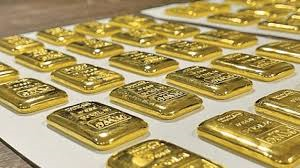
Current 1kg Gold Bar Price in Kenya
Price in Kenyan Shillings (KES) Today
| Gold Purity | Price Per Gram (KES) | 1kg Price (KES) | Market Range |
| 24K (999.9) | 17,500 – 18,800 | 17,500,000 – 18,800,000 | Premium bullion (export-ready) |
| 22K (916) | 16,000 – 17,200 | 16,000,000 – 17,200,000 | High-quality trade gold |
| 18K (750) | 13,000 – 14,500 | 13,000,000 – 14,500,000 | Jewelry-grade / mixed use |
Tip: Prices vary based on dealer credibility, assay certification, and transaction volume
Price in US Dollars (USD) Today
| Gold Purity | Price Per Gram (USD) | 1kg Price (USD) | Buyer Insight |
| 24K (999.9) | $135 – $145 | $135,000 – $145,000 | Best for investment & export |
| 22K (916) | $123 – $132 | $123,000 – $132,000 | Lower premium alternative |
| 18K (750) | $100 – $110 | $100,000 – $110,000 | Common in jewelry markets |
NOTE. Bulk buyers (5kg+) often negotiate better rates directly from certified suppliers.
Live Gold Rate Per Gram in Kenya (24K, 22K, 18K)
| Purity | Fineness | Live Rate (USD/g) | Live Rate (KES/g) | Best Use Case |
| 24K | 999.9 | $135+ | 17,500+ | Investment, export, reserves |
| 22K | 916 | $123+ | 16,000+ | Trading, resale |
| 18K | 750 | $100+ | 13,000+ | Jewelry manufacturing |
NOTE. Rates update daily based on global gold markets and USD/KES exchange fluctuations.
How the Price Is Calculated (Spot Price + Exchange Rate)
| Component | Description | Example (24K Gold) |
| Global Spot Price | International gold price per gram (LBMA benchmark) | ~$130/g |
| Exchange Rate (USD → KES) | Conversion into Kenyan Shillings | 1 USD ≈ 130 KES |
| Local Premium | Dealer margin, logistics, taxes | +$5 – $15/g |
| Final Price per Gram | Spot + premium | ~$135 – $145/g |
| 1kg Total Price | Final price × 1000 grams | ~$135,000 – $145,000 |
Formula:
Gold Price (KES) = Spot Price (USD) × Exchange Rate + Local Premium
Why This Matters for Buyers
- Helps you verify fair market value instantly
- Avoids overpriced deals and gold scams
- Ensures you buy assay-certified, export-ready gold
- Gives negotiation power when dealing with suppliers
Where to Buy a 1kg Gold Bar in Kenya
Buying a 1kg gold bar in Kenya requires more than just finding a seller—you need verified sources, proper documentation, and a clear understanding of the market structure. Below is a deep, client-focused breakdown of the safest and most effective buying channels, including tables for quick comparison and detailed explanations.
Licensed Gold Dealers in Nairobi
Nairobi is the main gold trading hub in Kenya, with access to gold sourced from Uganda, DRC, and Tanzania. The safest option is to work with licensed dealers, refineries, and registered exporters who provide full documentation.
| Dealer Type | What They Offer | Advantages | Risks | Best For |
| Licensed Exporters | 24K gold bars, export-ready | Full documentation, legal compliance | Slightly higher premiums | International buyers |
| Local Refineries | Refined gold bars (999.9) | Lower premiums, assay included | Limited public access | Bulk buyers |
| Registered Gold Traders | Raw & refined gold | Flexible pricing | Verification needed | Experienced buyers |
Key Insight:
Always request an assay certificate, export license, and company registration before making any payment. Trusted dealers will allow third-party verification and physical inspection in secure offices.
How to Buy Gold from Kenya’s Central Bank
Unlike some countries, the Central Bank of Kenya (CBK) does not directly sell gold bars to the public or retail investors. Its role is mainly regulatory and reserve management.
| Factor | Details |
| Availability | Not available for public purchase |
| Purpose | National reserves & monetary policy |
| Alternative | Licensed dealers & certified exporters |
| Verification Role | Helps regulate financial transactions |
What This Means for Buyers:
If someone claims they can sell you gold “from the Central Bank of Kenya,” that’s a major red flag. All legitimate purchases must go through private licensed entities.
Online Platforms That Sell Gold in Kenya
Digital platforms are increasingly being used to connect buyers with gold suppliers. However, this space requires extra caution.
| Platform Type | Examples | Advantages | Risks | Recommendation |
| Company Websites | Licensed exporters’ sites | Direct deals, transparent info | Must verify legitimacy | Best option |
| B2B Marketplaces | Alibaba, TradeKey | Wide supplier network | High scam risk | Use escrow only |
| Social Media | WhatsApp, Facebook | Quick communication | Very high fraud risk | Avoid large deals |
Pro Tip:
Only transact through platforms that support contracts, escrow services, and verifiable company profiles. Avoid sending money via informal channels like mobile transfers without documentation.
Avoiding Scams When Buying Gold in Kenya
Gold scams are common in East Africa, especially targeting international buyers. Protecting yourself is critical when purchasing high-value assets like a 1kg gold bar.
| Scam Type | How It Works | Warning Signs | How to Avoid |
| Fake Gold Dealers | Impersonate licensed companies | No office, no documents | Verify registration & location |
| No Assay Certificate | Sell low-purity gold as 24K | Refuse testing | Demand a certified assay report |
| Advance Fee Fraud | Ask for upfront “tax/permit” fees | Urgent payment requests | Use escrow or staged payments |
| Central Bank Scam | Claim CBK gold access | Unrealistic pricing | Ignore such offers |
Essential Buyer Checklist:
- Verify the seller’s business registration and export license
- Confirm gold purity with an independent assay test
- Use secure payment methods (escrow/bank transfer)
- Conduct transactions in official offices—not hotels
- Work with trusted companies like Buy Gold bars Kenya for safe sourcing
Final Buyer Insight
The safest way to buy a 1kg gold bar in Kenya is through licensed exporters or refineries in Nairobi, combined with proper due diligence and legal documentation. While online platforms can help you find deals, the real protection comes from verification, transparency, and structured transactions.
Gold Bar Prices by Weight in Kenya
Understanding gold prices by different weights helps buyers compare entry points, plan investments, and identify the best value for money. In Kenya, pricing scales directly with weight, but larger bars (like 1kg) usually come with lower premiums per gram, making them more cost-effective for serious investors.
1 Gram Gold Price in Kenya Today
As of today, the price of 1 gram of gold in Kenya starts from approximately KES 17,500+ ($135+) for 24K gold, with 22K averaging around KES 16,000+ ($123+) and 18K at KES 13,000+ ($100+).
This is the entry-level price point for gold buyers and is commonly used as the benchmark for calculating larger bar prices. However, buying in single grams often comes with higher premiums, especially in jewelry shops or small retail outlets.
Best for: small investors, first-time buyers, and price tracking.
10 Gram Gold Bar Price in Kenya
A 10-gram gold bar in Kenya typically costs around KES 175,000 – 188,000 ($1,350 – $1,450) for 24K gold, depending on dealer margins and certification.
At this level, buyers start to see slightly better pricing per gram compared to single grams, especially when purchasing from licensed dealers or refineries.
Best for: mid-level investors looking for a balance between affordability and value.
100 Gram Gold Bar Price in Kenya
The 100-gram gold bar price in Kenya ranges between KES 1,750,000 – 1,880,000 ($13,500 – $14,500) for 24K gold.
This category is popular among serious investors and traders, as it offers a much lower premium per gram and is easier to store and transport compared to bulk kilograms.
Best for: investors scaling up and gold resellers.
1kg vs 1 Troy Ounce — What’s the Difference?
The difference between a 1kg gold bar and a 1 troy ounce gold bar is mainly in weight, pricing, and investment strategy.
- A 1 kilogram (kg) equals 1,000 grams, making it a bulk investment option typically used by institutions, exporters, and high-net-worth buyers. It offers the lowest price per gram due to reduced premiums.
- A 1 troy ounce, on the other hand, equals 1035 grams and is the global standard unit used in international gold markets (like the London Bullion Market). Prices you see globally are usually quoted per ounce.
In Kenya, a 1 troy ounce of 24K gold would cost approximately KES 540,000+ ($4,200+), based on current per-gram rates.
Key Insight:
While ounces are ideal for tracking global prices and smaller investments, kilograms are better for maximizing value and reducing transaction costs when buying gold in bulk.
Smart Buyer Takeaway
If your goal is investment or export, going for 100g or 1kg gold bars in Kenya provides significantly better value than smaller units. However, always ensure you are buying 24K (999.9 purity) gold with a valid assay certificate to protect your investment.
Gold Purity Guide for Kenyan Buyers
Gold purity is one of the most important factors when buying gold in Kenya, especially for high-value purchases like 1kg gold bars. Purity determines the actual gold content, resale value, and export eligibility, so understanding the difference between 24K, 22K, and 18K is essential for making a safe and profitable investment.
What Is 24K Gold? (99.9 Purity)
24K gold (999 or 999.9 purity) is the purest form of gold available, containing 99.9% gold with minimal impurities. This is the standard used for investment-grade gold bars in Kenya and across global markets.
| Feature | Details |
| Purity Level | 99.9% (999/999.9) |
| Color | Bright, deep yellow |
| Use | Investment, bullion, central reserves |
| Resale Value | Highest |
| Export Acceptance | Fully accepted internationally |
Why it matters:
If you’re buying gold for investment or export from Kenya, 24K is the preferred choice because it aligns with LBMA standards and is easily tradable worldwide.
What Is 22K Gold? (91.6 Purity)
22K gold (916 purity) contains 91.6% gold, with the remaining 8.4% made up of metals like copper or silver to improve strength.
| Feature | Details |
| Purity Level | 91.6% (916) |
| Color | Slightly less bright than 24K |
| Use | Jewelry, some trading |
| Resale Value | High but lower than 24K |
| Export Acceptance | Accepted with assay verification |
Why it matters:
22K gold is more durable than 24K, making it common in jewelry markets in Kenya, but it’s less ideal for pure investment compared to 24K bullion.
What Is 18K Gold? (75.0 Purity)
18K gold (750 purity) contains 75% gold and 25% other metals, making it significantly stronger and more resistant to wear.
| Feature | Details |
| Purity Level | 75% (750) |
| Color | Lighter yellow or mixed tone |
| Use | Jewelry, ornaments |
| Resale Value | Moderate |
| Export Acceptance | Limited for bullion trade |
Why it matters:
18K gold is widely used in jewelry production but is generally not suitable for bullion investment or large-scale gold trading in Kenya.
Which Purity Is Best for Investment?
For buyers in Kenya, 24K gold (999.9 purity) is clearly the best option for investment. It offers the highest resale value, global acceptance, and lowest risk when exporting or liquidating assets.
| Purity | Liquidity | Best Use |
| 24K (999.9) | Very High | Investment, export |
| 22K (916) | High | Jewelry + partial investment |
| 18K (750) | Moderate | Jewelry only |
Note. If your goal is to buy a 1kg gold bar in Kenya, always choose 24K with a certified assay report. Lower purities may seem cheaper upfront, but they reduce your long-term value and market flexibility.
Gold Price History in Kenya
Tracking historical gold prices in Kenya helps buyers and investors understand market direction, timing opportunities, and pricing patterns. Because Kenya’s gold market is closely tied to global spot prices and the USD/KES exchange rate, both local and international factors shape daily price movements.
Gold Price Trend in Kenya (Last 30 Days)
Over the past 30 days, gold prices in Kenya have shown short-term volatility with an overall upward bias, driven by global demand and currency fluctuations.
| Metric | 24K Gold (USD/g) | 24K Gold (KES/g) | Trend Insight |
| Highest Price | $145 | 18,800 | Peak driven by global demand spike |
| Lowest Price | $130 | 17,000 | Dip during USD stabilization |
| Average Price | $137 | 17,800 | Stable trading range |
| Volatility Range | $15 | ~1,800 KES | Moderate fluctuations |
What this means:
Short-term buyers in Kenya often monitor daily price swings to enter at dips. Even small movements of $5–$10 per gram can significantly affect the total cost of a 1kg gold bar.
Gold Price in Kenya Over the Last Year
In the past 12 months, gold prices in Kenya have experienced a strong upward trend, reflecting global bullish sentiment and inflation hedging.
| Period | Avg Price (USD/g) | Avg Price (KES/g) | Annual Insight |
| 12 Months Ago | $105 | 14,000 | Lower entry point |
| 6 Months Ago | $120 | 16,000 | Gradual increase |
| Current Price | $135+ | 17,500+ | Strong growth |
| Annual Growth | +25% – 30% | +25% – 30% | Bullish market |
What this means:
Gold has remained a reliable store of value in Kenya, especially for investors protecting wealth against inflation and currency depreciation.
How Global Events Affect Gold Prices in Kenya
Gold prices in Kenya are heavily influenced by international economic and geopolitical events, since gold is traded globally in USD.
| Global Event | Impact on Gold Price | Effect in Kenya |
| Inflation (US/EU) | Prices rise | Higher local gold prices |
| Interest Rate Changes | Higher rates → lower gold demand | Temporary price drops |
| Geopolitical Tensions | Safe-haven demand increases | Price spikes |
| Central Bank Buying | Increased demand | Sustained upward trends |
Explanation:
When global uncertainty rises, investors move funds into gold as a safe-haven asset, pushing prices higher. In Kenya, this effect is often amplified due to currency exchange dynamics.
USD/KES Exchange Rate and Its Impact on Gold
The USD/KES exchange rate plays a critical role in determining gold prices in Kenya because gold is priced internationally in US dollars.
| Factor | Scenario | Impact on Gold Price in Kenya |
| Strong USD | USD gains vs KES | Gold becomes more expensive in KES |
| Weak KES | Local currency depreciates | Prices rise sharply in Kenya |
| Stable Exchange Rate | Minimal fluctuation | Predictable pricing |
| USD Drops | USD weakens globally | Gold may stabilize or drop slightly |
Example:
If gold is priced at $135 per gram and the exchange rate is 1 USD = 130 KES, the local price becomes KES 17,550 per gram. If the shilling weakens to 140 KES/USD, the same gold jumps to KES 18,900 per gram, even if the global price hasn’t changed.
Key Takeaway for Buyers
- Monitor both global gold prices (USD) and the USD/KES exchange rate
- Use historical trends to identify best buying windows
- Expect higher volatility during global economic uncertainty
- For bulk purchases (1kg+), timing the market can save thousands of dollars
Investing in Gold Bars in Kenya
Gold remains one of the most trusted wealth-preservation assets in Kenya, especially for investors looking to hedge against inflation, currency depreciation, and economic uncertainty. Whether you’re considering a 1kg gold bar or smaller units, understanding the investment landscape is key to making informed decisions.
Is Buying a 1kg Gold Bar a Good Investment in Kenya?
Buying a 1kg gold bar in Kenya is generally a strong investment for individuals or institutions with sufficient capital. It offers the lowest price per gram, meaning you pay smaller premiums compared to smaller bars or coins. This makes it ideal for long-term investors, exporters, and high-net-worth buyers.
However, it’s not the most flexible option. A 1kg bar requires a large upfront investment and is less liquid in small portions unless resold through a dealer. For maximum benefit, buyers should ensure the gold is 24K (999.9 purity) with a valid assay certificate, as this guarantees global acceptance and easier resale.
Gold Bars vs Gold Coins — Which Is Better?
Gold bars and gold coins serve similar purposes but differ in pricing, liquidity, and usability.
Gold bars, especially larger ones like 1kg are better for investment because they carry lower premiums and better bulk value. On the other hand, gold coins are easier to sell in smaller quantities and are more accessible for everyday investors.
In Kenya, serious investors tend to prefer gold bars for cost efficiency, while coins are favored by those who want flexibility and easier resale in smaller units.
Gold vs Real Estate vs Stocks in Kenya
Each investment option in Kenya has its strengths, but gold stands out for its stability and independence from local economic risks.
Gold is a safe-haven asset, maintaining value during inflation or currency depreciation. Real estate offers long-term growth and rental income but requires high capital, maintenance, and is less liquid. Stocks can deliver high returns but are more volatile and depend on market performance.
For Kenyan investors, gold is often used as a portfolio stabilizer, balancing risk from stocks and real estate while preserving wealth over time.
How to Store and Secure a Gold Bar in Kenya
Securing a 1kg gold bar is critical due to its high value. Investors in Kenya typically use bank safe deposit boxes, private vault services, or secure home safes.
Bank vaults provide the highest level of security and are ideal for long-term storage. Private vault companies offer insured storage with easier access. Home storage can work, but should only be considered if you have high-grade security systems in place.
It’s also important to keep all documentation (assay certificate, purchase receipts, export papers) safely stored, as these are essential for resale or verification.
Tax Implications of Buying Gold in Kenya
Gold investment in Kenya comes with specific tax considerations, especially for commercial transactions and exports.
Generally, investment-grade gold may be exempt from VAT under certain conditions, but this depends on how and where the gold is purchased. However, profits made from selling gold can be subject to capital gains tax (CGT).
For exporters and large-scale buyers, additional licensing, compliance fees, and export documentation costs may apply. It’s advisable to work with licensed dealers and tax professionals to ensure full compliance with Kenyan regulations.
Frequently Asked Questions
1. How much does 1kg of gold cost in Kenya today?
As of today, a 1kg 24K gold bar in Kenya costs approximately $135,000+ (KES 17.5M+), depending on global spot prices, USD/KES exchange rate, and dealer premiums.
- Where can I sell a gold bar in Kenya?
You can sell gold bars in Kenya through licensed gold dealers in Nairobi, certified refineries, or international export buyers, provided you have an assay certificate and proof of ownership.
- What is the price of gold per gram in Nairobi?
The price of 24K gold in Nairobi starts from around $135+ per gram (KES 17,500+), depending on market fluctuations and purity verification.
- Is it legal to buy and sell gold in Kenya?
Yes, it is legal to buy and sell gold in Kenya, but transactions must go through licensed dealers and comply with mining, tax, and export regulations.
- How do I verify the purity of a gold bar in Kenya?
Gold purity is verified using an assay certificate, acid testing, XRF scanning, or refinery certification, confirming whether it is 24K, 22K, or 18K.
- What is the safest way to buy gold in Kenya?
The safest way is to buy from licensed gold exporters or refineries in Nairobi and ensure the gold comes with full documentation and assay reports.
- Can foreigners buy gold in Kenya?
Yes, foreigners can legally buy gold in Kenya, but they must use registered dealers and follow export procedures for international shipment.
- What is the minimum amount of gold I can buy in Kenya?
You can start from as little as 1 gram, but most serious investors prefer 100g, 250g, or 1kg gold bars for better pricing.
- What is the difference between 24K, 22K, and 18K gold in Kenya?
24K gold is 99.9% pure and best for investment, 22K is slightly mixed for durability, and 18K is mainly used for jewelry due to higher alloy content.
- Why is gold cheaper in Kenya compared to other countries?
Gold in Kenya can appear cheaper due to direct sourcing from East African mines and lower refinery margins, but prices still follow global market rates.
- How is gold price calculated in Kenya?
Gold price is calculated using global spot price + USD/KES exchange rate + local dealer premium + certification costs.
- Can I export gold from Kenya?
Yes, gold can be exported from Kenya, but you must obtain a gold export license, assay certification, and customs clearance documents.
- What documents are required to buy gold in Kenya?
You typically need an ID or passport, a purchase agreement, an invoice, and an assay certificate for legal and secure transactions.
- Is gold a good investment in Kenya?
Yes, gold is considered a safe-haven investment in Kenya, protecting wealth against inflation, currency depreciation, and economic instability.
- How do I avoid gold scams in Kenya?
Avoid scams by dealing only with verified dealers, avoiding cash-only deals without receipts, and always requesting assay certificates and legal documentation.