Live Gold Price in Africa Today | 24K, 22K & 18K Rates by Country
As of 2026, the current gold price in Africa is approximately $135.82 per gram and about $4,224 per ounce (USD), based on the global spot market. Because gold is traded internationally, prices across African countries such as Ghana, Uganda, Kenya, and South Africa are directly linked to this global benchmark, then adjusted using local exchange rates, taxes, and dealer premiums. For instance, in Ghana, this translates to roughly 2,200 – 2,400 GHS per gram, depending on currency fluctuations. This means that while the base price remains consistent worldwide, the final price buyers pay in Africa can vary slightly by location and market conditions.
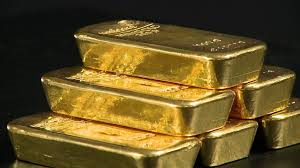
Current Gold Rates Across Major African Hubs
As of 2026, gold prices across Africa are anchored to the global spot price of approximately $135 per gram (24K). However, actual market prices vary slightly across key trading hubs due to exchange rates, import duties, local demand, and dealer premiums. Below is a snapshot of gold rates across 8 major African gold markets:
| Country | Price per Gram (24K) | Price per Ounce (USD) | Local Currency Estimate | Market Insight |
| Ghana | $135 – $145 | $4,200 – $4,500 | 2,200 – 2,400 GHS | Top producer, strong local demand |
| Uganda | $135 – $148 | $4,200 – $4,600 | 500,000 – 550,000 UGX | Export-driven pricing (Congo supply) |
| Kenya | $136 – $150 | $4,250 – $4,650 | 18,000 – 20,500 KES | Higher dealer premiums in Nairobi |
| Tanzania | $135 – $147 | $4,200 – $4,550 | 350,000 – 380,000 TZS | Mining hub with stable supply |
| South Africa | $134 – $146 | $4,180 – $4,520 | 2,500 – 2,700 ZAR | Mature, regulated gold market |
| Nigeria | $137 – $152 | $4,300 – $4,700 | 170,000 – 190,000 NGN | Currency volatility impacts pricing |
| DR Congo | $133 – $145 | $4,150 – $4,500 | Dollar-based trade | Source market (lower premiums) |
| Ethiopia | $136 – $149 | $4,250 – $4,600 | 7,500 – 8,200 ETB | Growing gold investment demand |
Key Insight for Buyers and Investors
Across Africa, gold prices typically start from around $135 per gram, but the final purchase price depends on:
- Local currency exchange rates
- Dealer markups (1% – 5%)
- Transportation and export costs
- Government taxes and licensing fees
This variation creates arbitrage opportunities, where buyers source gold from lower-premium markets like DR Congo or Tanzania and export to higher-value markets.
24K vs 22K vs 18K Gold Prices in Africa (2026 Guide)
Gold prices in Africa vary mainly because of purity levels, which determine how much actual gold is contained in each gram. While the global base price starts at around $135 per gram, the final price depends on whether the gold is 24K, 22K, or 18K.
Understanding Gold Purity Differences
- 24K Gold is considered pure gold (99.9%) and is the highest value form used mainly for investment and bullion trading.
- 22K Gold contains about 91.6% gold mixed with small amounts of other metals, making it popular for jewelry while still retaining strong value.
- 18K Gold contains 75% gold and more alloy metals, making it stronger and more affordable but lower in investment value.
Gold Price Comparison by Purity (Africa Market – 2026)
| Purity | Gold Content | Price per Gram (USD) | Best Use | Market Insight |
| 24K Gold | 99.9% pure | $135.82 | Investment, bullion bars | Highest value, closest to global spot price premium |
| 22K Gold | 91.6% pure | $129.15 | Jewelry, ornaments | Slightly lower value due to alloy mixing |
| 18K Gold | 75% pure | $113 | Fashion jewelry | More durable but lower gold content |
Key Difference Between 24K, 22K, and 18K Gold
The main difference lies in purity and investment value. While 24K gold gives the highest return and is preferred by investors and exporters, 22K and 18K gold are more commonly used in jewelry markets where durability and design flexibility are important. As purity decreases, the gold content reduces, which directly lowers the price per gram in African markets.
Why Gold Prices Are Rising in Africa 2026
Gold’s rise to historic highs in 2026 isn’t random it’s being driven by a combination of global economic pressure, central bank strategies, and geopolitical uncertainty. Understanding these forces helps buyers and investors across Africa make smarter decisions.
Global Inflation and Currency Weakness
One of the biggest drivers is persistent global inflation. Even as some economies attempt to stabilize, the cost of goods, energy, and services remains elevated. This weakens the purchasing power of major currencies like the US dollar, euro, and many African currencies.
Gold, by contrast, is seen as a store of value, so investors move their money into gold to preserve wealth. This increased demand pushes prices higher globally, which directly impacts African markets.
Central Bank Gold Accumulation (Africa Leading the Trend)
Central banks are now among the largest buyers of gold in the world, and Africa is playing a key role. A strong example is the Bank of Ghana’s “Gold for Oil” program, where gold is used to stabilize fuel imports and reduce reliance on foreign currency reserves.
Across the continent:
- Governments are increasing gold reserves to protect against currency volatility
- Local gold purchasing programs are tightening supply in domestic markets
- Institutional demand is rising, competing directly with private buyers
This creates a supply squeeze, especially in gold-producing countries like Ghana, Tanzania, and Uganda.
Geopolitical Uncertainty and Safe-Haven Demand
Ongoing geopolitical tensions, trade disputes, regional conflicts, and shifting global alliances are pushing investors toward safer assets. Gold has historically been the #1 safe-haven asset, especially during uncertain times.
In 2026:
- Investors are reducing exposure to volatile stock markets
- There is increased demand for physical gold (bars and bullion)
- Cross-border gold trade is expanding as buyers seek secure assets
This global demand surge feeds directly into African supply chains, raising local prices.
Supply Constraints from Mining and Exports
While demand is rising, supply is not increasing at the same pace. Many African gold-producing regions face:
- Regulatory tightening and export controls
- Increased costs of mining operations
- Informal sector limitations affecting output consistency
As a result, limited supply +rising demand = higher prices, especially in key hubs like DR Congo, Ghana, and Uganda.
What This Means for Buyers in Africa
Gold prices starting from $135 per gram in 2026 are likely to remain strong or even increase further. For buyers:
- Early purchasing can reduce exposure to future price spikes
- Sourcing from low-premium markets becomes more important
- Working with trusted, licensed dealers is critical for security and compliance
Top Gold-Producing Countries in Africa (2026)
Africa remains one of the world’s richest gold-producing regions, with several countries leading global supply. Local production plays a major role in determining gold availability, dealer premiums, and final buying prices within each market. Generally, countries with higher production tend to offer more competitive (lower) prices, especially when buying closer to the source.
Leading Gold-Producing Countries
- Ghana – Africa’s largest gold producer
Strong mining infrastructure and government-backed programs keep supply steady, often resulting in competitive local prices, though demand is also high. - South Africa – Historic global gold leader
Highly regulated market with advanced refining, but higher operational costs can slightly increase local prices. - Mali – Fast-growing gold producer
Large-scale mining operations make Mali a key low-premium sourcing hub in West Africa. - Burkina Faso – Major West African exporter
High production levels contribute to good availability, though security concerns can affect pricing stability. - Tanzania – Stable East African producer
Strong mining sector and export systems help maintain consistent pricing with moderate premiums. - Democratic Republic of Congo (DRC) – Resource-rich supplier
A major source of raw gold with lower base prices, especially in wholesale and export markets. - Sudan – One of Africa’s top gold producers
A large artisanal mining sector increases supply, often leading to competitive local rates, though the market structure can be informal. - Guinea – Growing gold mining hub
Increasing foreign investment is boosting output, helping stabilize local supply and pricing. - Zimbabwe – Important Southern African producer
High gold output, but currency instability can significantly impact local gold prices. - Ethiopia – Emerging gold market
Smaller production compared to leaders, but growing investment is improving availability and price competitiveness.
How Local Production Affects Gold Prices in Africa
- High Production = Lower Premiums: Countries like Ghana, Mali, and DRC often offer better prices due to strong supply.
- Low Production = Higher Prices: Countries that rely on imports may have higher costs due to logistics and taxes.
- Export Demand: Even in high-producing countries, strong international demand can push prices up locally.
- Regulation & Taxes: Government policies, royalties, and export controls directly influence final buyer prices.
Factors Influencing Gold Prices in the African Market
Gold prices across Africa don’t just follow the global spot price—local economic conditions, government policies, and supply dynamics shape the. Understanding these factors helps buyers know why prices differ from one country to another.
USD Exchange Rates and Currency Fluctuations
Gold is traded globally in US dollars (USD), so exchange rates play a major role in African markets. When local currencies weaken against the dollar:
- Gold becomes more expensive in local currency (e.g., UGX, GHS, KES)
- Dealers adjust prices daily based on forex movements
- Buyers may pay higher prices even if the global price stays the same
For example, a stable global price of $135 per gram can translate into rising local prices if currencies like the Ghanaian Cedi or Nigerian Naira depreciate.
Artisanal Mining (Galamsey) Regulations
In countries like Ghana, artisanal and small-scale mining (often called galamsey) contributes significantly to gold supply. Government regulations on this sector directly affect pricing:
- Stricter regulations or bans reduce supply → prices increase
- Formalization and licensing improve market transparency but may raise compliance costs
- Crackdowns on illegal mining can temporarily tighten supply in local markets
Because a large portion of gold in Africa comes from small-scale miners, policy changes can quickly impact availability and pricing.
Export Duties, Taxes, and Licensing Costs
Gold export policies vary widely across African countries and directly influence final buyer prices:
- Export duties and royalties increase the cost of gold leaving the country
- Licensing requirements add administrative and operational costs for dealers
- Some countries impose value-added taxes (VAT) or withholding taxes on transactions
These costs are often passed on to buyers, especially in international deals (e.g., CIF exports to Dubai or Hong Kong).
Supply Chain and Dealer Premiums
Beyond regulations, the structure of the gold supply chain also matters:
- Middlemen and brokers can add 1% – 5% premiums
- Buying directly from refineries or licensed exporters often reduces costs
- Transport, insurance, and security fees affect final pricing
Key Insight for Buyers
Even though gold may start at around $135 per gram globally, the actual price in Africa depends on exchange rates, mining regulations, and export costs. This is why smart buyers focus on:
- Monitoring currency trends
- Sourcing from regulated, high-supply markets
- Working with trusted, licensed exporters
How to Safely Buy Gold in Africa (Verified Dealers & Refineries)
Buying gold in Africa is safe and profitable when you use licensed refineries and government-approved dealers. The table below highlights trusted institutions and exporters across major African gold hubs to help you avoid fraud and ensure compliance.
Verified Gold Refineries & Government-Approved Dealers in Africa
| Region | Country | Verified Refineries / Dealers | Role in Gold Trade | Buyer Advantage |
| West Africa | Ghana | PMMC (Precious Minerals Marketing Company) | Government gold regulator & exporter | Ensures legal sourcing & export approval |
| West Africa | Ghana | Bank of Ghana – Gold Board (Goldbod program) | National gold reserve & purchasing scheme | Stable pricing & official transactions |
| West Africa | Ghana | Licensed exporters (e.g., Gold Buyers Africa) | Private export facilitation | Fast export processing & global shipping |
| West Africa | Mali | Licensed Mining Cooperatives & Export Houses | Artisanal & industrial gold aggregation | Competitive pricing from high supply zones |
| East Africa | Uganda | African Gold Refinery (AGR) | Large-scale refining & export | Internationally recognized purity standards |
| East Africa | Uganda | Bank of Uganda licensed exporters | Regulated gold export control | Full compliance documentation |
| East Africa | Tanzania | Tanzania Minerals Commission-approved dealers | Mining regulation & export licensing | Stable supply and legal exports |
| East Africa | Kenya | Licensed bullion dealers & banks | Retail gold investment market | Secure banking-backed transactions |
| Southern Africa | South Africa | Rand Refinery | One of the world’s largest refiners | Globally trusted bullion certification |
| Southern Africa | Zimbabwe | Fidelity Gold Refinery | Government-controlled buyer & refiner | Direct access to the official gold supply |
| Central Africa | DR Congo | Ministry of Mines licensed exporters | Export regulation & mining oversight | Lower base prices from source markets |
Step-by-Step Process to Safely Buy Gold in Africa (Buyer Guide)
Buying gold in Africa should always be done through a clear, verified process that protects you from fraud and ensures you receive genuine, export-ready gold. First, you should carefully identify a licensed and government-approved dealer or refinery, confirming that the company is legally registered and authorized to trade or export gold. Once a trusted seller is found, you should request full details of the gold, including its purity (24K or 999.9), weight, and current market price per gram, along with a sample of the assay certificate for transparency.
After this, it is important to verify all supporting documents, such as the assay certificate, certificate of origin, and export license, because these confirm that the gold is legally sourced and can be traded internationally. You should then agree on the final price and payment terms, ensuring everything is clearly stated in writing, including whether the price includes taxes, shipping, or export fees, and always prefer secure payment methods like bank transfers or escrow services.
Before completing the transaction, a physical inspection or third-party verification should be conducted, especially for large purchases, to confirm the authenticity and purity of the gold. Once everything is verified, payment should be made securely, and a signed sales agreement or invoice should be obtained immediately as proof of purchase.
Finally, depending on your purpose, you can either store the gold in a secure vault or arrange for export through a licensed logistics provider, ensuring that insurance and legal compliance are fully in place. By following this structured process, buyers can safely invest in African gold while minimizing risks and ensuring full legal and financial protection.
Gold Prices by Purity (Starting from $135/Gram Base Market)
Gold prices in Africa are directly linked to the global spot rate, which starts at around $135 per gram. However, the final price increases depending on purity level, since higher purity contains more actual gold content.
Price by Purity
| Purity Level | Description | Price per Gram (USD) | Buyer Insight |
| 24K (Pure Gold) | 99.9% pure investment-grade gold | $135.82 | Highest value, preferred for bullion, trading, and investment |
| 22K (Jewelry Grade) | 91.6% pure gold mixed with alloys | $129.15 | Common in jewelry markets, balanced purity and durability |
| 18K (Mixed Gold) | 75% gold with stronger metals | $113.86 | Lower gold content, mainly used for durable jewelry |
Key Market Insight
The Africa benchmark starts at $135 per gram, but:
- Higher purity (24K) increases value significantly
- Lower purity (18K–22K) reduces gold content and price
- Local African prices may vary due to exchange rates, taxes, and dealer premiums
Gold Price Trends in Africa (2020–2026)
Gold prices in Africa have shown a strong long-term upward trend from 2020 to 2026, mainly driven by global inflation, currency fluctuations, and rising demand from central banks and private investors. Because African markets are tied to the international spot price, these global shifts directly influence local pricing across countries like Ghana, Uganda, Kenya, and South Africa.
Historical Gold Price Trend (Per Gram – USD Estimate)
| Year | Average Price per Gram (USD) | Market Trend | Key Drivers |
| 2020 | ~$57 – $62 | Rapid increase | COVID-19 uncertainty, global economic shock |
| 2021 | ~$58 – $60 | Stable high | Recovery phase, strong safe-haven demand |
| 2022 | ~$60 – $65 | Gradual rise | Inflation concerns, currency volatility |
| 2023 | ~$62 – $68 | Steady growth | Central bank gold buying increases |
| 2024 | ~$70 – $85 | Strong upward trend | Persistent inflation, geopolitical tensions |
| 2025 | ~$95 – $120 | Sharp increase | Weak currencies, rising investment demand |
| 2026 | ~$135+ | Historic high | Global uncertainty, reserve accumulation, supply pressure |
Key Insight: Are Gold Prices Rising or Falling?
From 2020 to 2026, gold prices in Africa have been consistently rising, with the most significant acceleration occurring after 2023. The market has moved from below $60 per gram in 2020 to around $135+ per gram in 2026, more than doubling in value over six years.
This upward trend is mainly driven by:
- Increasing global inflation and currency devaluation
- Strong central bank gold accumulation (especially in emerging economies)
- Rising geopolitical uncertainty and investor demand for safe assets
- Limited mining supply growth compared to demand
What This Means for Buyers in Africa
- Gold is becoming more expensive year after year
- Early investment typically offers better long-term value
- Local African prices move even faster due to exchange rate changes
- Demand for physical gold (bars and nuggets) continues to grow
Is Gold Cheaper in Africa Compared to Dubai & the USA?
Gold prices differ across regions mainly due to where the gold is sourced, taxation policies, and retail markups. Africa is often a source region, while Dubai and the USA function more as trading and retail hubs, which affects final pricing for buyers.
Gold Price Comparison: Africa vs Dubai vs USA
| Location | Price Level | Typical Price per Gram (USD) | Reason for Price Level |
| Africa | Lower | $135 – $145 | Africa is a source market, meaning gold is mined locally, reducing import and transport costs. However, prices can vary due to exchange rates and local regulations. |
| Dubai (UAE) | Medium | $138 – $150 | Dubai benefits from low taxes and strong trade infrastructure, but includes refining, logistics, and dealer premiums, making it slightly higher than African source markets. |
| USA | Higher | $145 – $165+ | The USA is a retail-driven market, where gold includes import costs, dealer markups, and financial market premiums, resulting in higher consumer prices. |
Key Insight for Buyers
- Africa offers the most competitive pricing because it is a primary production and export region
- Dubai is a global trading hub with efficient logistics, but it includes processing and dealer margins
- The USA has the highest prices due to retail structure and import-related costs
Final Understanding
While the global base price of gold remains similar worldwide, Africa generally offers the lowest entry price, making it attractive for investors and bulk buyers. However, safe purchasing depends on working with verified dealers, refineries, and licensed exporters in each region.
Live Gold Price Chart (Daily, Weekly, Monthly Overview)
Gold prices in Africa and global markets move continuously, influenced by inflation data, currency strength, geopolitical events, and central bank demand. To understand these movements clearly, investors usually analyze short-term (daily/weekly) and long-term (monthly/yearly) trends.
Gold Price Movement Overview (2026)
| Time Frame | Trend Type | Price Behavior | What It Means |
| Daily | Short-term volatility | Small fluctuations ($1–$5 per gram changes) | Driven by news, forex movements, and market speculation |
| Weekly | Moderate trend shifts | Noticeable upward or downward movement | Reflects investor sentiment and global economic data releases |
| Monthly | Stable trend direction | Clear trend formation (bullish or corrective) | Shows true market direction and investment opportunity |
Short-Term vs Long-Term Trend Analysis
Short-term trends (Daily & Weekly):
Gold prices often move in small cycles due to market reactions, currency changes, and trading activity. These movements are useful for traders and short-term buyers who track entry points.
Long-term trends (Monthly & Yearly):
Long-term charts show a consistent upward trajectory in gold prices from 2020 to 2026, driven by inflation, central bank purchases, and global economic uncertainty. This makes gold a strong wealth preservation asset for long-term investors.
What a Live Gold Chart Shows
A live gold price chart typically displays:
- Real-time price per gram or ounce
- Daily high and low price range
- Weekly trend direction (bullish or bearish)
- Monthly performance comparison
- Market volatility spikes during global events
FAQs About Gold Prices in Africa Today (2026 Guide)
These frequently asked questions help clarify how gold pricing works across African markets and answer common buyer and investor concerns. The answers are designed to improve understanding, trust, and search visibility.
-
What is the current gold price in Africa today?
The current gold price in Africa is approximately $135 per gram (24K) as of 2026. However, final prices vary slightly by country depending on exchange rates, taxes, and dealer premiums.
-
Why does the gold price change in African countries?
Gold prices change because they are linked to the global spot market but adjusted for local currency exchange rates, import/export costs, and government regulations, which differ across countries like Ghana, Kenya, and Uganda.
-
Is gold cheaper in Africa compared to Dubai or the USA?
Yes, in most cases. Africa is a source market, so prices are generally lower than in Dubai or the USA, where additional refining, logistics, and retail markups increase the final cost.
-
Which African country has the lowest gold prices?
Countries like DR Congo, Mali, and Tanzania often offer lower prices because they are close to mining sources, which reduces transportation and import costs.
-
Why is 24K gold more expensive than 22K and 18K?
24K gold is 99.9% pure, meaning it contains almost no alloy metals. In contrast, 22K and 18K contain mixed metals, which lowers their gold content and overall value.
-
What affects gold prices in Africa the most?
The main factors include:
- USD exchange rates
- Global gold demand
- Central bank purchases
- Mining output and regulations
- Export taxes and licensing fees
-
Is gold in Africa a good investment in 2026?
Yes. Gold is considered a safe-haven asset, and with rising global uncertainty and inflation, African gold remains a strong long-term investment option.
-
How do I verify real gold in Africa?
You should always request:
- Assay certificate (purity proof)
- Certificate of origin
- Export license (for international trade)
- Verification from a licensed refinery or dealer
-
What is the difference between spot price and local price?
The spot price is the global base price (around $135/gram), while the local price includes exchange rate adjustments, taxes, and dealer margins in each African country.
-
Why do gold prices in Africa change daily?
Prices change daily due to currency fluctuations, global trading activity, and market news, especially when the US dollar strengthens or weakens.
-
Can foreigners buy gold in Africa?
Yes, foreigners can legally buy gold in many African countries, but they must work with licensed dealers and follow export regulations to ensure compliance.
-
What is the safest way to buy gold in Africa?
The safest method is to buy through:
- Government-approved dealers
- Licensed refineries
- Verified exporters with full documentation
-
Does gold purity affect resale value?
Yes. Higher purity gold (24K) has the highest resale value, while lower purity gold (22K, 18K) is mainly used for jewelry and may sell for less.
-
Why is African gold important in the global market?
Africa is one of the world’s largest gold-producing regions, supplying major markets like Dubai, China, and Europe, which makes it highly influential in global pricing.
-
Will gold prices continue to rise?
Most long-term forecasts suggest continued upward pressure on gold prices, driven by inflation, currency instability, and increasing demand from central banks and investors.