
Best Country to Buy 24K Gold in Africa| 2026 Price & Safety Guide
When it comes to buying 24K gold in Africa, choosing the right country is essential for securing quality, legality, and value. The ideal destination depends on what you prioritize: price, safety, tax efficiency, regulatory compliance, or long-term investment security. For buyers seeking the lowest wholesale prices, Uganda is widely recognized for its competitive rates and emerging gold supply.
If market safety and regulation are your primary concerns, Ghana stands out with its transparent gold trading framework and secure buying environment. For exporters looking for tax-friendly structures, Uganda and Tanzania offer low royalties and VAT exemptions on gold exports. Meanwhile, investors focused on stability and long-term returns often prefer Ghana due to its strong regulatory oversight and large-scale mining operations. Overall, Ghana provides the best balance of safety, supply, and credibility, making it a top choice for serious buyers.
Africa produces over 1,000 tons of gold annually, positioning it as one of the world’s most significant gold-producing regions. For investors and traders purchasing 24K gold bars, ranging from 1kg, 500g, to 100g, understanding price trends, legal documentation, and export regulations is critical. This comprehensive guide is designed to provide experienced insights, verified information, and practical tips to help buyers make safe, legal, and profitable gold purchases across Africa.
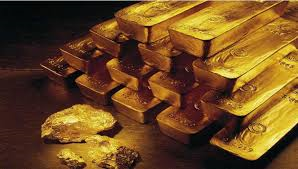
Why Africa Is a Global Gold Powerhouse
1. Vast Gold Reserves
Africa is home to some of the largest gold deposits in the world. Countries like South Africa, Ghana, Mali, and Tanzania have historically produced millions of ounces of gold annually. These reserves make Africa a major contributor to the global gold supply.
2. Established Mining Industry
Many African countries have decades of mining experience. South Africa’s gold mining history spans over a century, and Ghana, Mali, and Burkina Faso have well-developed mining sectors. This expertise ensures efficient gold extraction and production.
3. Cost-Effective Production
Labor and operational costs in Africa are generally lower than in Europe or North America. This allows mining companies to produce gold at competitive rates, attracting foreign investment and making African gold globally appealing.
4. Diverse Gold-Producing Regions
Gold is found across multiple regions in Africa, not concentrated in one area. West Africa (Ghana, Mali), East Africa (Tanzania, Uganda), and Southern Africa (South Africa, Zimbabwe) all contribute to the continent’s output, reducing risk for global supply chains.
5. Growing Role in Global Gold Trade
Africa isn’t just a gold producer; it’s increasingly a gold exporter and trading hub. Countries like South Africa and Ghana supply gold to markets in Europe, Asia, and the Middle East, reinforcing Africa’s strategic importance in the global gold economy.
What Makes a Country “Best” for Buying 24K Gold in Africa?
Here’s a clear, structured explanation of what makes a country the “best” place to buy 24K gold in Africa:
1. Gold Purity & Quality Assurance
The best countries for buying 24K gold have strict regulations and reliable testing standards to ensure buyers get pure gold. Look for countries with licensed refineries and dealers who provide certification for each purchase.
2. Transparent Pricing
A top gold-buying country offers clear, real-time pricing based on global gold rates, with minimal hidden fees. Transparency protects buyers from overpaying and ensures fair market transactions.
3. Well-Regulated Gold Market
Countries with strong regulatory frameworks ensure that all gold transactions are legal, safe, and protected. Licensing, export approvals, and compliance with local mining laws give buyers confidence.
4. Availability of Trusted Dealers
The presence of multiple licensed and reputable gold dealers is crucial. Countries with established networks of trustworthy sellers make it easier for buyers to compare prices, check authenticity, and avoid fraud.
5. Ease of Export & Logistics
The best gold-buying countries have streamlined export procedures for international buyers. Efficient documentation, clear customs policies, and secure transport options make it convenient to buy and ship gold.
6. Market Accessibility
Countries with well-developed gold markets, like physical gold markets, online platforms, or gold souks, make it easy for both locals and foreigners to buy gold. Accessibility increases competition, often leading to better prices.
7. Economic & Political Stability
Gold buyers prefer countries with stable economies and political systems. Stability reduces risks like sudden policy changes, currency fluctuations, or supply interruptions, ensuring a safe investment environment.
Best Country to Buy 24K Gold in Africa
Buying 24K gold in Africa varies by country due to local production costs, taxes, and demand. Here’s a snapshot of some of the most affordable countries for 24K gold:
| Country | Price per Gram (USD) | Notes |
| Ghana | $95 – $105 | High gold production; well-regulated markets; licensed dealers available. |
| Mali | $98 – $108 | West African gold hub; low production costs; reliable purity certification. |
| Uganda | $100 – $112 | Growing mining industry; multiple licensed dealers; competitive pricing. |
| Tanzania | $102 – $115 | Large gold reserves; export-friendly policies; transparent pricing. |
| South Africa | $110 – $120 | Historically largest producer; high-quality gold; slightly higher taxes. |
| Zimbabwe | $118 – $125 | Smaller market; higher price due to limited supply and inflation factors. |
| Kenya | $125 – $130 | Emerging market; good dealer network; slightly higher costs than West Africa. |
Note
- West Africa dominates the lowest-price range – Ghana and Mali are ideal for cost-conscious buyers.
- East Africa is competitive – Uganda and Tanzania offer good quality and moderate prices.
- Southern Africa has premium pricing – South Africa and Zimbabwe provide high-quality gold, but at slightly higher rates.
- Always check dealer certification and purity – Even in cheaper countries, verifying authenticity is crucial.
Safest Countries to Buy Gold in Africa
- Kenya – Safety & Regulations
- Regulatory Oversight: Kenya has a growing gold market regulated by the Ministry of Mines and Petroleum. Licensed dealers are required to follow strict trading laws.
- Buyer Safety: Reputable dealers provide certification and allow buyers to test gold purity on-site.
- Export-Friendly: With the proper gold export license, international buyers can safely transport gold.
Why Safe: Legal frameworks, growing number of certified dealers, and clear export procedures make Kenya a reliable choice for buying gold.
- Uganda – Trust & Transparency
- Regulatory Oversight: The Uganda Ministry of Energy and Mineral Development oversees gold trade, issuing licenses to dealers and exporters.
- Buyer Safety: Many dealers provide full documentation and certificates of authenticity. Witnessing smelting or testing is common practice.
- Export-Friendly: Uganda offers secure channels for international gold buyers, including certified logistics providers.
Why Safe: Uganda’s combination of licensed dealers, government oversight, and transparency reduces risk for both domestic and international buyers.
- Ghana – Established Market
- Regulatory Oversight: Ghana’s gold industry is well-regulated through the Minerals Commission, ensuring all dealers are licensed.
- Buyer Safety: High standards for purity testing; buyers can request assay certificates.
- Export-Friendly: Ghana has a long history of gold export, providing secure processes for shipping gold internationally.
Why Safe: Ghana’s mature gold industry and robust legal framework make it one of the safest destinations for gold purchases in Africa.
- South Africa – High-Quality Assurance
- Regulatory Oversight: South Africa has strict mining and trading laws regulated by the Department of Mineral Resources. Dealers are required to be licensed and adhere to stringent quality standards.
- Buyer Safety: Most gold is refined in reputable refineries; buyers can get certified bars and coins.
- Export-Friendly: Advanced logistics, professional security, and global trading infrastructure make export safe.
Why Safe: South Africa’s highly developed market, trusted refineries, and international trade experience make it a secure choice for buying gold.
Note
- Top Picks for Safety: Ghana and South Africa are ideal for buyers who prioritize mature markets and regulatory strength.
- Balanced Options: Kenya and Uganda offer competitive pricing with safe trading practices if you verify dealers and licenses.
- Tip: Always check for licensed dealers, certified gold, and proper export documentation, no matter the country.
Higher-Risk but Active Markets
General Features of Higher-Risk but Active African Gold Markets
- High price volatility: Rapid fluctuations due to political or economic instability.
- Active ASM presence: Most of these markets rely heavily on artisanal miners.
- Regulatory uncertainty: Export and licensing laws change frequently.
- Smuggling risks: Border areas often see unofficial trade.
- Opportunity: Prices can be lower than formal markets if sourcing legally, and volume is usually significant.
Table: Higher-Risk but Active Gold Markets in Africa
| Country | Activity Level | Key Risks | Key Opportunity | Key Tip |
| DRC | Very High | Conflict, illegal mining | Large raw gold supply | Verify licenses, full documentation |
| Sudan | High | Sanctions, instability | Lower prices | Work with licensed dealers |
| Guinea | Moderate-High | Political unrest, corruption | Competitive prices | Verify export licenses |
| Mali | High | Security risks, smuggling | Well-established exports | Licensed exporters only |
| Ethiopia | Growing | Regional conflicts, informal markets | Early entry potential | Licensed suppliers, gov verification |
| Zimbabwe | High | Economic instability, export controls | Large volumes | Government-approved contracts |
Countries with Lowest Taxes on Gold in Africa
Absolutely! Here’s a draft table of African countries with some of the lowest taxes on gold, focusing on import/export duties, VAT, and capital gains, which is useful for buyers and investors looking to maximize profits. I’ll include approximate rates and notes for clarity.
Table: African Countries with Lowest Taxes on Gold (2026)
| Country | Gold Tax Type | Approx. Rate / Policy | Notes / Advantages |
| South Africa | Mining & Export | 0–5% export tax; VAT 15% on jewelry | Well-regulated market; high transparency, easy to export bullion. |
| Ghana | Mining & Export | 5% royalty on mined gold; VAT 0% on raw gold exports | Active formal gold market; the government encourages formal exports. |
| Uganda | Mining & Export | 3% royalty; VAT 0% on gold exports | Growing gold market; low cost for legal exporters. |
| Tanzania | Mining & Export | 4% royalty; VAT 0% on gold bars exports | Competitive for buyers; large ASM sector. |
| Mali | Mining & Export | 3%–5% royalty; VAT 0% on gold exports | Low taxes, but higher security risks. |
| Zimbabwe | Mining & Export | 3%–5% royalty; mandatory sale to Reserve Bank | Low taxes, but strict government control. |
| DRC | Mining & Export | 2.5%–3% royalty; VAT 0% on exports | Very active market; riskier but low tax burden. |
| Senegal | Mining & Export | 3% royalty; VAT 0% | Small but growing gold industry; investor-friendly policies. |
Note
- Low royalty rates (2–5%) are common in West and East African gold-exporting countries.
- VAT exemptions on exported gold bars are common, especially in Uganda, Ghana, and Tanzania.
- Government policies differ for artisanal vs industrial gold; formal licensing often ensures tax benefits.
- Risk vs reward: Lower taxes often come with higher operational or political risk (e.g., DRC, Mali).
Best Countries for Gold Investment in Africa
Here’s a detailed breakdown of the best African countries for gold investment in 2026, considering factors like market stability, regulatory environment, mining output, export ease, and tax rates:
Table: Best Countries for Gold Investment in Africa (2026)
| Country | Why It’s Good for Investment | Gold Production | Regulatory / Tax Environment | Investment Notes |
| South Africa | Highly regulated, large-scale mines, transparent market | ~90–100 tons/year | Low export taxes (0–5%), VAT 15% on jewelry | Best for institutional investors; large mining infrastructure; high liquidity. |
| Ghana | Political stability, supportive mining laws, strong export framework | ~130–150 tons/year | 5% royalty; VAT 0% on raw gold exports | Formal market with reliable exporters; strong ASM formalization. |
| Uganda | Emerging but fast-growing gold market, with low taxes | ~30–40 tons/year | 3% royalty; VAT 0% | Good for early-entry investors, rising production, and friendly export laws. |
| Tanzania | Large ASM and industrial mines, strong export channels | 50–55 tons/year | 4% royalty; VAT 0% on gold bars | Growing investment-friendly market; low tax burden; needs due diligence on the supplier. |
| Mali | Low taxes, active artisanal mining sector | 70 tons/year | 3–5% royalty; VAT 0% | High production, but moderate political/security risk; profitable if sourcing legally. |
| DRC | Very high raw gold output, low royalties | 25–30 tons/year | 2.5–3% royalty; VAT 0% | High-risk market; requires verification of origin and legal documentation. |
| Zimbabwe | Large reserves, low royalties | 25–30 tons/year | 3–5% royalty; mandatory sale to Reserve Bank | Government controls can slow transactions; profitable for licensed investors. |
| Sudan | Growing gold production, low local taxes | 20–25 tons/year | Minimal export taxes; government-approved exports only | High-risk due to political instability; small but emerging opportunity. |
| Guinea | Competitive tax rates, increasing exports | 15–20 tons/year | 3% royalty; VAT 0% | Medium risk; growing ASM formalization; potential early-mover advantage. |
Investment Insights
- South Africa & Ghana: Best for stable, long-term institutional investments; lower risk and transparent legal framework.
- Uganda & Tanzania: Emerging opportunities; low taxes and friendly export policies make them attractive for traders and medium-scale investors.
- Mali & DRC: High-risk, high-reward markets; low taxes and high gold availability, but political and security risks require careful due diligence.
- Zimbabwe & Sudan: Potential for speculative investments; government control and instability can affect liquidity.
Risks to Consider Before Buying Gold in Africa
Buying gold in Africa can be highly profitable, but it carries several risks that investors must consider. Political and economic instability in countries like the DRC, Sudan, and Mali can disrupt mining operations and affect prices. Regulatory and legal challenges, including changing export rules and mandatory sales to governments, require buyers to verify licenses and comply with local laws.
Fraud and counterfeit gold are common, so testing purity and requesting certified documentation are essential. Smuggling and unclear gold origins can lead to confiscation or legal trouble, making it crucial to work only with licensed dealers. Market volatility and logistical challenges, such as poor infrastructure and transit security, can impact profitability if not carefully managed. Finally, ethical and environmental concerns mean buyers should prioritize certified, responsibly sourced gold to avoid reputational risks.
How to Safely Buy 24K Gold in Africa (Step-by-Step)
1 Verify the Gold Dealer’s Legal Registration – Before entering any agreement, you must confirm that the gold dealer is legally registered with the appropriate government authorities in their country. A legitimate dealer should provide official company registration documents, tax identification numbers, and proof of a physical office location. This step ensures you are dealing with a recognized business rather than an informal broker or scammer operating without accountability.
2 Confirm Valid Trading and Export Licenses – After verifying registration, you should confirm that the seller holds a valid gold trading license and export permit issued by the Ministry of Mines or the responsible regulatory authority. These licenses prove that the dealer is legally authorized to trade and export gold. Without proper licensing, even genuine gold cannot be exported legally, leading to shipment delays, confiscation, or financial loss.
3 Conduct Physical Due Diligence – It is essential to physically verify both the seller and the gold before making any large payment. This may involve traveling to the country, sending a trusted representative, or hiring an independent inspection company. Visiting the office, meeting company representatives, and seeing the gold in person significantly reduces the risk of fraud and builds confidence in the transaction.
4 Perform Independent Assay Testing – To ensure the gold is truly 24K (99.9% purity), an independent assay must be conducted at a government-approved refinery or certified laboratory. The safest practice is to test the entire batch rather than a small sample and to witness the testing process. Independent verification protects you from misrepresentation of purity and guarantees that you are paying for genuine, high-quality gold.
5 Use Secure Payment Methods – Safe gold transactions require structured and traceable payment methods such as bank-to-bank transfers, escrow services, or letters of credit. Payments should ideally be made after successful assay confirmation or tied to agreed verification milestones. Avoid informal payment channels or large upfront transfers without proper documentation, as these increase financial risk.
6 Ensure Proper Export Documentation and Legal Shipment – Before the gold leaves the country, confirm that all required export documents are prepared, including the export permit, certificate of origin, assay report, commercial invoice, and tax receipts. The shipment must go through official customs clearance procedures. Proper documentation ensures the gold can be legally transported and received without seizure or legal complications.
Note: Best African Country by Category
Final Verdict: Best African Country by Gold Category (2026)
| Category | Winner | Explanation |
| Cheapest Wholesale Gold | Uganda | Uganda offers low gold prices due to minimal taxes, growing supply, and emerging mining regions. |
| Safest Market | Ghana | Ghana’s stable political environment, formalized gold market, and strict regulations make it the safest market for buyers. |
| Most Tax-Friendly | Uganda | With low royalties and VAT exemptions on gold exports, Uganda is highly attractive for cost-conscious buyers. |
| Best for Investment | Ghana | Strong regulatory framework, large-scale mines, and market transparency make Ghana ideal for long-term investment. |
| Best Overall Balance | Ghana | Ghana combines safety, investment potential, and market activity, offering the most balanced gold trading environment in Africa. |
Overall Best Country to Buy 24K Gold in Africa: Ghana
Ghana offers the best combination of:
- Safety
- Transparency
- Production strength
- Export structure
- International credibility
Best for Competitive Bulk Trade: Uganda
Frequently Asked Questions (FAQs)
- Which African country has the cheapest 24K gold?
Uganda and Ghana often provide the most competitive wholesale pricing for bulk gold purchases.
- Is it safe to buy gold in Africa?
Yes, if you work with licensed exporters and verify all government documentation.
- Which country produces the most gold in Africa?
Ghana is currently Africa’s largest gold producer.
- What documents are required to export gold from Africa?
Export license, certificate of origin, assay report, and customs clearance documents are typically required.
- Is buying gold directly from mines cheaper?
Sometimes, but it increases legal and logistical risks compared to working with licensed exporters.
- Which African country is best for gold investment?
Ghana offers the best balance of regulatory stability and production strength.
Cheapest gold in Africa
Safest African country to buy gold
Buy gold in Ghana
Buy gold in Uganda
Gold export Africa guide