
Factors Affecting Gold Prices in Kenya | Guide for Investors & Jewelers
Gold prices in Kenya are constantly influenced by a mix of global and local factors, making it crucial for investors and buyers to stay informed. From international gold demand and supply to the USD/KES exchange rate, inflation, and local market dynamics, each element can cause gold prices to fluctuate daily. Understanding these factors affecting gold prices in Kenya is key to making profitable decisions when purchasing gold.
Whether you are looking to buy 24K or 22K gold bars in Kenya, navigating these price changes can be challenging. That’s where BuyGoldBarsKenya Limited comes in — a trusted company that can guide you through real-time price updates, secure purchases, and expert investment advice, ensuring you get the best value for your gold investments.
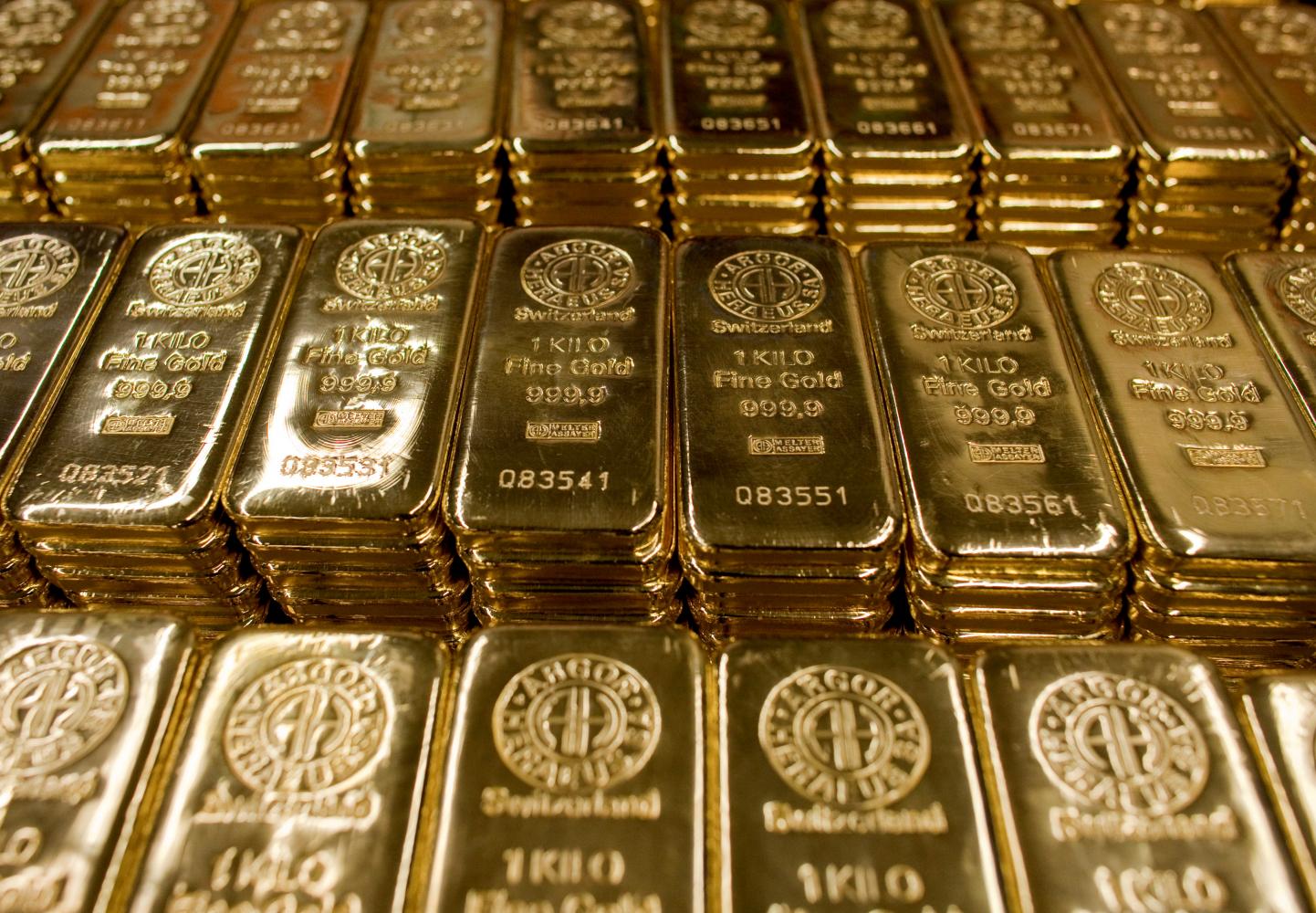
Overview of Gold Pricing in Kenya
Gold pricing in Kenya is influenced by a mix of global market forces and local economic conditions. As a growing market for gold trade in East Africa, Kenya’s gold market has grown steadily due to increasing investment demand, regional mining activities, and its role as a transit point for gold from neighboring countries like Uganda, Tanzania, and the Democratic Republic of Congo.
- Global Market Influence
- Gold prices in Kenya are primarily pegged to the international spot price of gold (quoted in USD per ounce).
- Global factors such as U.S. dollar strength, inflation rates, interest rates, and geopolitical tensions directly affect local gold prices.
- Currency Exchange Rates
- Since gold is traded globally in U.S. dollars, the Kenyan Shilling (KES) exchange rate against the USD significantly impacts local prices.
- A weaker shilling means higher local gold prices, even if the global gold price remains stable.
- Purity Levels (Karat System)
- Gold in Kenya is sold in different purities:
- 24K (99.9% pure). Investment-grade bars and bullion.
- 22K (91.6% pure). Popular for jewelry.
- 18K and 14K. Used mainly in ornaments and accessories.
- The higher the karat, the higher the price per gram.
- Local Supply & Demand
- Kenya itself has small-scale mining operations, particularly in Migori and Kakamega counties.
- However, a large portion of gold traded in Nairobi markets comes from Uganda, Tanzania, and DRC.
- Local demand for jewelry and investment bars also drives fluctuations in daily retail prices.
- Taxes, Regulations & Dealer Premiums
- The Kenyan government applies export duties, VAT, and licensing fees, which can add a margin to gold sold domestically.
- Dealers also include premiums for refining, certification, and logistics.
- This means the market (retail) price is usually higher than the international spot price.
- Daily Price Updates
- Gold prices in Kenya change daily, depending on global spot prices and currency fluctuations.
- Rates are often quoted per gram, tola, ounce, or kilogram, with 24K gold being the benchmark.
Note. Gold pricing in Kenya is a balance between global spot prices, USD/KES exchange rates, local taxes, and market demand. Investors and jewelers rely heavily on real-time updates to make informed buying and selling decisions.
Why Gold Prices Fluctuate in Kenya
Gold prices in Kenya never remain fixed. They rise and fall daily depending on both international and local market forces. Here are the main reasons:
- Global Spot Price Changes
- Gold is a globally traded commodity, priced in U.S. dollars per ounce.
- Any change in the international spot price directly affects prices in Kenya.
- For example, if gold rises in New York or London markets, the Kenyan price also increases on the same day.
- Currency Exchange Rates (USD/KES)
- Since gold is priced in U.S. dollars, the value of the Kenyan Shilling (KES) against the dollar plays a big role.
- If the shilling weakens against the dollar, gold becomes more expensive locally, even if the global price stays stable.
- Inflation & Interest Rates
- Investors buy gold as a safe-haven asset when inflation is high or when bank interest rates are low.
- In times of economic uncertainty, demand increases, and prices go up.
- Supply & Demand in East Africa
- Kenya’s gold market is linked with supplies from Uganda, Tanzania, and the Democratic Republic of Congo.
- If supply is low or demand from jewelers, investors, and exporters is high, local prices rise.
- Geopolitical & Economic Events
- Global crises (wars, oil shocks, political instability) often drive investors toward gold, raising prices.
- Similarly, regional instability in gold-producing areas can disrupt supply and cause price jumps.
- Taxes, Licenses & Dealer Premiums
- Kenyan gold traders add margins to cover refining, certification, transport, and government taxes.
- These costs change depending on policies, making local gold slightly more expensive or cheaper at times.
NOTE. Gold prices in Kenya fluctuate due to a combination of international spot price changes, currency exchange rates, inflation, supply-demand dynamics, and government regulations.
Key Local vs Global Influences on Gold Prices in Kenya
Global Influences
- International Spot Price of Gold
- Gold is priced in U.S. dollars per ounce on global markets (London, New York, Dubai).
- Any rise or fall internationally immediately reflects in Kenya’s prices.
- U.S. Dollar Strength
- Since gold is traded in USD, a stronger dollar makes gold more expensive in Kenya.
- A weaker dollar usually lowers local prices.
- Global Inflation & Interest Rates
- Investors worldwide buy gold to hedge against inflation and economic uncertainty.
- When global inflation rises or interest rates fall, demand for gold increases, and prices rise.
- Geopolitical Events
- Wars, sanctions, global crises, and oil shocks push investors to gold as a “haven.”
- This causes sudden price hikes globally, which Kenya mirrors.
Local Influences in Kenya
- KES/USD Exchange Rate
- The strength of the Kenyan Shilling directly affects how much locals pay for gold.
- Even if global gold prices remain stable, a weaker KES makes gold more expensive.
- Supply from East Africa
- Kenya imports and trades gold from Uganda, Tanzania, and the DRC.
- Any supply shortages or border restrictions impact local availability and prices.
- Local Demand (Jewelry & Investment)
- Festive seasons, weddings, and rising investor interest in bullion increase demand, causing prices to rise locally.
- Government Policies & Taxes
- Licensing fees, VAT, and export duties influence final gold prices in Nairobi and other cities.
- Policy shifts (e.g., new mining regulations) can add or reduce costs.
- Dealer Premiums & Market Competition
- Local dealers charge premiums for refining, certification, and logistics.
- Competition among dealers can slightly lower or increase prices.
In short:
- Global factors (spot prices, USD strength, inflation, and geopolitics) set the base price.
- Local factors (exchange rates, supply, taxes, and demand in Kenya) determine the final retail price.
Kenya Gold Price Updates (24K & 22K)
| Weight | 24K Gold Price (KES) | 22K Gold Price (KES) |
|---|---|---|
| 1 Gram | 8,191 KES | 7,503 KES |
| 10 Grams | 81,907 KES | 75,027 KES |
| 50 Grams | 409,536 KES | 375,135 KES |
| 100 Grams | 819,072 KES | 750,270 KES |
| 1 Kilogram | 8,190,718 KES | 7,502,698 KES |
(Based on global spot price ≈ $1,930/oz and USD/KES ≈ 132. Prices fluctuate daily.)
Note for Buyers:
- 24K Gold = pure bullion, best for investment.
- 22K Gold = slightly lower purity, preferred for jewelry.
- Prices change daily with global gold rates and USD/KES exchange rates.
How Global Gold Demand & Supply Affect Prices in Kenya
Gold prices in Kenya are closely tied to global demand and supply trends. Because gold is an internationally traded commodity, whatever happens in the world market is reflected almost instantly in Nairobi and other Kenyan markets.
- Global Demand
- When global investors, central banks, and jewelers increase gold purchases, international spot prices rise.
- Higher global prices mean Kenyan dealers adjust their rates upward to match.
- Events like weddings in India, jewelry demand in the Middle East, or large-scale buying by China’s central bank create ripple effects in Kenya.
- Global Supply
- Supply disruptions (mining strikes in South Africa, reduced exports from Congo, or restrictions in Russia) lower global availability.
- Reduced supply, higher global spot prices, and a direct increase in Kenya’s gold prices.
Result: Kenya’s local market is not isolated. Even if demand in Nairobi remains steady, international shortages or demand spikes will push local prices up.
Impact of U.S. Dollar & Forex Rates on Gold Prices in Kenya
Since gold is traded globally in U.S. dollars, exchange rates play a critical role in determining local prices in Kenya.
- Strength of the U.S. Dollar
- When the USD strengthens against other currencies, gold becomes more expensive in KES.
- A stronger dollar = higher gold prices in Kenya (even if the global spot price stays constant).
- Kenyan Shilling (KES) Exchange Rate
- If the KES weakens against the USD, gold prices in Kenya rise automatically.
- Example: If 1 USD rises from 120 KES to 135 KES, the cost of importing gold shoots up.
- Forex Volatility
- Political instability, trade deficits, or inflation in Kenya can weaken the shilling.
- This increases gold prices domestically, regardless of global stability.
Note: Local buyers in Kenya often feel the double effect of both global gold price changes and currency fluctuations. This is why gold is more expensive during times of KES depreciation.
International Gold Price vs Kenya Gold Price – Comparison
| Factor | International Gold Price (Global) | Kenya Gold Price (Local) |
| Base Pricing | Determined by global spot price (USD/oz). | Adjusted from global spot price + USD/KES exchange rate. |
| Currency Used | Quoted in U.S. Dollars (USD). | Quoted in Kenyan Shillings (KES). |
| Market Influence | Driven by global demand, supply, inflation, and geopolitics. | Influenced by global price + local taxes, dealer premiums, and demand. |
| Volatility | Changes every second in international markets. | Updates daily in Nairobi based on forex rates & dealer pricing. |
| Purity Reference | Always based on 24K (99.9% pure). | Prices available for 24K, 22K, 18K, depending on local demand. |
| Buyer Type | Central banks, global investors, jewelers. | Local jewelers, retail investors, exporters, and importers. |
| Accessibility | Traded on global exchanges (COMEX, London Bullion Market). | Purchased through licensed dealers, jewelers, or refineries in Kenya. |
NOTE
- The international gold price sets the benchmark.
- The Kenya gold price adds local factors: exchange rates, taxes, premiums, and demand.
Inflation & Gold Prices in Kenya: What Investors Should Know
Gold has long been seen as a hedge against inflation, and in Kenya, this relationship is especially important for investors, traders, and jewelry buyers.
- Inflation Weakens the Kenyan Shilling (KES)
- When inflation rises, the purchasing power of the shilling decreases.
- A weaker shilling makes imported goods, including gold (priced in USD), more expensive.
- This leads to a direct increase in local gold prices even if the global price remains stable.
- Gold as a Safe-Haven Asset
- During high inflation, investors prefer tangible assets like gold over cash or savings in local banks.
- Rising demand for gold in Kenya during inflationary periods pushes prices even higher.
- Global Inflation Trends Affect Local Prices
- Inflation in the U.S., Europe, or Asia often drives up international gold demand.
- Since Kenya’s gold price is tied to the global spot market, local buyers pay more when inflation abroad spikes gold prices.
- Impact on Kenyan Investors
- Short-term: Investors may face higher entry costs when buying gold during inflation.
- Long-term: Gold usually preserves value better than the shilling, offering protection against inflationary losses.
- Practical Advice for Kenyan Gold Investors
- Track both local inflation rates and global gold prices before making purchases.
- Consider investing in 24K bullion bars or coins for long-term value storage.
- Use licensed dealers in Nairobi and other major cities to avoid overpriced or counterfeit gold.
NOTE: Inflation in Kenya and globally leads to higher gold prices locally, but it also strengthens gold’s role as a safe-haven investment. For Kenyan investors, gold remains one of the most reliable ways to protect wealth during uncertain economic times.
Gold Price Trends in Kenya (2020–2025 Historical Analysis)
Kenya’s gold market has shown notable trends over the last five years, driven by global gold prices, currency fluctuations, and regional demand.
| Year | 24K Gold Price per Gram (KES) | 22K Gold Price per Gram (KES) | Trend Notes |
| 2020 | 4,900 | 4,485 | Prices were stable, slight rise due to COVID-19 economic uncertainty. |
| 2021 | 5,600 | 5,130 | Surge from global demand, USD weakening, and increased local buying. |
| 2022 | 6,200 | 5,680 | Inflation and global supply chain disruptions pushed prices higher. |
| 2023 | 7,100 | 6,500 | Strong international spot prices and KES depreciation. |
| 2024 | 7,800 | 7,150 | Steady demand from investors and jewelers; regional supply constraints. |
| 2025 | 8,191 | 7,503 | Prices continue upward due to USD strength and global gold demand. |
Observation:
- Gold prices in Kenya increased roughly 60–70% from 2020 to 2025.
- The largest drivers were global market fluctuations, inflation, and exchange rate volatility.

Gold Price Forecast in Kenya for 2025 & Beyond
Experts predict that Kenya’s gold prices will continue to rise gradually, reflecting both global and local factors:
- Global Spot Price: Continued demand from central banks, investors, and jewelry markets will keep upward pressure.
- USD/KES Exchange Rate: Shilling fluctuations against the USD will directly affect local prices.
- Inflation: Persistent inflation in Kenya could make gold even more attractive as a hedge.
- Regional Supply: Stability in Uganda, Tanzania, and Congo will influence availability and pricing.
Forecast Estimates (2025–2027):
| Year | 24K Gold per Gram (KES) | 22K Gold per Gram (KES) |
| 2025 | 8,200–8,400 | 7,500–7,700 |
| 2026 | 8,500–8,700 | 7,800–8,000 |
| 2027 | 8,800–9,000 | 8,100–8,300 |
Comparison of Gold Prices: Kenya vs Uganda, Tanzania & Congo
| Country | 24K Gold per Gram (KES / Local Currency) | 22K Gold per Gram | Notes |
| Kenya | 8,191 KES | 7,503 KES | Prices influenced by USD/KES and import supply. |
| Uganda | 40,000–42,000 UGX | 36,600–38,500 UGX | Large production, competitive dealer pricing. |
| Tanzania | 210,000–215,000 TZS | 192,000–197,000 TZS | Export-focused market; regional supply affects Kenya. |
| Congo (DRC) | 63–65 USD (approx KES 8,316–8,580) | 57–59 USD (KES 7,180–7,430) | Raw gold availability high; local traders affect pricing. |
Insights:
- Kenya’s gold prices are slightly higher than Uganda and Congo due to import costs, taxes, and dealer premiums.
- Tanzania’s prices can fluctuate significantly because of export policies and currency volatility.
- Investors seeking cross-border arbitrage opportunities monitor these differences closely.
Frequently Asked Questions about Factors Affecting Gold Prices in Kenya
- What determines the price of gold in Kenya?
Gold prices in Kenya are determined by global spot prices, USD/KES exchange rates, local demand, and dealer premiums. - Why do gold prices in Kenya change daily?
Daily fluctuations occur due to global gold market movements, currency variations, and local supply-demand dynamics. - How does the international gold market affect Kenya’s gold prices?
Kenya’s gold price is pegged to the global spot price. Any increase or decrease globally immediately impacts local rates. - Does the USD/KES exchange rate influence gold prices in Kenya?
Yes. Since gold is priced in USD internationally, a weaker shilling makes gold more expensive locally. - How does inflation affect gold prices in Kenya?
Rising inflation weakens the shilling, increasing local gold prices as investors seek gold as a safe-haven asset. - Do global supply shortages impact Kenya’s gold prices?
Absolutely. Reduced gold supply from major producers like South Africa, DRC, or Tanzania pushes up global and local prices. - What role does local demand play in determining gold prices?
High demand from jewelers, investors, and festivals in Kenya can increase local gold prices, even if global prices are stable. - How do geopolitical events influence gold prices in Kenya?
Wars, sanctions, and international crises increase global gold demand, which then raises prices in Kenya. - Are 24K and 22K gold prices affected differently?
Yes. 24K (pure gold) prices track global spot prices closely, while 22K prices are slightly lower due to lower purity. - Do taxes and government regulations affect gold prices in Kenya?
Yes. VAT, import duties, and licensing fees add to the retail price of gold locally. - How often do gold dealers in Kenya update their prices?
Most licensed dealers update prices daily to reflect global spot price changes and currency fluctuations. - Can currency fluctuations alone make gold more expensive in Kenya?
Yes. Even if the global gold price remains stable, a weaker shilling increases the cost of imported gold. - Does global inflation affect gold prices in Kenya?
Yes. Inflation in the U.S., Europe, or Asia increases global demand for gold, which then impacts Kenyan prices. - Are gold prices in Kenya higher than in neighboring countries?
Often slightly higher due to import costs, taxes, and dealer premiums, compared to Uganda, Tanzania, and Congo. - How can investors track factors affecting gold prices in Kenya?
Investors can monitor global spot prices, USD/KES rates, local supply-demand news, and dealer updates to stay informed.