
Gold Bars vs Gold Nuggets in Kenya | 2026 Price, Profit & Risk Comparison Guide
Investing in gold in Kenya has become one of the most reliable and profitable ways to preserve and grow wealth in 2026. As inflation rises and global markets remain unpredictable, both local and international investors are turning to gold as a safe-haven asset with long-term value.
However, not all gold investments offer the same benefits. In Kenya, buyers typically choose between gold bars and gold nuggets, two options that differ significantly in purity, pricing, liquidity, and risk.
Gold bars are refined, standardized, and globally recognized, making them easier to trade, export, and resell at competitive market prices. On the other hand, gold nuggets are naturally occurring and often rare, sometimes attracting higher premiums due to their uniqueness, but they can be harder to verify, value, and sell quickly.
Understanding these differences is essential if you want to make a smart, secure, and profitable investment.
What You’ll Learn in This Guide
- The key differences between gold bars and gold nuggets
- Purity, quality standards, and pricing in Kenya
- Current market trends and investment potential (2026)
- Common risks, scams, and how to avoid them
- Step-by-step guide to buying gold safely in Kenya
- Trusted dealers and export procedures
By the end of this guide, you’ll clearly understand which option suits your investment goals whether you’re looking for long-term wealth storage or short-term resale opportunities. This article is designed to help you buy gold in Kenya safely, legally, and with confidence.
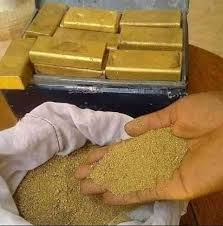
Pros & Cons of Gold Bars vs Gold Nuggets
- Gold bars offer high purity and standardized weight, making them easy to value, trade, and resell in both local and international markets.
- Gold bars are considered safer investments, as they usually come with assay certificates and proper documentation, reducing the risk of fraud.
- However, gold bars require higher upfront capital, which may not be suitable for small-scale or first-time buyers.
- Gold bars may also include refining and certification costs, slightly increasing the total investment price.
- Gold nuggets are more affordable and accessible, especially for buyers sourcing directly from mining areas in Kenya.
- Gold nuggets provide flexibility for small buyers, allowing gradual investment without large capital requirements.
- However, gold nuggets have inconsistent purity, which makes accurate valuation more difficult without proper testing.
- Gold nuggets carry a higher risk of fraud, as fake or mixed materials are more common in informal markets.
- Reselling gold nuggets can be more complex, often requiring refining and certification before achieving full market value.
Comparison table of gold bars and Gold Nuggets
| Feature | Gold Bars | Gold Nuggets |
| Purity | High purity (typically 99.9% – 24K), standardized and certified | Lower purity (usually 75%–92%), varies by source, and requires testing |
| Price Stability | Very stable pricing based on global gold market rates | Prices fluctuate depending on size, shape, and rarity |
| Liquidity | Very high – easy to resell locally and internationally | Medium – may take longer to find the right buyer |
| Risk Level | Low risk due to certification and regulated trading | Moderate to high risk due to purity uncertainty and fraud potential |
| Best For | Serious investors, bulk buyers, and long-term wealth storage | Collectors, small-scale traders, and high-risk investors |
Analyzing the ROI: Gold Bars vs. Gold Nuggets
Investing in gold is not just about owning a valuable asset; it’s about maximizing returns on your investment (ROI) while minimizing risks. In Kenya, understanding the ROI potential of gold bars versus gold nuggets is essential for both short-term gains and long-term wealth preservation.
ROI Potential of Gold Bars
Gold bars are the most liquid and standardized form of gold investment. Their predictable pricing and certified purity make them ideal for investors who value stability.
- Consistent Market Value: Prices are based on global gold rates, ensuring you can buy and sell at transparent prices.
- Low Premiums: Bars have lower markups compared to nuggets, which reduces upfront costs and increases net ROI.
- Ease of Liquidation: Bars are recognized by banks, refineries, and licensed dealers, making it easier to convert to cash quickly.
Estimated ROI (2026, Kenya Market):
- Small investors (1–50g bars): ~5–8% annual gains, depending on gold price trends.
- Large-scale investors (1kg+ bars): ~6–10% annual gains, with lower transaction costs.
ROI Potential of Gold Nuggets
Gold nuggets are rarer and less standardized, which can both increase profit potential and introduce more risk.
- Premium Pricing: Unique sizes and shapes can command higher prices than their gold weight alone, giving collectors’ value on top of market price.
- Fluctuating Market: Nuggets are less liquid; price depends on buyer demand, rarity, and purity verification.
- Collector Appeal: Larger or rare nuggets can yield significant one-time returns if sold to collectors or specialty buyers.
Estimated ROI Kenya Market):
- Small nuggets (<10g): ~3–6% annual gains, more for resale in niche markets.
- Large nuggets (>50g) or rare pieces: Potential 10–20% premium above spot price, depending on rarity and buyer demand.
Risk vs Reward: Making the Right Choice
| Factor | Gold Bars | Gold Nuggets |
| Liquidity | High | Moderate |
| Price Stability | Very Stable | Variable |
| Resale Market | Banks & Dealers | Collectors & Specialty Buyers |
| Investment Horizon | Short-term & Long-term | Long-term & Premium |
| Risk of Fraud | Low (if certified) | Moderate (verify purity) |
note
- If you want stable, predictable returns with minimal hassle, gold bars are the safer choice.
- If you aim for higher premium returns and are willing to navigate a less liquid market, gold nuggets may deliver better ROI but require careful verification and patience.
Gold Bar vs Gold Nugget Prices in Kenya
Gold prices in Kenya vary depending on purity, form, and market demand. While gold bars follow international spot prices closely, gold nuggets are priced based on purity, size, and rarity making them less predictable but sometimes cheaper at the source.
| Type | Purity Range | Price per Gram (USD) | Price per Ounce (USD) | Liquidity | Notes |
| Gold Bars (24K) | 99.9% (999) | $116 – $118 | $3,600 – $3,670 | Very High | Globally recognized, easiest to resell, used for export & investment |
| Gold Bars (22K) | 91.6% | $113 – $116 | $3,500 – $3,600 | High | Slightly lower purity, still widely accepted in international markets |
| Gold Nuggets (22K) | 85% – 92% | $108 – $115 | $3,350 – $3,550 | Medium | Can be refined into bars; pricing depends on assay results |
| Gold Nuggets (20K) | 83% – 88% | $100 – $110 | $3,100 – $3,400 | Medium-Low | Common in artisanal mining, it requires purity verification |
| Gold Nuggets (18K) | 75% | $95 – $105 | $2,950 – $3,250 | Low | Cheapest option, but highest risk and lowest resale value |
Key Insights for Buyers in Kenya
- Gold bars offer stable and transparent pricing because they are tied directly to global gold markets (London Bullion Market).
- Gold nuggets can be 5%–15% cheaper, but the final value depends heavily on refining and purity verification.
- Higher purity = higher resale value, which makes 24K gold bars the preferred choice for serious investors.
- Nuggets carry more risk, especially when buying from informal or unlicensed dealers without proper assay certification.
The Gold Buyer’s Safety Checklist (Kenya)
Buying gold in Kenya, whether bars or nuggets, requires a blend of legal due diligence and physical verification. Use this step-by-step guide to ensure your investment is secure.
1: Pre-Purchase Due Diligence
- Verify the Dealer’s License: Request a copy of their Mineral Dealer’s License issued by the Ministry of Mining. Cross-check the license number on the
- Check Company Registration: Ensure the company is registered with the Business Registration Service (BRS) and has a valid KRA PIN Certificate.
- Physical Office Check: Never conclude a deal in a hotel, airport, or “private residence.” Visit their registered business premises in person.
2: Documentation & Legal Compliance
- Certificate of Origin: Ensure the gold has a valid certificate proving it was legally mined (crucial for nuggets).
- Assay Report: Demand a fresh assay report from an independent, government-approved laboratory (e.g., the State Department for Mining or a KEBS-accredited lab).
- Sales Agreement: Have a lawyer draft or review a Sale & Purchase Agreement (SPA) that includes purity, weight, price, and dispute resolution.
- KRA Tax Invoice: Ensure you receive an official ETR (Electronic Tax Register) invoice for the transaction.
3: The Transaction (The “Golden” Rules)
- No Upfront Fees: Red Flag! Never pay “clearance fees,” “customs bribes,” or “storage taxes” before seeing and testing the gold. Legitimate sellers include these in the final price.
- Secure Payment: Avoid cash. Use bank wire transfers or legal escrow services managed by reputable Kenyan law firms.
- Real-Time Spot Check: Compare the offered price with the current LBMA Global Spot Price. If the discount is more than 5-10%, it is almost certainly a scam.
4: Final Inspection & Logistics
- The “Final Mile” Test: If you are buying bars, verify the hallmark and serial number against the refinery’s database.
- Insured Transit: Use specialized security couriers (like, Brinks, G4S, or Malca-Amit) for transport. Do not transport large quantities in a private vehicle.
- Export Permits (If applicable): If you are taking the gold out of Kenya, ensure you have the Export Permit and have paid the 5% royalty fee to the government.
Top 3 “Red Flags” for Kenyan Gold Scams:
- “The Hidden Stash”: Claims of “inherited gold” or “refugee gold” from neighboring countries (DRC/South Sudan) that need “clearing fees.”
- “The Diplomatic Shipment”: Any mention of “Diplomatic Pouches” to avoid customs is illegal and a common fraud tactic.
- The “One Tonne” Offer: Kenya’s total annual gold export is relatively small. Anyone offering “metric tonnes” of gold at a discount is a fraudster.
Who Should Buy Gold Bars vs Gold Nuggets in Kenya
| Buyer Type / Goal | Gold Bars (Recommended If You…) | Gold Nuggets (Recommended If You…) |
| Investment Objective | Want a safe, long-term investment with predictable value | Are exploring speculative or niche investment opportunities |
| Market Strategy | Plan to export or resell in international markets | Focus on local trading or collector-based markets |
| Risk Tolerance | Prefer low risk and stable returns | Can handle moderate to high risk for potentially higher margins |
| Source of Purchase | Buy from licensed dealers with certified gold | Have direct access to trusted local miners |
| Budget & Entry Level | Have higher capital for bulk or standardized purchases | Want lower entry prices and flexible buying options |
Availability & Sourcing in Kenya
Kenya’s gold market is growing rapidly, attracting investors, collectors, and traders looking for both gold bars and nuggets. Understanding where to buy, how to source, and which dealers are trustworthy is key to making safe and profitable investments in 2026. This section breaks down the best sources and supplies insights for both gold bars and nuggets in Kenya.
Where to Buy Gold Bars in Nairobi and Mombasa
Gold bars are popular among investors seeking a secure and standardized form of gold. In Kenya, the main cities for purchasing gold bars are Nairobi and Mombasa. Here’s a quick guide:
| City | Recommended Dealers | Notes |
| Nairobi | Gold Africa Kenya | Certified 24K & 22K bars; buy online or in-store |
| Nairobi | Kenya Gold Refinery | Offers assayed bars with official certificates |
| Mombasa | Coast Gold Traders | Specializes in small & medium-sized bars for investors |
| Mombasa | Mombasa Bullion Ltd | Trusted local refinery with export services |
Tips for Buyers:
- Always request an assay certificate and proof of origin.
- Verify the dealer’s license to ensure legal compliance.
- Compare prices per gram before purchasing, as market rates can vary slightly between dealers
How to Source Gold Nuggets in Kenya
Gold nuggets are rarer and often come directly from artisanal mines. They are prized for their natural shape and investment potential, but sourcing requires extra care.
Best Practices for Nugget Sourcing:
- Direct from Mines: Counties like Kerio Valley, Migori, and Kwale have active artisanal mining operations.
- Certified Dealers: Some dealers specialize in verified nuggets, offering documentation for authenticity.
- Gold Fairs & Auctions: Occasionally, local auctions feature certified nuggets with verified weight and purity.
| Source | Location | Typical Purity | Notes |
| Artisanal Mines | Kerio Valley, Migori | 18K–22K | Requires local permits for direct purchase |
| Specialized Dealers | Nairobi, Mombasa | 21K–24K | Nuggets come with certificates and assay reports |
| Auctions & Shows | Nairobi, Eldoret | 20K–24K | Limited availability; best for collectors and investors |
Buyer Tips:
- Always check for hallmarks or assay reports for nuggets.
- Avoid unverified sellers in informal markets; risk of fraud is high.
- Small-scale purchases may require mining county permits.
Supply Consistency: Bars vs Nuggets
When planning investments, it’s essential to understand supply dynamics:
| Feature | Gold Bars | Gold Nuggets |
| Availability | High; standardized sizes & purities | Limited, dependent on artisanal production |
| Price Stability | Relatively stable; follows global gold prices | Can fluctuate due to rarity and demand |
| Ease of Purchase | Easy; dealers & banks in Nairobi/Mombasa | Moderate; fewer verified dealers & mines |
| Liquidity | High; can be resold quickly | Moderate; resale depends on buyer network |
Key Insight: Gold bars are generally easier to source and resell, making them ideal for investors prioritizing liquidity. Nuggets offer unique value and potential appreciation but require careful sourcing and verification.
Trusted Dealers and Refineries
Working with licensed and verified dealers is critical for safe gold transactions in Kenya. Here’s a list of trusted refineries and dealers:
| Dealer / Refinery | City | Specialization |
| Gold Africa Kenya | Nairobi | 24K & 22K bars |
| Kenya Gold Refinery | Nairobi | Bullion bars, assayed |
| Coast Gold Traders | Mombasa | Bars & small-scale investment |
| Mombasa Bullion Ltd | Mombasa | Standard & custom bars |
| East Africa Gold Traders | Nairobi | Nuggets & artisanal gold |
Pro Tips:
- Verify licenses with the Capital Markets Authority (CMA) or relevant Kenyan government agencies.
- Check for OECD-compliant sourcing to avoid conflict gold.
- Maintain documentation for any purchase, especially for large investments.
Legal & Export Considerations
Investing in gold in Kenya is lucrative, but navigating the legal and export requirements is critical to ensure safe and compliant transactions. Both gold bars and nuggets are regulated, and understanding the laws, required documentation, and differences between bars and nuggets will protect your investment and simplify international trade in 2026.
Gold Export Laws in Kenya
Kenya has strict regulations governing the export of gold to prevent illegal trade and ensure compliance with international standards. Key points for exporters:
- Export Licensing: Only licensed dealers or exporters approved by the Ministry of Mining and the Kenya Revenue Authority (KRA) can legally export gold.
- Purity Standards: Gold must meet recognized purity standards, usually 24K, 22K, or 18K, and be accompanied by an assay certificate.
- Reporting Requirements: Exports must be reported to the Central Bank of Kenya or relevant authorities for monitoring and taxation purposes.
- Anti-Money Laundering Compliance: Exporters must provide proof of legal acquisition and buyer verification to comply with AML regulations.
Tip: Always confirm that your dealer is licensed for export and local sales. Exporting through unlicensed channels can lead to confiscation and heavy penalties.
Gold Market Trends in Kenya (2026–2027 Forecast
| Trend Area | Market Insight (2026–2027) | Impact on Buyers & Investors |
| Gold Demand Growth | Gold demand in Kenya is expected to rise due to increasing global prices and export demand | Higher prices and stronger investment interest in gold assets |
| Government Regulation | Increased oversight by the Ministry of Mining is improving transparency and compliance | Safer transactions and reduced fraud risks for buyers |
| Shift to Gold Bars | More investors are choosing 24K gold bars due to easier export and higher liquidity | Gold bars are becoming the preferred option for serious investors |
| Artisanal Mining Supply | Continued supply of gold nuggets from small-scale miners across Kenya | More availability of nuggets, but with a higher need for verification |
| Risk & Verification | Verification challenges remain high for raw and unrefined gold | Buyers must rely on licensed dealers and assay testing before purchase |
Where to Buy Gold Safely in Kenya (Trusted Suppliers)
Buying gold in Kenya can be highly profitable, but only if you work with verified and compliant suppliers. The market includes both licensed exporters and informal traders, which makes choosing the right partner critical for protecting your investment.
According to licensed gold dealers in Kenya, the safest way to buy gold is through companies that provide full documentation, transparent pricing, and export support.
Trusted Gold Supplier (Recommended)
If you are looking for a secure, verified, and export-ready gold purchase, consider working with:
Gold Buyers Africa
- Licensed and compliant with Ministry of Mining regulations
- Follows OECD due diligence standards (conflict-free gold)
- Provides assay certification from recognized laboratories
- Offers 24K gold bars and verified gold nuggets
- Supports international buyers with export documentation and logistics
This ensures you receive authentic, high-purity gold that can be legally exported and resold globally.
How to Buy Gold Safely in Kenya (Step-by-Step)
- Verify the Dealer
Confirm the supplier is licensed under the Ministry of Mining. - Request an Assay Report
Ensure gold purity is tested by a certified assay lab. - Check OECD Compliance
Make sure the gold is ethically sourced and conflict-free. - Confirm Documentation
Ask for:- Certificate of Origin
- Export Permit
- Commercial Invoice
- Use Secure Payment Methods
Necessary Documentation (Assay, Certificate of Origin)
For all legal gold transactions and exports, certain documents are mandatory. These include:
| Document | Purpose | Notes |
| Assay Certificate | Confirms the purity and weight of gold | Issued by a certified assay lab; required for both bars and nuggets |
| Certificate of Origin | Verifies the source of gold | Ensures compliance with OECD guidelines and prevents conflict gold export |
| Export Permit | Legal authorization to ship gold internationally | Issued by the Ministry of Mining and KRA |
| Invoice & Sales Agreement | Confirms transaction details | Required for customs clearance |
| Transport Security Declaration | Ensures secure shipment | Often needed for insurance coverage during export |
Pro Tip: Keep multiple copies of all documentation; buyers and customs officials often require verification before approving shipments.
Can Nuggets Be Exported Easily?
Gold nuggets are rarer than bars, and exporting them comes with additional considerations:
- Verification Challenges: Nuggets may require additional testing to certify purity due to their irregular shapes.
- Limited Dealers: Fewer Kenyan dealers handle nugget exports, which can slow the process.
- High Scrutiny: Customs may inspect nugget shipments more thoroughly than standardized bars to prevent fraud.
- Market Appeal: While nuggets can fetch premium prices, exporting them in bulk may require special permits or dealer accreditation.
Summary: Nuggets can be exported, but the process is more complex compared to bars. Proper documentation and working with experienced dealers are essential.
Comparing Legal Ease: Bars vs Nuggets
| Factor | Gold Bars | Gold Nuggets |
| Export Simplicity | High, standardized weights & assay certificates accepted | Moderate, irregular shapes require extra verification |
| Documentation Needed | Assay, Certificate of Origin, Export Permit | Same as bars, plus additional purity verification if irregular |
| Customs Scrutiny | Lower, widely recognized form of bullion | Higher is considered rare and collectible, with potential delays |
| Dealer Availability | Numerous licensed dealers | Fewer certified dealers for export |
Key Insight: For first-time exporters and investors prioritizing smooth legal compliance, gold bars are the easier option. Nuggets are ideal for collectors and investors willing to navigate extra verification steps.
Risk Analysis & Fraud Prevention
Buying gold in Kenya can be highly profitable, but it also carries risks, especially when purchasing nuggets from informal sources. Understanding common scams, safe buying practices, and verification methods is essential to protect your investment and avoid losses.
Common Scams When Buying Nuggets
Gold nuggets, due to their rarity and high demand, are often targeted by scammers. Common scams include:
- Fake Nuggets: Some sellers offer painted or plated stones instead of genuine gold nuggets.
- Weight Manipulation: Unscrupulous sellers may shortchange buyers by altering weight or using non-gold cores.
- Unverified Sources: Nuggets without proper assay certificates or origin documents can be illegal or of questionable quality.
- Online Scams: Fraudulent websites or social media sellers may take payment without delivering the gold.
Tip: Always ask for a certificate of authenticity, verify the dealer’s license, and if possible, inspect the nugget in person.
How Bars Offer Safer Transactions
Gold bars are generally safer to buy than nuggets because of their standardized nature:
| Feature | Benefit for Buyers |
| Standardized Weight & Purity | Easier verification and consistent value |
| Certified Assay Reports | Ensures the gold matches its listed karat/purity |
| Widely Recognized by Dealers & Banks | Easier resale and transfer, both locally and internationally |
| Lower Fraud Risk | Less likely to be tampered with or misrepresented |
note: Investors prioritizing security, liquidity, and legal compliance should favor gold bars over nuggets.
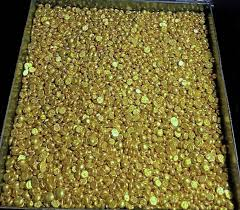
How to Test Nuggets and Bars Before Buying
Before purchasing any gold in Kenya, testing for authenticity is critical:
| Test Method | How It Works | Applicable To |
| Acid Test | Drops of nitric acid are applied to gold; it reacts with non-gold metals | Nuggets & Bars |
| Electronic Gold Tester | Measures conductivity to confirm karat | Nuggets & Bars |
| Weighing & Density Test | Compares actual weight vs theoretical density of gold | Nuggets & Bars |
| Professional Assay | Lab verification for purity and authenticity | Nuggets & Bars |
| Magnet Test | Gold is non-magnetic; if attracted to a magnet, it’s fake | Nuggets & Bars |
note: Always perform at least two independent tests and request official assay certificates for high-value purchases.
Licensed Dealers to Avoid Fake Gold
Working with licensed and verified dealers is the best defense against fraud. Trusted dealers in Kenya include:
| Dealer / Refinery | City | Specialization |
| Gold Africa Kenya | Nairobi | 24K & 22K bars |
| Kenya Gold Refinery | Nairobi | Bullion bars with assay |
| Coast Gold Traders | Mombasa | Bars & small-scale investments |
| Mombasa Bullion Ltd | Mombasa | Standard & custom bars |
| East Africa Gold Traders | Nairobi | Nuggets & artisanal gold |
note: Buying through licensed dealers reduces the risk of counterfeit gold, ensures legal compliance, and protects your investment.
Compliance in Kenya’s Gold Market
This guide is based on 2026 market data and real-time pricing trends observed across key gold trading hubs in Kenya, including Nairobi and Kisumu. The price ranges and insights provided are according to licensed gold dealers in Kenya, ensuring accuracy and alignment with current market conditions.
Gold trading in Kenya is regulated by the Ministry of Mining, which oversees licensing, export approvals, and compliance with national laws. Any legitimate gold transaction, whether bars or nuggets, must follow these regulations to ensure legality and buyer protection.
In addition, reputable gold suppliers adhere to OECD due diligence guidelines, which are internationally recognized standards designed to prevent conflict gold and promote responsible sourcing across the supply chain. This is especially important for international buyers and investors seeking transparency and ethical sourcing.
To guarantee authenticity and value, all gold should be tested and verified by certified assay laboratories. These labs provide official documentation confirming gold purity and quality, which directly impacts pricing, resale value, and export eligibility.