
How to Verify Gold Suppliers in Kenya| 2026 Legal Checklist
To verify gold suppliers in Kenya, you must confirm five critical things: a valid Mineral Dealer License from the Ministry of Mining, an active CR12 company registration record, a valid KRA Tax Compliance Certificate, independent gold assay testing (preferably fire assay after full batch smelting), and a legitimate export permit for the specific shipment. Never rely on documents alone; always combine legal verification with physical gold testing to avoid fraud. Updated: March 2026
Kenya’s gold trade is regulated under the Mining Act 2016, and only licensed gold suppliers in Kenya are legally allowed to trade and export gold. Before sending funds or signing a contract, buyers should verify the supplier’s license number, confirm company registration details with the Registrar of Companies, and conduct independent laboratory testing in Nairobi or Mombasa.
Proper gold supplier verification protects you from financial loss, customs seizure, and purity manipulation scams such as the “small sample trap.” Serious gold buyers follow a structured verification process before committing to any transaction.
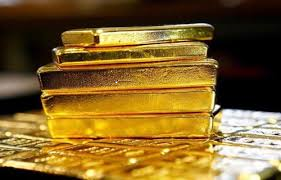
Overview of Gold Trade in Kenya
Kenya’s gold trade has grown significantly in recent years due to regional sourcing from Tanzania, Uganda, DRC, and local artisanal mining in western Kenya (Migori, Kakamega, Siaya). Nairobi has become a central trading and export hub for gold shipments to Dubai, Europe, and Asia.
However, with increased demand comes increased risk. Many international buyers searching for licensed gold suppliers in Kenya face challenges such as fake documents, forged export permits, and non-existent companies.
If you’re planning to buy gold, understanding the Kenya gold supplier verification process is critical before transferring funds.
Why Gold Supplier Verification is Important
1Protects You From Financial Loss
Gold transactions involve large amounts of money, often thousands or millions of dollars. If you deal with an unverified gold supplier, you risk:
- Paying for non-existent gold
- Receiving gold with lower purity than agreed
- Losing deposits to fake brokers
- Funding a shipment that never leaves the country
Once funds are transferred internationally, recovery is extremely difficult. Proper verification of a gold dealer in Kenya reduces the risk of fraud before money changes hands.
2 Prevents Legal and Customs Problems
Gold is a regulated mineral under Kenya’s Mining Act. Buying from an unlicensed gold supplier can result in:
- Seizure of gold at the airport
- Customs delays
- Confiscation by authorities
- Legal penalties in the importing country
Verifying a valid gold export license in Kenya ensures the shipment complies with:
- Ministry of Mining regulations
- Kenya Revenue Authority (KRA) requirements
- International anti-money laundering laws
Legal compliance protects both buyer and seller.
3 Confirms the Gold Is Legitimately Sourced
Illegal mining and smuggled gold are serious concerns in parts of Africa. Without proper verification, you could unknowingly purchase:
- Smuggled gold
- Conflict minerals
- Gold sourced from unauthorized mining sites
Reputable, licensed gold suppliers in Kenya provide:
- Certificate of Origin
- Export permits
- Tax compliance certificates
This protects your business reputation and ensures ethical sourcing.
4 Ensures the Gold Purity Matches the Claim
Some suppliers may present genuine-looking documents while delivering gold of lower purity.
For example:
- Claimed purity: 96%
- Actual purity: 82–90%
Without independent testing and verification, buyers may overpay significantly.
Supplier verification should include:
- Independent fire assay testing
- Witnessed smelting process
- Cross-checking assay reports
Purity verification protects your profit margins.
5 Builds Long-Term Business Security
Serious gold buyers do not look for one-time deals; they look for reliable long-term partners.
When you properly verify a gold supplier in Kenya, you:
- Establish trust
- Confirm company registration (CR12)
- Validate tax compliance
- Confirm regulatory approval
This reduces risk in future transactions and builds a stable supply chain.
Strong verification today prevents a crisis tomorrow.
Step-by-Step Gold Supplier Verification Process
Here is a practical guide on how to verify gold suppliers in Kenya:
- Confirm Company Registration
Always request a Certificate of Incorporation, CR12 (List of directors & shareholders), and KRA PIN Certificate. This
Verification registration is done through the Kenya eCitizen Business Registry Portal to confirm if the company legally exists.
- Verify Mining or Trading License
All legitimate dealers must hold a Mining permit and a Mineral dealer permit, and it is issued by:
Ministry of Mining, Blue Economy, and Maritime Affairs (Kenya). Always asks for a copy and confirm validity directly with the ministry.
- Verify the Gold Export License, Kenya
To legally export gold, the supplier must have an Export permit, Certificate of Origin, Customs documentation, Royalty payment receipt, and you can confirm the authenticity by contacting the Ministry of Mining, confirming with Kenya Revenue Authority (KRA), and verifying export documents with Kenya Customs. Never rely only on scanned copies many fake export permits circulate online.
- Physical Office Verification
Before making payment, always visit the physical office in Nairobi, confirm business signage, meet directors in person, Check warehouse/storage facility because many scams operate from temporary hotel rooms. When searching for trusted gold dealers in Nairobi, prioritize companies with established offices and verifiable history.
- Conduct Gold Assay Testing
Never purchase gold without an independent refinery assay report, Government-certified testing, and purity confirmation is 92%–99.99%). Work with these refineries in Nairobi and avoid relying only on supplier-provided test results
Required Licenses for Gold Dealers in Kenya
Legitimate suppliers must possess:
- Company Registration Certificate
- Mineral Dealer License
- Gold Export License Kenya
- Tax Compliance Certificate
- Royalty Payment Proof
- Single Business Permit (County Government)
If a supplier cannot provide these, consider it a red flag.
How to Confirm a Gold Export License
To properly verify, always check license number validity, confirm issuing authority, and verify export quantity authorization. Confirm expiry date, and cross-check with the Ministry of Mining. You can request written confirmation from the ministry before proceeding.
Government Authorities That Regulate Gold in Kenya
When conducting supplier verification, these are the main authorities:
- Ministry of Mining, Blue Economy and Maritime Affairs
- Kenya Revenue Authority (KRA)
- Kenya Bureau of Standards (KEBS)
- Directorate of Criminal Investigations (DCI) (for fraud cases)
- Central Bank of Kenya (for large forex transfers)
Direct verification with these institutions strengthens your due diligence process.
Documents You Must Request From a Supplier
To properly verify a gold dealer in Kenya, request:
- Certificate of Incorporation
- CR12 document
- Mineral Dealer License
- Export License
- Tax Compliance Certificate
- Export permit
- Royalty payment receipt
- Assay certificate
- Sales contract draft
Always confirm authenticity independently.
Red Flags to Watch Out For
If you want to avoid gold scams in Kenya, watch for:
1 Pressure for urgent upfront payments
2 Extremely low gold prices below the market rate
3 Fake refinery names
4 Refusal for physical meeting
5 No verifiable office
6 Changing bank accounts frequently
7 Insistence on cash-only transactions
8 “Government officials” requesting facilitation fees
If something feels rushed or secretive, pause immediately.
Professional Pro-Tip: The “10% Discount” Rule
In the international gold trade, margins are razor-thin. If a supplier in Kenya offers you a discount of more than 10% off the LBMA (London Bullion Market Association) spot price, it is almost certainly a scam.
Why This Is a Red Flag:
- Market Reality: Licensed gold suppliers in Kenya must pay government royalties, export permits, and refining costs. Offering a 20% or 30% discount would mean they are selling at a massive loss.
- The “Bait” Tactic: Scammers use “cheap gold” to bypass a buyer’s logic. They hope the lure of a “huge profit” will make you ignore missing licenses or skip the smelting process.
- The Hidden Cost: Genuine licensed dealers rarely offer more than a 2% to 5% discount to new international buyers, and even then, only after a long-term relationship is established.
Expert Advice: If a deal looks too good to be true in Nairobi, it usually is. Always benchmark any offer against the live LBMA Gold Price. If the gap is massive, walk away.
Physical Gold Testing & Assay Verification
Professional gold verification includes:
- XRF testing
- Fire assay analysis
- Weight confirmation
- Refinery stamp validation
- Serial number verification (for gold bars)
Never skip independent assay verification, even with licensed gold suppliers in Kenya.
Safe Payment Methods When Buying Gold in Kenya
To reduce risk:
1 Use bank-to-bank transfers
2 Avoid personal accounts
3 Use escrow services where possible
4 Link payment to successful assay confirmation
5 Use an irrevocable letter of credit (LC) for bulk shipments
Never pay large deposits before physical verification.
Excellent topic. This is high-conversion, high-trust content especially for international buyers sourcing gold from East Africa (Kenya, Uganda, Tanzania).
Since you operate in the African gold trade, this article can strongly position you as a compliance-first, transparency-driven supplier.
The “Small Sample” Trap: How to Ensure Your Entire Gold Shipment is Real
Buying gold internationally can be profitable, but it can also be risky if proper verification procedures are not followed.
One of the most common and costly mistakes buyers make is trusting a purity test done on a “selected sample” instead of verifying the entire shipment.
What Is the “Small Sample” Trap?
The small sample trap occurs when a supplier:
- Selects a small piece from a larger gold lot
- Submits that piece for assay testing
- Provides a genuine purity result
- Ships the full batch, which may contain lower purity material, alloys, or even fake gold
The sample tested is real.
The shipment you receive may not be.
This method works because gold buyers often assume the tested piece represents the entire batch.
It doesn’t.
Why Testing Only a Selected Piece Is Dangerous
Gold shipments, especially dore bars or raw gold, are not always uniform in purity.
Unverified lots may contain:
- Mixed karats
- Heavy metal fillers
- Gold-plated material
- Core-filled bars
- Layered composition (pure outside, impure inside)
A supplier can easily:
- Melt high-purity gold for testing
- Keep lower-purity gold in the main lot
- Replace bars after assay
- Switch shipment after certification
Unless the entire lot is homogenized, there is no guarantee that consistency exists.
How the Scam Usually Happens
Here is the common pattern:
- Buyer requests assay.
- Supplier cuts or selects one “representative” sample.
- Sample tests 96%–99% purity.
- Buyer proceeds with payment.
- Shipment arrives.
- Full re-assay shows lower purity (sometimes 70–85% or worse).
By that time:
- Payment has been made.
- Export documents appear legitimate.
- Legal recovery becomes difficult.
The Only Safe Method: Witness Full-Lot Smelting
If you are buying kilo bars, dore bars, nuggets, or bulk gold, you must:
- Witness the Smelting of the Entire Lot
All gold intended for sale must be:
- Melted together
- Fully liquified
- Stirred and homogenized
- Poured into new bars
This ensures uniform purity across the shipment.
No mixing.
No substitution.
No selective sampling.
- Conduct Assay After Homogenization
The assay sample must be:
- Taken from the fully melted and mixed gold
- Done in your presence or by a trusted independent laboratory
- Documented with sealed bar numbers
- Matched with export documentation
This removes the risk of “selected piece” entirely.
Why Homogenization is key
Gold dore is rarely uniform across multiple sources.
Without melting:
- One bar can test 97%
- Another can test 82%
- Another may contain non-gold metals
After proper melting:
- The entire lot becomes chemically consistent
- The assay reflects the true average purity
- The buyer knows exactly what they are paying for
How to Structure a Safe Gold Purchase
Here is the professional verification process that serious buyers follow:
1 Verify Supplier License
- Mineral dealer license
- Export permit
- Tax registration
- Company registration
2 Conduct On-Site Inspection
- Confirm physical inventory
- Verify weight
- Check bar markings
Step 3: Witness Full Smelting
- The entire lot melted
- No outside material added
- Recorded process
4 Independent Assay
- Government-approved laboratory
- Fire assay or XRF + fire confirmation
- Official report issued
5 Secure Packaging
- Bar numbers engraved
- Tamper-proof sealing
- Documentation matches assay report
Step 6: Structured Payment Terms
- Use escrow when possible
- Avoid 100% upfront payments
- Link final payment to verified export clearance
Red Flags That Indicate the Small Sample Trap
Avoid suppliers who:
- Refuse full-lot melting
- Insist “sample represents whole batch.
- Rush payment before homogenization
- Change assay location last minute
- Avoid independent labs
- Offer unusually high purity for an unusually low price
Legitimate suppliers do not resist transparency.
Logistics & Sourcing Verification in Kenya’s Gold Trade
Understanding where gold originates and securing legal representation are two of the most overlooked yet critical steps in verifying gold suppliers in Kenya.
Serious buyers don’t just verify the dealer.
They verify the source and protect themselves legally.
A Guide to Kenya’s Gold Mining Regions: Migori, Kakamega & Turkana
If a supplier claims their gold is “locally mined in Kenya,” you should understand what that actually means.
Kenya’s primary gold-producing regions include:
- Migori County (Nyatike, Osiri, Macalder)
- Kakamega County (Ikolomani area)
- Turkana County (Lodwar region – developing projects)
Knowing these regions helps buyers verify Certificate of Origin claims and detect sourcing inconsistencies.
1 Migori County – Kenya’s Main Artisanal Gold Hub
Location: Southwestern Kenya, near the Tanzania border
Type of Mining: Primarily artisanal and small-scale mining (ASM)
Key Areas:
- Macalder Mines
- Osiri
- Masara
- Nyatike Belt
What Buyers Should Know:
- Gold is often extracted manually or with small machinery.
- Purity typically ranges between 85%–95% before refining.
- Production is fragmented among small miners.
- Aggregators usually consolidate gold before sale.
Verification Tip:
If a supplier claims gold is from Migori:
- Ask for miner aggregation records.
- Confirm transportation documentation.
- Check whether the supplier works with licensed buying centers.
Migori gold rarely comes in perfectly refined 99.99% form at source — that is usually post-refining.
2 Kakamega County – Emerging Gold Zone
Location: Western Kenya
Major Area: Ikolomani
Kakamega has both:
- Artisanal mining operations
- Exploration projects by larger companies
Characteristics:
- Smaller output compared to Migori
- Mixed alluvial and reef gold
- Increasing government oversight
Verification Tip:
If gold is claimed from Kakamega:
- Request documentation linking the supply chain to local mining cooperatives.
- Confirm compliance with local mining permits.
3 Turkana County – Developing Gold & Mineral Exploration
Location: Northern Kenya
Turkana is better known for oil exploration, but mineral exploration, including gold, has increased in recent years.
Important Note:
Gold production from Turkana is not as established or large-scale as that of Migori.
If a supplier claims large volumes from Turkana:
Ask for:
- Exploration licenses
- Mining permits
- Production records
Large commercial volumes require structured operations — not informal sourcing.
A genuine Certificate of Origin should logically align with:
- Mining region capacity
- Supplier network
- Volume being sold
If a seller claims 200kg monthly from a small artisanal zone, question it.
How to Find a Reputable Mining Lawyer in Kenya
Legal representation is the final and most powerful layer of gold supplier verification.
A qualified Kenyan mining advocate can:
- Verify licenses directly with authorities
- Draft enforceable gold sale agreements
- Confirm export compliance
- Conduct legal due diligence
- Represent you in disputes
In high-value gold transactions, a lawyer is not optional it is protection.
Why a Mining Lawyer Is the Final “Verification” Step
Even if:
Documents look genuine
Gold passes assay
Supplier appears legitimate
A mining lawyer ensures:
- Contracts are enforceable under Kenyan law
- Payment terms protect you
- Liability clauses are clear
- Dispute resolution is defined
They reduce your exposure before funds move.
How to Identify a Reputable Mining Lawyer in Kenya
When searching for legal representation:
1 Confirm They Are Licensed Advocates
Verify membership with:
- Law Society of Kenya (LSK)
The advocate should:
1 Have a valid practicing certificate
2 Be listed in the LSK directory
2 Ensure They Have Mining or Commercial Law Experience
Ask directly:
- Have you handled mineral transactions before?
- Are you familiar with the Mining Act 2016?
- Have you structured gold export agreements?
Mining law is specialized not all lawyers understand mineral licensing and export compliance.
What to Ask Before Hiring a Mining Lawyer
Important questions:
- Can you independently verify the supplier’s Mineral Dealer License?
- Can you confirm the validity of the export permit?
- Will you draft or review the gold sale agreement?
- What is your dispute resolution approach?
- What is your legal fees structure?
Transparency in fees and the scope of work is critical.
Avoid These Red Flags
1 Lawyer introduced only by the supplier
2 No Law Society registration
3 Refusal to provide an engagement letter
4 Pressure to rush the transaction
5 Payment requests through personal accounts
Your lawyer should be independent, not connected to the seller.
Why Legal Representation Protects International Buyers
International buyers face additional risks:
- Cross-border enforcement challenges
- AML (Anti-Money Laundering) compliance
- Customs and import restrictions
- Contract enforceability
A Kenyan mining lawyer bridges local law and international trade standards.
Final Logistics & Legal Verification Checklist
Before finalizing any gold deal in Kenya:
1 Confirm mining region sourcing makes logical sense
2 Verify the Certificate of Origin aligns with the region capacity
3 Conduct independent assay testing
4 Engage an independent mining lawyer
5 Sign a structured, enforceable agreement
Gold trading rewards careful buyers, not rushed ones.
Why Understanding Mining Regions Matters
When verifying gold suppliers in Kenya, sourcing transparency helps you detect false claims, such as:
1 Gold claimed from Kenya but sourced from another country
2 Smuggled gold relabeled as Kenyan origin
3 Inflated production capacity claims
Frequently Asked Questions (FAQs) – How to Verify Gold Suppliers in Kenya
1 How do I verify a gold supplier in Kenya?
To verify a gold supplier in Kenya, confirm their Mineral Dealer License from the Ministry of Mining, request a CR12 company registration document, check KRA Tax Compliance, conduct independent fire assay testing, and verify export permits for the specific shipment. Never rely on documents alone; combine legal and physical verification.
2 What is a Mineral Dealer License in Kenya?
A Mineral Dealer License is an official authorization issued under Kenya’s Mining Act 2016, allowing a company to legally trade in minerals, including gold. Without this license, a supplier cannot legally sell or export gold.
3 How can I check if a gold dealer’s license is genuine?
You can verify the license number through the Ministry of Mining registry or by contacting the Ministry directly. Ensure the company name matches the license holder and that the license is active and not expired.
4 What is a CR12 form and why is it important?
A CR12 form is issued by the Registrar of Companies in Kenya and shows the company’s directors, shareholders, and legal status. It confirms that the gold supplier is a legally registered and active business entity.
5 What documents are required to export gold from Kenya?
Essential gold export documents include:
- Mineral Dealer License
- Export Permit (specific to the shipment)
- Certificate of Origin
- Assay Report
- KRA Tax Compliance Certificate
- Commercial Invoice
- Customs Export Entry
All documents must match the shipment details.
6 How can I avoid gold scams in Kenya?
Avoid gold scams by:
- Verifying licenses and CR12
- Conducting full batch smelting
- Using independent fire assay labs
- Avoiding upfront cash payments
- Confirming export permits before shipment
Due diligence reduces risk significantly.
7 What is the “small sample trap” in gold trading?
The small sample trap occurs when a seller tests only a selected high-purity piece instead of the entire batch. Buyers should insist on full lot melting (homogenization) before testing to ensure accurate purity results.
8 Is XRF testing enough to verify gold purity?
No. XRF testing only scans the surface of the gold and may not detect internal impurities. Fire assay testing after full melting is the most accurate and recommended method.
9 Can gold be exported from Kenya without an export permit?
No. Each gold shipment requires a valid export permit issued for that specific consignment. Exporting without proper authorization can result in seizure and legal penalties.
10 How do I confirm a supplier’s tax compliance in Kenya?
Request a valid KRA Tax Compliance Certificate and verify that the PIN number matches the registered company name. Expired or missing tax certificates are red flags.
11 Where can I test gold in Kenya?
Gold can be tested at:
- Government assay laboratories
- Kenya Bureau of Standards (KEBS)
- Reputable independent private assay labs in Nairobi or Mombasa
Independent testing is strongly recommended.
12 What are red flags when dealing with gold suppliers?
Common red flags include:
- Refusal to conduct full smelting
- Expired licenses
- Mismatched company names on documents
- Requests for cash payments
- Testing done outside accredited labs
If multiple red flags appear, stop the transaction.
13 Is it safe to send money before verifying gold in Kenya?
No. Buyers should complete legal verification and independent assay testing before making significant payments. Secure payment structures such as escrow or staged transfers are safer options.
14 Who regulates gold trading in Kenya?
Gold trading is regulated by:
- Ministry of Mining, Blue Economy and Maritime Affairs
- Kenya Revenue Authority (KRA)
- Registrar of Companies
- Kenya Customs
All legal suppliers must comply with these authorities.
15 Why is independent gold testing important before export?
Independent testing confirms actual purity and protects buyers from overpaying for under-purity gold. It ensures transparency and prevents fraud before the shipment leaves Kenya