
Uganda gold vs Kenya gold, which is better for buyers in 2026
In 2026, East Africa’s gold market is attracting international investors, wholesale buyers, and boutique traders seeking high-purity, certified gold. Uganda and Kenya are emerging as key players, each offering distinct advantages for buyers. Uganda has established itself as a regional refining hub, processing gold not only from domestic sources but also from neighboring countries like the DRC and South Sudan. This ensures high-volume, export-ready 24K bullion backed by reliable assay reports and official documentation.
On the other hand, Kenya is rapidly industrializing its gold sector with the May 2026 launch of the Kakamega Gold Refinery, formalizing artisanal mining and improving traceability and ethical sourcing. While volumes are smaller than Uganda’s, Kenya offers boutique investment opportunities, emerging digital gold platforms, and highly transparent supply chains.
For buyers, understanding the differences between these two markets is crucial for making profitable, secure, and compliant purchases. This guide provides a comprehensive comparison of purity standards, refining capacity, regulatory frameworks, price trends, logistics, and risk mitigation strategies, helping buyers determine which market aligns with their investment goals in 2026.
Uganda’s Position as the Regional Refining Hub
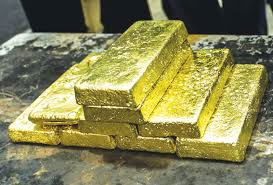
Uganda has established itself as East Africa’s premier gold refining and export hub, largely due to its strategic location, advanced refineries, and favorable trade policies. Beyond domestic production, Uganda plays a critical role in processing gold from neighboring countries, particularly the Democratic Republic of Congo (DRC) and South Sudan, transforming raw or semi-refined gold into investment-grade bullion suitable for international markets.
Key Factors Behind Uganda’s Refining Hub Status
- High Export Volumes
- Uganda’s gold exports have grown significantly in recent years, with bulk shipments regularly reaching destinations such as Dubai, Switzerland, and India.
- Licensed refineries process hundreds of kilograms of gold monthly, providing a reliable supply for international buyers.
- Refining Capacity
- Facilities like Africa Gold Refinery (AGR) can refine gold to 99% purity, meeting LBMA and global trade standards.
- This makes Uganda a trusted source for buyers seeking ready-to-export bullion, reducing the need for additional refining abroad.
- Regional Gold Processing
- Uganda imports raw or semi-processed gold from the DRC and South Sudan, offering a centralized processing point in East Africa.
- By converting artisanal and small-scale mining output into certified bullion, Uganda increases the market value and trade readiness of regional gold.
- Documentation and Compliance
- Exported gold comes with assay reports, certificates of origin, and URA-approved export permits, ensuring compliance with international regulations.
- This transparency enhances Uganda’s reputation as a safe, reliable hub for bulk gold trade.
- Trade Advantages
- Favorable tax regimes and trade-friendly export policies incentivize both local and regional miners to route gold through Uganda.
- Buyers benefit from lower transaction costs and a streamlined export process, making Uganda the preferred gateway for East African gold.
Note
Uganda’s combination of advanced refining infrastructure, high export capacity, and regional sourcing positions it as a cornerstone of East Africa’s gold trade. By centralizing the processing of DRC and South Sudan gold, Uganda not only boosts local revenue but also provides buyers with high-purity, internationally certified gold, a major competitive advantage in 2026.
Kenya’s Industrial Shift: The New Kakamega Gold Refinery
In May 2026, Kenya marked a significant milestone in its gold industry with the opening of the state-backed Kakamega Gold Refinery, signaling a major shift toward industrial-scale processing and formalization of artisanal mining. This initiative is part of the government’s broader strategy to strengthen regulatory oversight, improve traceability, and boost export readiness.
Key Features of the Kakamega Gold Refinery
- State-Backed Industrial Facility
- Fully funded and supported by the Kenyan government, the refinery is designed to handle medium-to-large volumes of gold, bridging the gap between artisanal miners and export markets.
- It ensures that gold meets international standards (99.5%–99.9% purity) suitable for trade in Dubai, Switzerland, and Asia.
- Formalization of Artisanal Mining
- One of the refinery’s main objectives is to integrate informal artisanal and small-scale miners (ASM) into the formal economy.
- Miners are now registered and licensed, ensuring traceability, proper documentation, and access to technical support.
- Improved Assay and Certification Services
- The Kakamega facility provides official assay reports and purity certifications, helping Kenyan gold compete with regional standards.
- This reduces the reliance on third-party testing and minimizes disputes over purity and weight.
- Export and Market Impact
- The refinery strengthens Kenya’s export capacity, providing buyers with certified bullion that can more easily access international markets.
- It also encourages investment in local gold projects, as miners and investors now have a formal pathway to monetize their output.
- Economic and Regulatory Benefits
- Encourages compliance with royalty payments and taxes, improving revenue collection for the government.
- Reduces the risk of conflict gold entering the supply chain, aligning with global ethical sourcing standards.
Implications for Buyers
- Traceability and Security: Buyers can now source gold that is fully documented, certified, and traceable from mine to refinery.
- Ethical Sourcing: The formalization of ASM reduces reliance on informal mining, making Kenya more attractive for ethically conscious investors.
- Competitive Investment Opportunities: With improved refining standards and certification, Kenyan gold can now compete regionally, offering both smaller-scale and boutique investors better access to legal, high-quality gold.
In short, the Kakamega Gold Refinery represents Kenya’s leap into a more structured, industrialized gold market, balancing artisanal mining support with international trading standards, a key development for buyers seeking ethical and traceable gold in East Africa.
Gold Price Comparison – Uganda vs Kenya ( Updated Rates)
Gold prices in 2026 are influenced by global spot prices, local market premiums, refining fees, and export costs. Understanding these differences is crucial for buyers seeking maximum value and verified quality.
24K Gold Price per Gram in Uganda vs Kenya
| Location | 24K Gold Price per Gram (2026) | Notes |
| Kampala, Uganda | $125–$130 | Prices include refinery fees; lower premiums for bulk buyers |
| Nairobi, Kenya | $128–$135 | Higher premiums due to royalties and smaller refining infrastructure |
| Global Spot Price | $124–$125 | Benchmark for both markets; local premiums added based on costs |
Insight:
Uganda offers slightly lower per-gram rates, especially for bulk purchases, while Kenya has higher premiums reflecting smaller supply and emerging industrial refining.
1kg Gold Bar Price Comparison (Uganda vs Kenya)
| Market | 1kg Gold Bar Price (2026) | Premium/Fees | Notes |
| Uganda | $124,500–$125,500 | Minimal | Export-ready 24K bullion; licensed refineries provide full documentation |
| Kenya | $125,500–$127,500 | Higher (~$1,000–$2,000) | Includes royalties and refining fees; certified via Kakamega refinery |
| Global Spot 1kg | ~$124,000 | Base price | Reference point for international buyers |
Takeaway: Buyers seeking bulk 1kg bars at minimal extra cost are better served by Uganda, while Kenya offers smaller-scale and certified options with stronger traceability.
Factors Affecting Gold Prices in East Africa
- Global Spot Prices: Local prices closely track international benchmarks (Dubai, London)
- Local Premiums & Royalties: Kenya applies structured royalties (~5%), Uganda has lower export taxes in trade zones
- Refining Fees: Certified refineries add minor costs; Uganda’s established refineries are more cost-efficient
- Supply & Demand: Uganda handles regional gold (DRC & South Sudan), increasing availability; Kenya relies on domestic ASM supply
- Transaction & Export Costs: Shipping, customs, and security affect buyer costs
| Factor | Uganda | Kenya |
| Spot Price Alignment | High | High |
| Premiums | Low to moderate | Higher |
| Refining Fees | Low | Moderate |
| Export/Transaction Costs | Minimal | Moderate |
| Availability | High (bulk) | Moderate (smaller batches) |
Where Buyers Get the Best Deals
- Uganda: Best for bulk international buyers, institutional investors, and those seeking ready-to-export 24K bars
- Kenya: Best for boutique investors, ethically conscious buyers, and small-scale transactions, especially via the Kakamega Gold Refinery
- Tips for All Buyers:
- Always verify assay reports, certificates of origin, and licensing
- Compare prices across licensed dealers and refineries
- Factor in transport, security, and export compliance costs
Summary:
In 2026, Uganda offers better price efficiency for bulk purchases, while Kenya provides traceability, ethical sourcing, and access to emerging digital gold investment platforms.
Purity and Quality Standards: What Buyers Need to Know
When buying gold in Uganda, Kenya, or across Africa, understanding purity and quality standards is critical to avoid losses and ensure you receive genuine value for your money. Gold purity is measured in karats (K) or fineness, and it directly affects pricing, resale value, and export eligibility. Certified gold should always come with proper documentation, such as an assay report, certificate of origin, and export license.
Below is a clear breakdown of gold purity standards and what buyers should expect:
| Gold Type | Karat (K) | Purity (%) | Common Use | Buyer Tips |
| 24K Gold | 24K | 99.9% – 99.99% | Investment bars, bullion | Best for investment; always request assay certification |
| 22K Gold | 22K | 91.6% | Jewelry, some coins | Slightly mixed with alloys; confirm weight vs purity |
| 18K Gold | 18K | 75% | Jewelry | Lower value; not ideal for bullion investment |
| 14K Gold | 14K | 58.3% | Commercial jewelry | Avoid for investment purposes |
| Raw Gold (Dore Bars) | Varies (usually 85%–95%) | Not fully refined | Mining/export stage | Requires refining; verify assay before purchase |
Note
- Assay Report: Confirms the exact gold purity and weight from a certified laboratory
- Hallmarking: Indicates official verification (more common in international markets)
- Weight Verification: Use calibrated digital scales to avoid underweight scams
- Source Verification: Ensure gold is sourced from licensed miners or dealers
- Refinery Certification: Prefer gold refined by recognized refineries for easy resale
For serious buyers and investors, focusing on 24K gold bars with full documentation is the safest and most profitable approach, especially when sourcing from trusted dealers in Africa.
Refining Capacity: 99.9% Purity and Assay Certifications
Refining capacity plays a major role in determining the quality, reliability, and export readiness of gold from Uganda and Kenya. Buyers in 2026 are increasingly prioritizing 99.9% (24K) refined gold backed by internationally recognized assay certifications, which confirm purity, weight, and authenticity.
Uganda has positioned itself as a regional hub for gold refining, led by established facilities like Africa Gold Refinery (AGR). These refineries are equipped with advanced technology capable of producing LBMA-standard gold (99.99% purity) and issuing detailed assay reports that meet global export requirements (Dubai, Europe, Asia). This makes Ugandan gold more attractive for bulk buyers and international investors.
Kenya, on the other hand, is still developing its refining ecosystem. The country has focused on standardized smelting and small-scale refining facilities, mainly to formalize artisanal mining and improve traceability. While Kenya is making progress, most of its gold still requires further refining to reach full 99.9% purity suitable for international markets.
Uganda vs Kenya: Refining Capacity Comparison
| Factor | Uganda (Established Refineries) | Kenya (Emerging Facilities) |
| Refining Level | Advanced (99.9% – 99.99%) | (85% depending on the facility |
| Key Facilities | Africa Gold Refinery (AGR), other private refineries | Small-scale smelters, government-supported plants |
| Assay Certification | International-standard assay reports available | Limited; often requires third-party verification |
| Export Readiness | High – meets Dubai & global standards | Moderate – may further refine |
| Technology | Modern refining (electrolysis, chemical refining) | Basic smelting and gradual upgrades |
| Buyer Confidence | High due to certification & consistency | Growing but still developing |
Buyers note
- Uganda is ideal for buyers seeking ready-to-export 24K gold bars with full certification and minimal risk
- Kenya offers opportunities at potentially lower entry prices, but may involve additional refining costs and verification steps
- For international trade, gold with clear assay reports and refinery stamps is easier to sell and transport
In summary, Uganda currently leads in refining capacity and certified gold output, while Kenya is steadily improving its infrastructure to compete in the regional gold market.
Raw Gold vs. Bullion: Identifying Karat Values (22K to 24K)
Understanding the difference between raw gold (unrefined) and bullion (refined gold bars) is essential for buyers comparing Uganda and Kenya. The key distinction lies in purity, consistency, and certification. While bullion is refined to a uniform 22K–24K standard, raw gold varies in composition depending on its source.
Uganda is widely known for its “river gold”, which is naturally washed and concentrated through alluvial processes. This gives it a high baseline purity, often 90%+ (around 21.6K to 22K equivalent), even before refining. In contrast, Kenyan artisanal gold nuggets are typically mined from mixed deposits and may contain more impurities such as quartz, iron, or other minerals, resulting in lower and less consistent purity levels.
Uganda vs Kenya: Raw Gold Purity Comparison
| Factor | Uganda “River Gold” | Kenya Artisanal Nuggets |
| Source Type | Alluvial (riverbeds, sediments) | Hard rock & artisanal mining |
| Baseline Purity | High (90% – 95%) | Moderate (75% – 90%) |
| Karat Equivalent | 21.6K – 22.8K | 18K – 21.6K |
| Impurities | Low (naturally washed) | Higher (mixed minerals, |
| Consistency | More uniform across batches | Varies significantly by region |
| Refining Needed | Minimal to reach 24K | More intensive refining is required |
| Buyer Risk | Lower (predictable quality) | Higher (requires strict testing) |
Raw Gold vs Bullion (Refined Gold Bars)
| Category | Raw Gold | Bullion Gold |
| Purity | 75% – 95% (varies) | 99.9% – 99.99% (24K) |
| Form | Nuggets, dust, dore bars | Cast or minted bars |
| Certification | Usually none (requires assay) | Full certification + hallmark |
| Pricing | Discounted (due to impurities) | Premium market price |
| Investment Value | Medium (after refining) | High (ready for trade/export) |
What Buyers Should Know
- Ugandan river gold offers a strong advantage due to its naturally higher starting purity, reducing refining costs and increasing profit margins
- Kenyan nuggets can still be valuable but require careful assay testing to confirm karat value before purchase
- Always convert raw gold purity into karat equivalents (22K–24K) to understand its true market value
- For international buyers, refined bullion with certification remains the safest and most liquid asset
In short, Uganda’s raw gold gives buyers a head start toward 24K refinement, while Kenyan artisanal gold may offer lower upfront prices but comes with greater variability and processing requirements.
Gold Availability and Supply Chain Analysis – Uganda vs Kenya
Understanding where gold comes from, how it moves through the supply chain, and bulk availability is crucial for buyers looking to source efficiently and safely in 2026. Uganda and Kenya have different sourcing strategies, supply volumes, and market structures, which directly impact wholesale buyers.
Gold Sources in Uganda (DRC, South Sudan, Tanzania)
Uganda serves as a regional gold hub, processing both domestic production and gold imported from neighboring countries.
| Source | Type of Gold | Approximate Purity | Supply Notes |
| Democratic Republic of Congo (DRC) | Raw/semi-refined | 85–95% | Often exported to Uganda for refining and certification |
| South Sudan | Alluvial & artisanal | 88–92% | Smaller volumes but steadily increasing |
| Tanzania | Mixed origin (ASM + industrial) | 90–95% | Routed through licensed exporters and refineries |
| Uganda Domestic | River gold & artisanal | 90–95% | High baseline purity; minimal refining needed |
Insight: Uganda’s access to regional gold streams allows buyers to secure bulk volumes with consistent quality and certified export readiness.
Gold Supply in Kenya: Local Mining vs Imports
Kenya relies primarily on domestic artisanal and small-scale mining (ASM), though imports are increasing through new refining facilities.
| Source | Type of Gold | Approximate Purity | Supply Notes |
| Domestic ASM | Nuggets & dust | 75–90% | Production varies by region; smaller scale and variable purity |
| Kakamega Refinery Imports | Semi-refined | 90–99% | Imported from regional sources, processed for certified bullion |
| Nairobi Dealers | Refined bars | 99.9% | Limited volumes; primarily for boutique investors |
note: Kenya’s gold supply is smaller in volume and less uniform, making it better for small-scale or ethically sourced purchases, but less ideal for bulk wholesale deals.
Bulk Gold Availability (5kg – 100kg Deals)
| Market | Typical Bulk Availability | Purity | Certification | Buyer Notes |
| Uganda | 5–100kg per order | 99.9%–99.99% | Assay report + certificate of origin | Ideal for institutional buyers and exporters |
| Kenya | 5–20kg per order | 99.5%–99.9% | Kakamega refinery certificate (emerging) | Suitable for boutique investors; larger orders require coordination |
| Regional Considerations | Uganda sources regionally | Kenya sources mostly domestically | Uganda provides easier scaling for large deals |
Insight: Uganda’s infrastructure supports large-scale orders with consistent quality, whereas Kenya’s volumes are more limited and variable.
Which Country is Better for Wholesale Buyers?
- Uganda:
- High-volume availability from both domestic and regional sources
- Certified export-ready gold (24K, 99.9%+)
- Streamlined logistics and lower transaction costs
- Kenya:
- Smaller-scale supply suited for boutique or ethical investors
- Traceability and formalization are improving via the Kakamega refinery
- Limited bulk availability; larger deals require extra coordination
The Role of Hallmarking: KEBS (Kenya) vs. URA (Uganda) Documentation
Hallmarking and official documentation are essential for verifying gold purity, legality, and export compliance. In East Africa, Kenya and Uganda use different institutional frameworks to regulate gold quality and trade. Kenya relies more on standardization bodies like KEBS, while Uganda’s system is driven by URA and licensed refinery/export documentation.
KEBS vs URA: Gold Hallmarking & Documentation Comparison
| Factor | Kenya (KEBS & Related Bodies) | Uganda (URA & Refinery System) |
| Main Authority | KEBS (Kenya Bureau of Standards) | URA (Uganda Revenue Authority) + Ministry of Energy & Mineral Development |
| Role in Gold Trade | Sets standards, testing, and certification guidelines | Oversees export, taxation, and documentation compliance |
| Hallmarking System | Developing; more common in jewelry than bullion | Limited traditional hallmarking; relies on refinery stamps & export docs |
| Assay Certification | KEBS-approved labs & private assay offices | Refinery-issued assay reports (e.g., AGR) widely used |
| Key Documents Issued | Certificate of conformity, assay reports | Export permit, certificate of origin, assay report, customs clearance |
| Bullion Verification | Requires third-party or international verification in many cases | Verified through licensed refineries with stamped bars |
| Export Compliance | Must meet KEBS standards + customs procedures | Strict URA export process with full documentation required |
| Global Acceptance | Growing but still developing internationally | Higher acceptance due to refinery-backed certification |
| Traceability | Improving with formalization efforts | Stronger due to centralized export documentation |
What This Means for Buyers
- Kenya (KEBS): Focuses on standardization and testing, but buyers may need additional third-party verification, especially for export-grade bullion
- Uganda (URA + Refineries): Provides a more complete documentation package, especially when gold is sourced through licensed exporters and refineries
- Hallmark vs Documentation: In Africa, official export documents and assay reports often carry more weight than traditional hallmark stamps
- Always ensure gold comes with verifiable paperwork, including assay results and proof of origin, regardless of country
In practice, buyers sourcing from Uganda often benefit from a more streamlined export-ready system, while Kenya is steadily strengthening its hallmarking and certification framework to match international standards.
Regulatory Environment and Buyer Safety: Uganda vs Kenya
The regulatory environment directly affects how safe and smooth your gold purchase will be. Both Uganda and Kenya have made progress in formalizing the gold trade, but they differ in structure, enforcement, and buyer protection mechanisms.
Uganda operates a centralized export-driven system, where gold transactions especially for international buyers are tied to licensed dealers, refineries, and strict export procedures managed by URA and the Ministry of Energy. Kenya, meanwhile, is building a more decentralized but evolving framework, focusing on regulating artisanal mining and improving traceability through institutions like KEBS and the Ministry of Mining.
Uganda vs Kenya: Regulatory Framework & Buyer Safety
| Factor | Uganda | Kenya |
| Key Authorities | URA, Ministry of Energy & Mineral Development | Ministry of Mining, KEBS, Kenya Revenue Authority |
| Licensing System | Strong – exporters & dealers must be licensed | Improving – licensing exists, but enforcement varies |
| Export Process | Structured and document-heavy (permits, origin, assay) | Developing may require additional verification |
| Buyer Protection | Higher when dealing with licensed exporters/refineries | Moderate; depends on dealer credibility |
| Risk of Fraud | Lower in formal channels, higher in informal markets | Higher in informal artisanal markets |
| Documentation | Comprehensive (export license, assay, certificate of origin) | Varies; often needs third-party validation |
| Traceability | Stronger due to export controls | Improving with government reforms |
| Market Transparency | Moderate to high | Moderate (still developing) |
| Ease of Doing Business | Easier through established exporters | Can be complex without local knowledge |
Key Safety Tips for Buyers
- Work Only with Licensed Dealers: In both countries, avoid informal brokers without verifiable licenses
- Verify Documentation: Always request assay reports, export permits, and certificates of origin
- Use Escrow or Secure Payment Methods: Especially for international transactions
- Conduct On-Site or Third-Party Testing: Never rely on verbal claims of purity
- Understand Local Laws: Exporting gold without proper permits can lead to confiscation or legal issues
Final Insight
- Uganda currently offers a more structured and export-ready environment, making it safer for international buyers when working with recognized companies and refineries
- Kenya presents growing opportunities, but requires extra due diligence, especially when dealing with artisanal sources
For maximum safety, buyers should prioritize compliance, verified suppliers, and full documentation over lower prices, regardless of the country.
Traceability and Ethical Sourcing: Navigating the “Conflict Gold” Challenge
Traceability has become a major concern for gold buyers in 2026, especially with increasing global pressure to eliminate “conflict gold” from supply chains. Buyers must ensure that gold is legally sourced, responsibly mined, and fully documented from origin to export. This is where Uganda and Kenya differ significantly in structure and risk exposure.
Uganda operates as a regional gold trading and refining hub, meaning a large portion of its gold supply originates from neighboring countries like the DRC, South Sudan, and Tanzania. While this creates high-volume opportunities, it also introduces traceability challenges, requiring strict due diligence to confirm the true origin and ethical sourcing of the gold.
Kenya, in contrast, relies more on domestic artisanal and small-scale mining (ASM). Although production volumes are lower, the supply chain is generally shorter and easier to track, which can simplify compliance for ethically conscious buyers, though informality still poses risks.
Uganda vs Kenya: Traceability & Ethical Sourcing Comparison
| Factor | Uganda (Regional Supply Chain) | Kenya (Domestic-Focused Production) |
| Supply Source | Regional (DRC, South Sudan, Tanzania, and local) | Primarily domestic ASM production |
| Traceability Complexity | High multiple cross-border sources | Moderate shorter supply chain |
| Conflict Gold Risk | Higher if the source is not verified | Lower, but still present in informal mining |
| Due Diligence Required | Extensive (origin verification, audits) | Moderate (site-level verification) |
| Documentation | Strong export docs, but origin may need deeper validation | Less standardized, may require third-party checks |
| OECD Compliance | Possible through certified exporters/refineries | Developing, not always fully aligned |
| Transparency | Depends on supplier credibility | Improving with formalization efforts |
| Buyer Responsibility | High and must verify the entire chain | Medium is easier to trace, but still requires checks |
Key Due Diligence Steps for Buyers
- Verify Country of Origin: Don’t rely only on export documents—request mining site details where possible
- Request OECD-Compliant Documentation: Especially for large transactions or international exports
- Work with Certified Refineries: In Uganda, refineries can help improve traceability through proper processing records
- Conduct Supplier Audits: Physically verify operations or use trusted third-party inspectors
- Check for Red Flags: Unusually low prices, lack of paperwork, or pressure to bypass legal channels
What This Means for Buyers
- Uganda offers access to large volumes of gold, but requires advanced due diligence systems to ensure ethical sourcing
- Kenya provides a more localized and potentially transparent supply, though buyers must still navigate informal mining structures
- For international compliance (Dubai, EU, OECD standards), traceability is just as important as purity and price
In conclusion, ethical sourcing is no longer optional; it is a critical requirement for safe, legal, and profitable gold trading. Buyers who invest in proper due diligence will reduce risk, protect their investments, and gain easier access to global markets.
Logistics, Export, and Taxes: The Practical Side of Buying
Export Permits and Royalties: A Cost-Benefit Analysis
When buying gold in East Africa, understanding export costs, taxes, and licensing structures is essential for calculating your true profit margin. Uganda and Kenya take different approaches in 2026, with Uganda focusing on tax efficiency and export incentives, while Kenya applies more structured royalty systems tied to mining output.
| Factor | Uganda (2026) | Kenya (2026) |
| Export Permits | Issued by Ministry + URA; streamlined via licensed exporters | Required via Ministry of Mining + customs approvals |
| Royalties | Generally low or flexible (often negotiated or embedded in pricing) | Fixed royalty (typically ~5% for gold, may vary by license) |
| Export Taxes | Minimal in special trade zones; incentives for exporters | Applicable taxes + compliance fees |
| Licensing Costs | Paid by exporter; buyers often don’t pay directly | Can affect final price passed to buyer |
| Processing Time | Faster with established exporters (1–5 days) | Moderate (3–10 days depending on compliance) |
| Cost Advantage | Lower total export cost | Higher compliance and royalty costs |
| Profit Impact | Higher margins for bulk buyers | Slightly reduced margins due to royalties |
Key Insight:
- Uganda is more attractive for international buyers due to lower export costs and flexible tax structures
- Kenya offers a more regulated system, but royalties and compliance fees can increase the final acquisition cost
Secure Shipping: Working with Brinks and Malca-Amit in East Africa
Transporting gold safely is a critical step in the buying process. buyers rely on specialized logistics companies like Brinks and Malca-Amit, which operate in East Africa and provide high-security shipping solutions.
| Feature | Brinks | Malca-Amit |
| Service Type | Global secure logistics | Secure transport + vaulting |
| Coverage | Uganda, Kenya, global routes (Dubai, Europe, Asia) | Strong presence in Kenya (Nairobi hub) |
| Security Level | Armed transport, real-time tracking | High-security chain-of-custody systems |
| Insurance | Full-value insurance options | Customized insurance coverage |
| Transit Time | 2–5 days internationally | 2–5 days depending on route |
| Ideal For | Large bullion shipments | High-value, customized logistics |
What Buyers Should Do:
- Always ship gold through insured, professional carriers
- Ensure chain-of-custody documentation is maintained from pickup to delivery
- Confirm customs clearance procedures before shipment
Digital Gold and Tokenization: New Investment Frontiers in Nairobi
Nairobi is emerging as a fintech-driven gold investment hub, introducing new ways to buy, sell, and store gold through digital platforms and tokenization.
What is Digital Gold?
Digital gold allows investors to buy fractional gold (as low as 1 gram or less) through online platforms, backed by physical gold stored in secure vaults.
Tokenization Explained:
Gold tokenization uses blockchain technology to represent physical gold as digital tokens. Each token corresponds to a specific quantity of real gold, making trading faster and more transparent.
| Feature | Digital Gold Platforms | Tokenized Gold |
| Investment Size | Small to large (fractional buying) | Highly flexible (micro-investments) |
| Backing | Physical gold in vaults | Blockchain-backed + physical reserves |
| Liquidity | High (easy to buy/sell online) | Very high (24/7 trading potential) |
| Transparency | Platform-based reporting | Blockchain verification |
| Popularity in Nairobi | Growing with fintech startups | Emerging innovation space |
Why It Matters:
- Opens gold investment to younger and tech-savvy investors
- Reduces barriers like storage, transport, and security risks
- Positions Nairobi as a future leader in digital commodity trading in Africa
Final Insight:
While traditional gold trading in Uganda and Kenya still dominates, digital gold and tokenization are reshaping the market, offering faster, more accessible, and transparent investment opportunities, especially in Kenya’s growing tech ecosystem.
Final Verdict: Which is Better for You in 2026?
Choosing between Uganda and Kenya ultimately depends on your buying goals, risk tolerance, and investment strategy. Both markets offer real opportunities but they serve different types of buyers.
Why Large-Scale Traders Still Favor Uganda
For bulk buyers and international traders, Uganda remains the top choice in East Africa due to its well-developed export ecosystem and cost advantages.
- High-Volume Availability: Uganda acts as a regional hub, giving access to large quantities of gold from across Central and East Africa
- Refinery Advantage: Established refineries (like AGR) produce 9%–99.99% gold, ready for export markets like Dubai
- Lower Export Costs: Flexible tax structures and trade-friendly policies improve profit margins on bulk deals
- Faster Transactions: Experienced exporters and streamlined documentation reduce delays
- Global Market Access: Gold from Uganda is often already aligned with international trade standards
Bottom Line:
Uganda is ideal if your focus is bulk trading, fast turnover, and maximizing profit margins with export-ready gold.
Why Boutique Investors and Ethical Buyers are Moving to Kenya
Kenya is gaining attention among smaller-scale investors and ethically focused buyers who prioritize traceability and controlled sourcing.
- Simpler Supply Chains: More domestic gold production, making it easier to trace the origin
- Ethical Sourcing Appeal: Shorter supply chains can support responsible sourcing practices when properly verified
- Growing Regulation: Ongoing reforms are improving transparency and standardization
- Flexible Entry Point: Suitable for buyers looking to start with smaller quantities or niche investments
- Fintech Innovation: Nairobi’s rise in digital gold and tokenization offers modern investment options
Note:
Kenya is better suited for buyers who value traceability, smaller transactions, and emerging digital investment opportunities, even if it requires more due diligence.
Final Insight
- Choose Uganda if you want scale, efficiency, and export-ready gold
- Choose Kenya if you prioritize ethical sourcing, transparency, and innovative investment models
In 2026, the smartest buyers are not choosing one over the other; they are leveraging both markets strategically, depending on their specific investment goals.
Risk Analysis – Scams, Fraud & Buyer Protection
Buying gold in East Africa carries potential risks, particularly when dealing with informal markets. Understanding common scams, safety measures, and essential documentation is critical for both domestic and international buyers.
Common Gold Scams in Uganda and How to Avoid Them
- Underweight Gold: Selling gold bars or nuggets that weigh less than stated
- Fake or Adulterated Gold: Mixing gold with cheaper metals, reducing purity
- False Documentation: Forged assay reports, certificates of origin, or export permits
- Unlicensed Dealers: Sellers without official licenses who avoid regulatory oversight
- Solution: Always verify the dealer’s license, conduct assay tests, and request official documents
Is Kenya Safer for Gold Buyers?
- Kenya has smaller, more traceable domestic supply chains, which makes ethical sourcing easier to verify
- The Kakamega Gold Refinery strengthens formalization, improving buyer safety
- However, informal markets still exist, so buyers must conduct due diligence
How to Verify a Legit Gold Dealer in East Africa
| Verification Step | Uganda | Kenya |
| Licensing | Check the URA-approved exporter license | Check the Ministry of Mining/KEBS license |
| Dealer Reputation | Verify through refinery partnerships | Review Kakamega refinery affiliation & client references |
| Assay & Certification | Must provide official assay reports & certificate of origin | Must provide refinery-issued assay reports |
| Physical Verification | On-site visit recommended | On-site visit recommended |
| Transaction Security | Use escrow or secure payment channels | Use Brinks or Malca-Amit for transport |
| Red Flags | Price too low, lack of documentation, high-pressure sales | Price too low, missing certification, unknown supplier |
Essential Documents: Assay, Certificate of Origin & Export Permits
| Document | Purpose | Uganda | Kenya |
| Assay Report | Confirms gold purity and weight | Issued by licensed refineries ( AGR) | Issued by Kakamega or KEBS-approved labs |
| Certificate of Origin | Verifies mining source and legal provenance | Provided by the exporter and the Ministry of Energy | Provided by licensed exporter/mining association |
| Export Permit | Required for legal export | Issued by URA and the Ministry of Energy | Issued by the Ministry of Mining & customs authorities |
| Additional Verification | Helps detect fraud & ensure international compliance | Recommended for bulk/international deals | Recommended for bulk or high-value deals |
Key Tips for Buyers:
- Always cross-check documents with regulatory authorities
- Avoid deals without assay reports and certificates of origin
- Prefer dealers with licensed refineries and trackable supply chains
- Use insured, secure shipping for international transactions
Conclusion
When comparing Uganda gold vs Kenya gold in 2026, the best choice depends on your priorities as a buyer or investor. Uganda stands out for affordability and availability, with a strong position as a regional gold trading hub sourcing from neighboring countries like the DRC and South Sudan. This often makes gold prices slightly lower and more competitive for bulk buyers.
On the other hand, Kenya offers a more structured and transparent market, with improved regulations, better documentation processes, and growing investor confidence. While prices may be slightly higher, the added layer of compliance and traceability can reduce risk, especially for international buyers.
In summary, choose Uganda for lower prices and high-volume deals, and Kenya for regulatory stability and safer transactions. The most successful buyers often combine both markets, sourcing competitively from Uganda while leveraging Kenya’s improving systems for verification and trade support to balance profit and security.