Verify Gold Authenticity | Don’t Get Ripped Off by Fakes
Gold remains one of the world’s most trusted stores of value, but the rise of counterfeit bullion, fake jewelry, and gold-plated replicas has made authentication more important than ever. Whether you are buying gold bars, coins, jewelry, nuggets, or scrap gold, knowing how to verify gold authenticity can protect you from costly fraud and poor-quality products.
Professional gold dealers use scientific methods such as density analysis, XRF scanning, acid testing, and assay certification to confirm purity and legitimacy. However, many basic authenticity checks can also be performed at home using simple tools like magnets, water, ceramic surfaces, and hallmark inspection.
This guide explains the difference between real gold and fake gold, the core metrics used in authentication, and the most reliable ways to test gold safely. You will learn how to identify counterfeit gold, understand purity markings like 24K and 999, compare professional and home testing methods, and avoid common scams when purchasing gold online or from local dealers.
Whether you are an investor, jewelry buyer, collector, or first-time gold purchaser, understanding gold verification is essential for making safe and informed buying decisions.
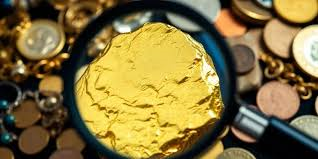
The Core Metrics of Gold Authenticity
Before testing whether gold is real, it is important to understand what makes gold authentic in the first place. Professional gold dealers, refiners, jewelers, and assay laboratories evaluate gold using several core metrics. These measurements determine the value, purity, durability, and legitimacy of a gold item.
Understanding these metrics helps buyers avoid scams, compare products correctly, and make informed investment decisions.
- Gold Purity (Karat or Fineness)
Gold purity is the most important metric of authenticity. It measures how much actual gold exists inside an item compared to other mixed metals.
Gold Karat System
Gold jewelry and bars are commonly measured in karats (K or KT):
| Karat | Gold Percentage | Common Use |
| 24K | 99.9% pure gold | Investment bars & coins |
| 22K | 91.6% gold | Jewelry in Africa, Asia & Middle East |
| 18K | 75% gold | Luxury jewelry |
| 14K | 58.3% gold | Durable everyday jewelry |
| 10K | 41.7% gold | Budget jewelry |
Gold Fineness System
Investment-grade gold is often measured using fineness numbers:
| Fineness | Purity |
| 999 or 999.9 | Pure gold |
| 916 | 22K gold |
| 750 | 18K gold |
| 585 | 14K gold |
For example, a gold bar stamped 999.9 means it contains 99.99% pure gold.
- Density and Weight
Real gold has a unique density that helps distinguish it from fake metals.
Why Density Matters
Gold is extremely dense and heavy compared to most imitation metals. A fake gold item may look real, but it often feels lighter than genuine gold.
Approximate Density of Gold
| Material | Density (g/cm³) |
| Pure Gold | 19.32 |
| Silver | 10.49 |
| Copper | 8.96 |
| Brass | 8.4–8.7 |
Professional gold testers often combine weight and dimensions to calculate density and verify authenticity.
- Hallmarks and Stamps
Authentic gold products usually contain markings that indicate purity and manufacturer details.
Common Gold Hallmarks
| Stamp | Meaning |
| 24K | Pure gold |
| 999 | 99.9% gold |
| 916 | 22K gold |
| 750 | 18K gold |
| 585 | 14K gold |
Some items also include:
- Manufacturer logos
- Refinery names
- Assay office marks
- Serial numbers
Important Note
Hallmarks alone do not guarantee authenticity because counterfeiters can fake stamps. Physical and chemical testing is still necessary.
- Magnetic Properties
Gold is a non-magnetic metal. Real gold should not strongly react to a magnet.
What This Means
If a gold item is strongly attracted to a magnet, it may contain iron or steel and could be fake or gold-plated.
However:
- Some counterfeit metals are also non-magnetic.
- The magnet test should only be used as an initial screening method.
Professional verification requires additional testing.
- Color and Surface Appearance
The visual appearance of gold provides clues about authenticity and purity.
Real Gold Characteristics
Authentic gold usually has:
- A consistent yellow tone
- Smooth finishing
- No discoloration or peeling
- Uniform color throughout the item
Signs of Fake Gold
Fake or plated gold may show:
- Fading color
- Green or black marks
- Peeling layers
- Uneven coloring
Different karat levels also affect color:
- 24K gold appears deep yellow
- 18K gold has a softer tone
- White gold contains mixed alloys
- Conductivity and Chemical Stability
Gold conducts electricity efficiently and resists corrosion.
Why This Matters
Real gold:
- Does not rust
- Does not tarnish easily
- Resists oxidation
- Maintains long-term shine
This is why gold is used in:
- Electronics
- Aerospace technology
- Medical equipment
- Investment bullion
Fake gold alloys often discolor over time due to chemical reactions.
- Assay Certification
Professional gold authentication relies heavily on assay testing.
What Is an Assay?
An assay is a scientific analysis that determines:
- Gold purity
- Metal composition
- Weight accuracy
- Refinery compliance
Common Assay Methods
| Method | Accuracy Level |
| XRF Testing | High |
| Fire Assay | Very High |
| Acid Testing | Moderate |
| Electronic Gold Testers | Moderate to High |
Certified gold bars usually include assay certificates from recognized refiners or laboratories.
- Source and Chain of Custody
Authentic gold should come from a traceable and licensed source.
Trusted Sources Include:
- LBMA-approved refiners
- Licensed gold dealers
- Government-certified suppliers
- Registered mining companies
Why Chain of Custody Matters
A clear supply chain helps confirm:
- Legal sourcing
- Authenticity
- Export compliance
- Responsible mining practices
This is especially important when buying gold internationally or importing from Africa.
What Is Gold Authenticity and Why Does It Matter?
Gold authenticity refers to the process of confirming that a gold item is genuine and contains the stated level of purity. Authenticity checks help buyers, investors, and jewelers avoid counterfeit or low-quality gold products. Verifying gold ensures accurate value, legal compliance, and safer transactions in local and international gold markets.
Definition of Gold Purity — Karats, Fineness, and Hallmarks Explained
Gold purity measures how much real gold is contained in a piece of jewelry, coin, or bullion bar. Since pure gold is naturally soft, it is often mixed with other metals such as silver, copper, nickel, or zinc to improve durability.
Karats (K)
Karats are commonly used to measure gold purity in jewelers.
- 24K gold = 99.9% pure gold
- 22K gold = 91.6% pure gold
- 18K gold = 75% pure gold
- 14K gold = 58.5% pure gold
The higher the karat number, the greater the gold content and market value.
Gold Fineness
Fineness expresses gold purity in parts per thousand.
| Gold Purity | Fineness | Gold Percentage |
| 24K | 999 | 99.9% |
| 22K | 916 | 91.6% |
| 18K | 750 | 75.0% |
| 14K | 585 | 58.5% |
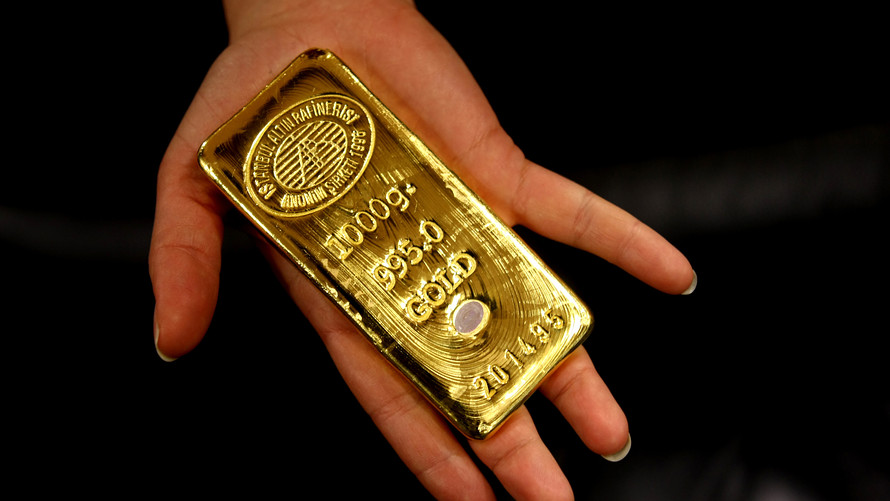
Gold bars and investment bullion are usually labeled using fineness marks such as 999.9 or 995.
Hallmarks
Hallmarks are official stamps placed on gold items to confirm authenticity, purity, and sometimes the manufacturer or assay office.
Common hallmark examples include:
- 999 — Pure gold
- 916 — 22K gold
- 750 — 18K gold
- 585 — 14K gold
Reputable gold products may also include refinery names, serial numbers, or certification marks from recognized authorities.
Risks of Fake Gold — Financial Loss, Health Hazards, and Legal Exposure
Buying counterfeit gold can lead to serious financial and legal consequences. Fake gold products are common in unregulated markets and online transactions.
Financial Loss
Counterfeit gold may contain little or no real gold, causing buyers to overpay for low-value metals. Investors can lose thousands of dollars when purchasing fake bullion bars, coins, or jewelry.
Health Hazards
Some fake gold alloys contain dangerous metals such as:
- Lead
- Cadmium
- Nickel
- Mercury residues
These materials may cause skin irritation, allergic reactions, or long-term health risks when worn regularly.
Legal Exposure
Trading unverified or illegally sourced gold can create compliance problems, especially in international transactions. Many countries require:
- Assay certificates
- Export permits
- Tax documentation
- Anti-money laundering compliance
Failure to verify authenticity may result in confiscation, fines, or legal disputes.
Who Needs to Verify Gold Authenticity?
Gold authentication is important for anyone involved in buying, selling, trading, or investing in precious metals.
Gold Buyers
Individual buyers need verification to ensure they receive genuine gold at the correct market value.
Gold Sellers and Traders
Dealers and exporters must verify authenticity to maintain trust, comply with regulations, and avoid disputes with clients.
Jewelers
Jewelers’ businesses rely on purity testing to price products accurately and protect their reputation.
Investors
Gold investors require authenticated bullion to preserve asset value and facilitate resale in global markets.
Pawn Shops and Refiners
Pawn brokers and refiners regularly test gold items before accepting them for resale, melting, or collateral purposes.
Difference Between Gold-Plated, Gold-Filled, and Solid Gold
Understanding the difference between gold-plated, gold-filled, and solid gold helps buyers make informed purchasing decisions.
Gold-Plated
Gold-plated jewelry has a very thin layer of gold applied over a base metal such as brass or copper. It is affordable but wears off over time with regular use.
Gold-Filled
Gold-filled items contain a thicker bonded layer of gold compared to plated jewelry. They are more durable and retain their appearance longer.
Solid Gold
Solid gold jewelers contain gold throughout the entire item rather than only on the surface. It offers the highest value, durability, and resale potential.
Comparison Table
| Feature | Gold-Plated | Gold-Filled | Solid Gold |
| Gold Content | Very thin surface layer | Thick bonded gold layer | The entire item contains gold |
| Durability | Low | Medium to High | Very High |
| Resale Value | Very Low | Moderate | High |
| Tarnish Resistance | Low | Better than plated | Excellent |
| Price Range | Cheapest | Mid-range | Most expensive |
| Common Use | Fashion jewelers | Quality affordable jewelers | Fine jewelers and investment |
| Lifespan | Short-term | Long-lasting | Can last generations |
Understanding these differences helps consumers avoid misleading products and choose gold items that match their budget, investment goals, and long-term needs.
How to Verify Gold Authenticity at Home: 7 DIY Tests
Testing gold at home can help identify counterfeit jewelry, coins, or bullion before making a purchase or sale. While home tests are useful for initial screening, professional assays and XRF testing remain the most accurate methods for high-value gold verification. Below are seven popular DIY gold authenticity tests, including their cost, accuracy level, and difficulty.
| Gold Test | Estimated Cost | Accuracy Rating | Difficulty Level |
| Magnet Test | Low | Moderate | Easy |
| Acid Test | Medium | High | Medium |
| Float/Density Test | Low | High | Medium |
| Ceramic Scratch Test | Low | Moderate | Easy |
| Skin Test | Free | Low | Very Easy |
| Hallmark Verification | Free | Moderate to High | Easy |
| Vinegar Test | Low | Low to Moderate | Easy |
1 The Magnet Test — How to Do It, What It Reveals, and Its Limitations
The magnet test is one of the quickest ways to identify fake gold at home. Pure gold is not magnetic, so genuine gold should not strongly attract a magnet.
How to Perform the Magnet Test
- Use a strong magnet, preferably a neodymium magnet.
- Hold the magnet close to the gold item.
- Observe whether the item moves or sticks to the magnet.
What the Results Mean
- No attraction: The item may be genuine gold.
- Strong attraction: The item likely contains iron or other magnetic metals and may be fake.
Limitations of the Magnet Test
This test is not fully reliable because some counterfeit metals are also non-magnetic. Additionally, gold alloys mixed with certain metals may show slight magnetic reactions without being fake.
| Factor | Details |
| Cost | Very low |
| Accuracy | Moderate |
| Best For | Quick screening |
| Limitation | Cannot confirm exact purity |
2 The Acid Test (Nitric Acid Scratch Test) — Step-by-Step with Safety Warnings
The acid test is one of the most trusted home methods for testing gold purity. It checks how gold reacts to nitric acid.
Safety Warning
Nitric acid is dangerous and can burn skin or damage surfaces. Always:
- Wear gloves and eye protection
- Work in a ventilated area
- Keep acid away from children
- Avoid direct skin contact
Step-by-Step Acid Test
- Rub the gold item on a testing stone to create a streak.
- Apply a small drop of nitric acid to the streak.
- Watch for a chemical reaction.
Interpreting the Results
- No reaction: Likely real gold
- Green reaction: Base metal or fake gold
- Milky reaction: Gold-plated silver
- Disappearing streak: Low-purity gold
| Factor | Details |
| Cost | Medium |
| Accuracy | High |
| Difficulty | Medium |
| Best For | Jewelers and small gold items |
- The Float / Density Test — Why Real Gold Sinks and How to Measure It
Gold is a very dense metal, which means authentic gold usually sinks quickly in water.
How to Perform the Float Test
- Fill a transparent container with water.
- Gently place the gold item into the water.
- Observe whether it sinks or floats.
Why Real Gold Sinks
Pure gold has a density of approximately 19.3 g/cm³, making it much heavier than most fake metals.
Measuring Density More Accurately
For better results:
- Weigh the gold item using a digital scale.
- Measure water displacement in a graduated container.
- Divide weight by displaced volume.
Results Interpretation
- Sinks immediately: Likely genuine gold
- Floats or hovers: Likely fake or hollow
| Factor | Details |
| Cost | Low |
| Accuracy | High |
| Difficulty | Medium |
| Best For | Coins, bars, and solid jewelers |
- The Ceramic Scratch Test — Reading the Streak Color Correctly
The ceramic scratch test helps identify fake gold using an unglazed ceramic surface.
How to Do the Test
- Use an unglazed ceramic plate or tile.
- Drag the gold item lightly across the surface.
- Examine the streak left behind.
Understanding the Streak Color
- Gold-colored streak: Likely genuine gold
- Black or dark streak: Possibly fake gold or another metal
Important Note
Scratching too hard can damage jewelers, especially plated items.
| Factor | Details |
| Cost | Very low |
| Accuracy | Moderate |
| Difficulty | Easy |
| Best For | Rings, chains, and small jewelers |
The Skin Discoloration Test — What Black or Green Marks Mean
Gold rarely reacts with human skin, especially high-purity gold. Fake or low-quality alloys may leave marks after contact.
How to Perform the Test
- Wear or rub the gold item against clean skin.
- Observe any color changes after sweating or friction.
What the Marks Mean
- Green marks: Copper or cheap alloy content
- Black marks: Cosmetic or metal reactions
- No marks: More likely genuine gold
Limitations
Skin chemistry, sweat, lotions, and makeup can affect results, making this test less reliable on its own.
| Factor | Details |
| Cost | Free |
| Accuracy | Low |
| Difficulty | Very easy |
| Best For | Basic preliminary testing |
The Hallmark and Stamp Verification Guide — Reading Karat Marks by Country
Hallmarks are official markings that indicate gold purity and authenticity.
Common Gold Hallmarks
| Karat | Hallmark | Purity |
| 24K | 999 or 999.9 | 99.9% |
| 22K | 916 | 91.6% |
| 18K | 750 | 75% |
| 14K | 585 | 58.5% |
Country-Specific Hallmark Systems
| Country | Common Marking Style |
| UAE/Dubai | 999, 916, 750 |
| India | BIS Hallmark |
| UK | Assay office symbols |
| Switzerland | Refinery stamps |
| USA | 10K, 14K, 18K |
What to Watch For
- Missing hallmarks
- Crooked or poorly engraved stamps
- Inconsistent purity markings
- Fake refinery logos
Hallmarks alone do not guarantee authenticity, but they are an important verification step.
| Factor | Details |
| Cost | Free |
| Accuracy | Moderate to High |
| Difficulty | Easy |
| Best For | Jewelers, bullion, and coins |
- The Vinegar Test — What Happens to Fake Gold and Why
Gold is chemically resistant and does not react strongly with vinegar. Fake metals may tarnish or change color when exposed.
How to Perform the Vinegar Test
- Place a few drops of white vinegar on the gold item.
- Wait 10–15 minutes.
- Rinse and inspect the surface.
Results Interpretation
- No color change: Likely genuine gold
- Darkening or discoloration: Possibly fake gold or low-quality alloy
Why Fake Gold Reacts
Counterfeit metals often oxidize or corrode when exposed to acidic substances like vinegar.
| Factor | Details |
| Cost | Low |
| Accuracy | Low to Moderate |
| Difficulty | Easy |
| Best For | Quick household testing |
Important Reminder About DIY Gold Testing
Home gold tests are useful for identifying obvious counterfeits, but they are not perfect. High-value transactions should always involve professional verification methods such as:
- XRF testing
- Fire assay analysis
- Certified assay laboratories
- Licensed gold dealers and refineries
Professional authentication provides the highest level of accuracy for investors, jewelers, and international gold buyers.
How to Verify the Authenticity of Specific Gold Items
Different gold products require different verification methods. Gold jewelers, coins, bullion bars, watches, and antique pieces each have unique features that help determine authenticity. Understanding how to inspect these items correctly can protect buyers from counterfeit products and costly mistakes.
How to Verify Gold Jewelers’ Authenticity (Rings, Necklaces, Bracelets)
Gold jewelry is one of the most commonly counterfeited gold products. Verifying authenticity involves checking purity marks, physical characteristics, and professional testing results.
- Check the Hallmark Stamp
Most genuine gold jewelers contain purity markings such as:
| Karat | Common Stamp |
| 24K | 999 |
| 22K | 916 |
| 18K | 750 |
| 14K | 585 |
Hallmarks are often located:
- Inside rings
- On necklace clasps
- Near bracelet fasteners
- Examine Color and Tarnish
Real gold maintains a consistent color and does not rust or tarnish easily. Fake gold may:
- Fade over time
- Show green or black discoloration
- Reveal base metals underneath scratches
- Perform Basic Home Tests
Popular jewelers verification methods include:
- Magnet test
- Ceramic scratch test
- Vinegar test
- Density test
- Use Professional Testing
For expensive jewelers, professional methods such as XRF analysis or certified assays provide more reliable results.
Signs of Fake Gold Jewelers
- Missing hallmarks
- Uneven color
- Strong magnetic attraction
- Skin discoloration after wear
How to Verify Gold Coins and Bullion Authenticity
Gold coins and bullion products are frequent targets for counterfeiters because of their high investment value.
- Verify Weight and Dimensions
Investment-grade gold coins and bullion have exact specifications.
Use:
- A precision digital scale
- Calipers for diameter and thickness
Even small differences may indicate a fake product.
- Check Mint Marks and Design Details
Authentic gold coins feature sharp engravings and consistent designs.
Inspect:
- Lettering quality
- Edge patterns
- Mint logos
- Surface finish
Counterfeit coins often have blurry or uneven details.
- Conduct Sound Testing
Real gold produces a distinctive long-lasting ringing sound when lightly tapped, while fake metals may sound dull.
- Use XRF or Electronic Testing
Professional verification is strongly recommended for:
- Rare coins
- High-value bullion
- International investment purchases
Common Authentic Gold Coins
| Coin | Country |
| American Gold Eagle | USA |
| Krugerrand | South Africa |
| Canadian Maple Leaf | Canada |
| Britannia | United Kingdom |
| Vienna Philharmonic | Austria |
How to Verify Gold Bars — Serial Numbers, Weight, and Mint Verification
Gold bars require careful authentication because counterfeit bars may contain tungsten or plated base metals.
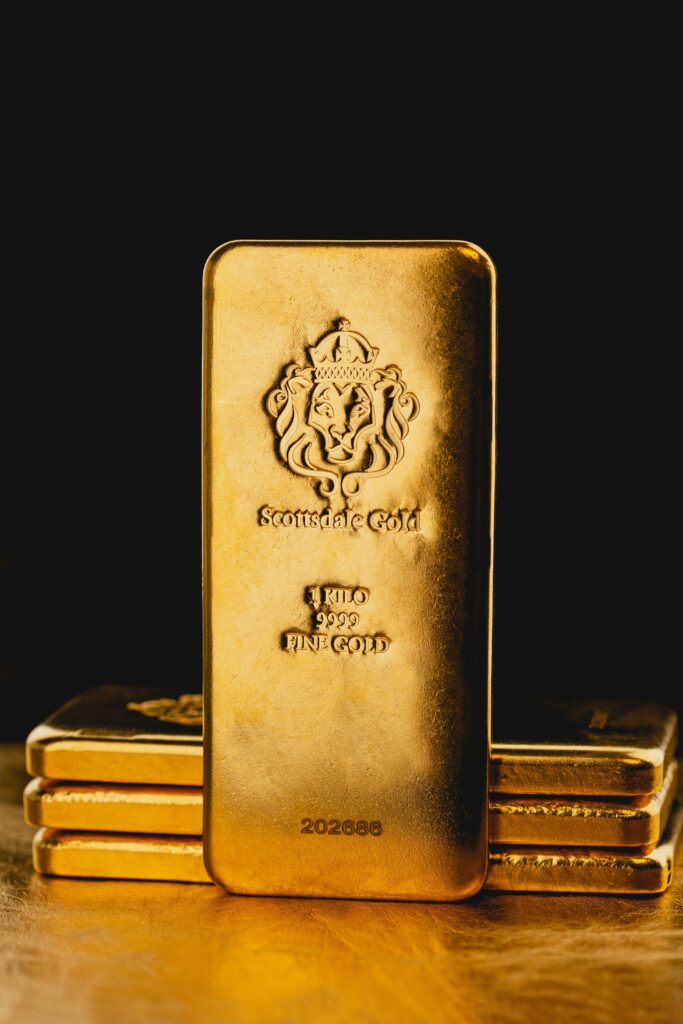
- Check the Serial Number
Most investment-grade gold bars include unique serial numbers.
Verify:
- Serial number consistency
- Engraving quality
- Matching assay certificates
Some refiners allow online serial verification.
- Confirm Refinery or Mint
Trusted refiners include:
| Refinery | Country |
| PAMP Suisse | Switzerland |
| Valcambi | Switzerland |
| Rand Refinery | South Africa |
| Perth Mint | Australia |
| Heraeus | Germany |
- Verify Weight and Dimensions
Authentic bars follow strict manufacturing standards.
Common bar sizes include:
- 1 gram
- 10 grams
- 100 grams
- 1 kilogram
Any unusual size or thickness may indicate tampering.
- Use Professional Scanning
Because counterfeit bars may contain hidden metals, XRF scanning or ultrasound testing is often recommended.
Warning Signs of Fake Gold Bars
- Misspelled refinery names
- Poor packaging
- Missing assay cards
- Incorrect weight
- Surface bubbles or discoloration
How to Tell if a Gold Watch Is Real
Luxury gold watches are heavily counterfeited, especially famous brands such as Rolex, Cartier, and Omega.
- Inspect the Weight
Real gold watches feel heavier than gold-plated imitations because gold is dense.
- Check Hallmarks and Model Numbers
Authentic watches usually contain:
- Gold purity stamps
- Manufacturer serial numbers
- Brand engravings
These markings are often found:
- Between lugs
- Inside clasps
- On case backs
- Look at Wear Patterns
Fake gold watches may show:
- Peeling gold coating
- Uneven coloring
- Exposed stainless steel beneath scratches
- Verify Through Authorized Dealers
Luxury watch brands often provide authentication services through official dealers or certified watchmakers.
Common Signs of Counterfeit Gold Watches
| Fake Indicator | Explanation |
| Lightweight feel | Often gold-plated |
| Weak engravings | Poor manufacturing quality |
| Rapid tarnishing | Base metal exposure |
| Incorrect serial number | Does not match manufacturer records |
Verifying Antique and Vintage Gold Items — Hallmark Dating by Era
Antique gold items require specialized verification because hallmarks and manufacturing standards changed over time.
- Identify Historical Hallmarks
Different countries used unique hallmark systems during specific periods.
| Country | Common Antique Hallmark Features |
| United Kingdom | Assay office symbols and date letters |
| France | Eagle or shell marks |
| Russia | Imperial gold marks |
| Germany | Crown and crescent symbols |
- Analyze Craftsmanship
Older gold items often feature:
- Hand engraving
- Traditional soldering methods
- Unique artistic details
Modern machine-made patterns may indicate replicas.
- Assess Patina and Wear
Genuine vintage gold develops natural aging characteristics without severe corrosion.
- Consult Antique Gold Experts
Professional antique appraisers can:
- Date hallmarks
- Identify historical periods
- Detect restored or altered pieces
- Confirm metal composition
Why Antique Verification Matters
Authentic antique gold may carry significant historical and collector value beyond its metal content. Proper authentication helps preserve investment value and prevents fraud in estate sales, auctions, and private transactions.
Common Gold Scams and How to Avoid Them
Gold fraud continues to increase as online trading, social media marketplaces, and international bullion transactions grow worldwide. Fake gold schemes target investors, jewelers buyers, tourists, pawn shops, and even experienced traders. Understanding common scams and warning signs can help buyers avoid financial loss and legal complications.
Protecting yourself starts with verifying authenticity, checking dealer credentials, and using trusted payment and testing procedures.
Gold-Plated vs Solid Gold — How Sellers Mislead Buyers
One of the most common scams involves selling gold-plated items as solid gold. Unsuspecting buyers may pay high prices for products that contain only a thin outer layer of gold.
What Is Gold-Plated Jewelry?
Gold-plated items are made from base metals such as:
- Brass
- Copper
- Stainless steel
- Nickel alloys
A thin layer of gold is applied to the surface for appearance only.
How Sellers Mislead Buyers
Dishonest sellers may:
- Advertise plated jewelers as “real gold.”
- Hide or remove plating labels
- Use misleading wording such as “gold tone” or “heavy gold.”
- Fake hallmark stamps
How to Protect Yourself
| Verification Step | Why It Matters |
| Check hallmarks carefully | Identifies purity level |
| Use a magnet test | Many plated items are magnetic |
| Ask for assay certificates | Confirms authenticity |
| Buy from licensed dealers | Reduces fraud risk |
Key Difference
Solid gold retains value over time, while gold-plated jewelry has little resale or investment value.
The Most Common Fake Gold Scams in 2026
Counterfeit gold scams continue evolving with new technology and online marketplaces.
1. Tungsten-Filled Gold Bars
Scammers insert tungsten inside gold bars because tungsten has a density similar to gold.
2. Fake Assay Certificates
Counterfeit documents are created to make fake bullion appear legitimate.
3. Social Media Gold Investment Scams
Fraudsters advertise discounted gold on platforms such as:
- Facebook Marketplace
- WhatsApp groups
- Telegram trading channels
4. Gold Dust Scams
Victims are promised large profits from “raw African gold” that either does not exist or cannot legally be exported.
5. Counterfeit Luxury Watches and Coins
Fake Rolex watches and imitation bullion coins are often plated to appear genuine.
6. Online Auction Fraud
Images of real gold are used to sell fake or lower-purity products.
| Scam Type | Common Target |
| Fake bullion bars | Investors |
| Gold jewelers scams | Tourists and retail buyers |
| Social media gold deals | Online buyers |
| Counterfeit coins | Collectors |
| Gold dust fraud | International traders |
Red Flags When Buying Gold Online or at Markets
Buying gold online or in open markets carries higher fraud risks compared to licensed dealers or recognized refineries.
Warning Signs to Watch For
Unrealistically Low Prices
If gold is being sold far below market value, it is often fake, stolen, or low purity.
No Documentation
Legitimate sellers usually provide:
- Receipts
- Assay certificates
- Export permits
- Refinery details
Pressure to Buy Quickly
Scammers often create urgency to stop buyers from verifying authenticity.
Poor Quality Photos
Blurry images may hide:
- Surface damage
- Missing hallmarks
- Counterfeit details
Refusal to Allow Testing
A trustworthy dealer should allow independent verification.
Safe Buying Practices
| Safety Tip | Benefit |
| Verify market prices first | Avoid overpaying |
| Use secure payment methods | Reduces fraud risk |
| Meet at reputable locations | Safer transactions |
| Request professional testing | Confirms purity |
| Research the seller online | Identifies complaints |
How to Verify a Gold Dealer’s Credentials and Reputation
Before purchasing gold, buyers should carefully investigate the seller’s background and legal status.
Check Business Registration
Verify whether the dealer is officially registered with:
- Government trade authorities
- Mining ministries
- Precious metals regulators
- Tax authorities
Look for Industry Certifications
Trusted dealers may have affiliations with:
- LBMA (London Bullion Market Association)
- National jewelers’ associations
- Chamber of Mines organizations
- Certified assay laboratories
Review Customer Feedback
Search for:
- Online reviews
- Scam complaints
- Business ratings
- Trading history
Ask Important Questions
- Do you provide assay certificates?
- Can the gold be independently tested?
- Are export documents available?
- How long have you been in business?
- Do you have a physical office?
Signs of a Reputable Dealer
| Positive Sign | Why It Matters |
| Transparent pricing | Builds trust |
| Professional invoices | Legal accountability |
| Verifiable address | Confirms legitimacy |
| Testing equipment on-site | Supports authenticity claims |
| Strong customer reviews | Indicates reliability |
What to Do If You Discover You Have Fake Gold
Discovering counterfeit gold can be financially stressful, but acting quickly may help limit losses and prevent further fraud.
1. Stop Using or Selling the Item
Do not attempt to resell suspected fake gold as genuine, as this may create legal issues.
2. Obtain Professional Verification
Visit a:
- Certified jewelers
- Assay laboratory
- Gold refinery
- Pawn shop with testing equipment
Request written test results if possible.
3. Gather Purchase Evidence
Keep:
- Receipts
- Seller communications
- Photos
- Shipping records
- Payment confirmations
4. Contact the Seller
If the purchase was recent, request:
- Refunds
- Return procedures
- Written explanations
5. Report Fraudulent Sellers
Depending on your country, you may report scams to:
- Consumer protection agencies
- Police fraud departments
- Online marketplace support teams
- Financial regulators
6. Learn From the Experience
Future purchases should involve:
- Professional testing
- Trusted dealers
- Written documentation
- Secure payment methods
| Immediate Action | Purpose |
| Verify authenticity professionally | Confirm counterfeit status |
| Preserve documentation | Support claims or disputes |
| Report fraudulent activity | Protect other buyers |
| Avoid private, unverified deals | Reduce future risk |
Understanding common gold scams helps buyers make safer decisions, protect investments, and avoid counterfeit products in both local and international gold markets.
Best Tools and Kits for Verifying Gold Authenticity
Gold testing tools help buyers, jewelers, investors, and pawn shops verify authenticity before making purchases or accepting gold items. Choosing the right testing kit depends on your budget, accuracy needs, and the type of gold being tested.
From basic acid kits to advanced electronic analyzers, each tool has strengths and limitations. Understanding these differences can help you select the best solution for home use or professional verification.
Best Gold Testing Kits for Home Use — Reviewed and Ranked
Home gold testing kits are popular because they are affordable, portable, and easy to use. Most kits combine acid testing, touchstones, magnets, and testing needles.
Top Gold Testing Kits in 2026
| Rank | Gold Testing Kit | Best For | Estimated Price | Accuracy Level |
| 1 | JSP Gold Testing Kit | Beginners and home users | $20–$50 | High |
| 2 | AuRACLE AGT3 Electronic Tester | Fast digital testing | $250–$500 | Very High |
| 3 | PuriTEST Acid Kit | Jeweler’s testing | $30–$70 | High |
| 4 | Kee Gold Tester | Professional jewelers | $500+ | Very High |
| 5 | GemOro Platinum PRO | Gold and platinum testing | $300–$700 | Very High |
Features to Look For
A quality gold testing kit should include:
- Multiple acid solutions
- Testing stone
- Karat identification chart
- Safety gloves
- Clear instructions
Best Choice by User Type
| User Type | Recommended Tool |
| Casual buyers | Basic acid kit |
| Jewelers’ sellers | Electronic tester |
| Investors | XRF verification |
| Pawn shops | Professional electronic tester |
Important Reminder
Home kits are useful for screening gold, but professional assays remain more reliable for expensive bullion and investment-grade gold.
Electronic Gold Testers vs Acid Test Kits — Which Should You Buy?
Choosing between electronic gold testers and acid kits depends on your accuracy requirements, testing frequency, and budget.
Electronic Gold Testers
Electronic testers measure conductivity or resistance to estimate gold purity.
Advantages
- Fast results
- Non-destructive
- Easy to operate
- Cleaner testing process
Disadvantages
- More expensive
- Requires batteries or calibration
- Some models struggle with plated items
Acid Test Kits
Acid kits use nitric acid to identify gold purity through chemical reactions.
Advantages
- Affordable
- Reliable when used correctly
- Widely available
Disadvantages
- Uses hazardous chemicals
- Can scratch or damage items
- Requires more skill
Comparison Table
| Feature | Electronic Tester | Acid Test Kit |
| Price | High | Low |
| Ease of Use | Easy | Moderate |
| Accuracy | High | High |
| Portable | Yes | Yes |
| Risk of Damage | None | Minor scratching |
| Best For | Frequent testing | Budget testing |
| Safety Risk | Low | Medium |
Which Option Is Best?
- Choose an electronic tester if you regularly test jewelers or bullion.
- Choose an acid test kit if you want an affordable home solution for occasional use.
Many professional gold dealers use both methods together for greater accuracy.
Free vs Paid Gold Verification Services — When Each Is Worth It
Gold verification services range from free in-store testing to advanced laboratory analysis.
Free Gold Verification Services
Some businesses offer free gold checks to attract potential buyers or sellers.
Common Places Offering Free Testing
- Jewelers stores
- Pawn shops
- Gold buying shops
Benefits
- Quick screening
- Convenient
- No upfront cost
Limitations
- May not include written reports
- Accuracy varies
- Some businesses use basic equipment only
Paid Gold Verification Services
Professional testing services provide more detailed and reliable results.
Services Typically Included
- XRF analysis
- Assay certificates
- Weight verification
- Refinery authentication
- Purity grading
Best Situations for Paid Testing
| Situation | Why Paid Testing Helps |
| Buying expensive bullion | Protects investments |
| International gold exports | Required documentation |
| Insurance valuation | Official reports needed |
| Estate jewelers sales | Accurate market pricing |
Cost Comparison
| Service Type | Estimated Cost |
| Free jewelers store test | Free |
| Basic electronic test | $10–$50 |
| XRF analysis | $50–$150 |
| Certified assay report | $100–$500+ |
When Free Testing Is Enough
Free testing may be suitable for:
- Low-value jewelers
- Initial authenticity checks
- Casual buyers
For high-value gold, professional testing is usually the safer option.
Gold Purity Calculator — Understanding Fineness and Karat Conversions
Gold purity calculators help buyers convert between karats, percentages, and fineness values.
Understanding Karats
Karats measure the amount of pure gold in an alloy.
| Karat | Gold Percentage | Fineness |
| 24K | 99.9% | 999 |
| 22K | 91.6% | 916 |
| 18K | 75.0% | 750 |
| 14K | 58.5% | 585 |
| 10K | 41.7% | 417 |
Basic Gold Purity Formula
Gold Purity (%) = (Karat ÷ 24) × 100
Example Calculation
For 18K gold:
18 ÷ 24 × 100 = 75%
This means 18K gold contains 75% pure gold and 25% other metals.
Why Purity Calculations Matter
Gold purity affects:
- Market value
- Resale price
- Investment quality
- Durability
- Import/export compliance
Common Uses for Gold Purity Calculators
| User Type | Purpose |
| Investors | Bullion valuation |
| Jewelers | Pricing jewelers |
| Pawn shops | Determining resale value |
| Gold buyers | Comparing purity levels |
Understanding fineness and karat conversions helps buyers make informed purchasing decisions and avoid overpaying for lower-purity gold products.
Frequently Asked Questions About Gold Authenticity
How can I tell if my gold is real at home?
You can perform several DIY tests at home to check gold authenticity, including the magnet test, vinegar test, ceramic scratch test, density test, and hallmark inspection. Real gold is non-magnetic, resistant to tarnish, and typically stamped with purity marks such as 999, 916, or 750. For expensive items, professional testing is recommended for accurate verification.
What karat is real gold?
All gold above a minimum purity level can be considered real gold. Common real gold purities include:
| Karat | Gold Content |
| 24K | 99.9% pure gold |
| 22K | 91.6% pure gold |
| 18K | 75% pure gold |
| 14K | 58.5% pure gold |
Lower karat gold contains more alloy metals for durability, while higher karats contain more pure gold.
Does real gold turn green or black?
Pure gold does not usually turn green or black. However, lower-karat gold alloys may contain copper, nickel, or other metals that react with sweat, moisture, cosmetics, or chemicals. Green or black discoloration may indicate low-purity gold, plated jewelers, or metal reactions rather than solid high-purity gold.
How do jewelers test gold authenticity?
Professional jewelers use several methods to verify gold authenticity, including:
- XRF (X-ray fluorescence) analysis
- Electronic gold testers
- Acid testing
- Density testing
- Hallmark verification
For high-value bullion and investment gold, certified assay testing or fire assay methods provide the highest accuracy.
Can gold be faked so well that tests fail?
Yes, some counterfeit gold products are sophisticated enough to pass basic home tests. For example, tungsten-filled gold bars may mimic gold’s weight and density. This is why professional methods such as XRF scanning, ultrasound testing, and fire assay are important for high-value gold verification.
Is there a free way to verify gold authenticity?
Yes, some jewelers, pawn shops, and gold buyers offer free basic testing services using magnets, acid kits, or electronic testers. However, free tests may not provide official documentation or laboratory-level accuracy. For investment-grade gold, paid professional verification is often more reliable.
What does 925 stamped on gold mean?
A “925” stamp usually indicates sterling silver, not solid gold. It means the item contains 92.5% pure silver. Some jewelry pieces are gold-plated over sterling silver and may still carry a 925 mark underneath the gold coating. Genuine solid gold typically uses stamps such as 999, 916, 750, or 585.
How do I verify gold coins are authentic?
To verify gold coins, check the:
- Weight and dimensions
- Mint marks and engravings
- Edge details and surface quality
- Hallmarks or certificates
Professional verification methods such as XRF analysis, ultrasound scanning, and certified assays are recommended for valuable bullion coins and rare collectibles.