Where to Sell Gold in Uganda | Best Cash Rates (2026) Guide
Important Safety Disclaimer: Gold should only be sold through licensed gold buyers, accredited refineries, or government-approved mineral trading facilities. Never conduct gold transactions in hotel lobbies, parking lots, public streets, or unofficial locations. Always verify buyer licenses, assay reports, refinery approvals, and relevant permits before completing any transaction.
Uganda has become one of the leading gold trading hubs in Africa, attracting miners, gold dealers, refineries, exporters, and investors seeking legally sourced gold. The country’s growing refining capacity, strategic location in East Africa, and access to regional gold-producing areas have increased demand for gold nuggets, dore bars, and refined gold bullion. As gold prices remain strong in 2026, many sellers are actively searching for the best places to sell gold in Uganda and receive competitive market rates.
Selling gold safely requires more than finding a buyer. Gold sellers should work only with licensed gold dealers and approved refineries that comply with Uganda’s mineral trading regulations. The sector is governed by the Mining and Minerals Act, 2022, and regulated by the Directorate of Geological Survey and Mines (DGSM). Legitimate buyers typically conduct gold assays, ownership verification, identity checks, and valuation procedures before making an offer. Verifying a buyer’s Mineral Dealer’s License is an essential step in protecting yourself from fraud and illegal transactions.
Buy Gold bars Kenya Limited has supported gold transactions across Kampala, Entebbe, Busia, Mubende, Karamoja, and other major mining regions for several years. Our team works with licensed assayers, refineries, logistics providers, and regulatory authorities to help gold sellers understand market pricing, legal requirements, and safe selling procedures. This experience provides valuable insight into how Uganda’s gold market operates and what sellers should expect during the selling process.
Today, many miners and gold traders use online platforms to connect with potential buyers, compare gold prices, and arrange refinery appointments. However, every legitimate gold transaction should include physical verification, assay testing, and compliance checks before payment is made. Sellers should also ensure that all required documentation is available, especially when dealing with large quantities intended for export.
In this comprehensive guide, you will learn where to sell gold in Uganda, how to identify licensed gold buyers, the documents required for legal gold sales, how gold prices are determined, and the steps needed to maximize value while remaining compliant with Uganda’s mining regulations. Whether you are a miner, trader, investor, or gold owner, this guide will help you sell gold safely and confidently in Uganda’s growing gold market.
Can You Legally Sell Gold in Uganda?
Yes, it is legal to sell gold in Uganda provided the gold has been acquired lawfully and the transaction complies with the country’s mining and mineral trading regulations. Uganda’s gold sector is regulated to ensure transparency, prevent illegal mineral trade, and protect both buyers and sellers. Whether you are an artisanal miner, licensed mineral dealer, gold trader, investor, or private gold owner, it is important to understand the legal requirements before selling gold. Conducting transactions through licensed buyers and approved refineries helps ensure compliance with national laws and reduces the risk of fraud.
Uganda’s Gold Trading Laws Explained
Gold trading in Uganda is governed by the Mining and Minerals Act, 2022, which provides the legal framework for the exploration, mining, processing, buying, and selling of minerals. The sector is supervised by the Directorate of Geological Survey and Mines (DGSM) under the Ministry of Energy and Mineral Development.
Under these regulations, gold buyers and dealers are generally required to hold valid licenses issued by the relevant authorities. The law also requires proper record-keeping, verification of mineral ownership, and compliance with anti-money laundering and export regulations where applicable. Gold sold through licensed channels is typically subjected to assay testing to verify purity and weight before a final valuation is made. Sellers should always request proof of licensing and ensure they are dealing with legitimate and authorized buyers.
Who Can Sell Gold in Uganda?
Several categories of individuals and businesses may legally sell gold in Uganda, provided they can demonstrate lawful ownership or possession of the gold. These may include licensed artisanal and small-scale miners, mining companies, mineral rights holders, licensed mineral dealers, gold traders, refiners, and investors who have legally acquired gold.
In some cases, private individuals may also sell gold jewelry, inherited gold, or investment gold, provided they can establish ownership and comply with any applicable legal requirements. Buyers and refineries often conduct due diligence checks to verify the source of the gold before completing a transaction. Selling gold through licensed dealers and approved refineries is generally the safest way to ensure compliance with Uganda’s mineral trading laws.
Documents Required When Selling Gold
The documents required when selling gold in Uganda can vary depending on the quantity, source, and nature of the transaction. In most cases, sellers should be prepared to provide identification documents, proof of ownership, purchase records where available, and documentation demonstrating the legal source of the gold.
For miners and mineral dealers, additional records such as mining licenses, mineral dealer licenses, production records, transport permits, or assay certificates may be requested. Large-scale transactions may require enhanced due diligence and verification procedures, especially if the gold is intended for export. Licensed buyers and refineries typically review these documents before conducting assay testing and issuing a final purchase offer. Maintaining accurate records not only helps facilitate a smooth transaction but also demonstrates compliance with Uganda’s mining and mineral trading regulations.
Where to Sell Gold in Uganda
Uganda offers several legal and reliable channels for selling gold, ranging from licensed refineries and export companies to mineral dealers and gold buying offices. The best option depends on the quantity of gold, its purity, the seller’s location, and whether the gold is intended for local trade or export. Before selling, always verify the buyer’s license, assay procedures, and compliance with Uganda’s mineral trading regulations.
| Gold Buyer Category | Description | Who They Buy From | Main Advantages | Important Considerations |
| Licensed Gold Refineries | Refineries purchase gold for testing, refining, and export to international markets. They typically conduct professional assays to determine purity and value. | Miners, mineral dealers, investors, and gold traders. | Competitive pricing, professional assays, transparent valuation, secure transactions. | Verify refinery accreditation and ensure all assay reports are documented. |
| Registered Gold Export Companies | Licensed exporters purchase gold for shipment to international buyers, refineries, and investment markets. | Miners, dealers, cooperatives, and investors. | Access to international pricing, large-volume purchasing capacity, export expertise. | Confirm the company holds valid export permits and complies with DGSM regulations. |
| Mineral Dealers and Gold Traders | Licensed mineral dealers act as intermediaries between miners, refineries, exporters, and end buyers. They are active in major trading centers across Uganda. | Artisanal miners, small-scale producers, and gold owners. | Fast transactions, local market access, flexible purchase quantities. | Request proof of a valid Mineral Dealer’s License before selling. |
| Gold Buying Offices in Kampala | Kampala is Uganda’s largest gold trading center and hosts many gold buying offices, refineries, dealers, and exporters. | Miners, investors, traders, and private sellers. | Large buyer network, competitive market rates, professional valuation services. | Conduct transactions in official offices and avoid unofficial meeting locations. |
Licensed Gold Refineries in Uganda
Licensed gold refineries are often among the best places to sell gold in Uganda because they purchase gold directly for refining and export. Since refineries are involved in processing gold into higher-purity products, they may offer competitive prices based on verified purity and international market rates. Most refineries conduct assay testing before making a purchase offer, ensuring sellers receive a valuation based on the actual gold content.
Registered Gold Export Companies
Registered gold export companies play an important role in Uganda’s gold supply chain. These companies purchase gold from miners, mineral dealers, cooperatives, and investors before exporting it to international markets. Exporters often handle documentation, quality verification, and regulatory compliance, making them attractive buyers for larger quantities of gold. Sellers should always verify export licenses and company registration before entering into a transaction.
Mineral Dealers and Gold Traders
Licensed mineral dealers and gold traders provide a critical link between mining communities and larger buyers such as refineries and exporters. They are commonly found in Kampala, Entebbe, Busia, Mubende, Karamoja, and other mineral-producing areas. These dealers purchase gold from miners and resell it within Uganda or through approved export channels. Working with a licensed dealer can provide a convenient selling option, particularly for small and medium-scale gold sellers.
Gold Buying Offices in Kampala
Kampala is widely regarded as the center of Uganda’s gold trade and hosts a large concentration of licensed gold buyers, mineral dealers, export companies, and refineries. Many sellers travel to Kampala because the city offers greater competition among buyers, professional assay services, and access to international gold markets. However, sellers should ensure that transactions take place in licensed offices or approved facilities and should always verify licenses, company registration documents, and assay procedures before completing a sale.
Best Places to Sell Gold in Uganda by Region
Uganda’s gold trade is concentrated in several key regions, each playing a unique role in the country’s mineral sector. Some areas are major trading hubs with licensed buyers and export companies, while others are important gold-producing districts where miners and dealers conduct transactions. Understanding the strengths of each region can help sellers identify the most suitable location for selling their gold.
Kampala
Kampala is the largest gold trading center in Uganda and serves as the headquarters for many licensed gold dealers, refineries, export companies, assayers, and logistics providers. Most large-scale gold transactions are coordinated from Kampala due to its access to financial institutions, government offices, and international transport networks. Sellers often choose Kampala because competition among buyers can result in better pricing and more professional valuation services. The city is also home to many companies that assist with gold assays, documentation, and export compliance.
Entebbe
Entebbe is an important location for gold exporters because it hosts Uganda’s main international airport, which serves as a key gateway for legal gold exports. Many export companies maintain offices in Entebbe to facilitate logistics, customs clearance, and international shipments. Gold sellers dealing with export-oriented buyers may find opportunities in Entebbe, especially when selling larger quantities intended for international markets. The area’s proximity to government agencies and transportation infrastructure makes it a strategic center for the gold trade.
Busia
Busia is one of Uganda’s most active border trading regions and has long been associated with gold trading and mineral commerce. The district benefits from its location near major trade routes connecting Uganda with neighboring countries in East Africa. Gold dealers and traders in Busia frequently purchase gold from local miners and regional suppliers before moving it to larger trading centers such as Kampala. Sellers in eastern Uganda often find Busia to be a convenient market for accessing licensed buyers and mineral dealers.
Mubende
Mubende is one of Uganda’s well-known gold-producing districts and has historically attracted artisanal and small-scale miners. The area’s gold mining activity has supported the growth of local mineral dealers who purchase gold directly from mining communities. Because of its strong connection to gold production, Mubende remains an important location for miners seeking buyers close to extraction sites. Many traders operating in the district transport purchased gold to Kampala or other major trading centers for further processing and export.
Karamoja
The Karamoja sub-region has become increasingly important in Uganda’s mining sector due to its rich mineral resources, including gold deposits. Mining activities in districts such as Moroto and Nakapiripirit have contributed to growing gold production and attracted mineral dealers from across the country. Gold sellers in Karamoja often work with licensed buyers who source gold directly from mining areas before transferring it to refineries and export companies. As investment in the region’s mining sector grows, Karamoja continues to strengthen its role in Uganda’s gold supply chain.
Buhweju
Buhweju District in western Uganda is recognized as one of the country’s significant gold-producing areas, particularly for artisanal and small-scale mining operations. Gold mining supports local livelihoods and contributes to regional economic activity. Many miners sell their gold to licensed dealers operating within the district or to buyers from larger trading centers. Due to the area’s ongoing mining activity, Buhweju remains an important source of gold for Uganda’s domestic and export markets. Sellers should ensure that transactions are conducted through licensed channels and that proper assay and valuation procedures are followed before any sale is completed.
Where to Sell Gold in Kampala
Kampala is Uganda’s central hub for gold trading, hosting licensed dealers, refineries, export companies, and professional assayers. Most sellers prefer Kampala because it offers competitive pricing, regulated transactions, and access to international gold markets. Below is a structured overview of key gold selling options in the city.
| Category | Description | Services Offered | Why Sell Here | Key Precautions |
| Licensed Gold Refineries | Official facilities that test, refine, and prepare gold for export. | Assay testing, refining, valuation, export processing. | Often offer the best prices based on international market rates and verified purity. | Verify refinery license and insist on official assay reports. |
| Registered Export Companies | Companies that purchase gold for shipment to international markets. | Buying bulk gold, export documentation, logistics support. | Access to global buyers and competitive export-based pricing. | Ensure valid export permits and DGSM registration. |
| Mineral Dealers | Licensed traders who buy gold from miners and resell to refineries or exporters. | Quick cash purchases, local trading services. | Convenient for small and medium sellers needing fast transactions. | Confirm Mineral Dealer’s License before selling. |
| Gold Buying Offices | Physical offices in Kampala where buyers meet sellers for transactions. | On-site valuation, weighing, negotiation, payment processing. | Easy access and multiple competing buyers in one location. | Always transact in official offices, not informal meeting points. |
| Jewelry & Scrap Gold Buyers | Buyers specializing in recycled gold, such as jewelry, dental gold, and scrap materials. | Melting, purity testing, recycling services. | Useful for sellers of non-standard gold items. | Ensure transparent weighing and assay before sale. |
How to Sell Gold in Uganda Step by Step
Selling gold in Uganda requires following a clear and legal process to ensure you receive fair value, avoid fraud, and comply with national mining regulations. Each step is important, from verifying purity to completing documentation and receiving payment through approved channels.
Step 1 – Verify Gold Purity
The first step is to determine the purity and authenticity of your gold. This is usually done through preliminary testing methods or by consulting a professional buyer. Understanding whether your gold is raw nuggets, dore bars, or refined bullion helps you estimate its value before entering negotiations. Sellers should avoid assumptions and instead rely on proper testing methods to avoid underpricing or disputes during the sale process.
Step 2 – Obtain an Assay Report
An assay report is one of the most important documents in gold trading. It provides a scientific analysis of the gold’s purity, weight, and composition, usually conducted by a licensed refinery or certified laboratory. In Uganda, reputable buyers and refineries require an assay report before making a final offer. This ensures transparency and protects both the buyer and seller from disputes related to quality or valuation.
Step 3 – Compare Offers from Buyers
After obtaining an assay result, sellers should approach multiple licensed gold buyers, refineries, or export companies to compare offers. Gold prices can vary depending on buyer capacity, market demand, and international gold rates. Comparing offers helps sellers secure the best possible price while ensuring that the buyer is fully licensed and operating legally under Uganda’s mineral trading regulations.
Step 4 – Complete Legal Documentation
Once a buyer is selected, the next step involves completing all required legal documentation. This may include identity verification, proof of ownership, mineral source documentation, and any relevant licenses depending on the type and quantity of gold. For larger transactions or export-bound gold, additional compliance checks may be required under the Mining and Minerals Act, 2022, and DGSM regulations. Proper documentation ensures the transaction is legal and traceable.
Step 5 – Receive Payment
After all verification and documentation processes are completed, payment is made through secure and traceable methods such as bank transfer or approved financial channels. Licensed buyers typically avoid cash-only transactions for large deals to maintain compliance and transparency. Sellers should ensure that payment is confirmed and recorded before releasing the gold, completing the transaction safely and in accordance with Uganda’s gold trading standards.
Current Gold Prices in Uganda
| Gold Category | Form / Purity Grade | Average Cash Buy-Back Price (Per Gram) | Payout Conditions & Assaying Method |
| 24K Gold | Certified Bullion Bars, Minted Coins, & Investment Ingots (99.9% Pure) | UGX 545,000 – UGX 565,000 | Immediate Settlement: Full over-the-counter cash payouts or local bank wire transfer. |
| 22K Gold | Commemorative Coins, High-End Traditional Chains, & Scrap Jewelry (91.6% Pure) | UGX 490,000 – UGX 515,000 | Immediate Settlement: Alloy weights deducted instantly via non-destructive XRF testing. |
| Gold Nuggets | Unrefined Native Nuggets (Artisanal mining lots from Mubende, Karamoja, etc.) | UGX 410,000 – UGX 470,000 | Post-Assay Evaluation: Requires physical density testing to eliminate iron-stone weight. |
| Gold Dust | Alluvial Raw Dust Particles & Fine Smelting Flakes | UGX 380,000 – UGX 440,000 | Post-Smelt Net Payout: Value locked only after furnace melting to verify exact loss margins. |
Factors That Affect the Price of Gold in Uganda
The price of gold in Uganda is influenced by several key factors that determine how much a seller receives from buyers, refineries, or exporters. Understanding these factors helps sellers negotiate better and avoid undervaluation when selling gold in the local or export market.
Gold Purity
Gold purity is one of the most important factors in determining price. Purity refers to the percentage of pure gold contained in a sample, usually measured in karats or fineness. Higher-purity gold, such as 24K, commands a higher price compared to lower-purity gold mixed with other metals. In Uganda, licensed buyers and refineries rely on assay testing to confirm purity before making a final offer, ensuring that the valuation reflects the actual gold content.
Gold Weight
Gold weight directly affects its total value since gold is traded based on weight, commonly measured in grams or kilograms. The heavier the gold, the higher the total payout, provided the purity remains consistent. Accurate weighing using certified scales is essential during transactions to ensure both buyer and seller agree on the exact amount being sold. Even small differences in weight can significantly impact the final payment.
International Spot Price
The international spot price of gold plays a major role in determining local prices in Uganda. Gold is a globally traded commodity, and its value fluctuates daily based on supply and demand, inflation trends, currency strength, and global economic conditions. Ugandan buyers typically reference the global spot price when calculating local buying rates, adjusting for operational costs, refining charges, and market margins.
Assay Results
Assay results provide the official scientific confirmation of gold purity and composition. These results are produced by certified laboratories or refineries and form the basis for pricing negotiations. In Uganda, reputable buyers will not finalize a purchase without an assay report, as it ensures transparency and accuracy in valuation. The final price offered to a seller is directly linked to the percentage of pure gold confirmed in the assay results.
Is it Legal to Sell Physical Gold in Uganda?
Yes, it is legal to sell physical gold in Uganda as long as the transaction is conducted in accordance with national mining laws and regulatory requirements. The key condition is that sellers must only deal with licensed and authorized buyers who are permitted to trade minerals under Uganda’s legal framework. Any gold sale must follow proper verification, documentation, and compliance procedures to ensure transparency and prevent illegal mineral trade.
The Role of the Ministry of Energy and Mineral Development (MEMD)
The Ministry of Energy and Mineral Development (MEMD) is the primary government body responsible for overseeing Uganda’s mining and mineral sector. Through its regulatory arm, the Directorate of Geological Survey and Mines (DGSM), MEMD ensures that all mineral trading activities—including gold buying, selling, refining, and exporting—comply with the Mining and Minerals Act, 2022.
Under this framework, all local physical gold transactions must be carried out only through buyers holding a valid Mineral Dealer’s License (MDL) issued by MEMD. This license confirms that the buyer is legally authorized to purchase, handle, and trade gold within Uganda. Sellers are strongly advised to request and verify this license before engaging in any transaction to avoid dealing with unregulated or fraudulent operators.
Required Legal Documentation for Walk-In Sellers
To comply with Uganda’s financial and anti-money-laundering regulations enforced by the Financial Intelligence Authority (FIA), walk-in gold sellers are required to present certain documents during physical transactions. These requirements help ensure that the source of funds and minerals is transparent and legally traceable.
At minimum, sellers should present a valid National Identification Card for Ugandan citizens or a Passport for foreign nationals. This serves as proof of identity and is required for record-keeping and compliance purposes. In addition, for raw gold, nuggets, or unprocessed material, sellers may be required to complete a Mineral Origin Disclosure Form, which declares where and how the gold was obtained.
These documentation steps are standard practice among licensed dealers, refineries, and export companies. They help ensure that all gold transactions in Uganda remain legal, traceable, and compliant with national and international regulatory standards.
Trusted Gold Dealers and Companies in Uganda
Uganda’s gold sector includes a mix of licensed refineries, registered export companies, and mineral dealers who operate under the supervision of the Ministry of Energy and Mineral Development (MEMD) and the Directorate of Geological Survey and Mines (DGSM). Choosing a trusted and licensed company is essential for ensuring fair pricing, secure transactions, and full legal compliance under the Mining and Minerals Act, 2022.
Below is a structured overview of the main types of trusted gold dealers and companies operating in Uganda’s formal gold market.
| Category | Description | Services Offered | Why They Are Trusted | Key Verification Step |
| Licensed Gold Refineries | Facilities that process, assay, and refine gold for export and international markets. | Gold testing, refining, valuation, bullion production, export preparation. | Operate under strict government regulation and international standards. | Confirm refinery accreditation and request official assay reports. |
| Registered Export Companies | Companies authorized to purchase and export gold to global markets. | Bulk gold purchasing, export documentation, international logistics. | Provide legal export channels and access to global buyers. | Verify export license and DGSM registration. |
| Licensed Mineral Dealers (MDL Holders) | Authorized local traders who buy gold from miners and resell to refineries/exporters. | Local gold buying, quick cash transactions, intermediary trading. | Regulated by MEMD and required to maintain transaction records. | Check valid Mineral Dealer’s License (MDL). |
| Authorized Gold Buying Offices (Kampala & Entebbe) | Physical offices where buyers meet sellers for direct transactions. | On-site valuation, weighing, negotiation, payment processing. | High competition ensures fair market pricing and transparency. | Ensure transactions happen in registered offices only. |
| Assay & Valuation Centers | Certified labs that test gold purity and provide official reports. | XRF testing, fire assay, purity certification. | Independent verification reduces fraud and ensures accurate pricing. | Confirm laboratory certification and traceable reports. |
What to Expect During the Physical Gold Inspection Process
The physical inspection process is one of the most important stages when selling gold in Uganda, as it determines the final value you will receive. This process is carried out by licensed gold buyers, refineries, or certified assayers to confirm the authenticity, purity, weight, and overall quality of the gold. It is designed to ensure transparency, protect both parties, and align the transaction with Uganda’s mining regulations under the Mining and Minerals Act, 2022, and oversight from the Directorate of Geological Survey and Mines (DGSM).
During inspection, the gold is first visually examined to identify its type—whether it is nuggets, dust, bars, or scrap. After this, it is weighed using calibrated and certified scales to establish an accurate mass. The buyer then conducts purity testing, often using advanced methods such as XRF (X-ray fluorescence) or fire assay analysis in a controlled environment. These tests help determine the exact gold content and remove any uncertainty about impurities or non-gold materials.
In many professional transactions, the gold is then taken to a licensed refinery or assay laboratory for confirmation. The results of this testing are documented in an official assay report, which becomes the basis for pricing. Once the purity and weight are confirmed, the buyer calculates the offer using the current international gold spot price, adjusted for refining costs and market conditions. Sellers should always ensure that they are present or represented during testing to maintain transparency throughout the process.
Finally, once the inspection is complete and both parties agree on the valuation, the transaction moves to documentation and payment. Reputable buyers ensure that all steps are recorded and that payment is made through secure, traceable methods such as bank transfer. This structured inspection process helps protect sellers from fraud, ensures fair pricing, and guarantees that the gold transaction is fully compliant with Uganda’s legal framework.
How to Get the Best Price for Your Gold
Getting the best price for gold in Uganda depends on how well you understand the market and the steps you take before selling. Many sellers lose value due to a lack of verification, poor negotiation, or dealing with unlicensed intermediaries. By following a transparent and structured selling process, you can significantly improve your payout and reduce risk.
Sell to Licensed Buyers
Always sell your gold to licensed gold buyers, refineries, or registered export companies. Licensed buyers operate under Uganda’s Mining and Minerals Act, 2022, and are regulated by the Directorate of Geological Survey and Mines (DGSM). These buyers are more likely to offer fair market pricing, proper documentation, and secure payment methods. Working with authorized dealers also protects you from fraud and illegal trading activities.
Obtain Independent Testing
Before agreeing to any sale, it is important to have your gold tested by a certified or independent assay facility. Independent testing confirms the purity and weight of your gold, ensuring transparency in valuation. This prevents underpricing and gives you stronger bargaining power when negotiating with buyers. Reputable refineries in Uganda provide professional assay services that are widely accepted in the market.
Monitor Gold Market Prices
Gold prices fluctuate daily based on international market conditions, currency exchange rates, and global demand. Sellers who monitor the global spot price of gold are better positioned to negotiate favorable deals. Understanding current market trends helps you recognize fair offers and avoid selling during unfavorable price dips. Many serious buyers in Uganda base their offers closely on international pricing benchmarks.
Avoid Middlemen
Middlemen often reduce the final price paid to sellers by taking commissions or reselling gold to larger buyers at higher margins. While they may offer convenience, they can significantly lower your profit. Selling directly to licensed refineries, exporters, or established mineral dealers ensures a more transparent transaction and allows you to receive the full market value of your gold.
Common Gold Selling Scams in Uganda
The gold market in Uganda offers strong opportunities, but it also attracts fraudulent actors who target unsuspecting sellers. Understanding common scams is essential for protecting your gold, money, and legal standing. Most scams happen when sellers fail to verify licenses, rush transactions, or agree to deals outside approved facilities.
Fake Gold Buyers
Fake gold buyers often pose as investors, refinery agents, or international traders claiming to offer high prices. They may meet sellers in hotels, private offices, or informal locations and disappear after receiving gold or deposits. In many cases, these individuals have no registered company, no mineral dealer license, and no traceable business address. Always verify a buyer’s identity and ensure transactions are done only through licensed offices or refineries.
Unlicensed Brokers
Unlicensed brokers operate without authorization from the Directorate of Geological Survey and Mines (DGSM). They often act as middlemen connecting sellers to supposed buyers, but in reality, they inflate prices or take hidden commissions. Some may also misrepresent themselves as licensed dealers. Working with such brokers increases the risk of underpayment, delayed transactions, or complete loss of gold without proper accountability.
False Assay Reports
Some fraudulent actors provide fake or manipulated assay reports showing inaccurate gold purity levels. This is done to either overvalue or undervalue gold during negotiation. Sellers relying on false reports may end up accepting unfair prices or losing bargaining power. To avoid this, always use certified and recognized assay laboratories or refineries that issue verifiable reports with traceable documentation.
Advance Fee Requests
Advance fee scams involve buyers requesting upfront payments for processing, transport, insurance, or export documentation before any actual transaction takes place. Legitimate licensed buyers and refineries in Uganda do not require advance fees from sellers before testing or purchasing gold. Any request for upfront payment should be treated with caution and thoroughly verified before proceeding.
Why Sell Gold to a Licensed Buyer?
Selling gold to a licensed buyer in Uganda is the safest and most reliable way to ensure you receive fair value while staying fully compliant with national mining regulations. Licensed buyers operate under the supervision of the Directorate of Geological Survey and Mines (DGSM) and are required to follow strict procedures for testing, valuation, and payment. The benefits below show why choosing a licensed buyer is always the best option.
| Benefit | Explanation | Why It Matters to Sellers |
| Better Prices | Licensed buyers use international gold spot prices and professional assay results to determine value. | Ensures you receive fair market value based on actual purity and weight, not guesswork or manipulation. |
| Secure Transactions | Transactions are conducted in verified offices or refineries with proper documentation and traceability. | Reduces risk of fraud, theft, or dealing with fake buyers in informal locations. |
| Legal Compliance | Licensed buyers operate under the Mining and Minerals Act, 2022, and DGSM regulations. | Protects sellers from legal issues and ensures the gold trade is fully recognized by authorities. |
| Fast Payments | Payments are processed through secure banking channels or approved financial systems after verification. | Guarantees quick, transparent, and traceable payment without unnecessary delays or risks. |
Types of Gold You Can Sell in Uganda
In Uganda’s gold market, buyers and refineries accept different forms of gold depending on purity, source, and intended use. Each type of gold is valued differently based on assay results, weight, and international market prices. Understanding the category of your gold helps you negotiate better and choose the right buyer.
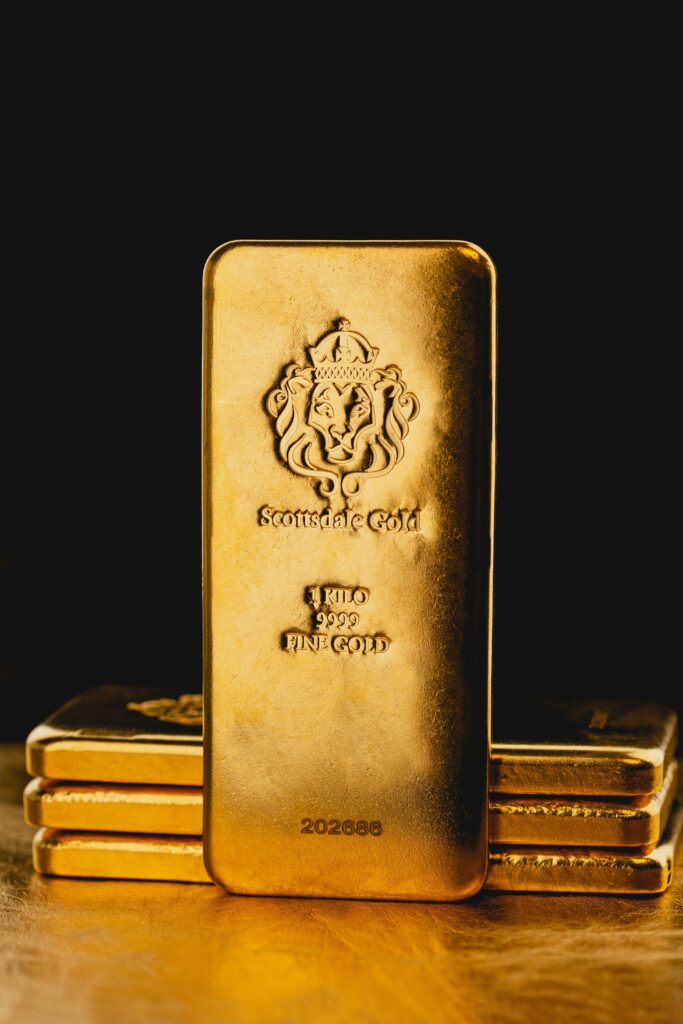
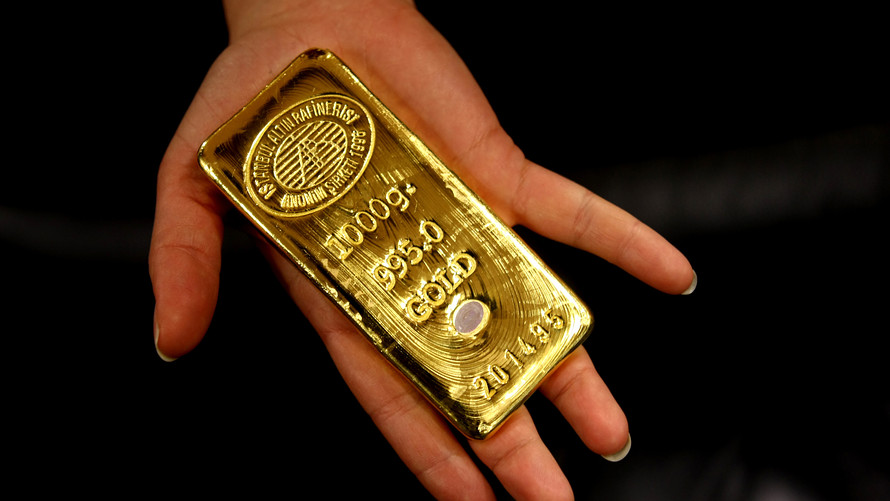
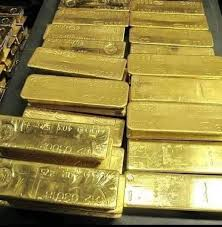
Gold Bars
Gold bars are refined and processed forms of gold, usually produced by licensed refineries. They are among the most valuable and easiest types to sell because their purity is already standardized and certified. In Uganda, gold bars are commonly purchased by export companies and international traders, often at prices close to the global spot rate due to their verified quality.
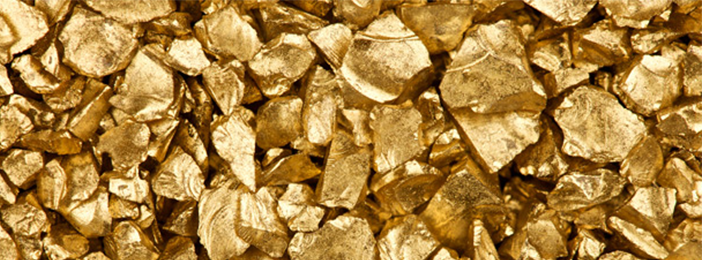
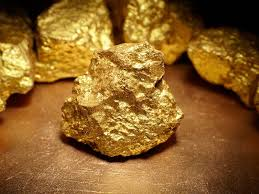
Gold Nuggets
Gold nuggets are natural pieces of gold found in mining areas, especially in regions like Mubende and Karamoja. Their value depends on purity, size, and weight, and they often require testing before sale. Some buyers may pay a premium for large or visually clean nuggets, but final pricing is always based on assay results to confirm actual gold content.
Gold Dust
Gold dust consists of fine particles of raw gold typically collected from alluvial mining sites. It is one of the most common forms sold by artisanal miners in Uganda. Because gold dust may contain impurities such as sand or other minerals, it requires thorough washing and assay testing before valuation. Licensed buyers use refining processes to determine the exact gold content before offering a price.
Scrap Gold
Scrap gold includes broken jewelry, industrial gold waste, dental gold, and other recycled gold materials. It is melted and refined to extract pure gold content. In Uganda, scrap gold is commonly bought by refineries and dealers who process it back into bullion. Its value depends entirely on purity and weight, making proper testing essential before sale.
Frequently Asked Questions
Where is the best place to sell gold in Uganda?
The best place to sell gold in Uganda is through licensed gold buyers, accredited refineries, or registered export companies, especially those based in Kampala. These channels offer professional assaying, transparent pricing based on the international gold spot price, and secure payment methods. Depending on your location, you may also find legitimate buyers in Entebbe, Busia, Mubende, and Karamoja, but Kampala remains the main trading hub due to its concentration of regulated dealers and export companies.
Do I need a license to sell gold in Uganda?
In most cases, individual sellers do not need a license to sell gold, especially if they are selling small quantities or personal holdings such as jewelry or inherited gold. However, miners, traders, and anyone dealing in commercial quantities are expected to comply with Uganda’s mining regulations under the Mining and Minerals Act, 2022. Licensed buyers and refineries will often require proof of source and identity before completing a transaction.
How much is 1 gram of gold worth in Uganda?
The price of 1 gram of gold in Uganda changes daily depending on the international gold spot price, exchange rates, and purity level. Higher purity gold, such as 24K, is valued more than lower karat gold. Licensed buyers calculate the price after assay testing to determine exact purity and weight, meaning the final rate may vary from one transaction to another. For accurate pricing, sellers should always request a live market quote from a verified buyer.
Can foreigners sell gold in Uganda?
Yes, foreigners can legally sell gold in Uganda as long as the gold was acquired through lawful means and the transaction complies with national regulations. Foreign sellers are usually required to provide identification documents and may undergo additional verification checks depending on the volume and source of the gold. Working with licensed refineries or export companies ensures that the transaction is handled legally and transparently.
How do I know if a gold buyer is licensed?
A licensed gold buyer in Uganda should be registered with the Directorate of Geological Survey and Mines (DGSM) and hold a valid Mineral Dealer’s License. You can verify their legitimacy by requesting official documentation, checking their registered business address, and confirming whether they operate from approved offices or refineries. Legitimate buyers will also provide assay reports, contracts, and traceable payment records.
What documents are required to sell gold?
The documents required depend on the type and quantity of gold being sold. Typically, sellers need a valid identification document such as a national ID or passport, proof of ownership, and any available purchase or mining records. For larger transactions, additional documents such as assay certificates, mineral dealer licenses, or export permits may be required. Licensed buyers will guide you through the documentation process to ensure compliance with Uganda’s mining regulations.