Where to Buy Gold in Uganda | Licensed Dealers Guide 2026
Looking to buy gold in Uganda safely and legally? To buy genuine gold in Uganda, you must purchase directly from government-licensed mineral dealers and refineries registered with the Directorate of Geological Survey and Mines (DGSM) or the Ministry of Energy and Mineral Development, primarily located in Kampala. Legitimate physical transactions for 22K and 24K gold bars, nuggets, or bullion require in-person verification, official assay testing, and strict compliance with the Mining and Minerals Act—including securing proper export permits and paying official royalties. Avoid online discounts or unverified private sellers to protect your investment from fraudulent schemes.
Whether you are an international investor seeking certified 24K gold bullion or a local buyer looking for reputable gold refineries in Kampala, navigating Uganda’s booming precious metals sector requires transparency, absolute legal compliance, and ironclad security. In this comprehensive guide, we break down the top-rated licensed gold suppliers in Uganda, detail the step-by-step legal procedures for purchasing and exporting, and expose the red flags you must avoid to guarantee a secure, face-to-face transaction.
Why Uganda Is One of East Africa’s Top Gold Markets
Uganda has rapidly developed into one of East Africa’s most important gold trading and export hubs, attracting local traders, international investors, and refinery companies. Its strategic location, growing mining activity, and expanding network of licensed dealers have positioned the country as a key player in the regional and global gold supply chain. Today, Uganda is widely recognized not only for its gold production potential but also for its role in refining, trading, and exporting gold across international markets.
Uganda’s Gold Industry at a Glance
Uganda’s gold industry has experienced significant growth over the past decade, driven by increased mineral exploration, artisanal mining, and improved regulatory frameworks. The country is home to both small-scale miners and licensed commercial operators who supply raw gold, dore bars, and refined bullion for domestic use and export. Kampala serves as the central trading hub, where licensed dealers and exporters facilitate transactions with buyers from the Middle East, Europe, and Asia. The expansion of refining capacity and government oversight has further strengthened Uganda’s position in the regional gold market.
Why Buyers Are Choosing Uganda Over Other African Markets
Buyers are increasingly turning to Uganda because it offers a combination of competitive pricing, access to raw and refined gold, and a growing number of licensed suppliers. Compared to some neighboring markets, Uganda provides more flexible sourcing options, including direct access to miners, brokers, and refineries. The country’s improving regulatory environment also enhances trust, as more dealers are now required to operate under formal licensing and compliance standards. For international investors, Uganda presents opportunities for bulk purchases, export transactions, and long-term investment at relatively competitive premiums.
How Gold Became Uganda’s Leading Export Commodity
Gold has become one of Uganda’s most important export commodities due to rising global demand, increased artisanal production, and the expansion of formal trading channels. Over the years, gold exports have significantly contributed to foreign exchange earnings, making it a key driver of the national economy. The development of refining facilities and export infrastructure has further strengthened Uganda’s ability to process and ship gold to international markets. As a result, gold has surpassed many traditional exports, solidifying its position as a major pillar of Uganda’s trade and investment landscape.
Where Can I Buy Gold in Uganda?
Gold can be purchased in Uganda through several legal and commercial channels, but the safest and most reliable option is to work with licensed and regulated dealers operating mainly in Kampala, where the country’s gold trade is centered. Uganda offers access to different types of sellers, including licensed mineral dealers, refineries, brokers, and export companies, each serving different types of buyers such as investors, traders, and international clients.
The most secure place to buy gold is through licensed gold dealers and trading companies in Kampala, as they operate under Uganda’s mineral trading laws and provide official documentation such as invoices, assay certificates, and export permits. These dealers are registered with government authorities and are required to follow strict compliance and anti-fraud regulations.
Another option is licensed gold refineries in Uganda, which process raw gold into high-purity bullion bars (often 99.5% to 99.99% purity). Buying directly from refineries is preferred by investors looking for investment-grade gold with internationally accepted certification and traceability.
Some buyers also source gold through brokers or mining-linked suppliers, especially in gold-producing regions. While this can sometimes offer lower prices, it requires higher due diligence because buyers must verify the authenticity, legal origin, and purity of the gold before purchase.
For international buyers, export companies based in Kampala and Entebbe play an important role by handling customs clearance, shipping documentation, and logistics to ensure gold is legally exported and delivered safely to the destination country.
Summary of Where to Buy Gold in Uganda
| Buying Option | Best For | Safety Level | Key Advantage |
| Licensed Gold Dealers (Kampala) | Investors and international buyers | High | Legal compliance and full documentation |
| Gold Refineries | Bulk and investment-grade buyers | High | High-purity gold and certification |
| Brokers | Flexible sourcing and negotiation | Medium | Access to multiple suppliers |
| Mining Regions | Experienced traders | Low to Medium | Potential lower prices |
| Export Companies | International shipping clients | High | Legal export and customs handling |
Is It Safe to Buy Gold in Kampala, Uganda?
Buying gold in Kampala can be safe and legitimate, but only when it is done through properly licensed dealers and fully documented transactions. Kampala is the main hub of Uganda’s gold trade, meaning it offers access to a wide range of sellers—from regulated companies and refineries to brokers and informal traders. This variety creates both opportunity and risk, so safety depends largely on who you buy from and how the transaction is conducted.
In general, it is safe to buy gold in Kampala when you work with verified mineral dealers who operate under Uganda’s mining and export regulations. These dealers provide assay certificates, official invoices, and export documentation, which help confirm authenticity and legal ownership of the gold. Reputable suppliers also follow anti-money laundering rules and maintain traceable transaction records, which further increases buyer protection.
However, risks exist in the market, especially when dealing with unlicensed brokers or offers that appear significantly below international gold prices. Common issues include counterfeit gold, fake documentation, and incomplete transactions that lack legal backing. Because of this, buyers are strongly advised to conduct due diligence before committing to any purchase.
From a practical standpoint, Kampala is considered a viable gold-buying location in East Africa, but it requires caution, verification, and compliance. Investors who prioritize licensed dealers, proper documentation, and secure payment methods can reduce risks significantly and participate safely in the market.
Types of Gold Available for Sale in Uganda
Uganda offers a wide variety of gold products that cater to different types of buyers, including investors, traders, exporters, and jewelry manufacturers. The type of gold you choose depends on your investment goals, budget, and intended use, whether for long-term wealth storage, resale in international markets, or industrial and jewelry production. Understanding the differences between each category helps buyers make informed decisions and avoid overpaying for unsuitable products.
Gold Bars and Investment-Grade Bullion
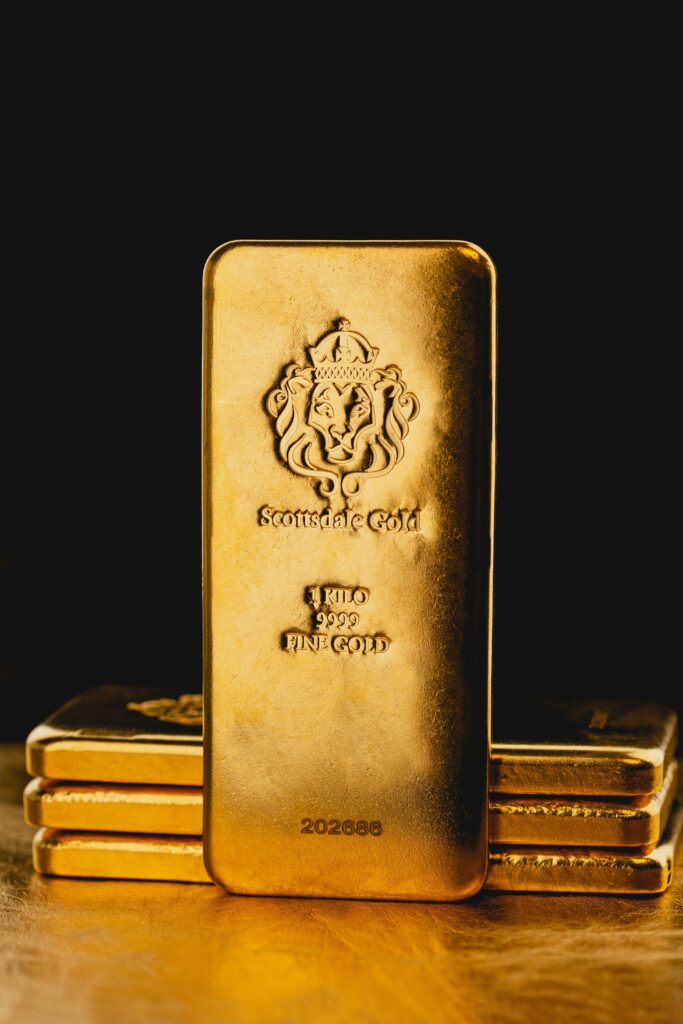
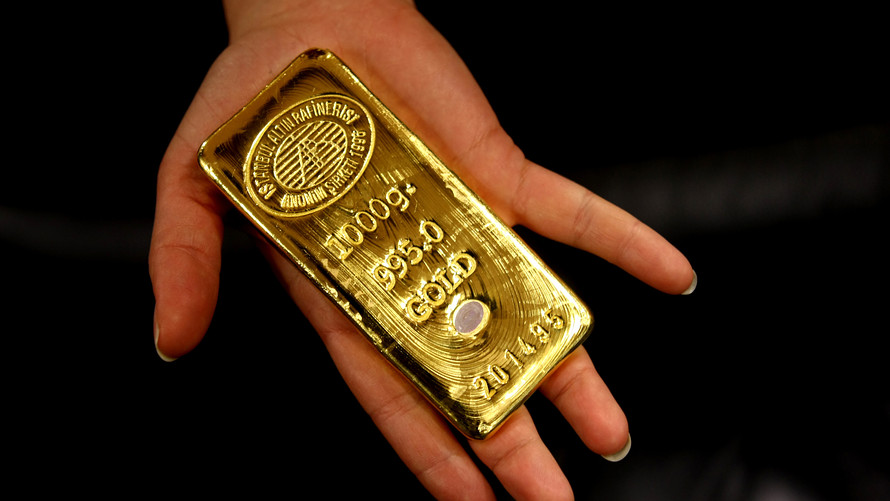
Gold bars and investment-grade bullion are the most preferred form of gold for serious investors in Uganda. These bars are typically produced by licensed refineries and meet international standards for weight, purity, and certification. They are often stamped with serial numbers and accompanied by assay certificates, making them highly secure and easy to trade or export. Investment-grade bullion is widely accepted in global markets, making it ideal for wealth preservation and large-scale investment.
Refined Gold (99.5% – 99.99% Purity)
Refined gold in Uganda is processed to remove impurities and achieve high purity levels ranging from 99.5% to 99.99%, commonly referred to as 24K gold. This type of gold is produced by accredited refineries and is suitable for both investment and industrial use. Its high purity makes it more valuable and easier to sell in international markets, especially when supported by proper certification and documentation.
Gold Nuggets and Natural Gold
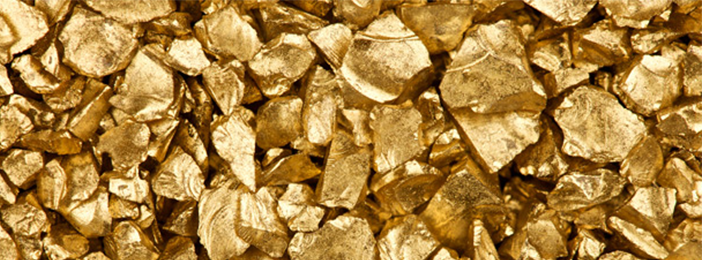
Gold nuggets are naturally occurring pieces of gold that are found in mining regions of Uganda. Unlike refined gold, nuggets retain their natural shape and may contain small traces of other minerals. They are often purchased by collectors, jewelers, and investors who value their natural origin and uniqueness. However, buyers should always verify purity through professional testing, as nuggets vary in quality and composition.
Gold Dust and Dore Bars
Gold dust and dore bars represent raw or semi-processed forms of gold that are commonly sourced directly from mining operations. Gold dust consists of fine particles of gold, while dore bars are crude alloy bars that contain a mixture of gold and other metals. These forms require further refining before reaching investment-grade purity. They are often traded at lower prices but require careful verification, assaying, and compliance with legal and export regulations before purchase or international shipment.
Final Overview of Gold Types in Uganda
Uganda’s gold market offers a spectrum of options ranging from raw mining outputs to fully refined investment bullion. Investors seeking security and international acceptance typically prefer gold bars and refined 24K bullion, while traders and processors may engage in gold dust and dore bars for refining purposes. Understanding each type helps buyers choose the right product based on risk tolerance, investment strategy, and market objectives.
Where to Buy Gold in Uganda: Top Places and Dealers
Uganda has become one of East Africa’s leading gold trading destinations, attracting investors, jewelers, exporters, and international bullion buyers. Whether you are looking to purchase investment-grade gold bars, refined bullion, gold nuggets, or raw gold, knowing where to buy from reputable and legally compliant sources is essential. The best places to buy gold in Uganda include licensed dealers, accredited refineries, regulated brokers, and government-supported purchasing programs that offer transparency and security throughout the transaction process.
Licensed Gold Dealers and Trading Companies in Kampala
Kampala is the center of Uganda’s gold trade and hosts many licensed gold dealers and trading companies that serve both local and international buyers. These companies typically offer refined gold bars, bullion products, and export services while complying with Uganda’s mineral trading regulations. Purchasing from a licensed dealer provides buyers with greater confidence because transactions are supported by proper documentation, assay certificates, invoices, and legal ownership records. Before completing any purchase, buyers should verify that the company holds valid trading licenses and follows industry compliance standards.
What to Look for in a Licensed Gold Dealer
| Factor | Why It Matters |
| Valid Mineral Dealer License | Confirms legal authorization to trade gold. |
| Assay Certification | Verifies gold purity and authenticity. |
| Transparent Pricing | Ensures fair market-based transactions. |
| Export Capability | Supports international buyers. |
| Physical Office Location | Reduces fraud risk and improves accountability. |
Gold Refineries in Uganda
Gold refineries play a crucial role in Uganda’s precious metals industry by processing raw gold into refined bullion products that meet international standards. Many investors prefer purchasing directly from refineries because the gold has undergone professional testing and refining procedures, resulting in higher purity levels and improved market acceptance. Refineries often provide detailed assay reports, quality certifications, and traceability documentation that can simplify resale and export processes.
Benefits of Buying from a Gold Refinery
| Benefit | Description |
| Higher Purity Standards | Refined gold often reaches 99.9% purity. |
| Professional Assay Testing | Independent verification of gold content. |
| Better Documentation | Comprehensive transaction records. |
| International Acceptance | Easier resale in global markets. |
| Quality Assurance | Reduced risk of counterfeit products. |
Buying Gold Directly from Miners and Brokers
Some buyers choose to source gold directly from miners or brokers operating near Uganda’s gold-producing regions. This approach can sometimes offer lower premiums compared to purchasing from established dealers. However, direct purchases require extensive due diligence because buyers must verify the source of the gold, confirm legal ownership, conduct independent purity testing, and ensure compliance with local mining and trading regulations. Without proper verification, direct sourcing can expose buyers to significant financial and legal risks.
Comparison of Buying Sources
| Source | Potential Advantage | Main Consideration |
| Licensed Dealers | High security and compliance | Slightly higher premiums |
| Refineries | High purity and certification | May require larger purchases |
| Brokers | Flexible sourcing options | Verification required |
| Miners | Potentially lower costs | Higher due diligence needed |
Online Gold Platforms That Operate in Uganda
The growth of digital commerce has expanded opportunities for buying and selling gold through online platforms. Some licensed dealers and bullion companies now provide online quotations, purchase agreements, and customer support services for local and international buyers. While online transactions can offer convenience, buyers should verify the platform’s legitimacy, business registration, customer reviews, and licensing status before sending funds or entering into agreements. Secure payment methods and clear documentation remain essential when conducting online gold purchases.
Key Features of Reliable Online Gold Platforms
| Feature | Importance |
| Verified Business Registration | Confirms legitimacy. |
| Secure Payment Systems | Protects buyer funds. |
| Customer Support | Assists throughout the transaction. |
| Transparent Pricing | Reduces hidden costs. |
| Document Verification | Supports legal compliance. |
The Bank of Uganda’s Domestic Gold Purchase Programm
The Bank of Uganda’s Domestic Gold Purchase Program represents a significant development in the country’s gold sector. Through this initiative, the central bank purchases locally refined gold to strengthen national reserves and support the formalization of Uganda’s gold industry. The program encourages improved refining standards, greater transparency, and enhanced compliance throughout the gold supply chain. For investors, the involvement of the central bank demonstrates growing confidence in Uganda’s gold market and contributes to the sector’s long-term stability.
Why does the Domestic Gold Purchase Program Matter?
| Benefit | Impact on the Gold Market |
| Increased Market Confidence | Strengthens investor trust. |
| Support for Local Refiners | Encourages higher quality standards. |
| Formalized Gold Trade | Improves transparency and compliance. |
| Enhanced National Gold Reserves | Supports economic stability. |
| Greater Industry Regulation | Reduces illicit trading activities. |
Best Places to Buy Gold in Uganda
| Buying Source | Best For | Advantages | Potential Considerations | Risk Level |
| Licensed Gold Dealers in Kampala | First-time buyers, investors, exporters | Legal transactions, assay certificates, transparent pricing, export assistance | Premiums may be slightly higher than direct sourcing | Low |
| Ugandan Gold Refineries | Investors seeking 24K gold bars and bullion | High-purity gold (99.9%), professional testing, internationally recognized documentation | Some refineries may have minimum purchase requirements | Low |
| Bank of Uganda Domestic Gold Purchase Programme | Institutional buyers and market observers | A government-backed initiative promotes transparency and quality standards | Not designed for all retail buyers | Low |
| Gold Brokers | Buyers looking for sourcing flexibility | Access to multiple suppliers and mining regions | Requires careful verification of credentials and documentation | Medium |
| Directly from Gold Miners | Experienced traders and bulk buyers | Potentially lower purchase premiums and direct access to production | Higher due diligence requirements and verification costs | High |
| Online Gold Trading Platforms | International and remote buyers | Convenient transactions, price comparison, digital communication | Must verify platform legitimacy and seller licensing | Medium |
| Jewelry Stores and Bullion Shops | Small investors and jewelry buyers | Easy access, smaller purchase quantities available | Jewelry may include higher making charges | Low to Medium |
Comparison of Gold Buying Options in Uganda
| Rank | Buying Option | Authenticity Assurance | Documentation Quality | Export Support | Investment Suitability |
| 1 | Licensed Gold Refineries | Excellent | Excellent | Excellent | Excellent |
| 2 | Licensed Gold Dealers | Excellent | Excellent | Very Good | Excellent |
| 3 | Bank of Uganda Programme | Excellent | Excellent | Limited | Very Good |
| 4 | Reputable Online Platforms | Good | Good | Good | Good |
| 5 | Verified Gold Brokers | Moderate | Moderate | Moderate | Moderate |
| 6 | Direct Miners | Variable | Variable | Limited | Suitable for experienced buyers |
| 7 | Retail Jewelry Shops | Good | Good | Limited | Suitable for small investments |
Key Factors to Consider Before Choosing a Gold Supplier
| Factor | Why It Matters |
| Gold Purity | Ensure the gold is 24K (999.9 fine gold) and supported by assay certificates. |
| Licensing Status | Verify that the dealer or refinery holds valid Ugandan trading licenses. |
| Price Transparency | Compare prices against current international gold spot rates. |
| Documentation | Obtain invoices, assay reports, export permits, and ownership records. |
| Reputation | Work with suppliers that have a proven track record and positive client feedback. |
| Export Services | Important for international buyers planning to transport gold abroad. |
| Security and Compliance | Ensure transactions comply with Ugandan regulations and AML requirements. |
Recommendation: For investors targeting 24K gold bars, wholesale bullion, or export-quality gold, licensed refineries and established gold trading companies in Kampala generally offer the best combination of safety, transparency, legal compliance, and long-term investment value.
Gold Dealers in Uganda (Overview Table)
| Dealer Type | Description | What They Offer | Main Locations | Buyer Advantage | Risk Level | Verification Needed |
| Licensed Mineral Dealers | Government-approved companies are authorized to trade gold locally and internationally | Gold bars, raw gold, dore bars, export services, invoices, assay certificates | Kampala (main hub), Entebbe, industrial zones | Safe transactions, legal compliance, export support | Low | Mineral dealer license, company registration, TIN |
| Gold Trading Companies | Established firms involved in buying, refining, and exporting gold | Investment-grade bullion, bulk gold supply, international trade services | Kampala business districts | Reliable supply chain and structured contracts | Low | Business registration, export license, compliance records |
| Gold Export Companies | Specialized firms focused on international gold shipment | Export permits, customs clearance, logistics, documentation | Entebbe (airport-based operations), Kampala | Smooth export process and customs handling | Low | Export license, URA tax clearance |
| Gold Brokers | Intermediaries connecting buyers to miners and dealers | Sourcing services, price negotiation, bulk deal facilitation | Kampala and mining regions | Access to multiple suppliers and flexible sourcing | Medium | Broker credentials, contracts, verification of source |
| Mining-Linked Dealers | Dealers connected directly to artisanal or industrial miners | Raw gold, nuggets, dore bars at source pricing | Mining regions (Eastern & Western Uganda) | Potential lower prices and direct sourcing | High | Source verification, assay testing, legal ownership proof |
| Online Gold Dealers | Digital platforms and companies offering remote gold trading | Price quotes, contracts, documentation, shipping coordination | Online (Uganda-based operations) | Convenience and international accessibility | Medium | Website legitimacy, licensing proof, secure payment system |
How to Buy Gold in Uganda Safely: A Step-by-Step Process
Buying gold in Uganda can be a profitable investment or business opportunity when the process is conducted legally and carefully. Following a structured approach helps buyers verify the authenticity of the gold, comply with local regulations, and minimize the risks associated with fraud or undocumented transactions. Whether you are purchasing gold bars, bullion, or investment-grade gold, these steps can help ensure a secure and transparent transaction.
Step 1: Find a Licensed and Verified Gold Dealer
The first and most important step is identifying a licensed and reputable gold dealer. Uganda has many gold traders, but not all operate legally or meet regulatory standards. Buyers should work with companies that possess valid mineral dealer licenses, business registrations, and tax compliance documentation. Conducting due diligence, reviewing the dealer’s reputation, and confirming their physical business location can significantly reduce the risk of fraud and ensure a safer buying experience.
Step 2: Request Purity Testing and Documentation
Before committing to a purchase, buyers should verify the quality and authenticity of the gold. This involves requesting an assay certificate or laboratory report that confirms the purity level, weight, and composition of the gold. For investment purposes, many buyers prefer 24K gold with a purity of 999.9 fine gold. Proper documentation not only protects the buyer but also facilitates future resale, transport, or export of the gold.
Step 3: Agree on Price Based on Current Market Rates
Gold prices fluctuate daily based on international market conditions. Buyers should compare the dealer’s offer with the current global spot price of gold and understand any additional premiums, refining charges, transportation costs, or service fees. Negotiating a price that reflects prevailing market rates helps ensure a fair transaction and prevents overpayment.
Example Gold Pricing Structure
| Cost Component | Description |
| Spot Gold Price | Current international market value of gold. |
| Dealer Premium | Additional charge added by the seller. |
| Assay or Testing Fee | Cost of purity verification, if applicable. |
| Export or Logistics Costs | Transportation and handling expenses. |
| Taxes and Regulatory Fees | Applicable government charges and duties. |
Step 4: Complete Legal Transaction and Get a Receipt
Once the price has been agreed upon, the transaction should be completed through secure and traceable payment methods. Buyers should avoid undocumented cash transactions and instead request an official invoice that clearly states the gold’s weight, purity, price, and transaction details. A receipt serves as legal proof of ownership and may be required for future resale, customs clearance, or insurance purposes.
Essential Transaction Documents
| Document | Purpose |
| Commercial Invoice | Records purchase details and value. |
| Receipt of Payment | Proof that payment was completed. |
| Assay Certificate | Confirms purity and authenticity. |
| Dealer License Information | Verifies seller legitimacy. |
| Ownership Records | Supports future resale or export. |
Step 5: Arrange Storage or Export Documentation
After purchasing the gold, buyers must decide whether to store it locally or export it to another country. Secure storage options include bank vaults, private vault facilities, and insured storage services. For international buyers, it is important to obtain all required export permits, customs documents, certificates of origin, and shipping records before transporting the gold. Proper documentation helps ensure compliance with both Ugandan and destination-country regulations.
Storage and Export Considerations
| Option | Benefits |
| Bank Vault Storage | High security and professional protection. |
| Private Vault Services | Flexible storage with insurance options. |
| Personal Secure Storage | Direct control of assets, though with higher security responsibility. |
| Export Through Licensed Channels | Ensures legal and compliant international shipment. |
Gold Prices in Uganda: Current Gold Prices in Uganda (2026)
The precious metals market in Uganda has seen significant shifts, offering unique opportunities for both local savers and international investors looking to leverage East Africa’s competitive bullion trade.
How Gold Prices in Uganda Are Calculated (LBMA Spot Rate + UGX Exchange Rate)
Gold pricing in Uganda does not exist in a vacuum; it is directly tethered to the international market. The local price of 24K gold is calculated using a standard formula:
$$\text{Local Gold Price (UGX)} = (\text{LBMA Spot Price in USD} \times \text{Weight}) \times \text{USD/UGX Exchange Rate} + \text{Dealer Premium}$$
- The LBMA Spot Rate: The London Bullion Market Association (LBMA) sets the global benchmark price for gold per troy ounce in USD.
- The UGX Exchange Rate: Because global gold is traded in US Dollars, the strength or weakness of the Ugandan Shilling (UGX) plays a massive role.If the Shilling depreciates against the Dollar, local gold prices spike natively even if global market prices remain flat.
- Local Dealer Premiums: Licensed refineries and dealers in Kampala add a small local premium (usually a highly competitive 1% to 3%) to cover refining, security, and logistics costs.
Price Per Gram, Ounce, and Kilogram in UGX and USD: Buy Gold Bars
For physical asset allocation, retail investors and commercial buyers track rates across three primary metrics. Below are the current market benchmarks for pure 24K investment-grade gold:
| Weight Unit | Price in USD (Approx.) | Price in Ugandan Shilling (UGX) |
| 1 Gram | $145 USD | 525,000 UGX |
| 1 Troy Ounce (31.1g) | $4,520 USD | 16,315,000 UGX |
| 1 Kilogram (1,000g) | $145,380 USD | 525,000,000 UGX |
Investor Note: When looking to buy gold bars in Kampala, purchasing larger weights like 100g, 500g, or 1kg minted bars significantly reduces the relative dealer markup compared to buying fractional 1-gram bars.
Where to Check Live Gold Prices in Uganda
To avoid counterfeit operations and ensure you are buying or selling at actual market value, always cross-reference live rates via verified digital and regulatory channels:
- Global Financial Platforms: Use reputable index trackers like JM Bullion, org, or Bitget Gold Index to pull raw per-gram spot pricing in real-time.
- Bank of Uganda (BoU): For official currency conversions affecting your purchasing power, monitor the daily mid-market USD/UGX exchange rates published by the central bank.
- Licensed Refineries in Kampala: Establishments such as the Simba Gold Refinery or other state-regulated, licensed mineral dealers provide immediate over-the-counter buy/sell spreads matching daily local spot reality.
Why Gold Prices Fluctuate: What Buyers Need to Know
Understanding the catalysts behind price movements prevents buyers from purchasing during market tops or panicking during healthy corrections. Local and global fluctuations are driven by:
- Geopolitical Shifts and Inflation: Gold acts as the ultimate safe-haven asset. When global inflation rises or international supply chains break down, capital flees fiat currencies and pours into gold, driving prices up.
- Central Bank Policies: If global central banks (like the US Federal Reserve) slash interest rates, yielding assets like bonds become less attractive, steering institutional money toward physical gold.
- Domestic Trade Volumes & Refining Costs: Uganda is a central logistics and processing hub for gold across East Africa. Changes in regional mining regulations, export taxes, or local refinery throughput can cause immediate variations in Kampala counter rates.
Best Gold Sellers in Uganda
| Seller Type | Description | What They Sell | Main Location | Buyer Advantage | Safety Level | Key Verification |
| Licensed Gold Dealers | Government-registered companies authorized to trade gold legally | Gold bars, dore bars, raw gold, export-ready bullion | Kampala (main hub) | Fully legal transactions with documentation and export support | High | Mineral dealer license, TIN, company registration |
| Gold Trading Companies | Established firms engaged in buying, refining, and exporting gold | Investment-grade bullion, bulk gold supply | Kampala business districts | Reliable supply chain and structured deals | High | Business registration, export license |
| Gold Refineries | Licensed facilities that refine raw gold into high-purity bullion | 24K gold bars (99.5%–99.99%), certified bullion | Kampala & industrial zones | High-purity gold with international certification | High | Refinery license, assay certification |
| Gold Export Companies | Specialized firms handling international shipment of gold | Export services, documentation, logistics | Entebbe & Kampala | Smooth customs clearance and legal export process | High | Export license, URA clearance |
| Gold Brokers | Intermediaries connecting buyers with miners and dealers | Sourcing services, negotiated deals | Mining regions & Kampala | Access to multiple suppliers and flexible pricing | Medium | Broker verification, contracts, source proof |
| Mining-Linked Sellers | Sellers connected directly to artisanal or industrial mining | Raw gold, nuggets, dore bars | Eastern & Western Uganda mining areas | Potential lower prices at source | Medium to High | Assay testing, legal ownership proof |
| Online Gold Sellers | Digital platforms offering gold trading services | Quoted gold deals, contracts, shipping coordination | Online (Uganda-based operations) | Convenient remote purchasing | Medium | Website legitimacy, license verification |
How to Avoid Fake Gold Scams in Uganda
Avoiding fake gold scams in Uganda requires careful verification, strict attention to documentation, and dealing only with licensed and traceable gold dealers. While Uganda is an active and legitimate gold trading hub in East Africa, the market also attracts fraudulent actors who take advantage of buyers looking for “cheap” or fast deals. Most scams can be avoided by understanding how legitimate gold transactions are supposed to work and refusing any process that lacks transparency.
The most important rule is to never buy gold without proper verification. Genuine sellers will always allow assay testing, provide official invoices, and share valid company registration and mineral trading licenses. If a seller avoids documentation or discourages testing, that is a strong warning sign that the gold may not be genuine or legally sourced.
Buyers should also be cautious of deals that promise unusually low prices compared to the international gold spot price. Fraudulent sellers often use “too good to be true” offers to attract quick decisions, especially for raw gold, nuggets, or dore bars. In most cases, legitimate gold is priced close to global market rates, with only small variations based on purity, logistics, and dealer premiums.
Another key risk factor is transaction structure. Safe gold purchases are typically done through traceable banking systems or verified payment channels, while scams often push for cash-only payments or rushed deals in informal locations. Buyers should also avoid hidden warehouses or locations where gold cannot be independently inspected before payment.
Ultimately, the safest way to avoid scams in Uganda is to work only with licensed dealers, verify all documents, insist on independent testing, and compare prices with the global market. Careful due diligence and patience are the strongest protections against fraud in the gold trade.
Red Flags: Cash Transactions, Hidden Warehouses, and Discounted “Raw Nuggets”
One of the strongest warning signs of a potential gold scam in Uganda is being pushed into cash-only transactions without proper documentation or banking records. Legitimate gold dealers normally use traceable payment methods and issue official invoices, while scammers often insist on cash payments to avoid accountability and make it difficult to track the transaction.
Another major red flag is being taken to hidden or unofficial warehouses where gold cannot be properly inspected, tested, or verified before payment. Reputable dealers operate from registered offices or recognized trading facilities where buyers can request assay testing and confirm authenticity under transparent conditions.
Buyers should also be extremely cautious of heavily discounted offers involving so-called “raw nuggets” or “dore bars” priced far below international market rates. In many cases, these deals involve fake gold, low-purity material, or illegally sourced products with no proper certification. Genuine gold pricing generally follows global spot market trends, so unusually cheap offers are often a sign of fraud.
Overall, any transaction that lacks transparency, proper documentation, or verifiable testing should be treated as high risk and avoided to prevent financial loss.
The Official Legal Process for Buying and Exporting Gold from Uganda
Buying and exporting gold from Uganda follows a regulated legal framework designed to ensure transparency, tax compliance, and secure international trade. Every step in the process must be completed through licensed dealers and approved government channels to guarantee that the gold is legally sourced, properly documented, and cleared for export without delays or penalties.
Essential Documentation (Assay Certificates, URA Tax Receipts, & Certificates of Origin)
The legal export process requires complete documentation, including assay certificates that confirm the gold’s purity and weight, URA tax receipts that prove all required taxes have been paid, and certificates of origin that verify the gold was legally sourced in Uganda. An official invoice from a licensed dealer is also mandatory, and together these documents ensure that the transaction meets both national and international compliance standards.
Clearing Customs at Entebbe International Airport
Gold exports are processed through official customs procedures at Entebbe International Airport, where shipments are inspected, verified, and documented before departure. Customs officers review the gold physically alongside its supporting paperwork to confirm accuracy and compliance, and once approved, the shipment is securely cleared for export under strict regulatory supervision to prevent illegal trade or misreporting.
Understanding Uganda Gold Export Taxes and Corporate Compliance
Gold exporters in Uganda must comply with tax obligations set by the Uganda Revenue Authority, including payment of applicable export taxes, duties, and service fees before shipment approval is granted. Companies engaged in gold trading are also required to maintain valid business registration, tax identification numbers, and full compliance with anti-money laundering regulations, ensuring that all operations are legally recognized and internationally acceptable.
Step-by-Step Checklist for Secure Gold Transactions in Uganda
| Step | Action | Description | Key Documents/Proof Required | Risk Level if Ignored |
| Step 1 | Verify the Gold Dealer | Confirm the seller is a licensed and registered mineral dealer in Uganda before any discussion or negotiation. | Mineral Dealer License, Company Registration Certificate, TIN | High (fraud risk, fake dealers) |
| Step 2 | Request Gold Inspection & Assay Testing | Ensure the gold is tested for purity, weight, and authenticity by an approved assay laboratory. | Assay Certificate, Lab Report | High (fake or low-purity gold) |
| Step 3 | Confirm Pricing Based on Market Rates | Compare the offered price with the international gold spot price and agree on fair premiums only. | Price quotation, market reference rate | Medium (overpaying risk) |
| Step 4 | Use Secure Payment Methods | Complete payment using traceable banking systems instead of cash-only transactions. | Bank transfer receipts, payment confirmation | High (loss of funds, no proof) |
| Step 5 | Sign Official Sales Agreement | Ensure both parties agree in writing on weight, purity, price, and delivery terms. | Sales contract, invoice | High (legal disputes) |
| Step 6 | Obtain Full Transaction Documentation | Collect all legal documents confirming ownership and compliance after payment. | Invoice, receipt, assay certificate, ownership record | High (no legal proof of ownership) |
| Step 7 | Arrange Safe Storage or Export | Decide whether to store gold locally or export it through licensed and insured logistics channels. | Export permit, customs declaration, airway bill | High (confiscation risk) |
| Step 8 | Complete Customs Clearance (If Exporting) | Ensure all taxes are paid, and gold is declared properly at the Uganda Revenue Authority (URA) and customs. | URA tax receipts, certificate of origin | High (legal penalties, seizure) |
Note. Following a structured checklist ensures that every gold transaction in Uganda is legally compliant, transparent, and secure. Buyers who verify dealers, insist on assay testing, use banking systems, and complete proper documentation significantly reduce the risk of fraud while ensuring smooth investment and export processes.
Is It Legal to Buy Gold in Uganda? What You Need to Know
Yes, it is legal for both Ugandan citizens and foreign investors to buy gold in Uganda, provided that all transactions comply with the country’s mining, mineral trading, export, and anti-money laundering regulations. Uganda has become one of East Africa’s major gold trading hubs, attracting investors, refiners, exporters, and international bullion buyers. However, buyers must conduct due diligence and work only with licensed companies to ensure that their purchases are legitimate, documented, and compliant with Ugandan law.
Uganda’s Mineral Trading Laws and Licensing Requirements
Uganda’s gold sector is regulated by the Ministry of Energy and Mineral Development through the Directorate of Geological Survey and Mines (DGSM). Gold trading activities are governed by mining and mineral regulations that require dealers, exporters, refiners, and processors to obtain the appropriate licenses before conducting business.
Licensed gold dealers are required to maintain proper transaction records, comply with anti-money laundering regulations, and follow established procedures for sourcing, transporting, and exporting gold. These regulations help promote transparency, protect investors, and reduce illegal mineral trading activities within the country.
Common Gold Business Licenses in Uganda
| License Type | Purpose |
| Mineral Dealer License | Authorizes the purchase and sale of minerals, including gold. |
| Mineral Export Permit | Allows the legal export of gold from Uganda. |
| Refining License | Permits the refining and processing of gold. |
| Trading License | Allows commercial operations within Uganda. |
| Tax Registration (TIN) | Required for compliance with tax regulations. |
Documents Required to Buy or Export Gold in Uganda
Whether purchasing gold for investment or export, buyers should ensure that all transactions are supported by proper documentation. These documents verify ownership, authenticity, and compliance with local and international regulations.
A legitimate gold transaction should include an official invoice detailing the weight, purity, and value of the gold, along with an assay certificate confirming its quality. For exports, additional documents such as export permits, customs declarations, certificates of origin, and shipping records may be required depending on the destination country.
Essential Gold Purchase and Export Documents
| Document | Purpose |
| Commercial Invoice | Proof of purchase and transaction value. |
| Assay Certificate | Confirms gold purity and quality. |
| Export Permit | Authorizes legal export of gold. |
| Certificate of Origin | Verifies the source of the gold. |
| Packing List | Details of shipment contents. |
| Customs Declaration | Required for international transportation. |
| Airway Bill or Shipping Documents | Tracks and verifies shipment movement. |
How to Verify If a Gold Dealer Is Licensed
Before purchasing gold in Uganda, it is important to verify that the dealer is legally authorized to operate. Licensed dealers should be able to provide copies of their mineral dealer licenses, company registration certificates, tax identification numbers, and other relevant regulatory approvals.
Buyers should also verify the company’s physical office location, business registration status, and reputation within the industry. Reputable dealers typically provide transparent pricing, professional documentation, assay reports, and secure transaction procedures.
Dealer Verification Checklist
| Verification Item | Why It Matters |
| Valid Mineral Dealer License | Confirms legal authorization to trade gold. |
| Company Registration Certificate | Verifies business legitimacy. |
| Tax Identification Number (TIN) | Demonstrates tax compliance. |
| Physical Office Address | Reduces risk of dealing with fraudulent operators. |
| Assay Certificates | Confirms gold purity and authenticity. |
| Transaction Records | Provides legal proof of purchase. |
Avoiding Fraud and Scams in the Uganda Gold Market
While Uganda offers significant opportunities for gold investors and buyers, fraud remains a concern in the international gold trade. Scammers may advertise unrealistically low prices, offer fake assay reports, use forged export documents, or request advance payments without providing verifiable proof of ownership.
The safest approach is to conduct independent due diligence, verify all documentation, perform third-party gold testing, and avoid transactions that lack transparency. Buyers should be cautious of deals that appear substantially cheaper than prevailing market prices, as legitimate gold prices generally follow international spot market rates.
Common Gold Scams and Prevention Measures
| Common Scam | Warning Sign | How to Avoid It |
| Fake Gold Bars | Unusually low prices and missing certificates. | Conduct independent assays and buy from licensed dealers. |
| Forged Export Documents | Inconsistent or unverifiable paperwork. | Verify documents with relevant authorities. |
| Advance Fee Fraud | Requests for large upfront payments. | Use secure payment methods and escrow services where appropriate. |
| Fake Assay Reports | Certificates from unknown laboratories. | Verify reports with recognized assay providers. |
| Non-Existent Gold Stocks | Seller cannot provide inspection access. | Inspect gold physically before purchase whenever possible. |
Note. Buying gold in Uganda is legal and can be highly rewarding when conducted through licensed, transparent, and compliant channels. By understanding Uganda’s mineral trading regulations, obtaining the correct documentation, verifying dealer credentials, and following industry best practices, investors can significantly reduce risk and confidently participate in one of Africa’s most active gold markets. Proper due diligence remains the key to a safe and successful gold purchase.
Buying Gold in Uganda as an Investment: Is It Worth It?
Gold has become one of the most attractive investment assets for Ugandans and international investors seeking protection against inflation, currency depreciation, and economic uncertainty. As a globally recognized store of value, gold offers stability that many traditional investments cannot provide during periods of market volatility. Uganda’s growing role in the East African gold trade has also made physical gold bars and bullion products more accessible to investors looking to diversify their portfolios.
Gold’s Performance in Uganda: 72%+ Year-on-Year Returns in UGX Terms
Over recent years, gold has delivered impressive returns for investors holding assets in Ugandan Shillings (UGX). As global gold prices have risen and the local currency has experienced periods of depreciation against the U.S. dollar, the value of gold holdings has increased significantly. This combination has helped gold outperform many traditional savings vehicles, making it an attractive hedge against inflation and currency risk.
Example Investment Performance
| Investment Amount (UGX) | Gold Price Increase | Estimated Value After 1 Year |
| 1,000,000 | 72% | 1,720,000 |
| 5,000,000 | 72% | 8,600,000 |
| 10,000,000 | 72% | 17,200,000 |
| 50,000,000 | 72% | 86,000,000 |
Note: Returns are illustrative and actual performance depends on market conditions and purchase timing.
Gold vs. Real Estate and Stocks in Uganda
Gold competes with other popular investment options such as real estate and stocks. While real estate can generate rental income and long-term appreciation, it often requires substantial capital and may take time to sell. Stocks can provide strong returns but are generally more volatile and dependent on company performance. Gold offers a unique advantage because it is highly liquid, globally recognized, and not directly tied to the performance of a specific company or property market.
Investment Comparison in Uganda
| Investment Type | Liquidity | Capital Required | Risk Level | Inflation Protection |
| Gold Bars | High | Medium | Moderate | Excellent |
| Real Estate | Low | High | Moderate | Good |
| Stocks | High | Low to Medium | High | Moderate |
| Savings Account | Very High | Low | Low | Weak |
Short-Term vs. Long-Term Gold Investment Strategies
Investors can approach gold differently depending on their financial goals. Short-term investors may seek to benefit from fluctuations in global gold prices and exchange rates, while long-term investors often view gold as a wealth-preservation asset. Long-term ownership can help protect purchasing power during inflationary periods and provide portfolio diversification during economic uncertainty.
| Strategy | Investment Period | Main Objective | Suitable For |
| Short-Term Trading | Less than 12 months | Capitalize on price movements | Active investors |
| Medium-Term Holding | 1–5 years | Portfolio growth and diversification | Balanced investors |
| Long-Term Investment | 5+ years | Wealth preservation and inflation protection | Conservative investors |
Risks to Consider Before Buying Gold in Uganda
Although gold offers many benefits, investors should understand the associated risks before purchasing. Gold prices can fluctuate based on global economic conditions, central bank policies, and investor demand. Buyers should also ensure they purchase from licensed dealers and obtain proper documentation, including invoices and assay certificates, to avoid counterfeit products and legal complications. Storage and insurance costs should also be factored into the overall investment decision.
Key Risks and Mitigation Measures
| Risk | Description | How to Reduce the Risk |
| Price Volatility | Gold prices can rise or fall over time. | Invest with a long-term perspective. |
| Counterfeit Gold | Fake or low-purity gold may be sold by dishonest dealers. | Buy from licensed and reputable suppliers. |
| Storage Security | Physical gold requires secure storage. | Use bank vaults or professional storage facilities. |
| Regulatory Changes | Tax or trade regulations may change. | Stay informed about local laws and compliance requirements. |
| Liquidity Differences | Some gold products are easier to resell than others. | Purchase internationally recognized bullion bars. |
Is Buying Gold in Uganda Worth It?
For investors seeking a tangible asset that can preserve wealth and provide protection against inflation and currency fluctuations, gold remains one of the strongest investment options available in Uganda. While no investment is risk-free, properly sourced and certified gold bars can serve as a valuable component of a diversified investment portfolio, particularly for those focused on long-term financial security.
Frequently Asked Questions (FAQ) – Where Can I Buy Gold in Uganda?
1. Where can I legally buy gold in Uganda?
You can legally buy gold in Uganda through licensed mineral dealers, registered gold trading companies, and approved refineries, mainly based in Kampala and Entebbe. These entities operate under Uganda’s mining laws and provide official documentation such as invoices, assay certificates, and export permits.
2. Can foreigners buy gold in Uganda?
Yes, foreigners can buy gold in Uganda, but they must purchase through licensed dealers and follow all legal procedures, including proper documentation, payment records, and export compliance. It is important to ensure that the transaction is fully legal and transparent to avoid customs or regulatory issues.
3. Is it safe to buy gold in Kampala?
Buying gold in Kampala is safe only when dealing with verified and licensed dealers. The city is the main gold trading hub in Uganda, but buyers must avoid unlicensed brokers, cash-only deals, and undocumented transactions. Always insist on assay testing and official paperwork before making any payment.
4. What documents do I need when buying gold in Uganda?
When purchasing gold in Uganda, you should receive an official invoice, an assay certificate confirming purity, and proof of ownership. If you plan to export the gold, additional documents such as export permits, Uganda Revenue Authority (URA) tax receipts, and certificates of origin are required for legal international shipment.