Buying Gold from Kenya in South Korea: Pure Certified Gold Bars
Buying Gold from Kenya in South Korea: Korea buys more gold per capita for personal milestones than almost any country in Asia — a doljanchi ring for a baby’s first birthday, wedding gold for a new couple, Chuseok gifts exchanged between family.
That real cultural demand exists alongside a well-documented problem: Korea Customs Service has spent years intercepting smuggled bullion, with the Korea Exchange itself estimating tens of tons of gold moving through informal channels annually to dodge tax.
That combination — genuine demand, plus a market where undocumented gold is common — is exactly why buying gold from Kenya in South Korea through a properly certified, documented channel matters more here than in most countries.
This guide covers how the process actually works: Korea’s import and VAT rules, what documentation protects you, and how certified Kenyan bullion compares to buying domestically.
Korea’s Gold Import Rules: What Actually Applies
Unlike much of Europe, Korea applies no special investment-gold exemption on personal imports. The country’s flat 10% VAT applies to imported goods generally, including gold bullion, once the shipment’s value exceeds the low US$800 personal duty-free allowance — a considerably tighter threshold than the EU’s, meaning almost any meaningful gold purchase from abroad will trigger both duty and VAT on arrival.
Separately, Korea Customs Service requires that means of payment — foreign currency or Korean won equivalent — exceeding US$10,000 be formally declared, and precious metals specifically appear on the list of high-priced articles that must be declared at departure or arrival regardless of how they’re being carried.
None of this makes buying gold from Kenya complicated — it just means the paperwork has to be right from the start. A shipment lacking proper commercial invoicing and declared value is exactly what draws additional customs scrutiny, on top of whatever duty and VAT are legitimately owed.
Getting the documentation correct the first time is the difference between a smooth clearance and a shipment held at Incheon for review.
Why Certified Documentation Matters More in Korea Than Almost Anywhere Else
Korea’s own domestic gold market has spent over a decade fighting an informal, undocumented bullion trade large enough that the Korea Exchange launched a dedicated gold spot market specifically to pull buyers away from it.
That context matters directly for anyone importing gold into Korea: a bar without full assay certification and commercial documentation isn’t just a customs risk, it’s the exact profile of gold Korean authorities have spent years trying to push out of circulation.
Every order from Buy Gold Bars Kenya includes an independent SGS assay certificate confirming fineness and weight, a certificate of origin, and a KRA-compliant commercial invoice — the documentation that keeps a shipment legitimate at every step, not just at the Kenyan end. Our full guide on buying gold in Kenya covers this documentation process from first enquiry through to delivery.
Why Korean Buyers Are Looking Beyond Domestic Jewelers
Korea’s retail gold market runs heavily through jewelry stores and the 한국금거래소 (Korea Gold Exchange) network, both built primarily around crafted pieces — rings, necklaces, and gift items — rather than bare investment bars.
For buyers specifically wanting certified 24K gold bars for investment rather than jewelry, that retail structure typically means paying for craftsmanship you don’t need on top of the metal itself.
Sourcing directly from Kenya sidesteps that entirely. Kenyan 24K bullion is priced closely to live LBMA spot, with typically just a 1–3% premium, since Kenya’s proximity to East Africa’s gold-producing regions keeps production costs — and therefore the price passed on to international buyers — genuinely competitive. Our live gold price in Kenya tracker shows current daily rates in both KES and USD.
How the Buying Process Works for South Korean Buyers
Buying gold from Kenya as a Korean buyer follows a clear four-step process. First, confirm current availability, purity, and live spot-linked pricing via WhatsApp, email, or our enquiry form — from a 10 gram entry-level bar up to a full 1 kilogram order.
Second, your gold is independently assayed by SGS before any payment changes hands, with certificates confirming fineness and weight. Third, payment is arranged via bank wire transfer, the standard method for international buyers, with full KRA-compliant invoicing and export documentation prepared alongside it.
Finally, your gold ships via licensed precious metals carriers — Brinks or Malca-Amit — under fully insured, real-time-tracked delivery, arriving at your address in Seoul, Busan, Incheon, or anywhere else in South Korea with customs paperwork already prepared to support smooth clearance through Korea Customs Service.
Choosing the Right Gold Product
Korean buyers typically choose their order size based on purpose. A 10 gram bar suits buyers testing international sourcing for the first time, or looking for a genuinely investment-grade alternative to a doljanchi or wedding gift set.
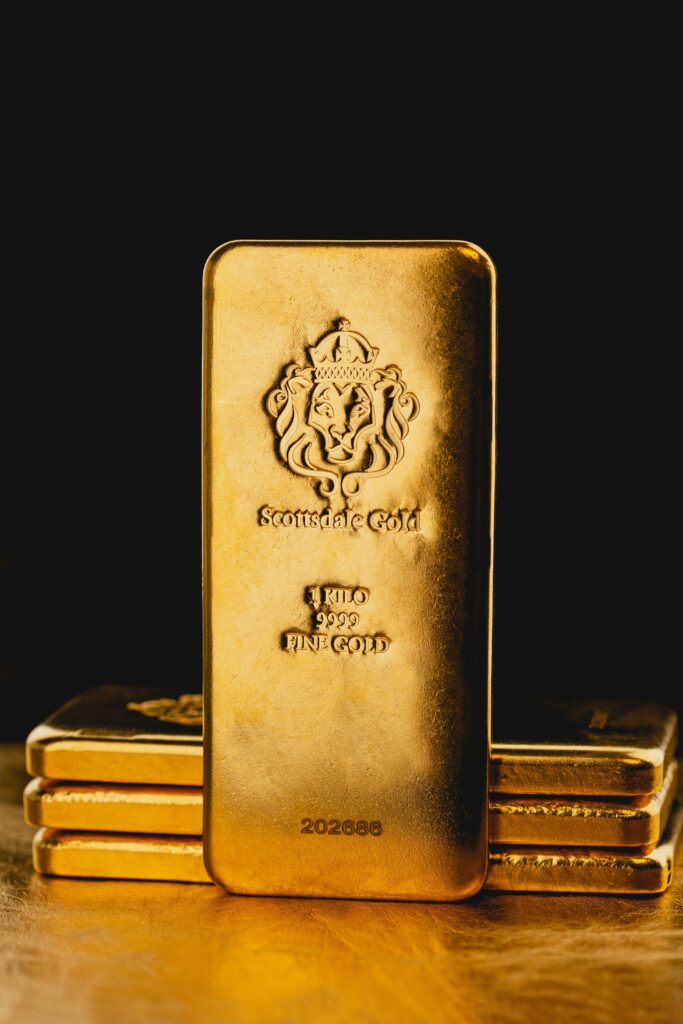
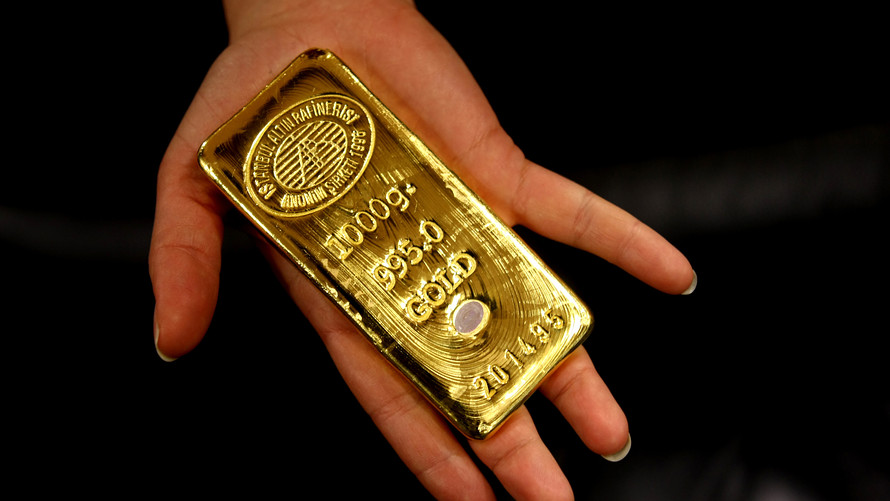
A 1 kilogram bar suits serious investors wanting the lowest possible premium per gram. Our full gold bars for sale catalogue lists current stock across every size, including our dedicated 1kg gold bar and 10 gram gold bar product pages.
Current Gold Prices for South Korean Buyers (KRW & USD)
| Weight | Buy Gold Bars Kenya (USD) | Buy Gold Bars Kenya (KRW) |
|---|---|---|
| 1 gram | ~$139 | ~₩193,200 |
| 10 grams | ~$1,390 | ~₩1,932,000 |
| 1 troy oz (31.1g) | ~$4,325 | ~₩6,011,750 |
| 100 grams | ~$13,900 | ~₩19,321,000 |
| 1 kilogram | ~$139,000 | ~₩193,210,000 |
Indicative pricing based on 24K (999.9 fine) gold at recent international spot rates and an approximate KRW/USD exchange rate — both move daily, so request a live quote before ordering. Korea’s 10% VAT and applicable customs duty apply on import regardless of source once the US$800 personal allowance is exceeded.
Where This Gold Comes From
Every gram sold to our South Korean clients is traceable to its geological source, sourced through licensed artisanal miners, certified refineries, and government-approved smelters across Kenya’s Migori Belt, Kakamega, and Turkana regions, alongside partner supply from Uganda, Tanzania, and the DRC.
This gives Korean buyers full confidence in their supply chain — a genuine point of difference from Korea’s own well-documented informal gold trade.
Our guides on gold mining in Turkana, Kenya and gold for sale near Kenya cover this sourcing network in more depth, and our overview of top gold bullion dealers in Kenya shows how our documentation standards compare to the wider Kenyan market.
Ready to Buy Gold from Kenya in South Korea?
If you’re a gold buyer in South Korea looking for certified, fully documented bullion rather than gold of uncertain origin, Buy Gold Bars Kenya Ltd offers exactly that.
We are a KRA-registered, Ministry of Mining-licensed gold dealer, and every bar we ship — from a modest 10-gram purchase to a full institutional order — comes backed by independent SGS assay certification, complete export documentation built to support smooth clearance through Korea Customs Service, and fully insured worldwide delivery via Brinks or Malca-Amit with real-time tracking.
Contact us today to request your live quote and confirm current stock. Shop our full gold bar catalogue, message us directly on WhatsApp, or contact our team to begin your order.
FAQ: Buying Gold from Kenya in South Korea
Does Korea offer a VAT exemption on investment gold like Europe does? No — Korea applies a flat 10% VAT to imported gold generally, with no equivalent to the EU’s investment-gold carve-out for personal imports.
What is Korea’s duty-free allowance for gold? US$800 — considerably lower than in many other countries, meaning most meaningful gold purchases from abroad will incur duty and VAT.
Do I need to declare gold entering or leaving Korea? Precious metals are listed among high-priced articles requiring customs declaration, and means of payment over US$10,000 must be separately declared.
Why does documentation matter so much for gold imported into Korea? Korea has a well-documented informal gold market, and undocumented bullion draws exactly the kind of customs scrutiny that properly certified gold avoids.
How long does shipping from Kenya to South Korea take? Most insured shipments via Brinks or Malca-Amit arrive within about a week, with full tracking throughout.
What documents come with a gold purchase from Kenya? An independent SGS assay certificate, a certificate of origin, a commercial invoice, and export permits — everything needed for smooth Korean customs clearance.