
Gold Exporters in Kenya: How to Find a Licensed, Trustworthy Partner
Gold Exporters in Kenya: Kenya’s gold export sector splits cleanly into two camps: licensed operators who can produce an export permit, an assay certificate, and a paper trail from mine to buyer on request — and everyone else.
The second group is larger than most first-time buyers expect, and it’s exactly why “gold exporters in Kenya” is one of the most consequential searches an international buyer or wholesale partner can run before committing money.
This guide covers what actually separates a legitimate gold exporter in Kenya from an informal seller, what Kenyan law requires of anyone exporting gold legally, and how to choose a partner you can trust with a real order.
Kenya’s Legal Framework for Gold Export
Gold export from Kenya is governed by the Mining Act, 2016, administered through the State Department for Mining under the Ministry of Petroleum and Mining.
Any business legally exporting gold from Kenya needs a valid mineral dealer’s licence, issued after the applicant demonstrates compliance with Kenya’s mining regulations, and a separate export permit for each shipment, confirming the gold’s origin, weight, and purity before it’s allowed to leave the country.
On top of mining-sector licensing, legitimate exporters must also be KRA-compliant for tax purposes and follow Kenya’s anti-money-laundering framework, which requires documented know-your-customer checks on both the seller and buyer side of any significant transaction.
This licensing structure exists specifically because Kenya’s gold sector, like much of East Africa’s, has a genuine informal-trade problem — undocumented gold moving through unlicensed channels, often mixed with material of uncertain or unverifiable origin.
A licensed gold exporter in Kenya operates entirely outside that risk; an unlicensed one, however friendly or convincing in person, cannot legally guarantee where your gold actually came from.
What Separates a Legitimate Exporter From an Informal Seller
A handful of concrete signs distinguish a genuine Kenya gold export company from an informal dealer working around the regulatory system entirely.
A current mineral dealer’s licence and export permit. Ask to see them. A legitimate exporter produces these without hesitation; an informal seller typically can’t, or offers vague explanations for why they’re “in process.”
Independent assay certification. Gold purity should be confirmed by an accredited third-party laboratory — SGS or an equivalent — not simply asserted by the seller. This is non-negotiable for any serious purchase.
KRA tax compliance and proper invoicing. A commercial invoice that reflects the actual transaction, issued by a business with valid tax registration, protects both sides and gives international buyers the documentation their own country’s customs will require on arrival.
Transparent, spot-linked pricing. Reputable exporters price against live LBMA spot with a clearly stated premium — typically 1–3% above spot for direct-from-source Kenyan gold — rather than quoting a flat, unexplained number that makes comparison shopping impossible.
Insured, trackable logistics. Gold leaving Kenya should travel via licensed precious metals carriers — Brinks or Malca-Amit — with full declared-value insurance and real-time tracking, not informal courier arrangements.
Types of Gold Exporters Operating in Kenya
Kenya’s gold trade runs across a few distinct tiers. Nairobi’s jewelry district around Calle Mayor-style retail streets caters mostly to crafted pieces rather than bare investment bullion. Mombasa Road and industrial-zone dealers handle a mix of retail and wholesale volume.
Artisanal and small-scale mining cooperatives, concentrated around Migori, Kakamega, and Turkana, produce a meaningful share of Kenya’s actual gold output but often lack the licensing infrastructure to export directly — which is exactly where licensed exporters who work directly with these mining communities add real value, formalizing supply that would otherwise move through informal channels.
Internationally focused certified exporters, built specifically around documented export to buyers abroad, sit at the top of this structure in terms of compliance and transparency.
Where Buy Gold Bars Kenya Fits
We are a KRA-registered, Ministry of Mining-licensed gold exporter based in Kenya, sourcing directly from licensed artisanal miners, certified refineries, and government-approved smelters across Kenya’s Migori Belt, Kakamega, and Turkana regions, with partner supply from Uganda, Tanzania, and the DRC.
Every export we handle — from a single 10-gram bar to a full institutional order — includes independent SGS assay certification, a certificate of origin, a KRA-compliant commercial invoice, and a formal export permit, with gold shipped via Brinks or Malca-Amit under full declared-value insurance and real-time tracking.
This is precisely the documentation package a licensed gold exporter in Kenya should provide as standard, not as an optional upgrade.
Our full guide on buying gold in Kenya covers this process from first enquiry through to delivery, and our overview of top gold bullion dealers in Kenya shows how our documentation standards compare across the wider Kenyan dealer landscape.
What the Export Process Actually Looks Like
A properly handled export starts with confirming stock, purity, and live spot-linked pricing — see our current gold price in Kenya for daily rates in KES and USD.
Next comes independent assay verification, with certificates issued before any payment changes hands, followed by payment via bank wire transfer and preparation of the full export documentation package.
Finally, the shipment moves via insured, GPS-tracked carrier, arriving at the buyer’s international address with all customs paperwork prepared in advance. Buyers researching where to buy gold in Kenya or the best places to buy gold bars in Nairobi should expect this exact sequence from any exporter worth working with.
Product Range Available From Licensed Kenyan Exporters
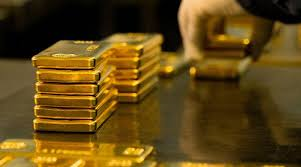
Legitimate exporters typically offer gold across a full weight range — from a 10 gram entry-level bar through to institutional 1 kilogram bars — alongside raw and semi-refined gold for buyers working directly with refineries.
Our gold bars for sale catalogue shows current stock, including our 1kg gold bar and 10 gram gold bar product pages, and our guide on gold mining in Turkana, Kenya covers exactly where a meaningful share of this supply originates.
Choosing the Right Gold Export Partner
Before committing to any Kenya gold exporter, ask for their mineral dealer’s licence number, request an independent assay certificate before paying anything, confirm KRA tax compliance and proper invoicing, and insist on insured, trackable shipping rather than informal delivery.
A legitimate exporter answers all of this without friction. Learn more about our own credentials and licensing on our about page, or see the full range of services we provide to international and institutional buyers.
Ready to work with a licensed, fully documented gold exporter in Kenya? Contact Buy Gold Bars Kenya today for a live quote, or message us directly on WhatsApp to discuss volume, documentation, or delivery to your country.
FAQ: Gold Exporters in Kenya
What licence does a legitimate gold exporter in Kenya need? A mineral dealer’s licence issued under the Mining Act, 2016, plus a valid export permit for each shipment confirming origin, weight, and purity.
How can I verify a Kenyan gold exporter is legitimate? Ask for their licence number, request independent assay certification before paying, and confirm they provide KRA-compliant invoicing and insured, trackable shipping.
What documents should come with an export from Kenya? An assay certificate, certificate of origin, commercial invoice, and export permit, as a minimum.
Is Buy Gold Bars Kenya a licensed exporter? Yes — we are KRA-registered and Ministry of Mining-licensed, sourcing directly from licensed miners and certified refineries with full export documentation on every order.
What’s the risk of buying from an unlicensed gold seller in Kenya? Uncertain origin, no legal export documentation, and no recourse if the gold’s purity or provenance turns out to be misrepresented.