Buy Raw Gold in Kenya Safely | Prices, Dealers & Export Guide
Buying raw gold in Kenya has become increasingly attractive to both local and international investors seeking direct access to Africa’s growing gold trade. Kenya is emerging as a key entry point for raw gold sourced from East Africa, offering opportunities to purchase gold in its natural form before refining.
However, buying raw gold requires careful attention to trust, verification, and legal compliance. The market includes both licensed dealers and informal sellers, making it important to understand how to identify genuine suppliers, check purity through assay reports, and follow safe transaction procedures.
This guide explains everything you need to know about buying raw gold in Kenya in 2026, including current price ranges, trusted dealers, legal requirements, and step-by-step buying processes to help you avoid scams and make secure, profitable investments.
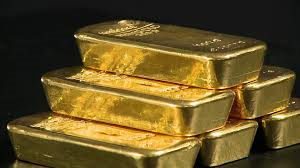
What is Raw Gold in Kenya?
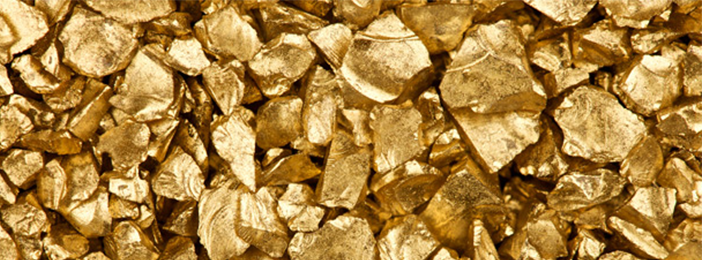
Raw gold in Kenya refers to unrefined gold in its natural form, usually extracted directly from mining sites before it is melted, purified, or molded into bars or jewelry. It often appears as gold nuggets, dust, flakes, or small irregular lumps mixed with natural impurities such as soil or rock.
In Kenya, raw gold is mainly sourced from mining regions in Western Kenya (Migori, Kakamega) and parts of the Rift Valley and Turkana, then traded through licensed dealers or local brokers. Unlike refined gold bars (24K or 22K), raw gold requires assay testing and refining to determine its exact purity and market value.
Because it is unprocessed, raw gold is usually sold at a discounted rate compared to refined gold, but it carries a higher risk if not properly tested. Buyers typically rely on assay certificates, trusted dealers, and government-regulated channels to confirm authenticity and weight before purchase.
Raw Gold Types in Kenya
Raw gold in Kenya comes in different natural forms depending on the mining area, geology, and extraction method. Each type has a different purity level, market value, and processing requirement.
Raw Gold Types in Kenya
| No. | Type of Raw Gold | Description | Appearance | Purity Level |
| 1 | Gold Dust | Fine particles of gold mixed with sand or soil | Powder-like, yellow-brown mix | Medium (varies 70%–95%) |
| 2 | Gold Nuggets | Naturally formed solid gold pieces | Small irregular lumps | High (80%–95%+) |
| 3 | Gold Flakes | Thin, flat pieces of gold found in riverbeds | Shiny, flat fragments | Medium–High |
| 4 | Alluvial Gold | Gold is found in rivers and streams | Mixed with gravel/sand | Variable purity |
| 5 | Reef Gold | Gold extracted from underground rock veins | Embedded in quartz rock | High after processing |
| 6 | Placer Gold | Gold is concentrated in loose sediments | Similar to dust or flakes | Medium |
| 7 | Fine Gold (Refined Raw) | Partially processed raw gold | Cleaned dust or small bars | High (after initial refining) |
| 8 | Rough Gold Ore | Gold is still inside the rock before processing | Rock with visible gold veins | Low (needs refining) |
Current Raw Gold Prices in Kenya
Prices vary depending on purity (nuggets vs dust), location, and global market rates. Below are estimated live market ranges.
| Weight | Purity Type | Price per Gram (USD) | Price Range Notes |
| 1 Gram | Raw Gold Dust | $105 – $120 | Lower purity, needs refining |
| 5 Grams | Raw Gold Dust | $525 – $600 | Small retail deals |
| 10 Grams | Raw Gold Dust | $1,050 – $1,200 | Common trading size |
| 20 Grams | Raw Gold Nuggets | $2,100 – $2,400 | Slightly higher purity |
| 50 Grams | Mixed Raw Gold | $5,250 – $6,000 | Negotiated bulk price |
| 100 Grams | Nuggets/Dust Mix | $10,500 – $12,000 | Export-level deals |
| 250 Grams | Raw Gold | $26,000 – $30,000 | Bulk investor price |
| 500 Grams | Raw Gold | $52,000 – $60,000 | Large wholesale deals |
| 1 Kilogram (1kg) | Raw Gold | $105,000 – $120,000 | Export bulk buyers |
Key note
- Raw gold is typically 5–15% cheaper than refined 24K gold
- Prices depend heavily on purity testing (assay results)
- Larger volumes get better negotiated discounts
- Always verify with licensed Kenyan dealers before purchase
Where to Buy Raw Gold in Kenya (Verified)
| Location / Channel | Type of Seller | What You Get | Key Notes |
| Nairobi (Industrial Area & Westlands) | Licensed gold dealers & exporters | Raw gold dust, nuggets, export-ready gold | Best for verified transactions, requires KYC & documentation |
| Migori Gold Mining Region | Local miners & cooperatives | Raw gold dust & small nuggets | lower prices but higher risk; always verify purity |
| Kakamega Gold Belt | Small-scale miners & brokers | Raw gold flakes & dust | Good for sourcing, but requires assay testing |
| Nairobi International Dealers (CBD) | Registered bullion traders | Refined & raw gold | Best for international buyers & export compliance |
| Online Gold Trading Companies (Kenya-based) | Verified digital brokers | Gold contracts, arranged delivery | Ensure the company is registered & physically verifiable |
| Mining Sites (Direct Purchase) | Artisanal miners | Raw unprocessed gold | Cheapest option but highest scam risk |
| Licensed Refineries in Kenya | Refining companies & exporters | Assayed raw gold & refined bars | Safest for bulk buyers and export deals |
Important Safety Tips
- Always request an assay certificate before payment
- Deal only with registered or licensed exporters (KRA/Mineral rights holders)
- Avoid cash-only deals without documentation
- Use secure meeting locations in Nairobi or refinery offices
- For large deals (100g–1kg), insist on KYC + contract agreement
Step-by-Step Buying Process of Raw Gold in Kenya
| Step | Action | What You Do | Why It Matters | Safety Tip |
| 1 | Identify Seller | Choose a licensed dealer, miner, or exporter | Ensures you are dealing with a real source | Avoid unknown street brokers |
| 2 | Verify Legitimacy | Check business registration, license, or mining permit | Confirms legal operation | Ask for KRA or mining authority documents |
| 3 | Request Sample | Inspect raw gold (dust/nuggets) before purchase | Helps you assess quality | Never pay before physical inspection |
| 4 | Assay Testing | Send gold to a certified lab for a purity test | Determines real gold value (carats/purity) | Use an independent or government-approved lab |
| 5 | Price Agreement | Negotiate based on assay results and market rate | Ensures fair pricing | Compare with live gold prices first |
| 6 | Contract Signing | Sign the purchase agreement with the seller | Protects both buyer and seller legally | Include weight, purity, and payment terms |
| 7 | Secure Payment | Pay via bank transfer or escrow (not cash if possible) | Reduces fraud risk | Avoid advance full cash payments |
| 8 | Transfer & Delivery | Receive gold physically or arrange secure shipment | Confirms ownership transfer | Use a secure courier for export deals |
| 9 | Documentation | Get the invoice, assay report, and export papers | Needed for resale/export | Keep all records safely |
| 10 | Refining (Optional) | Send gold for refining if needed | Converts raw gold into 24K bars | Use a licensed refinery only |
Key Insight
Following this step-by-step process reduces fraud risk and ensures you only pay for verified, tested, and legally sourced raw gold in Kenya.
Licensed Gold Dealers vs Scammers in Kenya (How to Tell the Difference)
| Factor | Licensed Gold Dealers | Scammers / Fake Dealers |
| Legal Status | Registered with government authorities (KRA, Mining Ministry, or export licenses) | No registration or fake documents |
| Location | Fixed office (Nairobi, Industrial Area, Westlands) | Meet in hotels, streets, or shifting locations |
| Documentation | Provides contracts, invoices, and assay certificates | Avoids paperwork or gives fake documents |
| Gold Testing | Uses certified assay labs before final pricing | Refuses testing or pressures for quick payment |
| Pricing Method | Based on global market price + purity (transparent) | Unrealistically cheap or “too good to be true” offers |
| Payment Process | Bank transfer, escrow, or structured payments | Demands cash upfront or anonymous payments |
| Transparency | Open about the source of gold and purity | Hides origin or gives inconsistent stories |
| Customer Trust | Has reviews, referrals, and repeat clients | No history, no traceable reputation |
| Transaction Size | Handles small to large (grams to kilograms) legally | Pushes urgent bulk deals without proof |
| Risk Level | Low risk, regulated trade | High risk of fraud or fake gold |
Exporting Raw Gold from Kenya (Legal Guide – Step-by-Step Table)
| Step | Requirement / Action | What You Must Do | Responsible Authority | Key Notes |
| 1 | Business Registration | Register the company in Kenya (or use a licensed exporter) | Registrar of Companies (URSB equivalent in Kenya: eCitizen portal) | Only registered entities can export gold |
| 2 | Mining / Dealer License | Obtain a mineral trading or dealer license | Ministry of Mining & Blue Economy | Confirms legal right to trade minerals |
| 3 | Source Verification | Prove the origin of raw gold | Licensed miners or cooperatives | Prevents illegal or conflict gold |
| 4 | Assay Testing | Test gold purity and weight | Certified assay laboratories | Determines true value before export |
| 5 | Tax Compliance | Pay royalties and applicable taxes | Kenya Revenue Authority (KRA) | Mandatory for all exports |
| 6 | Export Permit | Apply for a mineral export permit | Ministry of Mining | Required for every shipment |
| 7 | Customs Declaration | Declare shipment at the exit point | Kenya Customs (KRA Customs Department) | Includes invoice, weight, purity |
| 8 | Shipping Arrangement | Arrange secure transport (air cargo preferred) | Licensed freight/courier companies | Must be insured and trackable |
| 9 | Final Inspection | Physical verification before export | Customs + mining officers | Confirms authenticity and documentation |
| 10 | International Clearance | Receive export approval and shipment release | Customs Authority | Gold can now be shipped legally |
Notes
- Exporting raw gold without a valid license is illegal in Kenya
- All gold must be assayed and documented before export approval
- Only deal through licensed exporters and government-approved channels
- Large shipments (100g–1kg+) are strictly monitored by authorities
Documents Required for Export of Raw Gold in Kenya
| No. | Document | Issued By | Purpose | Key Notes |
| 1 | Company Registration Certificate | eCitizen / Registrar of Companies | Confirms legal business entity | Mandatory for all exporters |
| 2 | Mineral Dealer or Export License | Ministry of Mining & Blue Economy | Authorizes gold trading/export | Must be valid and renewed |
| 3 | Tax Compliance Certificate (TCC) | Kenya Revenue Authority (KRA) | Confirms tax compliance | Required for customs clearance |
| 4 | Export Permit (Mineral Export Authorization) | Ministry of Mining | Approves specific gold shipment | Issued per shipment |
| 5 | Assay Certificate | Certified Assay Laboratory | Confirms the purity and weight of gold | Critical for pricing & valuation |
| 6 | Invoice / Sales Contract | Seller or Exporter | Shows transaction details | Must match gold weight and price |
| 7 | Packing List | Exporter | Details shipment contents | Includes weight, purity, and packaging type |
| 8 | Customs Declaration Form | Kenya Customs (KRA) | Declares goods for export | Required at the exit point |
| 9 | Certificate of Origin | Chamber of Commerce or Authority | Confirms the gold source country | Needed for international trade |
| 10 | Insurance Certificate | Insurance Provider | Covers risk during transport | Recommended for high-value shipments |
| 11 | Airway Bill / Bill of Lading | Freight Company | Shipping document for transport | Required for tracking shipment |
| 12 | KYC Documents (Buyer & Seller) | Both Parties | Identity verification | Passport/ID required for compliance |
Note
All raw gold exports in Kenya must be backed by valid licensing, assay verification, and customs approval. Missing any of the above documents can result in seizure of the shipment, fines, or legal action.
Raw Gold Buyer Safety Checklist (Kenya & Africa Guide)
| Step | Safety Check | What to Do | Why It Matters | Red Flags to Avoid |
| 1 | Verify Seller Identity | Confirm ID, company registration, or mining license | Ensures you are dealing with a real entity | No ID, fake names, or refusal to share details |
| 2 | Check Business Location | Visit the physical office or refinery | Confirms legitimacy and traceability | Meetings only in hotels, streets, or remote areas |
| 3 | Demand Assay Testing | Test the gold in a certified lab before payment | Confirms purity and real value | Seller refuses testing or delays it |
| 4 | Confirm Market Price | Compare with live global gold prices | Prevents overpaying | Price far below market rate (“too good to be true”) |
| 5 | Inspect Gold Physically | Check dust, nuggets, or bars before payment | Ensures the actual product exists | Seller avoids showing physical gold |
| 6 | Use Written Contract | Sign an agreement with weight, purity, and price | Protects both buyer and seller legally | No paperwork or verbal-only deals |
| 7 | Avoid Cash Payments | Use a bank transfer or escrow system | Reduces fraud risk | Pressure for cash-only transactions |
| 8 | Verify Documentation | Check the invoice, assay report, and export papers | Ensures legal compliance | Fake or incomplete documents |
| 9 | Meet in Safe Locations | Use banks, licensed offices, or refinery sites | Ensures security during transaction | Private, unsafe, or unknown meeting points |
| 10 | Start with a Small Quantity | Test with 1g–10g before bulk deals | Reduces risk on new sellers | Pressure to buy a large quantity immediately |
| 11 | Check Reputation | Look for reviews, referrals, or past deals | Builds trust in the seller | No online presence or history |
| 12 | Confirm Export Legality | Ensure the seller can legally export gold | Avoids legal problems at customs | Illegal or undocumented export promises |
Top 10 Raw Gold Scam Tricks in Africa ( Warning Guide)
| No. | Scam Trick | How It Works | Warning Signs | How to Avoid It |
| 1 | Fake Gold Samples | The seller shows real gold but delivers fake later | Sample doesn’t match final delivery | Always test the final shipment, not just samples |
| 2 | “Too Good to Be True” Price | Offers gold far below market value | Prices 20–40% lower than global rates | Compare with live gold prices before engaging |
| 3 | Fake Assay Certificates | Forged purity test documents | Poor formatting or unknown lab names | Use independent certified labs only |
| 4 | Switching Gold (Bait & Switch) | Real gold shown, fake delivered | Packaging changed after inspection | Seal and verify gold before transport |
| 5 | Fake Export Licenses | Fraudsters claim they can export legally | No government verification possible | Check licenses with the official mining authority |
| 6 | Advance Payment Scam | Seller demands full payment before testing | Pressure to pay urgently | Never pay before assay and physical inspection |
| 7 | Ghost Miners | Fake miners who don’t own any gold | No mining site or proof of operations | Visit the mining site or verify the cooperatives |
| 8 | Hotel Deal Trap | Deals only happen in hotels or private rooms | No office or business address | Always meet in licensed offices or banks |
| 9 | Fake Freight & Shipping | Claims gold is “in transit” but doesn’t exist | Delayed tracking or fake airway bills | Confirm shipping with official courier companies |
| 10 | Identity Switching | Same scammer uses multiple names/companies | Inconsistent contact details | Check digital footprint and business registration |
How to Test Raw Gold Purity in Kenya
Testing raw gold purity is one of the most important steps before buying or selling gold in Kenya. It helps confirm the real value, authenticity, and market price of gold dust, nuggets, or ore.
Raw Gold Purity Testing Methods in Kenya
| Method | How It Works | Where It’s Done | Key Notes |
| 1. Fire Assay Test (Most Accurate) | Gold is melted at a high temperature and separated from impurities | Certified laboratories | Gold standard method for pricing |
| 2. Acid Test (Nitric Test) | Acid is applied to check the reaction with gold | Dealers & small labs | Quick but less precise than fire assay |
| 3. Electronic Gold Tester | Uses electrical conductivity to estimate purity | Jewelry shops & labs | Fast and non-destructive |
| 4. Density/Weight Test | Measures weight vs volume to estimate purity | Basic testing setups | Useful for quick checks |
| 5. XRF Spectrometer Test | Uses X-ray technology to analyze composition | Advanced labs in Nairobi | Non-destructive and fast |
| 6. Visual Inspection | Checks color, shine, and structure | Field inspection | Only preliminary check |
| 7. Magnet Test | Checks if gold is attracted to magnet | Anywhere | Gold is non-magnetic |
Step-by-Step Process to Test Raw Gold in Kenya
Step 1: Collect Sample
Take a small but representative sample of gold dust, nuggets, or ore from the batch.
Step 2: Choose Certified Lab
Go to a licensed assay laboratory in Nairobi or major towns (avoid informal testing centers).
Step 3: Submit for Assay
Provide the sample for fire assay or XRF testing to determine purity percentage (carats).
Step 4: Receive Assay Report
You will get a report showing:
- Gold purity (e.g., 18K, 22K, 24K equivalent)
- Weight in grams
- Market value estimate
Step 5: Verify Results
Compare assay results with current global gold prices to confirm fair valuation.
Step 6: Proceed with Deal
Only buy or sell after confirming:
- Assay certificate authenticity
- Seller credibility
- Market price alignment
In Kenya, the fire assay method is the most trusted and legally recognized standard for determining gold purity, especially for export and bulk transactions.
Conclusion: Buying Raw Gold in Kenya
Buying raw gold in Kenya offers strong opportunities for investors, traders, and international buyers due to the country’s active mining regions and growing position in the East African gold market. However, success in this market depends entirely on verification, legal compliance, and working with trusted sources.
To safely buy raw gold, it is essential to follow proper procedures such as assay testing, document verification, price comparison with global markets, and dealing only with licensed dealers or exporters. Avoiding shortcuts and informal agreements significantly reduces the risk of scams and financial loss.
In summary, Kenya’s raw gold market can be highly profitable, but only for buyers who prioritize due diligence, transparency, and regulated trade practices. With the right approach, investors can secure genuine gold at competitive prices while ensuring safe and legal transactions.