How to Verify a Legit Gold Dealers in Kenya 2026 | Avoid Scams
Looking to buy gold in Kenya but unsure which dealers are real and trustworthy? You’re not alone. Nairobi and other trading hubs have both licensed gold exporters and unregulated middlemen, making it difficult for buyers to know who to trust.
This guide explains how to verify a legit gold dealer in Kenya step by step using official licensing documents, government registration checks, and real-world due diligence methods used by professional investors. You’ll learn how to confirm whether a seller is legally authorized by Kenyan authorities, such as the Ministry of Mining, and avoid common red flags linked to fake brokers and fraudulent gold offers.
We also break down how real gold transactions work in Kenya, what legal paperwork you should always request before payment, and how to safely identify genuine exporters in Nairobi, Mombasa, and other mining regions.
By the end of this guide, you’ll know exactly how to protect yourself from scams, verify a dealer’s authenticity, and confidently buy gold in Kenya without risking your money or legal trouble.
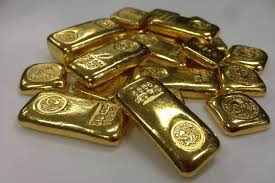
Why Verifying a Gold Dealer in Kenya Is Critical?
- To Avoid Costly Gold Scams and Fake Sellers
Kenya’s gold market attracts international buyers, but it also has unlicensed brokers and fraudsters posing as genuine dealers. Verifying a dealer protects you from fake gold, forged export documents, and advance payment scams that can lead to significant financial loss. - To Ensure Legal Compliance with Kenyan Mining Laws
Only dealers licensed by the Ministry of Mining, Blue Economy, and Maritime Affairs are legally allowed to trade and export gold. Working with an unverified seller can expose you to legal risks, including confiscation of gold, fines, or blocked exports at customs. - To Confirm Authentic Gold Quality and Purity (24K Verification)
A legitimate dealer provides certified assay reports, refinery documentation, and verifiable purity tests. Without proper verification, you risk buying under-purity gold or completely fake bullion that cannot be resold or exported. - To Secure a Safe and Transparent Transaction Process
Verified gold dealers follow a structured process, including official contracts, secure payment channels, export documentation, and insured delivery. This reduces risks during shipping and ensures you receive your gold as agreed without hidden charges or last-minute changes.
How to verify a legit gold dealer in Kenya online
Verifying a legit gold dealer in Kenya online is critical because many scams operate through websites, social media, and messaging apps. The goal is to confirm legal registration, government licensing, and real business activity, not just a professional-looking website.
Start with government verification. A legitimate gold dealer must be registered with the Registrar of Companies (eCitizen portal). Ask for the company name or registration number and confirm it matches their website and documents. Then check if they hold a valid Mineral Dealer’s License issued by Kenya’s Ministry of Mining. Serious dealers will share a copy without hesitation.
Next, review their online presence carefully. A real dealer usually has:
- A professional website with a physical office address (not just “Nairobi, Kenya”)
- A working company email (not only Gmail/Yahoo)
- Consistent contact details across platforms
Search the company name on Google, look for reviews, mentions, or complaints. No trace at all can be a warning sign.
Check their documents before any payment. A legit dealer should provide:
- Certificate of Incorporation
- Mineral Dealer’s License
- Export permits (for international deals)
- Assay certificate showing gold purity (often 22K or 24K)
You can also request a video call or live inspection. Ask them to show:
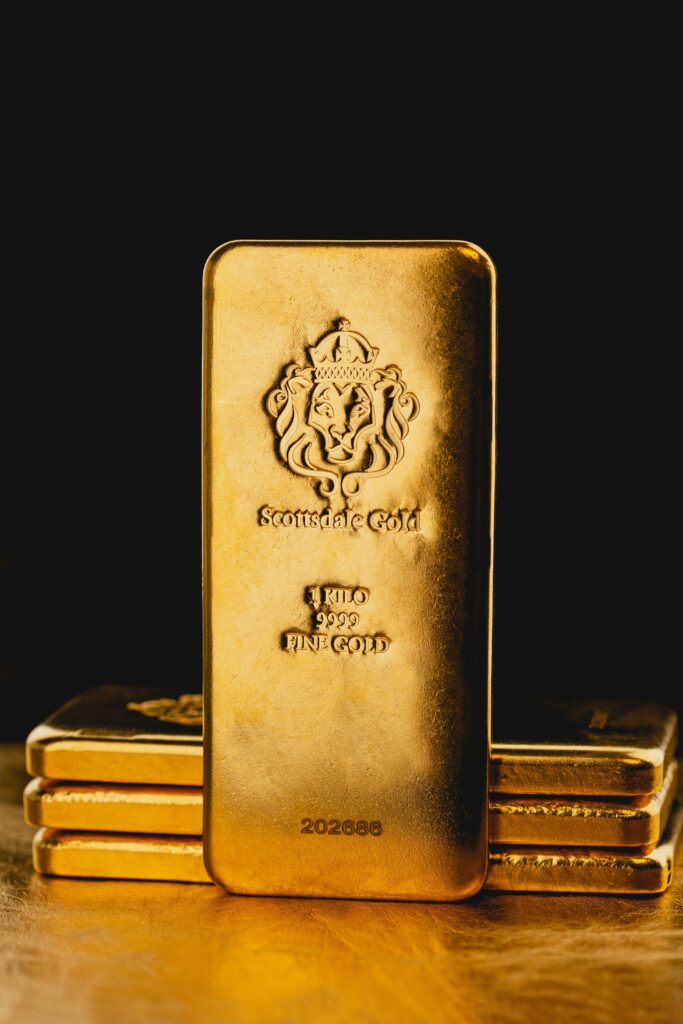
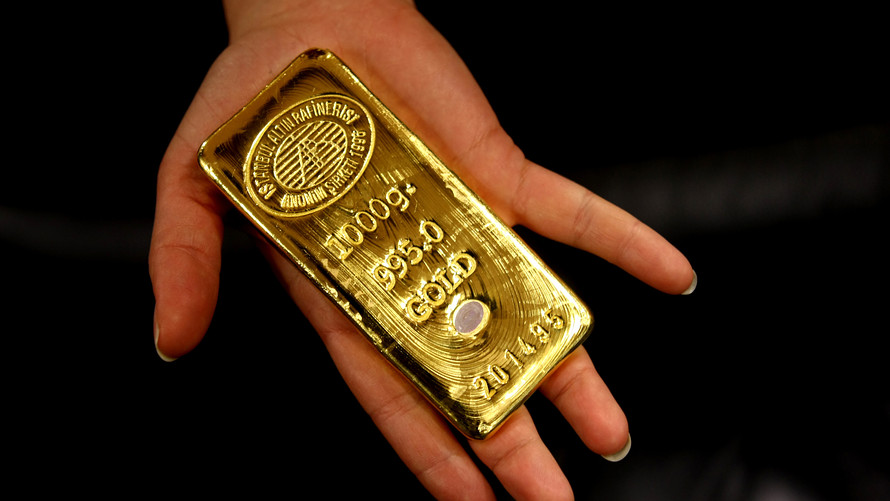
- The gold bars with markings
- Office premises
- Weighing and testing process
Scammers usually avoid live verification or give excuses.
Another strong step is to use a third-party verification company or a local agent in Kenya to physically verify the dealer’s office and gold stock. This is one of the safest approaches for international buyers.
Watch out for red flags online:
- Prices far below the market rate
- Pressure to pay quickly
- Requests for upfront fees via personal accounts
- Poor grammar or inconsistent company details
- Refusal to meet or verify documents
In short, a legit gold dealer in Kenya will be licensed, transparent, traceable online, and willing to provide proof of everything before payment. If any of these elements are missing, it’s safer to walk away.
Verified vs Unverified Gold Dealers in Kenya (Comparison Table)
| Factor | Verified Gold Dealers (Licensed & Legit) | Unverified Dealers (High Risk) |
| Legal Status | Registered and licensed by the Ministry of Mining (Kenya) | No valid license or using fake/expired documents |
| Business Transparency | Physical office, verifiable address, and company registration | Operate online only or use fake office locations |
| Gold Authenticity | Provides assay reports, purity certificates (24K), and refinery documentation | No proof of purity or provides forged/fake certificates |
| Transaction Process | Structured process with contracts, invoices, and clear terms | No formal agreement or vague, changing terms |
| Payment Security | Accepts secure and traceable payment methods (bank transfer, escrow) | Pushes for cash, crypto, or untraceable payments |
| Pricing Transparency | Prices aligned with current global gold rates | Unrealistically low prices to attract buyers |
| Export Compliance | Handles legal export permits, taxes, and customs clearance | No export documentation or uses fake permits |
| Risk of Fraud | Very low risk due to regulatory oversight and accountability | High risk of scams, non-delivery, or partial delivery |
| Delivery & Logistics | Insured shipping with tracking and professional logistics partners | No shipping guarantees, frequent delays, or lost cargo |
| Customer Protection | Legal recourse available in case of disputes | No accountability or way to recover lost funds |
| Reputation & Reviews | Verified client reviews, references, and transaction history | No verifiable reviews or uses fake testimonials |
Note. Choosing a verified gold dealer in Kenya ensures legal protection, genuine 24K gold, and a secure transaction process, while dealing with unverified sellers exposes you to scams, fake gold, and financial loss. Always prioritize licensed dealers to protect your investment and ensure smooth gold export.
Gold Dealer Verification Checklist in Kenya (Step-by-Step Table)
| Step | What to Verify | How to Check (Action Step) | What a Legit Dealer Provides | Red Flag Warning Signs |
| 1. Confirm Company Registration | Business is legally registered in Kenya | Search the company on the Kenya Business Registry (eCitizen) | Certificate of Incorporation and matching company name | No registration or mismatched company details |
| 2. Verify Mining License | The dealer is licensed to trade/export gold | Request the license number and cross-check with the Ministry of Mining, Kenya | Valid, up-to-date mining/export license | Fake, expired, or unverifiable license |
| 3. Check Physical Office Location | Real business presence | Request the office address and conduct a visit or video verification | Office in Nairobi or a recognized trading hub | Refuses visits or gives unclear location |
| 4. Validate Gold Purity (24K) | Gold quality and authenticity | Request an assay report from a recognized refinery | Certified assay report with purity (e.g., 99.99%) | No assay report or altered/fake documents |
| 5. Review Export Documentation | Legal export compliance | Ask for sample export permits and past shipment records | Official export permit, customs clearance documents | Missing or poorly formatted documents |
| 6. Analyze Pricing Structure | Realistic gold pricing | Compare dealer price with current global gold rates (per gram/kg) | Transparent pricing close to market rates | Prices far below market (too good to be true) |
| 7. Confirm Payment Method | Secure transaction channels | Use bank transfer or escrow services only | Traceable payment with invoice and contract | Requests crypto, cash, or third-party payments |
| 8. Check Contract Agreement | Legal protection for the buyer | Review and sign a formal sales agreement | Clear contract with quantity, price, and delivery terms | No contract or vague terms |
| 9. Verify Reputation & References | Dealer credibility | Ask for past client references or check online presence | Real reviews, testimonials, transaction proof | No reviews or fake testimonials |
| 10. Inspect Delivery & Logistics Plan | Safe and insured shipping | Ask for logistics partner and shipment insurance details | Insured delivery with tracking number | No clear delivery process or guarantees |
Export and Transaction Documents for Buying Gold in Kenya
When purchasing gold in Kenya, having the correct export and transaction documents is what separates a safe, legal deal from a risky one. Below is a clear breakdown of the essential paperwork every serious buyer must verify before payment and shipment.
Export Documents (Required for Legal Shipment)
| Document Name | Purpose | Who Issues It | What to Verify |
| Gold Export Permit | Authorizes the legal export of gold outside Kenya | Ministry of Mining | Valid permit number, official stamp, matching dealer name |
| Certificate of Origin | Confirms where the gold was sourced | Chamber of Commerce / Mining Authority | Country listed matches seller’s claim |
| Customs Clearance Documents | Approves shipment through Kenyan customs | Kenya Revenue Authority (KRA) | Official stamps, consistent shipment details |
| Export Declaration Form (EDF) | Declares goods being exported | Customs Authority | Accurate weight, value, and exporter details |
| Airway Bill (AWB) | Shipment tracking and logistics proof | Airline / Freight Company | Real tracking number and logistics provider |
| Insurance Certificate | Covers gold during transit | Insurance Company | Full value insured, policy validity |
Transaction Documents (Before & During Payment)
| Document Name | Purpose | What to Check | Red Flag Signs |
| Proforma Invoice | Initial cost breakdown before payment | Price per kg/gram matches market rates | Vague or inconsistent pricing |
| Commercial Invoice | Final bill for the transaction | Matches the agreed quantity and total value | Different from a proforma invoice |
| Sales Agreement (Contract) | Legal protection for buyer and seller | Signed, clear terms (price, quantity, delivery) | No contract or unclear clauses |
| Assay Report | Confirms gold purity (e.g., 24K / 99.99%) | Issued by a recognized refinery | Edited or unverifiable report |
| Packing List | Details shipment contents | Weight and number of bars match the invoice | Missing or inaccurate details |
| Payment Receipt / SWIFT Proof | Confirms transaction completion | Matches the company’s bank details | Payment to personal account |
Note. To safely buy and export gold from Kenya, you must verify both export documents (permits, customs, shipping) and transaction documents (contracts, invoices, assay reports). Missing or inconsistent paperwork is one of the strongest indicators of fraud in the Kenyan gold market.
Gold Buying Documents Checklist in Kenya (Must-Have Papers Before Payment)
| Document Name | Purpose | What to Check (Verification Tip) | What a Legit Dealer Provides | Red Flag Warning Signs |
| Certificate of Incorporation | Confirms the company is legally registered in Kenya | Cross-check the company name on the eCitizen Business Registry | Valid certificate matching the dealer’s business name | Fake document or mismatched company details |
| Mining / Gold Trading License | Authorizes the dealer to trade or export gold | Verify license with the Ministry of Mining, Kenya | Active, verifiable license with official stamp/signature | Expired, altered, or unverifiable license |
| Tax Compliance Certificate (KRA) | Confirms the company pays taxes and is compliant | Check validity via the Kenya Revenue Authority (KRA) | Valid KRA PIN and tax compliance certificate | No tax record or invalid certificate |
| Gold Assay Report (Purity Certificate) | Confirms gold purity (e.g., 24K / 99.99%) | Ensure it’s issued by a recognized refinery or lab | Original assay report with serial number and stamp | Missing, scanned, or edited document |
| Proforma Invoice | Outlines transaction details before payment | Check quantity, price per gram/kg, total cost, and seller details | Clear invoice matching agreed terms | Vague pricing or inconsistent figures |
| Sales Agreement / Contract | Legally binds buyer and seller | Review terms: quantity, price, payment terms, delivery timeline | Signed contract with company details and signatures | No contract or unclear legal terms |
| Export Permit | Allows legal export of gold from Kenya | Verify the issuing authority and permit number | Government-issued export permit | Fake or missing permit |
| Customs Clearance Documents | Confirms legal shipment through customs | Check consistency with the export permit and shipment details | Official customs documents with stamps | No customs paperwork or inconsistencies |
| Certificate of Origin | Shows where the gold was sourced | Ensure it aligns with mining/export records | An authentic certificate issued by the relevant authority | Fake or unverifiable origin claims |
| Insurance Certificate (Shipment) | Protects gold during transit | Confirm insurer and coverage details | Valid insurance covering full shipment value | No insurance or unclear coverage |
| Airway Bill / Shipping Documents | Tracks gold shipment and delivery | Verify tracking number and logistics company | Real-time tracking with a recognized courier | No tracking or fake shipping details |
Note. Before making any payment, always request and verify these gold buying documents in Kenya to ensure the dealer is licensed, the gold is genuine, and the transaction is legally protected. Missing or inconsistent paperwork is one of the biggest warning signs of gold scams in Nairobi and across East Africa.
Warning Signs of Fake Gold Dealers in Kenya
Spotting a fraudulent gold dealer early can save you from major financial loss. Here are the most common red flags buyers encounter in Nairobi and across Kenya:
- Prices That Are Too Good to Be True
If a dealer offers gold far below the global market rate, it’s usually a trap. Scammers use low prices to rush buyers into quick payments without proper verification. - No Verifiable License or Fake Documents
A fake dealer will either avoid sharing their mining/export license or provide poorly edited documents. If you cannot confirm their license with the Ministry of Mining, walk away. - Pressure to Make Urgent Payments
Fraudsters often create urgency, such as “limited stock,” “customs deadline,” or “another buyer waiting,” to push you into paying before doing due diligence. - Requests for Untraceable Payment Methods
Be cautious if you’re asked to pay via cash, cryptocurrency, Western Union, or personal accounts. Legitimate dealers use traceable bank transfers under registered company names. - No Physical Office or Refusal to Meet
If a dealer cannot provide a verifiable office location in Nairobi or avoids in-person or video meetings, that’s a major red flag. - Lack of Assay Reports or Fake Gold Certificates
Genuine gold dealers provide refinery-backed assay reports. Fake dealers may send blurry scans, edited PDFs, or refuse testing altogether. - Poor or Non-Existent Online Presence
No website, no credible reviews, or recently created social media pages with generic content often indicate a scam operation. - Inconsistent or Changing Transaction Details
If the dealer keeps changing prices, quantities, payment terms, or delivery timelines, it shows a lack of professionalism and possible fraud. - Fake Shipping and Export Claims
Scammers may claim the gold is “already at the airport” or “ready for export” but cannot provide valid export permits, airway bills, or customs documents. - No Contract or Legal Agreement
Avoid any dealer unwilling to sign a formal sales agreement. Without a contract, you have no protection if things go wrong.
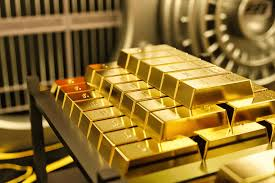
Safe Way to Buy Gold in Kenya (Step-by-Step Guide for 2026)
Buying gold in Kenya can be highly profitable but only if you follow a secure, verified process. Here’s the safest way to complete a gold transaction while avoiding scams and legal issues:
- Work Only with Licensed Gold Dealers
Start by shortlisting dealers who are registered and licensed by the Ministry of Mining, Blue Economy, and Maritime Affairs. Never engage with brokers who cannot prove legal authorization to trade or export gold. - Verify All Company and License Documents
Before any discussion of payment, confirm the dealer’s Certificate of Incorporation, Mining License, and KRA Tax Certificate through official Kenyan platforms like eCitizen and relevant government offices. - Request a Valid Assay Report (Gold Purity Test)
Ensure the gold is tested by a recognized refinery or independent laboratory. A legitimate dealer will provide an assay report confirming purity (e.g., 24K / 99.99%) with verifiable details. - Visit the Office or Conduct a Live Video Verification
If possible, meet the dealer in person in Nairobi or conduct a live video call to confirm their physical office, gold stock, and operations. Avoid dealers who refuse transparency. - Sign an official Sales Agreement (Contract)
Always proceed with a written contract that clearly outlines quantity, price, payment terms, delivery timeline, and responsibilities of both parties. - Use Secure and Traceable Payment Methods
Make payments via official company bank accounts or escrow services. Avoid cash deals, cryptocurrency, or payments to personal accounts. - Confirm Export Permits and Legal Documentation
Before finalizing the deal, ensure all required documents are in place, including export permits, customs clearance, and a certificate of origin. - Use Insured Shipping and Verified Logistics Partners
Choose dealers who offer insured delivery with tracking through recognized logistics companies to protect your investment during transit. - Start with a Small Test Transaction
If you’re a new buyer, begin with a smaller order to test the dealer’s reliability before committing to large-scale purchases. - Work with Trusted Industry Platforms
To reduce risk, consider sourcing from reputable gold trading companies or platforms with a proven track record in Africa, such as those that provide verified supply chains and buyer protection support.
Frequently Asked Questions About Verifying Gold Dealers in Kenya (2026 Guide)
- How do I verify a legit gold dealer in Kenya?
Check if the dealer is registered on eCitizen, holds a valid license from the Ministry of Mining, and can provide verifiable documents like assay reports, export permits, and a physical office address. - Which authority regulates gold dealers in Kenya?
Gold trading is regulated by the Ministry of Mining, Blue Economy and Maritime Affairs, along with oversight from customs and tax authorities like KRA. - What documents should a legit gold dealer provide?
Key documents include a Certificate of Incorporation, Mining/Trading License, Tax Compliance Certificate, Assay Report, Export Permit, and Sales Contract. - Can I trust gold dealers without a physical office in Nairobi?
No. A legitimate dealer should have a verifiable office location. Dealers operating only online or refusing meetings are high-risk. - How can I check if a gold license is real in Kenya?
Request the license number and verify it through the Ministry of Mining or relevant government channels before proceeding. - What is an assay report, and why is it important?
An assay report confirms the purity and authenticity of gold (e.g., 24K). Without it, you cannot be sure of what you’re buying. - Are low gold prices in Kenya a sign of a scam?
In most cases, yes. Prices significantly below the global market rate are often used to lure buyers into fraudulent deals. - Is it safe to pay for gold using cryptocurrency or cash?
No. Always use traceable payment methods like bank transfers or escrow. Untraceable payments increase your risk of fraud. - What is the safest way to pay a gold dealer in Kenya?
Use a company bank account under the registered business name or a trusted escrow service with a signed agreement. - Do I need a contract when buying gold in Kenya?
Yes. A written sales agreement protects both parties and clearly defines terms like price, quantity, and delivery. - How do I avoid fake gold dealers in Nairobi?
Verify licenses, avoid upfront payments without documentation, confirm office locations, and follow a structured verification checklist. - Can gold be exported legally from Kenya?
Yes, but only through licensed dealers with proper export permits, customs clearance, and tax compliance. - What happens if I buy gold from an unlicensed dealer?
You risk losing your money, receiving fake gold, or having your shipment confiscated by authorities. - Should I visit Kenya before buying gold?
If possible, yes. Visiting allows you to physically verify the dealer, gold stock, and documentation, reducing risk. - Can beginners safely buy gold in Kenya?
Yes, but only if they follow a strict verification process, start with small transactions, and work with trusted, licensed dealers.