Trusted Guide: Where to Buy Gold in Kampala (2026) | Verified Dealers & Safe Prices
If you are asking “where to buy gold in Kampala?” the direct answer is that gold can only be safely and legally purchased through licensed dealers, refineries, and officially registered trading companies operating under Uganda’s mining and export regulations. Kampala has become an important gold trading hub in East Africa, but the market is mixed. While there are legitimate, government-recognized exporters, there are also unverified intermediaries, making due diligence essential before any transaction.
Uganda’s gold trade is regulated by the Ministry of Energy and Mineral Development (MEMD) and monitored through export licensing systems to ensure traceability and compliance. This means that any serious buyer, whether local or international, should engage only companies that can provide verifiable export licenses, assay certificates, and full documentation for cross-border shipments. In this guide, we break down the most reliable and legally operating gold dealers in Kampala, how to verify them, and the safest way to complete a purchase without exposing yourself to fraud or regulatory risk.
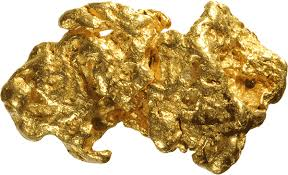
Why You Should Buy Gold in Kampala?
Kampala has become one of East Africa’s emerging gold trading centers, attracting both local and international investors. However, buying gold here is not just about price, it is about access, proximity to mining sources, and structured export channels. When done through licensed DGSM-approved dealers, Kampala offers a legally recognized gateway into Africa’s gold supply chain.
- Proximity to Gold-Sourcing Regions
Kampala is strategically located near Uganda’s active mining regions, such as Karamoja and the eastern border areas. This proximity allows traders to access freshly mined gold (raw gold, nuggets, and dore bars) before it enters global refining channels, creating a direct supply advantage.
- Access to Licensed Export Channels
Unlike informal markets, Kampala hosts DGSM-licensed dealers, refineries, and export companies that operate under Uganda’s Mining and Minerals Act 2022. This means buyers can legally purchase and export gold with proper documentation such as export permits, assay certificates, and certificates of origin.
- Competitive Market Structure
Kampala’s gold market is highly competitive, with multiple dealers and refineries operating in the same ecosystem. This competition can create better negotiation opportunities and flexible pricing structures, especially for bulk buyers who understand international spot pricing.
- Growing International Investment Hub
Kampala is increasingly becoming a regional hub for gold trade in East Africa. With improving regulations and increased foreign investor interest, the city offers a developing but structured environment for gold investment, especially for those seeking entry into African gold markets.
Where to Buy Gold in Kampala
Below is a structured overview of the main legal and commonly used channels to buy gold in Kampala. Always verify DGSM licensing before any transaction.
| Option | Description | What You Can Buy | Advantages | Risk Level |
| DGSM-Licensed Gold Dealers | Registered companies approved by the Directorate of Geological Survey and Mines | Raw gold, dore bars, refined gold | Fully legal, documented, export-ready transactions | Low |
| Refineries in Kampala | Licensed refining companies that process and sell gold | Refined gold bars, dore bars | Purity testing, better quality assurance | Low–Medium |
| Export Trading Companies | Firms specializing in buying gold for international export | Large volume gold (bars, dore) | Structured contracts, bank payments, export support | Low |
| Mining Cooperatives & Aggregators | Groups collecting gold from small-scale miners | Raw gold, nuggets, dust | Direct sourcing sometimes offers lower prices | Medium |
| Private Dealers (Informal Market) | Unregistered individual buyers/sellers | Small quantities of raw gold | Quick deals, flexible negotiation | High |
| Authorized Brokers/Agents | Middlemen connected to licensed exporters | Raw or semi-processed gold | Easier access to suppliers | Medium–High |
Note
The safest way to buy gold in Kampala is through DGSM-licensed dealers, refineries, or export companies. These options provide legal protection, proper documentation, and verified gold purity, while informal markets carry significantly higher fraud and compliance risks.
Understanding the Legal Framework for Gold Trading in Uganda
Gold trading in Uganda is strictly regulated to ensure that all transactions are traceable, legally compliant, and linked to licensed operators within the mineral value chain. The entire system is overseen by government institutions that control who can buy, sell, process, and export gold. For any buyer in Kampala, especially foreign investors, understanding this legal framework is essential because it determines whether a transaction is legitimate or potentially fraudulent.
The Role of the DGSM (Directorate of Geological Survey and Mines)
The Directorate of Geological Survey and Mines (DGSM) is the primary government authority responsible for regulating Uganda’s mineral sector, including gold trading, licensing, and export supervision. DGSM operates under the Ministry of Energy and Mineral Development (MEMD) and is the only institution legally mandated to issue licenses to mineral dealers, exporters, and processors.
In simple terms, if a company is not registered and approved by DGSM, it is not legally authorized to trade or export gold in Uganda. DGSM ensures that all gold entering the official market is sourced responsibly, properly documented, and compliant with national mining laws. This includes verifying mining origins, monitoring trading activities, and approving export shipments through official export permits.
For buyers in Kampala, DGSM approval acts as the first and most important trust signal. Any reputable gold dealer should be able to present a valid Mineral Dealer’s License issued or recognized under DGSM authority, along with supporting export documentation when required.
Required Documentation for Buyers
To legally buy and export gold from Kampala, buyers must ensure that every transaction is supported by proper documentation. These documents are not optional; they are required by Ugandan law to prove ownership, purity, and legal export compliance. Without them, gold cannot be legally shipped out of the country.
The three most important documents in a gold transaction include the Mineral Dealer’s License, Export Permit, and Assay Certificate.
Key Legal Documents for Buying Gold in Kampala
When buying gold in Kampala, every legitimate transaction must be supported by official documentation. These documents are not just formalities; they are legal proof that the gold is authentic, traceable, and approved for trade or export under Ugandan law. Understanding each document helps buyers avoid fraud, ensure correct pricing, and complete smooth international transfers.
| Document | What It Means | Who Issues It | Importance for Buyers |
| Mineral Dealer’s License | Official approval allowing a company or individual to legally trade gold in Uganda | Directorate of Geological Survey and Mines (DGSM) under MEMD | Confirms you are dealing with a legally recognized gold dealer and not an illegal trader |
| Export Permit | Legal authorization allowing gold to leave Uganda for international shipment | DGSM and Uganda Revenue Authority (URA) | Required for customs clearance; without it, gold cannot be exported legally |
| Assay Certificate | Technical report showing gold purity (e.g., 22K, 24K), weight, and composition | Accredited refineries or government-approved assay laboratories | Ensures you are paying the correct value based on verified purity |
| Certificate of Origin | Document confirming the geographical source of the gold | DGSM or authorized export office | Important for international compliance and import approval in destination countries |
| Commercial Invoice | Official sales document showing price, quantity, and transaction details | Licensed gold dealer or exporter | Used for banking, customs declarations, and legal proof of purchase |
| Packing List | Detailed breakdown of shipment contents | Exporter | Helps customs verify shipment accuracy during inspection |
Why These Documents Are Critical
Together, these documents form the legal compliance chain for gold transactions in Uganda. The Mineral Dealer’s License confirms the seller is authorized, the Assay Certificate verifies the gold’s quality and value, and the Export Permit ensures the gold can legally leave the country. Additional documents like the Certificate of Origin and Commercial Invoice support international trade compliance and protect buyers during customs clearance.
Without this documentation, buyers face serious risks, including shipment delays, confiscation at customs, or dealing with fraudulent sellers. That is why professional investors always insist on receiving a full documentation package before completing any gold purchase in Kampala.
Top Licensed Gold Dealers and Refineries in Kampala
Kampala’s gold market includes a mix of licensed exporters, refining companies, and trading intermediaries operating under Uganda’s mineral regulatory framework. However, because licensing status can change and some companies operate through partnerships or export agents, buyers must always verify current DGSM registration before engaging in any transaction.
In general, reputable gold operations in Kampala should be able to provide:
- Valid Mineral Dealer’s License (DGSM-approved)
- Active Export Permit authorization
- Verifiable physical office or refinery presence
- Full assay and export documentation
Gold Dealers & Refineries in Kampala (Verification Required)
| Company Name | Type of Operation | Services Offered | Verification Status Note |
| NRS Logistics (Uganda) | Export logistics / gold trading support | Gold export handling, logistics coordination, and documentation support | Must confirm current DGSM licensing and active export authorization |
| Euro Gold Refinery | Refining/trading | Gold refining, purity testing, bullion preparation | Verify refinery accreditation and assay certification authority |
| Polaris Gold Refinery | Refining/trading | Gold processing, export facilitation, bulk gold supply | Confirm operational refinery license and compliance status |
| Local DGSM-Licensed Dealers (Various) | Small-to-mid traders | Raw gold sourcing, domestic trading, export facilitation | Must request the official DGSM Mineral Dealer’s License before engagement |
What Makes a Dealer “Trusted” in Kampala?
A trusted gold dealer or refinery in Uganda is not defined by name alone, but by verifiable compliance and transparency. Serious buyers should prioritize companies that:
- Are registered under DGSM (Ministry of Energy and Mineral Development)
- Provide real-time assay testing before payment
- Offer clear export documentation without delays
- Allow physical inspection of gold before transaction
- Work with recognized logistics companies for secure shipment
Types of Gold You Can Buy in Kampala
When buying gold in Kampala, it is important to understand the different forms of gold available in the local market. Each type varies in purity, price, processing stage, and export readiness, which directly affects investment value and legal handling. Kampala’s gold market mainly deals with raw, semi-processed, and refined gold products, depending on the dealer and refinery involved.
| Type of Gold | Description | Purity Level | Where It Comes From | Investment Use |
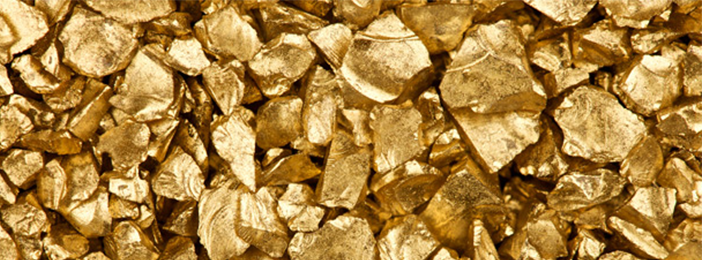
| Raw Gold (Nuggets & Dust) | Unprocessed gold directly from mining sites, often mixed with impurities | 40% – 85% | Artisanal and small-scale mining areas | Requires refining before export or resale |
| Dore Bars | Semi-refined gold bars are produced at the mining or local refinery level | 60% – 95% | Local refineries or mining processors | Common export form before final refining |
| Refined Gold Bars (Non-LBMA) | Partially refined bars processed locally but not yet LBMA certified | 95% – 99% | Kampala refineries | Suitable for regional trade and export |
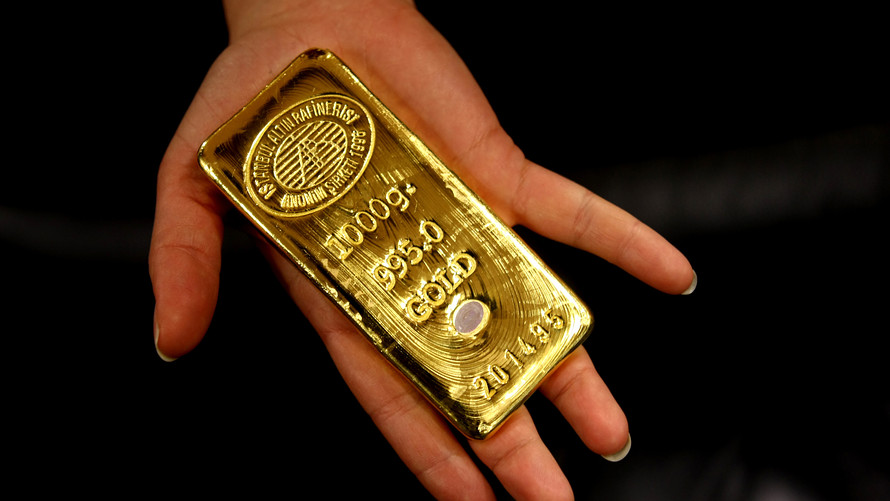
| LBMA-Standard Gold Bars | Fully refined, internationally certified investment-grade gold | 99.5% – 99.99% (24K) | Accredited international refineries | Accepted in global banking and bullion markets |
| Gold Dust (Fine Particles) | Very fine particles of gold collected from mining processing | Varies (unverified until assay) | Mining sites and traders | Must be assayed and refined before valuation |
| Gold Nuggets | Naturally formed solid pieces of gold found in rivers or mines | 70% – 95% | Alluvial mining regions in Uganda | Highly valuable depending on size and purity |
Step-by-Step Process of Buying Gold Locally in Kampala
Buying gold in Kampala must follow a strict legal and verification process to ensure safety, authenticity, and export compliance.
| Step | Process Stage | What You Do | Why It Matters |
| Step 1 | Identify Licensed Dealer | Verify the DGSM Mineral Dealer’s License and confirm the physical office in Kampala | Ensures you are dealing with a legally approved gold trader |
| Step 2 | Confirm Gold Availability | Inspect available gold (dust, nuggets, or bars) and agree on preliminary quantity | Prevents misunderstandings about supply and pricing |
| Step 3 | Assay Testing | Send gold for official purity testing at a licensed refinery or lab | Confirms real gold purity (22K–24K) and protects against fake valuation |
| Step 4 | Price Agreement & Contract | Agree on the price based on the global gold rate and sign a sales agreement | Legally binds both parties and prevents disputes |
| Step 5 | Secure Payment | Transfer funds via bank wire or escrow after verification | Ensures safe, traceable financial transactions |
| Step 6 | Export Documentation | Receive Export Permit, Certificate of Origin, Invoice, and Assay Certificate | Required for legal customs clearance and international shipping |
| Step 7 | Secure Delivery | Ship gold through insured logistics companies to the destination country | Guarantees safe transport and protects high-value cargo |
Pricing & Markets: Gold Prices in Kampala vs International Spot Price
Gold pricing in Kampala is directly influenced by the global spot price of gold (USD/oz), but local factors such as supply chain structure, purity level, and export costs create variations in final buying prices. While some buyers believe Uganda offers “cheap gold,” the reality is more complex and depends on market structure and transaction conditions, not just price alone.
Gold Prices in Kampala vs International Spot Price
| Gold Type | Kampala Price (per gram) | International Spot Equivalent (per gram) | Price Difference | Key Reason for Difference |
| Raw Gold (Low Grade) | $130 – $150 | ~$95 – $105 | Higher in Kampala | Includes local sourcing costs, risks, and handling margins |
| Raw Gold (Medium Grade) | $150 – $165 | ~$105 – $120 | Slightly higher | Assay uncertainty + export preparation costs |
| High Purity Gold (22K) | $165 – $180 | ~$120 – $130 | Higher | Refining, compliance, and export documentation added |
| 24K Refined Gold Bars | $180 – $200+ | ~$130 – $140 | Higher | Fully refined, export-ready, includes security & logistics |
| International LBMA Standard Gold | Not commonly traded locally | ~$130 – $140 | Benchmark | Globally standardized, used in London/NY markets |
Note. International spot values fluctuate daily based on global markets.
Why Is Gold Sometimes Considered “Cheaper” in Uganda?
Many investors search for “cheap gold in Uganda,” but this is often a misunderstanding of how gold pricing actually works. Uganda does not sell gold below the global value in a legitimate market structure. Instead, perceived price differences come from several factors:
- Direct Sourcing from Mining Regions
Uganda is close to artisanal and small-scale mining operations, which reduces intermediary layers compared to Western markets. However, once legal processing, licensing, and export costs are added, prices move closer to global levels.
- Unrefined or Raw Gold Variations
Some offers in Kampala involve raw or unrefined gold, which may appear cheaper at first but requires:
- Assay testing
- Refining costs
- Export compliance
Note. These costs reduce the “cheapness advantage.”
- Market Structure and Risk Premium
Uganda’s gold market includes:
- Higher transaction risk
- Verification requirements
- Export documentation costs
Note. These factors create a risk premium, not a discount market.
- Global Spot Price Benchmarking
All legitimate gold deals in Kampala are still anchored to the international gold spot price. Dealers do not operate independently of global markets.
Note. Gold in Uganda is not truly “cheap” compared to global standards. Instead, price differences reflect form (raw vs refined), compliance costs, and export logistics, not undervaluation of gold itself. Serious investors should always compare offers against the international spot price plus verified processing and export costs to determine fair market value.
24K Gold Bars for Sale in Kampala (Uganda)
| Gold Bar Size | Purity | Price Range (USD)* | Price per Gram (USD) | Availability | Best For | Verification Level |
| 1 Gram | 24K (99.99%) | $125 – $140 | $125 – $140 | High | New buyers, testing quality | Verified Dealers |
| 10 Grams | 24K (99.99%) | $1,250 – $1,400 | $125 – $140 | High | Small investors | Verified Dealers |
| 50 Grams | 24K (99.99%) | $6,250 – $7,000 | $125 – $140 | Medium | Medium investors | Licensed Dealers |
| 100 Grams | 24K (99.99%) | $12,500 – $14,000 | $125 – $140 | Medium | Serious investors | Licensed Exporters |
| 250 Grams | 24K (99.99%) | $31,250 – $35,000 | $125 – $140 | Medium | Bulk buyers | Licensed Exporters |
| 500 Grams | 24K (99.99%) | $62,500 – $70,000 | $125 – $140 | Low | High-value buyers | Licensed Exporters |
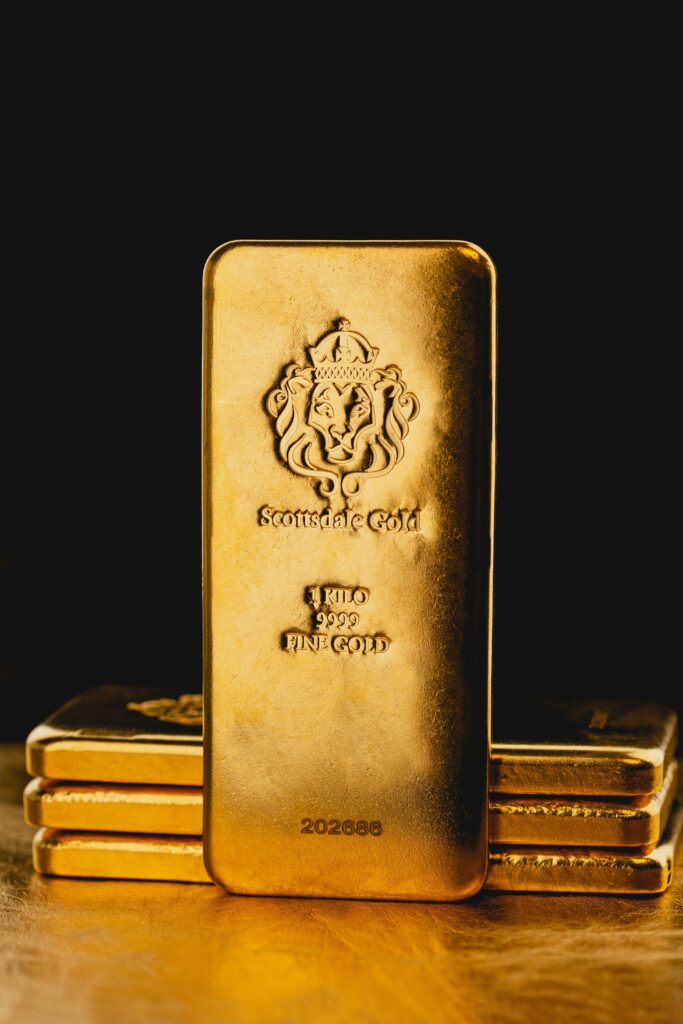
| 1 Kilogram | 24K (99.99%) | $125,000 – $140,000 | $125 – $140 | Limited | Wholesale/export buyers | Fully Licensed Dealers |
Also, prices may vary depending on dealer premiums, refining quality, taxes, and export/logistics costs.
Note. Gold prices in Kampala typically range from $125 to $140 per gram due to dealer margins, export handling, taxes, and value-added services compared to global spot prices.
Types of Gold Dealers in Kampala (Where to Buy Gold Safely)
| Dealer Type | Best For | Typical Location | What They Sell | Verification Level | Advantages | Risks / Considerations |
| Retail Jewelers | Wedding rings, gifts, 18K–22K jewelry | Malls (Acacia Mall, Lugogo Mall, Garden City) | Gold jewelry, small coins | Moderate (business registration) | Easy access, ready-made products, walk-in purchases | Higher markups are not ideal for investment-grade gold |
| Gold Refineries | Investment bullion, 24K gold bars | Industrial areas, Entebbe Road, Wakiso | Refined gold bars (24K), bulk orders | High (licensed & regulated) | High purity (99.99%), suitable for investors & export | Requires larger capital, limited public access |
| Licensed Gold Traders | Raw gold, gold bars, export deals | Central Business District (Kampala Road, Nakasero) | Gold bars, nuggets, export-ready gold | Very High (MEMD licensed) | Can handle international transactions and provide export documents | Due diligence required to avoid fraudulent brokers |
| Gold Export Companies | Bulk gold buying & international shipping | Kampala & Entebbe (near airport zones) | 24K gold bars, wholesale quantities | Very High (export licensed) | Full export support, documentation, and logistics handled | Minimum order quantities often high |
| Independent Brokers | Connecting buyers to sellers | CBD, online platforms, private offices | Varies (bars, nuggets, deals) | Low to Medium | Can negotiate better prices | High scam risk if not verified properly |
| Mining Cooperatives | Raw gold at source, lower prices | Outskirts of Kampala, Western & Eastern Uganda | Gold dust, raw gold | Low to Medium | Potentially lower prices | High risk, requires expert verification and licensing |
Note: “The safest way to buy gold in Kampala is through licensed gold traders and refineries regulated by the Ministry of Energy and Mineral Development (MEMD), ensuring authenticity, proper documentation, and secure transactions.”
How to Avoid Gold Scams in Uganda
Gold scams in Uganda often target first-time buyers and foreign investors who are unfamiliar with the local trading system. Most fraudulent schemes rely on unrealistic pricing, fake mining stories, and pressure for advance payments. Understanding the warning signs is the most effective way to protect your investment and ensure you only deal with licensed, DGSM-verified dealers.
Red Flags in Gold Transactions (What to Watch Out For)
Below is a detailed breakdown of the most common warning signs of gold scams in Uganda and what they actually mean in practice.
| Red Flag | What Scammers Claim | Why It’s Suspicious | What You Should Do Instead |
| Prices 20%–40% below market rate | “We sell cheaper gold directly from miners.” | Real gold is priced close to the global spot price; extreme discounts are unrealistic | Compare the price with the international gold spot rate before engaging |
| Hidden or ancestral mines | “This gold comes from family-owned or secret mines.” | No verifiable mining documentation or DGSM traceability | Request an official mining license and DGSM verification |
| Upfront shipping or clearing fees | “Pay logistics fees before we release gold.” | Legit dealers never request shipping fees before the contract and export approval | Only pay after a signed agreement and verified export documents |
| No physical office or refinery | “We operate through agents only.” | Lack of a traceable business location increases fraud risk | Visit the office or request live video verification of the premises |
| Pressure to close the deal quickly | “This deal is only available today.” | High-pressure tactics are commonly used in scams | Take time to verify documents and dealer credentials |
| No assay certificate provided | “Trust us, the gold is pure.” | Without assay testing, purity and value cannot be confirmed | Demand an official assay report from a licensed refinery |
| Cash-only transactions | “Bank systems are slow, pay in cash.” | Cash payments are untraceable and risky | Use bank transfer or escrow with full documentation |
Legal & Logistics: Exporting Gold from Uganda & Key Mining Laws
Uganda’s gold sector is tightly regulated to ensure that all exports are traceable, taxed correctly, and compliant with national mining laws. For investors, understanding both the export process (duties and taxes) and the Mining Act framework is essential before entering any transaction.
How to Legally Export Gold from Uganda (Duties & Taxes)
Exporting gold from Uganda is a fully regulated government process handled primarily by the Directorate of Geological Survey and Mines (DGSM) and the Uganda Revenue Authority (URA). Every export must follow legal documentation, valuation, and tax clearance procedures before the gold can leave the country.
Legal Export Process, Duties & Taxes Breakdown
| Stage | Requirement | Authority Involved | Details & Purpose |
| Export License Application | Apply for permission to export gold | DGSM (Ministry of Energy & Mineral Development) | Confirms the exporter is legally authorized to ship minerals |
| Assay Verification | Test gold purity and weight | Licensed refinery or approved lab | Ensures correct valuation and prevents under-declaration |
| Certificate of Origin | Proof of mineral source | DGSM / Export office | Required for international compliance and import approval |
| Commercial Invoice Submission | Declares transaction value | Exporter plus URA | Used for taxation and customs assessment |
| Export Duty / Royalty Tax | Government royalty on mineral value | Uganda Revenue Authority (URA) | Typically calculated as a percentage of the total gold value |
| Customs Clearance | Final approval for shipment | URA Customs Department | Confirms all taxes are paid, and documents are valid |
| Secure Transport Approval | Authorized shipment release | DGSM + Security Agencies | Ensures safe movement to the airport and international export |
note
Gold cannot legally leave Uganda without full documentation, tax clearance, and DGSM approval. Attempting to export without proper licensing can lead to confiscation, penalties, or legal action. Serious investors always work with licensed exporters who handle the full compliance chain from assay to shipment.
Understanding the Mining Act 2022: What Investors Need to Know
The Mining and Minerals Act 2022 is Uganda’s main legal framework governing mineral exploration, production, trading, and export. It replaced older mining regulations to improve transparency, attract foreign investment, and tighten control over mineral trade especially gold.
Key Provisions of the Mining Act 2022 for Investors
| Legal Area | What the Law Says | Impact on Investors |
| Licensing System | All mineral activities require valid licenses issued by DGSM | Investors must only deal with licensed miners and dealers |
| Export Control | All mineral exports must be approved and documented by the government | Prevents illegal gold movement and ensures traceability |
| Royalty Payments | The government charges royalties based on mineral value | Adds a legal cost to all gold transactions |
| Local Ownership Rules | Encourages partnerships with licensed local entities | Foreign investors often require local compliance partners |
| Environmental Compliance | Mining and trading must meet environmental standards | Ensures sustainable and regulated operations |
| Mineral Traceability | All gold must have documented origin and assay records | Prevents conflict minerals and fraudulent sourcing |
| Penalties for Non-Compliance | Heavy fines and confiscation for illegal trading/export | Strong enforcement against unlicensed operations |
The Difference Between Dore Bars and LBMA-Standard Gold
Understanding the difference between Dore bars and LBMA-standard gold is critical for anyone buying or investing in gold in Uganda or any African market. These two forms of gold represent very different stages in the refining and global trading chain, and they directly affect price, purity, and export eligibility.
Dore Bars vs LBMA-Standard Gold
| Feature | Dore Bars | LBMA-Standard Gold |
| Definition | Semi-pure gold alloy produced directly from mining operations | Fully refined gold that meets London Bullion Market Association (LBMA) standards |
| Purity Level | Typically 60% – 95% (varies widely) | 99.5% – 99.99% (24K investment-grade) |
| Form | Rough, unrefined bars or lumps | Clean, polished bullion bars with certification |
| Origin Stage | Early stage (mining output before full refining) | Final stage (refined in accredited refineries) |
| Certification | Usually comes with a basic assay report only | Comes with LBMA certification and full traceability |
| Market Acceptance | Limited to regional or refinery-level trade | Accepted globally in banks, exchanges, and institutional markets |
| Pricing Basis | Discounted from the spot price due to impurities | Priced close to the international spot price |
| Export Use | Must be refined before international banking use | Ready for global export and institutional trading |
| Liquidity | Lower (needs refining before resale) | High (easily tradable worldwide) |
Key Differences Explained
1. Purity and Refining Level
Dore bars are semi-processed gold, meaning they still contain impurities such as silver, copper, or other trace minerals. They must be refined further before they can reach investment-grade quality. In contrast, LBMA-standard gold is fully refined and certified, making it suitable for international banking and investment markets. 2. Market Acceptance and Trust
Dore bars are typically traded at the mining or local refinery level, while LBMA-standard gold is accepted by global financial institutions, central banks, and bullion markets. This makes LBMA gold far more trusted and liquid in international trade.
3. Pricing and Investment Value
Because of its impurities and processing needs, Dore bars are sold at a discount compared to global spot price. However, after refining costs are included, the final value often aligns closely with LBMA-grade pricing. LBMA gold, on the other hand, is priced near the international spot market rate, reflecting its purity and certification.
- Export and Legal Considerations
In Uganda and similar markets, Dore bars are commonly the initial export form, but they must often go through certified refineries before becoming LBMA-compliant. LBMA-standard gold already meets global export and banking requirements, making it easier to trade internationally.
Note. Dore bars represent the raw, early-stage value of gold, while LBMA-standard gold represents the final, globally trusted investment form. For investors in Kampala, the key strategy is understanding that real value is not just in the gold itself, but in its level of refinement, certification, and global acceptability.
Frequently Asked Questions: Where to Buy Gold in Kampala
- Where can I buy gold in Kampala safely?
You can buy gold in Kampala from licensed dealers approved by Uganda’s Ministry of Energy and Mineral Development (MEMD). Always verify documentation before making any purchase. - Who are the trusted gold dealers in Kampala?
Trusted gold dealers include licensed exporters, registered mining companies, and reputable platforms like Gold Buyers Africa that provide verified transactions. - What is the price of 24K gold in Kampala today?
The price of 24K gold in Kampala changes daily based on international market rates, typically quoted per gram, ounce, or kilogram in USD. - Can foreigners buy gold in Kampala?
Yes, foreigners can legally buy gold in Kampala, but they must follow proper procedures, including documentation and export clearance. - What documents are required to buy gold in Uganda?
Buyers need a sales agreement, certificate of origin, assay report, export permit, and proof of payment. - How do I verify a gold dealer in Kampala?
Verify a dealer by checking their license with MEMD, confirming company registration, and requesting official export and assay documents. - Is it safe to buy gold in Kampala?
Yes, it is safe if you work with licensed dealers, conduct due diligence, and follow legal procedures. - Where is the main gold market in Kampala?
Gold trading in Kampala is conducted through licensed offices and trading companies rather than open markets. - Can I buy gold bars or gold dust in Kampala?
You can buy gold bars from verified dealers, but gold dust is high-risk and often discouraged due to fraud concerns. - What is the minimum quantity of gold I can buy in Kampala?
Minimum purchase quantities vary by dealer, but many start from 50 grams to 1 kilogram. - Do I need a license to buy gold in Kampala?
You do not need a license to buy gold locally, but exporting gold requires proper permits and compliance. - How is gold purity verified in Kampala?
Gold purity is verified through assay testing conducted by certified laboratories, confirming karat levels such as 24K or 22K. - What taxes apply when buying gold in Uganda?
Taxes may include a royalty fee (around 5%) and additional export-related charges depending on the transaction. - Can I export gold from Kampala to another country?
Yes, but you must obtain an export permit, pay required taxes, and comply with international shipping regulations. - How can I avoid scams when buying gold in Kampala?
Avoid scams by working with licensed dealers, avoiding cash-only deals, verifying documents, and conducting transactions through secure channels.