Gold Producing Regions in Kenya |Where International Buyers Source Gold
A practical guide to Kenya’s gold counties, the forms of gold available, and the legal, documentary, and logistical steps involved in buying and exporting it.
Kenya is not among Africa’s largest gold producers, but it remains a steady part of the conversation for international buyers. Its gold comes mainly from the country’s western part, where the geology of the Lake Victoria Greenstone Belt has supported mining for more than a century. Output is modest: local reporting puts the value of gold produced in 2025 at roughly Ksh3.3 billion, and the sector remains largely informal. That combination of real geology, small-scale production and patchy paperwork is exactly why buyers need a clear picture before committing funds.
This guide explains where Kenyan gold comes from, what form it takes, whether a foreign buyer can legally purchase it, how export works, which documents matter, how to verify a supplier, which scams to avoid, how long the process typically takes, and what drives the price you will pay. It closes with a factual description of how Buy Gold Bars Kenya Limited supports buyers at each stage.
Important note: this article is general information, not legal or financial advice. Kenyan mining regulations, licensing categories and fees are amended periodically, so confirm current requirements with the Ministry of Mining, Blue Economy and Maritime Affairs and a qualified Kenyan advocate before transacting.
Kenya’s Major Gold-Producing Regions
Kenyan gold is concentrated in the west and south-west, with smaller occurrences elsewhere. Production is a mix of a few mechanized operations and a large number of artisanal and small-scale miners, who supply most of the gold that reaches the market.
Migori County
Migori, in the south-west near the Tanzanian border, is widely regarded as Kenya’s most historically important gold county. The Migori Gold Belt has been worked since the early twentieth century, and areas such as Macalder, Kehancha, Masara and Osiri are known names in the trade. Today the county hosts both licensed operators and a large artisanal community working alluvial and hard-rock deposits. Gold from Migori is often sold as dust or small nuggets and is frequently aggregated by traders before it reaches buyers in Kisii, Homa Bay or Nairobi. For international buyers, Migori offers volume relative to other counties, but also some of the greatest need for provenance checks because of its proximity to cross-border trade routes.
Kakamega County
Kakamega is the best-known gold county in the public eye. Artisanal mining around Ikolomani, Lugari, Shinyalu and the Rosterman area has long supported local livelihoods, and the county has attracted fresh attention because of the Isulu-Bushiangala gold project, described in the press as one of the country’s larger recent discoveries. Kakamega gold is typically recovered by small-scale miners using panning, sluicing and, increasingly, mercury-free or reduced-mercury methods promoted by the authorities. Quality varies widely from pit to pit, so independent assay is particularly valuable here.
Narok County
Narok, especially the Lolgorian and Trans Mara area, hosts the Kilimapesa operation, one of the better-known licensed mines in the country, alongside artisanal workings. Gold from this belt is geologically linked to the Migori greenstone terrain. Because a licensed, documented mine exists in the area, buyers who want a cleaner paper trail often look here first, though quantities remain small by international standards.
Vihiga County
Vihiga is a small county with notable artisanal gold activity, particularly around Ebusiru in the Hamisi area. Mining here is generally small-scale and community-based. Volumes are limited, and gold is usually sold into the Kakamega and Kisumu trading networks.
Siaya County
Siaya, on the shores of Lake Victoria, has historic and current gold workings in parts of Bondo, Gem and Ugenya. Operations are mostly artisanal. Siaya is also a transit point for traders moving gold between the western counties and Kisumu, which makes document checks on the chain of custody important.
Kisumu County
Kisumu’s role is better understood as a trading and logistics hub than a major source. There is limited artisanal activity in parts of the county, but the city’s airport, banks, assay and courier links make it a common meeting point for sellers from Kakamega, Vihiga, Siaya and Migori. Many buyers hold meetings and inspections here before moving gold to Nairobi for export.
Other Areas
Gold occurrences have also been reported in West Pokot, Turkana, Nandi, Taita-Taveta, Kitui and parts of the northern and coastal regions. These are generally less developed, with limited verified production data. For a first-time buyer, the western counties offer the most established supply chains.
Why Geography Matters to a Buyer
The county of origin affects more than romance and branding. It influences the likely form of the gold (alluvial dust versus crushed hard-rock concentrate), the typical purity range, the number of intermediaries involved, the distance and security risk of moving material to Nairobi, and the strength of the paper trail. A seller who cannot name the mine, permit holder, and county of origin is a warning sign, however attractive the offer.
Types of Gold Produced and Traded in Kenya
Kenyan gold reaches buyers in several forms. Understanding each helps you set realistic expectations on purity, price, and paperwork.
Gold Dust
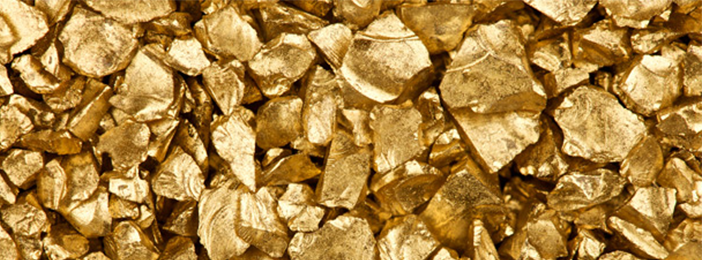
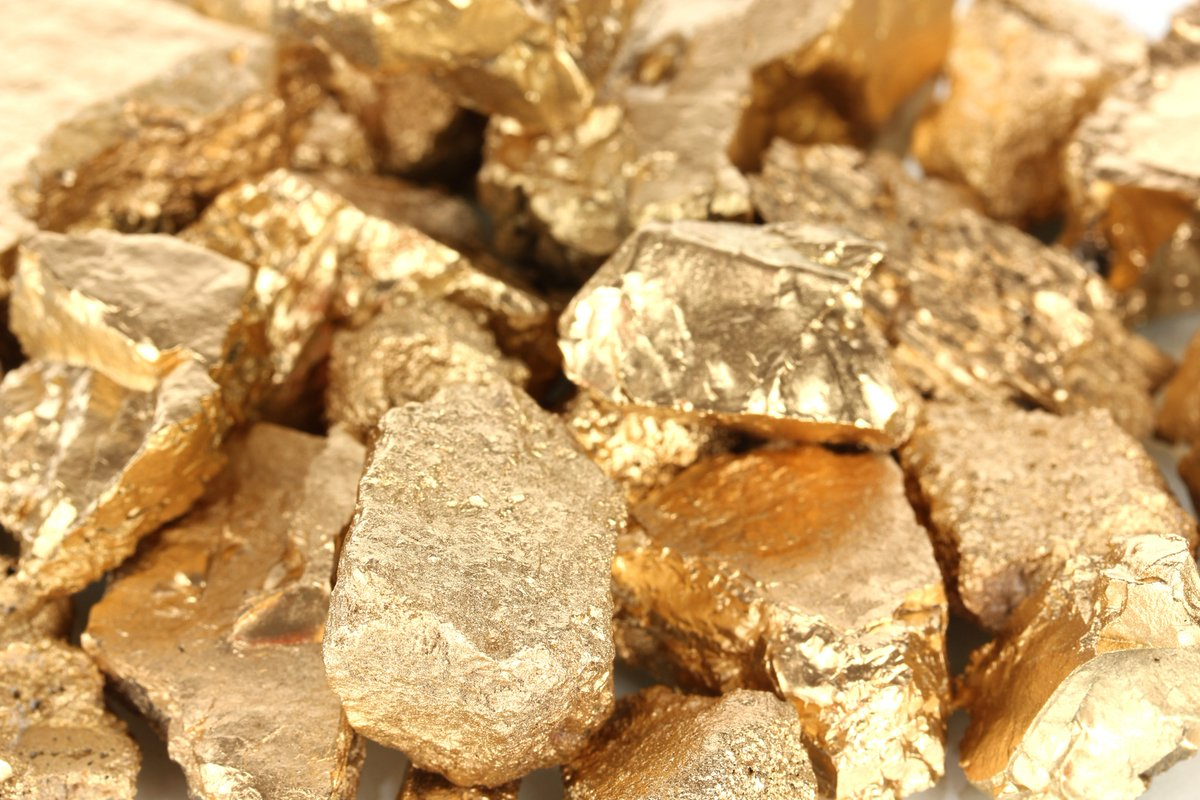
Gold dust is fine particulate gold, usually recovered through panning or sluicing. It is the most common form at the artisanal level. Purity varies widely and can range from around 70 percent to well above 90 percent depending on the deposit and the cleaning done. Dust may contain black sand, silver, copper, or other impurities, and it is sometimes adulterated. It is weighed and often tested by fire assay or XRF before payment. Because it is easy to dilute or substitute, dust is where the most disputes and frauds occur.
Nuggets
Nuggets are naturally formed pieces of gold, usually from alluvial or shallow workings. They command attention but are not always higher in purity than dust, since nuggets can include quartz or other minerals. They are sometimes sold at a premium as specimens, but for bullion purposes they are valued by gold content after assay.
Doré Bars
Doré is a semi-pure alloy of gold and silver, poured at a mine or processing site, typically before refining. Purity might sit anywhere from roughly 60 to 95 percent gold depending on the operation. Licensed mechanized operations are the main source of doré, and it is normally refined abroad. Doré generally comes with more formal documentation, such as a mine production record, which makes it comparatively easier to trace.
Refined Bars
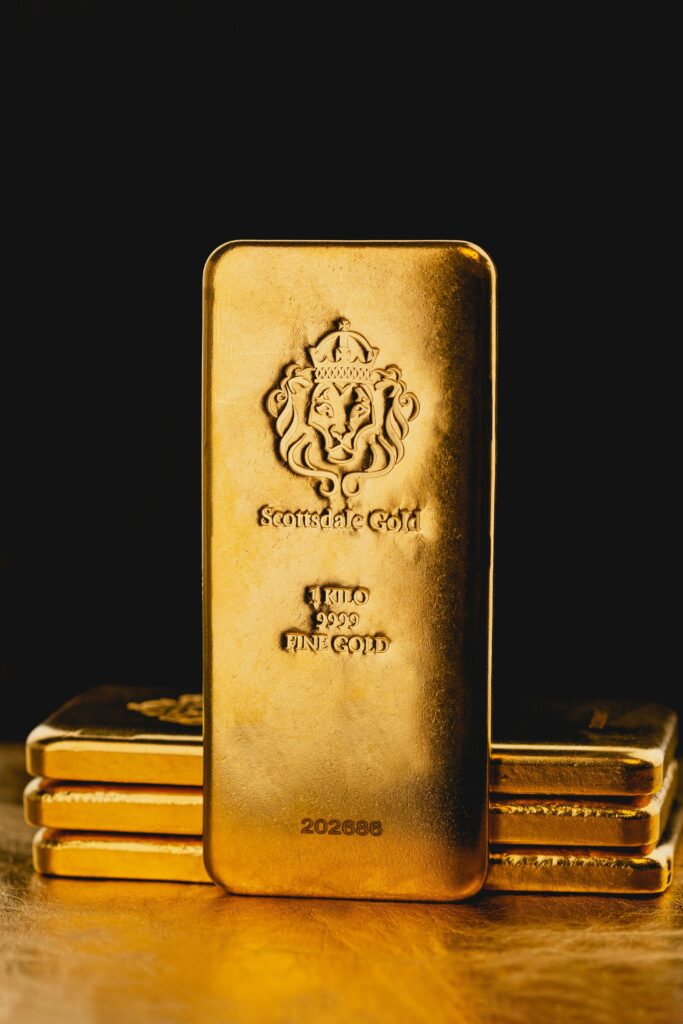
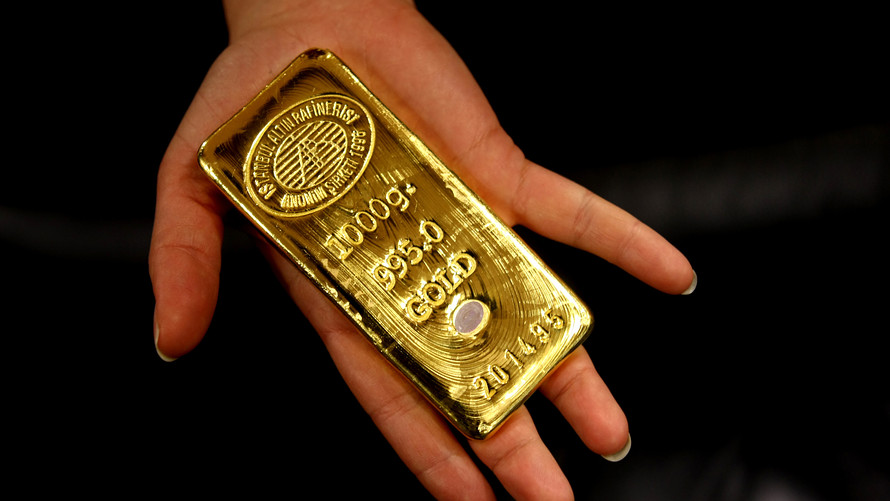
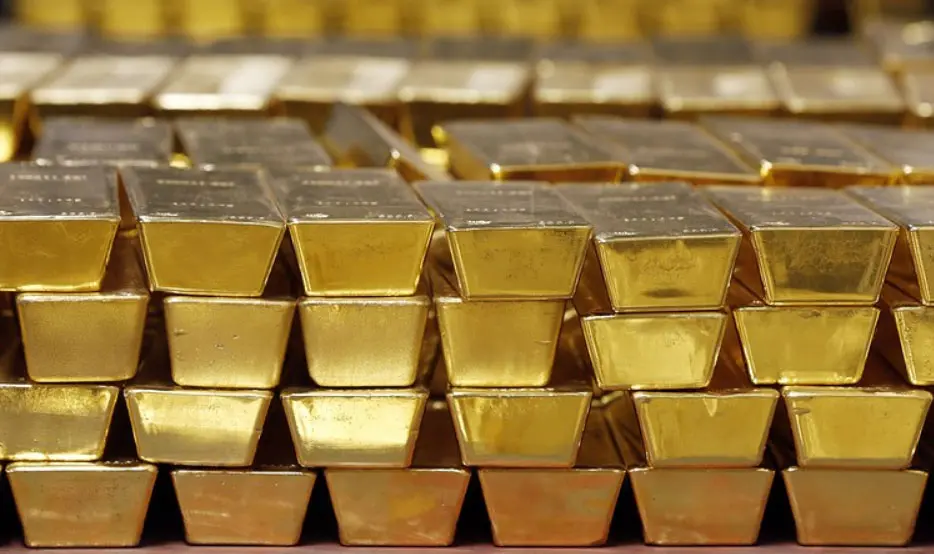
Refined gold bars, at 99.5 percent or 99.99 percent purity, are the standard for investment and central bank transactions. Refining capacity inside Kenya is limited, and much Kenyan gold is therefore refined elsewhere. Be cautious with any seller who claims to offer large quantities of locally refined, internationally certified bars. Genuine good-delivery bars carry the stamp of an accredited refiner and are traceable to a recognized refining system; unverified bars with generic stamps are a common feature of fraud.
Realistic Volumes
Kenya’s annual output is small, and press and industry commentary regularly note that claims of tons of available gold are unrealistic. Offers of very large quantities at short notice should be treated with serious suspicion. Realistic supply is measured in kilograms, built up through legitimate aggregation.
Can Foreigners Legally Buy Gold from Kenya?
In general, yes, foreign buyers can purchase Kenyan gold, but only through a lawful structure. The key is that the gold must be handled and exported by parties that hold the right authorizations under the Mining Act, 2016, and its regulations.
Several points are worth understanding:
- Licensing sits with the seller or exporter. Under the Mining Act, mining, buying, selling, and exporting minerals require the appropriate right, license or permit. Mineral dealer licenses and permits are issued by the Ministry and, in the case of dealer’s permits, expire at the end of each calendar year, so a certificate from a previous year proves nothing.
- Not every dealer can export. Government notices on dealer permits have stated that a holder of a mineral dealer’s permit may buy and sell locally but does not have the right to export. Export is reserved for those with the correct category of authorization, such as holders of a mining right or a dealer’s license entitling export, together with a mineral export permit.
- Foreign buyers usually work through a licensed Kenyan counterparty. Foreign individuals and companies typically do not buy directly from miners. They contract with a licensed Kenyan exporter or a service provider that arranges lawful purchase, assay, export and shipment.
- Penalties for breaches are real. The Act provides for fines and imprisonment for offences, and gold seized in transit can be forfeited.
- Policy is shifting. The Central Bank of Kenya (Amendment) Act, 2026 gives the central bank legal powers to buy, sell, import, export, hold, and refine gold. Industry commentary suggests this may change how locally mined gold is channeled and which suppliers are favored. Buyers should watch for implementing rules that could affect export access or require sales to pass through designated channels.
The practical conclusion: a foreign buyer can purchase legally, but only if every party in the chain is licensed and every transaction is documented.
The Legal Process for Exporting Gold From Kenya
The export route can be summarized in six broad steps. Exact forms, fees, and agencies can change, so treat this as an overview and confirm the current procedure with the Ministry.
- Confirm lawful source and ownership. The gold must come from a holder of a mining right or from a licensed dealer, with documents recording where and by whom it was produced or acquired.
- Assay and weighing. The gold is weighed and sampled, and purity is established through an assay, often conducted or witnessed by Ministry officials or an accredited laboratory.
- Apply for a mineral export permit. The exporter applies to the Ministry for an export permit for the specific consignment. The Mining (Dealings in Minerals) Regulations set out qualifications, application form, term, and processing fee for export permits.
- Pay applicable royalties and fees. Royalties and other statutory charges are payable on minerals, and the permit processing fee must be settled. Proof of payment forms part of the file.
- Customs declaration. The consignment is declared to Kenya Revenue Authority (KRA) customs, with the permit, invoice, assay report, and other supporting papers.
- Inspection, sealing and shipment. Gold is typically inspected, sealed, and escorted to the airport for dispatch, most commonly via Jomo Kenyatta International Airport in Nairobi, with insurance in place.
For buyers, the main lesson is that the export permit is tied to a specific consignment, a specific exporter, and a limited term. A permit that is vague, undated, or not in the exporter’s name should not be accepted.
Required Documentation
Exact requirements vary by transaction and can change, but international buyers should expect to see or arrange the following.
Assay certificate. Issued by an accredited laboratory or the Ministry’s mineral analysis facility, stating weight, fineness, and method (commonly fire assay for dust and doré). An independent assay, rather than one provided only by the seller, protects the buyer.
Mineral export permit. The Ministry-issued authorization allowing the specific shipment to leave Kenya. Check the holder’s name, the quantity, the mineral, the issue date, and the expiry date.
Seller’s license or permit. Evidence that the seller holds a valid mining right or mineral dealer’s license for the relevant year, together with company registration documents and tax compliance information.
Certificate of origin or proof of provenance. Where applicable, documents recording the mine or source of the gold. Provenance is increasingly important to refiners and banks, and Kenya’s gold sector has long struggled to prove where gold originates, so strong documentation can materially improve a buyer’s position.
Commercial invoice and sales agreement. A signed contract specifying quantity, purity basis, price mechanism, payment terms, delivery terms, and dispute resolution.
Customs documentation. KRA customs declaration and related export entries, along with packing list and air waybill.
Insurance and transport documents. Proof of cover for the consignment and the security carrier’s documentation.
Buyer compliance documents. Know-your-customer (KYC) and anti-money-laundering (AML) information about the buyer, including identity, company records, source of funds and end use. Banks and regulated parties on both sides will ask for these.
Import documents at destination. The destination country’s own import declarations, duties or VAT treatment and any precious-metals reporting requirements.
Keep copies of everything and make sure names, quantities, and dates match across every document. Inconsistency is one of the quickest ways to identify a problem.
How to Verify a Legitimate Gold Supplier
Verification should be done before any money is sent and before any sample is accepted. A disciplined approach looks like this.
- Check the license directly with the Ministry. Do not rely on a photocopy. Ask the Ministry of Mining, Blue Economy and Maritime Affairs to confirm the license or permit, its category, its holder, and its validity for the current year.
- Confirm the company’s registration. Verify registration through the Kenyan business registry and confirm the directors and physical address. A company that exists only as a website or a messaging account is a red flag.
- Insist on a physical meeting or site inspection. Legitimate suppliers will usually accept inspection of the facility or at least a meeting in a regulated environment such as a bank, a vault, or a laboratory.
- Require independent assay. Have the gold tested by a laboratory you choose, with sampling you or your representative observe. Never accept a seller-supplied report as the only evidence.
- Use trusted escrow or controlled payment. Payment on delivery, through a bank or an escrow arrangement tied to a verified assay, protects both sides. Avoid large advance payments.
- Request references and track record. Ask for evidence of previous completed exports, and independently contact references.
- Seek local legal advice. A Kenyan advocate can confirm the seller’s authority, review the contract, and check for encumbrances.
- Check sanctions and compliance. Screen all parties against sanctions lists and your own compliance requirements.
If any step meets resistance, particularly independent assay or physical inspection, treat that as important information, not an inconvenience.
Common Scams to Avoid When Buying Kenyan Gold
Gold fraud is well known in East Africa, and Kenya is no exception. Understanding the patterns makes them much easier to spot.
The impossible quantity. A seller offers tons of gold for immediate delivery. Given Kenya’s modest output, this should immediately raise doubts.
Below-market pricing. Offers significantly beneath the international spot price are not bargains. They are typically bait for advance-fee or counterfeit schemes.
Fake or gilded gold. Brass, copper, or tungsten can be plated or cast to resemble gold. Tungsten in particular has a density close to gold and is a classic substitute in bars. A sample that tests well on the surface may be worthless inside.
The switched sample. A genuine sample is shown at the meeting, then a different, inferior consignment is delivered. This is why sampling should be controlled by the buyer’s side and why the tested material should be sealed and tracked.
Fake customs, tax, and clearance fees. A supposed official asks the buyer to pay fees, “export taxes,” “anti-terrorism certificates,” or “clearance charges” before the gold can be released. Genuine statutory payments are made through proper channels and receipted.
Forged permits and certificates. Counterfeit export permits, assay certificates, and license documents are common. Always verify them at source.
Advance-payment and “sample cost” requests. A seller requests upfront funds for sample shipment, storage, or a “commitment deposit.” Legitimate sellers do not need your money to prove they have gold.
Pressure and secrecy. Urgency, claims of exclusive access, reluctance to put terms in writing, and requests to keep transactions confidential from banks or authorities are all warning signs.
Middleman chains. Long chains of brokers, each claiming to represent the next, usually mean nobody actually controls the gold. Ask who holds the license and who physically holds the metal.
Fake “government” sales. Individuals posing as officials or claiming to sell state-held gold. Government channels do not operate through private messaging.
A simple rule applies throughout: no verified license, no independent assay, no controlled payment, no deal.
Typical Export Timelines and Shipping Options
Timelines depend on the volume, the completeness of the documents and the speed of approvals. The following are indicative ranges based on well-prepared transactions; first-time or incomplete files can take considerably longer.
| Stage | Typical duration |
| Supplier vetting and contract negotiation | 1 to 3 weeks |
| Sample collection and independent assay | 3 to 7 days |
| Aggregation or preparation of the consignment | 1 to 4 weeks |
| Export permit application and approval | 1 to 3 weeks |
| Royalty payment and customs clearance | 2 to 5 days |
| Transport, airfreight and delivery abroad | 2 to 7 days |
End-to-end, a well-organized transaction often takes between four and eight weeks, while a complex or first-time deal can extend beyond that.
Shipping Options
Secure airfreight via Nairobi. The most common route is by air from Jomo Kenyatta International Airport, using specialized valuables carriers who provide secure packaging, tracked custody, and insurance. Common destinations include Dubai, Switzerland, the United Kingdom, India, Hong Kong and Singapore, where refining and trading infrastructure is well developed.
Hand-carried shipments. Sometimes used for very small quantities but strongly discouraged: carrying gold without proper declarations can lead to seizure and prosecution at either end.
Insured valuables courier. For smaller consignments, specialist insured courier services can handle packaging, documentation, and delivery.
Incoterms and risk transfer. Agree clearly when ownership and risk pass from seller to buyer, such as FCA Nairobi or CIF at the destination airport. Insurance should match the agreed point of risk transfer.
Whichever method you choose, make sure declared value, weight and description match across the permit, invoice, customs entry and air waybill.
What Determines the Price You Pay
Kenyan gold is priced against the international market, then adjusted for the realities of the particular lot.
The spot price. The benchmark is the international spot price per troy ounce, quoted in US dollars and strongly influenced by the London bullion market, interest-rate expectations, the strength of the dollar, inflation, central-bank buying and geopolitical risk. It can move significantly within a single day, so contracts should state clearly which price reference and which timestamp will be used.
Purity (fineness). The price is based on the gold content, so a lot assayed at 90 percent is paid on 90 percent of its weight, not on its gross weight. This is why accurate assay is central to the deal.
Discounts for unrefined material. Dust and doré usually trade at a discount to spot, reflecting refining charges, silver content, impurities, transport, and risk. The size of the discount depends on the quality and the documentation.
Premiums for traceability. Gold with strong provenance and documentation is easier to refine and sell, and may command a better price in markets with strict sourcing standards.
Statutory costs. Royalties, permit fees, and customs-related costs add to the landed cost and should be modelled in advance.
Logistics and insurance. Secure transport, insurance, handling, and escrow fees all affect the final cost per ounce or gram.
Exchange rates and payment terms. Pricing in US dollars versus Kenyan shillings, together with the timing and method of payment, affects the real cost.
Local market conditions. Supply fluctuations, rainy seasons that disrupt artisanal mining, and policy shifts such as increased central bank purchasing can influence local premiums and availability.
A useful habit is to calculate a transparent price build-up: spot price, multiplied by assayed fine weight, less agreed discounts, plus or minus premiums, plus costs. Any seller unwilling to explain their pricing logic in this way deserves scrutiny.
How buy gold bars Kenya Supports International Buyers
Note: the details below are placeholders. Replace each bracketed item with accurate, verifiable information about your business before publication. Only claim licenses, partnerships, and capabilities you can substantiate and, where possible, link to evidence such as license numbers or insurer details.
Buy gold bars Kenya limited is a [describe legal status, e.g. Kenya-registered company] operating under [license category and number, if applicable] and based in [location]. We support international buyers through the following services.
Sourcing. We work with [licensed miners and dealers / our network of vetted suppliers] across [counties] to identify gold that meets the buyer’s specifications, and we verify each supplier’s license status with the relevant authority before introductions are made.
Independent assay coordination. We arrange sampling and testing through [named accredited laboratory or facility], with the buyer or the buyer’s representative able to witness the process and receive the results directly.
Export documentation. We assist with preparing and tracking the documents required for lawful export, including [mineral export permit application support, assay documentation, provenance records, customs declarations], working with licensed partners and the relevant authorities.
Insured international shipping. We coordinate secure, insured transport from [origin] to the destination specified by the buyer through, with insurance provided by and tracked custody throughout.
Transparent process. We provide written terms, a clear price build-up, and regular updates at each stage. [State payment structure, e.g., escrow or payment against verified assay.]
What we do not do: we do not ask buyers to pay unexplained advance fees, we do not guarantee quantities that cannot be verified, and we do not bypass the licensing or export process.
Final Thoughts
Kenya’s gold sector offers genuine opportunities for international buyers, particularly those who value working with established regional supply networks in Migori, Kakamega, Narok, Vihiga, Siaya and Kisumu. But it rewards preparation and punishes shortcuts. The strongest transactions share the same features: a licensed counterparty, independent assay, clean documentation, controlled payment, secure insured shipping, and realistic expectations about volume and price.
If you are considering a purchase, start by defining your requirements: the form of gold, the quantity, the purity, the destination, and your timeline. From there, a structured, verified process will protect your capital and your reputation.
Ready to discuss a purchase? Contact Buy Gold Bars in Kenya Limited to request a consultation, a sourcing enquiry, or a walkthrough of the export process. [buygoldbarskenya.com]