How to Spot Fake Gold Bars |Complete Testing and Buying Guide
Gold has been a store of value for thousands of years, and that is exactly why criminals try to copy it. A fake gold bar can look polished, carry a believable logo, come with a serial number, and still be worth a fraction of its claimed price. For buyers, the loss can be life-changing, because gold bars are often bought with savings, inheritance, or business capital.
The problem is not new, but it has become more sophisticated. Reports of gold-plated tungsten bars, filled bars and forged certificates have appeared in the bullion trade for more than a decade. Tungsten is the main culprit because its density is almost identical to gold, so a counterfeit made from it can feel and weigh like the real thing. Cheaper fakes use copper, brass, or lead with a thin gold coating, and these are easier to catch.
This guide explains, step by step, how to spot fake gold bars. You will learn what a genuine bar looks like, which simple home checks are useful (and which are risky or misleading), which professional tests actually settle the question, how to recognize a scam before any money changes hands, and what to do if you think you have already bought a fake.
Key note. No single home test proves a bar is genuine. Use several checks together and finish with professional testing for anything of real value.
- The most dangerous fakes use tungsten, which has nearly the same density as gold. Weight and size alone cannot catch it.
- Surface-only tests, including most handheld XRF readings and acid scratch tests, can be fooled by a thick gold plating.
- The safest protection is buying from a reputable refiner or an established dealer, keeping bars sealed in their original assay packaging and refusing deals that rely on pressure or secrecy.
- If a price looks far below the market spot price, assume something is wrong until proven otherwise.
Fake vs Genuine Gold Bars: Quick Comparison
| Feature | Genuine Gold Bar | Fake Gold Bar |
| Weight and dimensions | Matches the refiner’s published specifications | Incorrect weight, thickness, or dimensions |
| Hallmarks | Sharp, clear, professionally engraved refinery logo, purity, and weight | Blurred, uneven, misspelled, or poorly engraved markings |
| Serial number | Unique serial number that can be verified with the refinery or dealer | Missing, duplicated, altered, or unverifiable serial number |
| Purity | Confirmed through an independent assay or certified refinery | Purity cannot be independently verified |
| Packaging | Tamper-evident packaging with matching documentation (where applicable) | Damaged, resealed, or missing original packaging |
| Seller | Licensed, reputable dealer with a physical office and verifiable business details | Anonymous social media seller, messaging app contact, or unverified online account |
| Testing | Seller welcomes independent XRF or fire assay testing before purchase | Seller refuses testing or pressures buyers to pay immediately |
| Price | Priced close to the current international gold spot price plus reasonable premiums | Offered at prices far below the market rate to attract buyers |
- Key takeaway: Genuine gold bars can be independently verified through their weight, dimensions, serial number, documentation, and professional testing. If a seller refuses verification or offers prices that seem unrealistically low, treat it as a major warning sign.
Estimated Professional Gold Testing Costs
| Testing Method | What It Checks | Typical Cost |
| Weight and dimension check | Confirms the bar matches the refiner’s published specifications | Free to Low |
| Magnet test | Detects magnetic metals (screening only) | Usually Free |
| XRF (X-ray fluorescence) analysis | Estimates metal composition without damaging the bar | Low to Medium |
| Ultrasonic testing | Detects internal voids or non-gold inserts such as tungsten | Medium |
| Electrical conductivity testing | Measures the metal’s conductivity to identify counterfeits | Medium |
| Fire assay | Provides the most accurate measurement of gold purity by laboratory analysis | Medium to High |
- Important: Costs vary by country, testing laboratory, and the size of the gold bar. Contact a reputable refinery, assay laboratory, or precious metals dealer for current pricing.
- These two sections should help your article perform better because they answer common buyer questions, add practical value beyond basic advice, and provide concise information that Google can easily extract for featured snippets. They also reinforce trust by encouraging independent verification rather than relying solely on a seller’s claims.
What a Genuine Gold Bar Looks Like
Before you can spot a fake, you need to know what a real bar should show. Genuine bars from reputable manufacturers share several features.
Hallmarks and markings
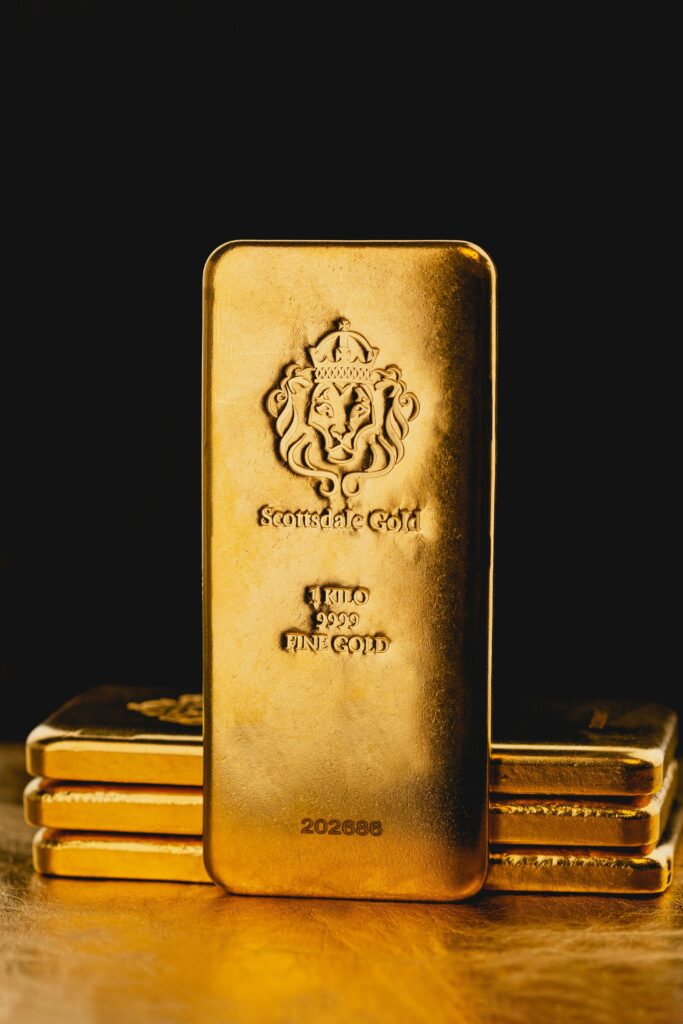
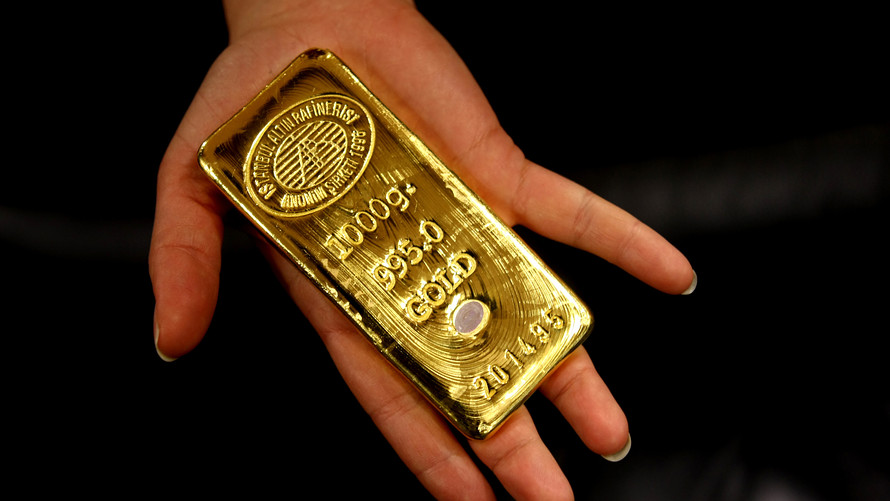
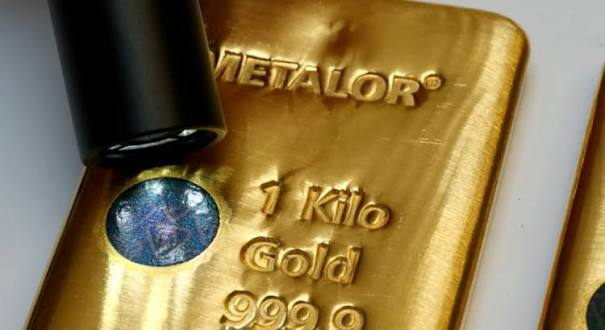
A genuine bar is stamped or struck with the manufacturer’s logo, the purity (fineness), the weight, and usually a serial number. Purity is commonly shown as a number such as 999.9, meaning 99.99% pure gold, or 995 for large bars. Reputable refiners include Valcambi, PAMP, Argor-Heraeus, Metalor, the Perth Mint and the Royal Canadian Mint, among others. Markings should be crisp and evenly struck. Blurred lettering, uneven fonts, misspelled words, or a logo that differs from the manufacturer’s published design are warning signs.
Assay packaging
Smaller investment bars, usually from 1 gram up to 1 kilogram, are often sold sealed in tamper-evident packaging or an assay card. The card carries the same serial number as the bar, the weight, the fineness, and the refiner’s details. Many cards now include security features such as holograms, microprint, or a QR code. Removing a bar from its sealed card can reduce its resale value with some dealers, so avoid opening it unless you must.
Large Good Delivery bars
The familiar 400-troy-ounce bars (roughly 12.5 kg) held by central banks and bullion banks are governed by the London Bullion Market Association’s Good Delivery rules. These bars must come from approved refiners and meet strict specifications for minimum fineness, markings and physical condition. If someone offers you a ‘Good Delivery’ bar privately, outside the regulated wholesale market, be extremely cautious. These bars are rarely traded between strangers.
Weight, size and finish
Every genuine bar has published dimensions and tolerances. A 1 kg bar from a given refiner has a specific length, width and thickness. Compare your bar against the refiner’s official specification, not against a seller’s claim. The finish of cast bars is usually slightly textured with a characteristic surface pattern, while minted bars have a mirror-like or satin finish. Rough edges, casting pits, flaking surfaces, or visible seams are not normal.
The Most Common Types of Fake Gold Bars
Understanding how fakes are made helps you choose the right test.
Gold-plated base metal. A bar made from copper, brass, steel, or lead and coated with a thin layer of gold. These are the cheapest fakes and usually fail simple weight and density checks.
Tungsten-filled or tungsten-core bars. Tungsten has a density of about 19.25 g/cm³, while gold is about 19.32 g/cm³. That 0.4% gap is far too small to notice by hand. Criminals may plate tungsten with a layer of real gold or drill into a genuine bar and replace part of its core. This is the fake that fools casual testers.
Gold-alloy bars sold as pure. The bar contains real gold, but at a lower purity than stamped, such as 18 karat or less sold as 24 karats. The bar passes some tests but is worth far less.
Counterfeit hallmarks on real gold. Sometimes the gold is genuine, but the markings are false, which can make the bar worthless in the regulated market because it cannot be traced to an approved refiner.
Forged certificates and packaging. A good bar in a bad package, or a bad bar in a convincing package. Documents alone prove nothing.
Step-by-Step: How to Spot Fake Gold Bars
The checks below move from simple to advanced. Think of them as filters: each one catches a different type of fake, and no single filter catches everything.
- Inspect the markings with magnification
Use a good 10x loupe or a magnifying glass under bright light. Look at the edges of letters and numbers, the evenness of the logo, the alignment of the serial number, and the surface around the stamps. Compare them with high-resolution photos from the refiner’s own website or from a trusted dealer’s genuine stock. Poor imitations often show soft edges, inconsistent depth, or a font that looks slightly off.
- Check the weight with an accurate scale
A reliable digital scale accurate to 0.01 g for small bars is essential. Weigh the bar and compare it with its stamped weight. A bar that is noticeably lighter than stated is a clear failure. Be aware that a heavier-than-expected or exactly correct weight does not prove authenticity, because tungsten is designed to match gold’s weight.
- Measure the dimensions
Use calipers to measure length, width, and thickness. Compare these with the manufacturer’s published specification. A bar made of lighter metal must be larger to reach the stated weight, and a bar made of heavier metal could be smaller. Genuine bars from major refiners also vary slightly between casting runs, so allow for published tolerances.
- Calculate density with water displacement
Density is one of the best amateur tests. Gold’s density is about 19.32 g/cm³. To test:
- Weigh the bar in air.
- Weigh it while fully submerged in water (suspended on a thread, not touching the container).
- Apply Archimedes’ principle: density equals the weight in air divided by the difference between the weight in air and the weight in water.
For a 1 kg bar, the volume should be about 51.8 cm³. Copper-core, steel-core, or lead-core fakes will fall far short. This test requires a precise scale and careful technique, and it still cannot separate gold from tungsten reliably because the density difference is smaller than the typical measurement error of a home setup.
- Use a magnet
Gold is not magnetic. Hold a strong neodymium magnet against the bar and tilt it. If the bar is attracted, it contains iron, steel, or another magnetic metal. If you see the magnet slide slowly down a tilted bar, as if in slow motion, that can be caused by eddy currents in a conductive metal, which also happens with gold and copper. A magnet is therefore best at catching steel and iron fakes only. Many fakes are made from non-magnetic metals and will pass.
- Try the ping or sound test (with caution)
Experienced coin and bar handlers sometimes strike a coin lightly and listen to its ring, because pure gold produces a distinctive, relatively soft tone compared with many base metals. This is subjective, works better on coins than on bars, and should never be used as proof. Avoid it on sealed or high-value bars, since impact can damage the bar or its packaging.
- Perform a conductivity test
Electrical conductivity testers, such as the eddy-current devices used in the bullion trade, send a signal into the bar and measure how the metal responds. Gold has a particular conductivity that differs from tungsten, copper, and most alloys. These testers can often see below the surface and are much better than density alone at catching tungsten-core fakes. They are not perfect: results depend on the bar’s thickness, shape, calibration, and operator skill, so a reading should be treated as strong evidence, not final proof.
- Use XRF analysis
X-ray fluorescence (XRF) analyzers identify the elements present in a metal and estimate their proportions. They are widely used by dealers and refineries. The key limitation is depth: XRF generally measures only the outer layer of the metal, often a few microns to some tens of microns. A bar with a thick gold plating over tungsten can show a convincing gold reading. XRF is excellent for catching low-purity alloys and cheap plating, but it should be combined with a test that sees inside the bar.
- Try ultrasonic testing
Ultrasonic testers send sound waves through the bar and measure how they travel and reflect. The speed of sound and the pattern of echoes differ between gold, tungsten, and other metals, and internal voids or foreign cores can show up as irregular signals. This is among the most useful non-destructive methods for detecting tungsten inserts and internal cavities, but it needs trained operators and proper reference standards.
- Consider the acid test only for non-bar items
The classic nitric acid test is intended for jewelry and scrap. Acid is hazardous, can damage the surface of the item, and will tell you very little about a thick-plated bar. A scratch made through the plating can expose a base metal, but if the plating is thick or the bar is a tungsten core, you may never see it. Do not scratch or drill into a bar you intend to sell, because the damage can ruin its value even if the bar is real. Use this method only if a professional recommends it.
- Verify the serial number and certificate
Contact the refiner or dealer who supposedly produced the bar. Ask whether the serial number, weight, and fineness match their records. Some refiners offer online verification tools, while others require you to send details by email. Use contact information from the refiner’s official website, never from the seller’s paperwork, because scammers can provide fake phone numbers and fake verification pages.
- Get a professional assay
For high-value bars, the final step should be a professional test at an accredited laboratory or established refinery. The gold standard is fire assay, a destructive method in which a small sample is melted with fluxes and lead, then cupelled so the gold can be weighed precisely. Fire assay measures the actual gold content of the sample and is the reference method used by refiners. If the bar must remain intact, ask the laboratory about non-destructive options such as ultrasonic scanning, sigma conductivity, or both combined with XRF.
Quick Comparison: Which Test Catches Which Fake?
| Test | Catches plated base metal | Catches tungsten core | Catches low-purity alloy | Damages bar |
| Visual and hallmark check | Sometimes | Rarely | Rarely | No |
| Weight and dimensions | Yes | No | Sometimes | No |
| Water displacement density | Yes | No | Sometimes | No |
| Magnet | Only magnetic metals | No | No | No |
| Conductivity tester | Yes | Often | Sometimes | No |
| XRF (surface) | Yes, if plating is thin | No if plating is thick | Yes | No |
| Ultrasonic | Yes | Often | Sometimes | No |
| Acid scratch | Sometimes | No | Sometimes | Yes |
| Fire assay | Yes | Yes | Yes | Yes (small sample) |
The pattern is clear: cheap tests catch cheap fakes, and sophisticated fakes require sophisticated testing.
Red Flags: Spotting a Gold Scam Before You Pay
Many victims lose money not because they failed a test, but because they never had the chance to test. Scammers use psychology and pressure to keep buyers from slowing down. Watch for these warning signs.
A price below the market. Gold is traded in a transparent global market. A seller offering bars far below the spot price plus a normal dealer premium is not offering a bargain. They are usually offering a fake or stolen goods, or a trap.
Urgency and secrecy. Phrases like ‘the price is only good today’ or ‘don’t tell anyone about this deal’ are classic pressure tactics.
Unsolicited offers. Cold messages on social media, messaging apps, or email from strangers claiming to have gold from a mine, an estate, or a government release are a strong sign of a scam.
Unwillingness to allow independent testing. A genuine seller has nothing to fear from a lab test. If a seller refuses to let you test the bar at a neutral location or insists on testing it only with their own equipment, walk away.
Requests for upfront fees. Demands for payment of ‘export taxes’, ‘clearance fees’, ‘courier charges’ or ‘security deposits’ before delivery are the signature of advance-fee fraud.
Payment by untraceable methods. Cash, cryptocurrency, gift cards, and irreversible wire transfers to personal accounts make recovery nearly impossible.
Missing business identity. No verifiable address, no business registration, no track record, no reviews outside the seller’s own site.
Documents that seem too perfect or too vague. Certificates with spelling errors, inconsistent logos, generic wording, or no verifiable contact route should be treated as suspicious.
How to Buy Gold Bars Safely
Prevention is cheaper and easier than detection. A few habits dramatically reduce your risk.
Buy from reputable sources
Choose established bullion dealers, mints, or authorized distributors of recognized refiners. Check how long the business has operated, whether it is registered, whether it has a physical address, and what independent reviews say. In many countries, dealers are required to follow anti-money-laundering rules, and a legitimate dealer will ask for identification. That is a good sign, not an inconvenience.
Compare prices with the spot price
Check the live spot price and then look at the dealer’s premium over spot. Premiums vary by bar size, brand, and market conditions, with small bars typically carrying higher premiums per gram than large ones. A price below spot should make you suspicious.
Keep the original packaging
If you buy a bar sealed in an assay card, keep it sealed unless you have a reason to open it. Store the invoice, certificate, and delivery records together, because they establish provenance and make resale easier.
Use traceable payment methods
Pay by bank transfer to a verified business account or by a method that offers buyer protection. Avoid cash deals with strangers, especially for large amounts.
Insist on a return and buyback policy
Reputable dealers publish buyback terms and will often test a bar on return. A written buyback policy is a strong sign that the dealer stands behind its products.
Meet in safe, verified places
If you must examine a bar in person, do it at a bank, a licensed dealer’s premises or an assay office, not in a car park, hotel room or private home. Never carry large amounts of cash to a first meeting.
Check local legal requirements
Gold trade is regulated differently across countries. Licensing, export permits, tax rules and reporting thresholds can apply. Be especially wary of anyone offering to sell gold across borders without clear paperwork. If a deal involves moving gold between countries, speak to a licensed dealer, a customs broker or a lawyer first. This article is general information, not legal or financial advice.
What to Do If You Think You Have a Fake Gold Bar
Discovering a possible fake is stressful, but quick, careful action improves your chances of recovery.
- Stop handling and testing it destructively. Do not drill, cut, or acid-test it. Keep the bar and all packaging as evidence.
- Document everything. Photograph the bar, markings, and packaging from every angle. Save messages, emails, invoices, payment records, and the seller’s contact details.
- Get an independent opinion. Take the bar to an accredited assay laboratory or a well-known refinery for testing, and ask for a written report.
- Contact the seller in writing. Request a refund or replacement, and keep copies of all correspondence.
- Contact your bank or payment provider. If you paid by card or a method with dispute rights, start a chargeback or fraud claim immediately, because time limits apply.
- Report the fraud. File a report with your local police and the consumer protection or financial crime authority in your country. If a known refiner’s brand was forged, notify that refiner too, because it may be tracking counterfeits.
- Warn others carefully. Share factual information through official channels or review sites, avoiding accusations you cannot prove.
A legal professional can advise on recovery options, which depend heavily on your country, the payment method, and whether the seller can be located.
Frequently Asked Questions
Can you tell if a gold bar is fake with a magnet?
Only partly. A magnet will expose iron or steel, but gold, copper, tungsten, brass, and many other metals are not strongly magnetic. A bar that is not attracted to a magnet has not proven itself genuine.
Can a fake gold bar pass an XRF test?
Yes, if the bar has a thick layer of real gold over a different core. XRF mostly reads the surface, so it should be paired with conductivity or ultrasonic testing for bars of significant value.
How can I tell if a gold bar is tungsten?
Weight and density are almost identical to gold, so basic home tests will not tell you. Conductivity testing, ultrasonic testing, and fire assay are reliable ways to detect tungsten.
Is the acid test safe for gold bars?
It is not recommended. Acids are hazardous, can damage the bar, and give weak evidence for plated or filled bars. Leave acid testing to professionals and use it mainly on jewelry or scrap.
What is the most accurate way to test a gold bar?
Fire assay is the reference method because it measures the actual gold content of a sample. If you cannot damage the bar, a combination of XRF, conductivity, and ultrasonic testing by a trained operator is the best non-destructive approach.
How much does it cost to test a gold bar professionally?
Prices vary widely by country, lab, and bar size. Simple surface testing is often inexpensive, while full assay and non-destructive scanning cost more. Ask for a quote in advance and compare it with the bar’s value. For a significant purchase, testing is a small price for certainty.
Are gold bars with serial numbers always genuine?
No. Serial numbers can be copied, and certificates can be forged. Verify them directly with the refiner using contact details from the refiner’s official website.
Do real gold bars stick to a magnet or tarnish?
Real gold does not rust, tarnish, or react to a magnet. Discoloration, rust spots, green or reddish marks, and flaking indicate a plated base metal.
Is it safe to buy gold bars online?
It can be safe if you use a reputable, verified dealer with clear policies, secure payment, insured shipping, and a buyback guarantee. Avoid unknown sellers on social media or classified sites.
note
Spotting fake gold bars is a layered process. Start with the easy checks: markings, weight, dimensions, and basic density. Add deeper tests, such as conductivity and ultrasonic scanning, and use fire assay when the stakes are high. Most importantly, build good habits before you ever hand over money: buy from reputable dealers, compare prices with the spot market, keep your packaging intact, pay by traceable methods, and refuse any deal that pushes you to rush.
Counterfeiters are skilled, but they depend on buyers who skip verification. When you slow down, test carefully, and insist on transparency, you remove most of their advantage.
Note: This article is for general educational purposes and is not financial, legal, or professional assay advice. Always have high-value bars verified by an accredited laboratory before buying or selling.
Written by Lukman Gamba
Buy Gold Bars Kenya Limited | African Gold Market Research & Buyer Education