Importing Gold from Kenya to USA : Complete Guide for Buyers
Kenya is one of East Africa’s most active gold trading hubs. It has a growing artisanal and small-scale mining sector, a well-connected international airport in Nairobi, and a long history of regional mineral trade. For US buyers, from jewelry manufacturers to refiners and private investors, Kenyan and wider East African gold can be an attractive sourcing option. But gold is also one of the most heavily regulated and most frequently scammed commodities in the world. Every legitimate import depends on proper licenses, verified documents, and full customs, sanctions, and anti-money-laundering compliance. This guide explains how the process works, what it costs, and how to avoid the traps that catch inexperienced buyers.

Quick Answer: Can US Buyers Import Gold from Kenya?
Yes, but only through legitimate, fully documented channels. US buyers can import gold from Kenya provided that:
- The seller is legally authorized under Kenyan law to deal in and export gold.
- The gold is exported through official channels, with a valid export permit and customs clearance in Kenya.
- The shipment meets US import requirements, including accurate declarations to US Customs and Border Protection (CBP), sanctions screening, and anti-money-laundering controls.
- The paperwork is complete and verifiable: assay certificate, certificate of origin, commercial invoice, packing list, and air waybill.
If any of these elements are missing, the transaction is not a bargain. It is a risk. Shipments can be seized, funds can be frozen, and buyers can face serious legal exposure.
This article is general information, not legal or tax advice. Rules change, so confirm current requirements with a licensed customs broker, a trade attorney, and your tax adviser before you commit funds.
Why US Buyers Import Gold from Kenya
There is no single reason US buyers look to East Africa. Different buyer types have different motives.
East African gold supply chain
Gold in the region is produced by a mix of small-scale and artisanal miners, licensed mining companies, and cooperatives. Kenya produces gold domestically, and Nairobi also functions as a trading and logistics point for the wider region. That is exactly why due diligence matters: regional supply chains can include metal of mixed or unclear origin, and a reputable Kenyan supplier will be able to show you the chain of custody back to a legitimate source.
Jewelry manufacturers
US jewelry makers and fabricators look for reliable sources of gold in dore, bar or granule form that can be refined or alloyed to their specifications. Direct sourcing relationships can reduce reliance on intermediaries and give manufacturers more visibility into where their metal comes from, which is increasingly important to retail customers who ask about responsible sourcing.
Refiners
Refiners buy dore (unrefined gold-silver alloy) and scrap-grade material, then refine it to investment-grade or industry-standard purity. For a US refiner, East African supply can diversify sourcing. Refiners also carry the heaviest compliance burden, because they must follow responsible sourcing standards such as the OECD Due Diligence Guidance for Responsible Supply Chains of Minerals and the LBMA Responsible Gold Guidance if they want access to major markets.
Investment buyers
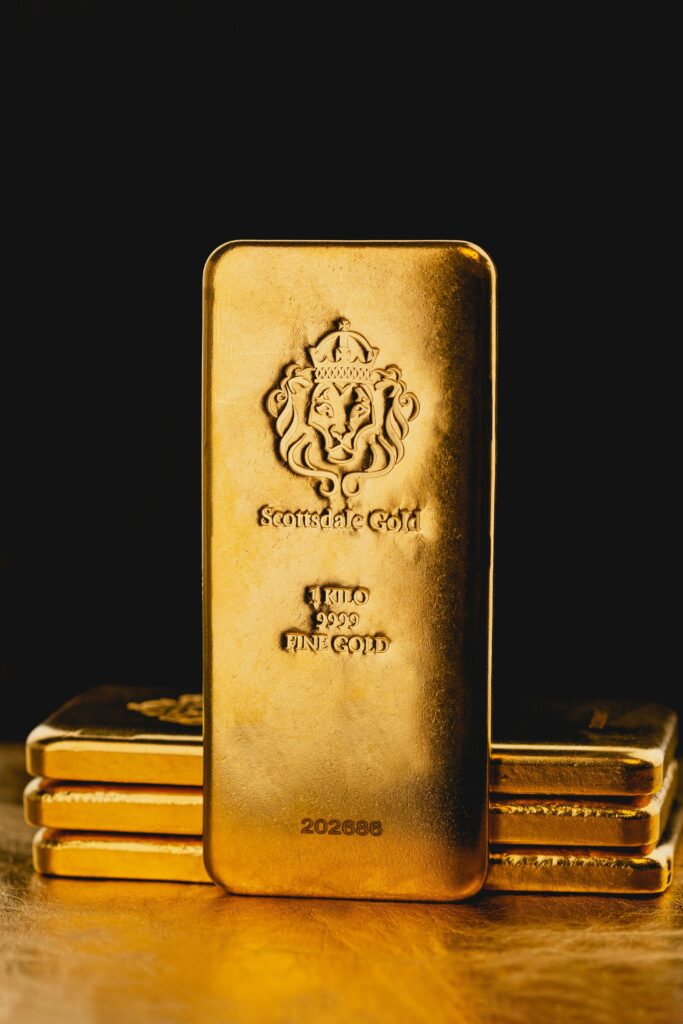
Private investors, family offices and corporate buyers sometimes seek physical gold bars from African sources as part of a diversification strategy. For this group the key issues are provenance, certified purity and the ability to resell later. Gold with weak documentation can be difficult or impossible to sell on to refiners and bullion dealers.
Regional sourcing advantages
When the process is done properly, the advantages of regional sourcing include:
- Supplier relationships close to the source, which can improve transparency.
- Access to a range of product types, from dore to refined bars.
- Strong air connectivity between Nairobi and major international hubs.
- Flexibility on volumes, since many East African suppliers can work with smaller or mid-sized orders than major refineries typically accept.
These are potential advantages, not guarantees. They only materialize when the supplier and the paperwork are genuine.
Is It Legal to Import Gold from Kenya to the USA?
It is legal, but legality is the sum of several separate layers. You need to satisfy all of them.
Kenya mining and export regulations
In Kenya, mineral activity is governed principally by the Mining Act, 2016 and the regulations made under it, including rules on dealing in minerals. In practice, this means:
- Only licensed entities may buy, sell, or export gold. Dealers and exporters need the appropriate mineral dealing or export authorization from the relevant ministry (the mining ministry’s name and structure have changed over the years, so check the current department).
- Each export typically requires a permit covering that specific shipment.
- Minerals must be assayed, valued, and documented before export, and royalties or fees may apply.
- Customs clearance is handled through the Kenya Revenue Authority at the point of export, commonly Jomo Kenyatta International Airport in Nairobi.
A seller who cannot show current, verifiable licenses is not a legitimate counterparty, regardless of how convincing their website or WhatsApp profile looks.
Government licensing requirements
As a buyer, you should ask for, and independently verify, the seller’s:
- Mineral dealer or export license and its validity dates.
- Company registration and tax registration in Kenya.
- Proof of the source of the gold (mining license, cooperative records or purchase records).
- The specific export permit for your shipment.
“Independently verify” means contacting the issuing authority through official channels you found yourself, not through contact details supplied by the seller.
US Customs and Border Protection (CBP)
On the US side, gold imports are declared to CBP, generally through a licensed customs broker. Key points:
- Gold is classified under Chapter 71 of the Harmonized Tariff Schedule (heading 7108 covers gold in unwrought, semi-manufactured, or powder form). Classification affects reporting and any applicable duty, and bullion is generally not subject to regular customs duty, but you must confirm the exact treatment for your product.
- An importer of record must be identified, and the entry must be filed accurately with value, quantity, weight, purity, and country of origin.
- Higher-value shipments require formal entry, which typically involves a customs bond. Your broker can advise on thresholds and bond requirements.
- Misdeclaration is a serious matter. Under-declaring value or hiding the true nature of the goods can lead to seizure and penalties.
OFAC and sanctions screening
The US Treasury’s Office of Foreign Assets Control (OFAC) administers economic sanctions. US persons must not deal with sanctioned individuals, entities, or jurisdictions. For gold, that means screening:
- The seller, its owners and directors.
- Intermediaries, brokers and logistics providers.
- Banks involved in the payment.
- The origin of the metal, including any link to sanctioned regions or networks.
Gold from East Africa can have indirect links to conflict-affected areas elsewhere in the region. Sanctions and conflict-minerals risk is one reason a documented chain of custody matters so much. Dodd-Frank’s conflict minerals provisions (Section 1502) also treat gold as one of the covered minerals, with particular attention to the Democratic Republic of the Congo and adjoining countries. Reputable buyers apply that level of scrutiny to gold from the broader region, even where it is not strictly mandated.
AML and KYC requirements
The US has strict anti-money-laundering rules. Under the Bank Secrecy Act, many dealers in precious metals must maintain an AML compliance program, and banks will apply their own checks when you send or receive payment. Even where a particular rule does not directly apply to you, your bank will usually ask for:
- Know-your-customer (KYC) information on you and on the seller.
- The commercial purpose and source of funds.
- Transaction documents supporting the payment.
Also remember that businesses receiving more than $10,000 in cash must report it to the IRS and FinCEN (Form 8300). In gold deals, cash is a red flag in its own right. Legitimate international transactions are settled through banking channels.
Kenya Gold Export Requirements
A properly prepared export shipment is supported by a set of documents. The exact list depends on the product and the authorities involved, but the core set is as follows.
| Requirement | Purpose |
| Mining/export license | Proves the seller’s legal authority to trade and export gold |
| Assay certificate | Confirms the purity and weight of the gold, issued by an accredited or recognized laboratory |
| Certificate of origin | Shows where the gold was sourced and supports chain-of-custody checks |
| Commercial invoice | Proves the transaction: parties, price, quantity, terms of sale |
| Packing list | Details the contents of each package (bar numbers, weights, purity) |
| Export permit | Authorizes this specific shipment to leave Kenya and supports customs clearance |
| Air waybill | The transport contract and shipping record, used to track and clear the cargo |
How to use this checklist
- Match the documents to each other. Weights, purity figures, bar numbers and parties should be consistent across the invoice, the assay certificate, the packing list and the air waybill. Discrepancies are the first sign of a problem.
- Verify, don’t just collect. Check that the assay laboratory exists and that the certificate number is genuine by contacting the lab directly.
- Keep records. US importers should retain documentation for the period required by law, commonly at least five years for customs records.
How Much Does Kenyan Gold Cost?
The honest answer is: it costs what gold costs, plus the costs of getting it to you. Gold is a globally priced commodity, and no legitimate supplier can sell genuine, high-purity gold far below market. That is why this guide does not promise “cheap gold”. Pricing is built from the following components.
International spot price
The starting point is the international spot price per troy ounce, which moves throughout the trading day. Contracts are normally priced by reference to a published benchmark such as the LBMA price or a live spot price at an agreed time. Be wary of any quote not clearly tied to a benchmark.
Purity adjustment
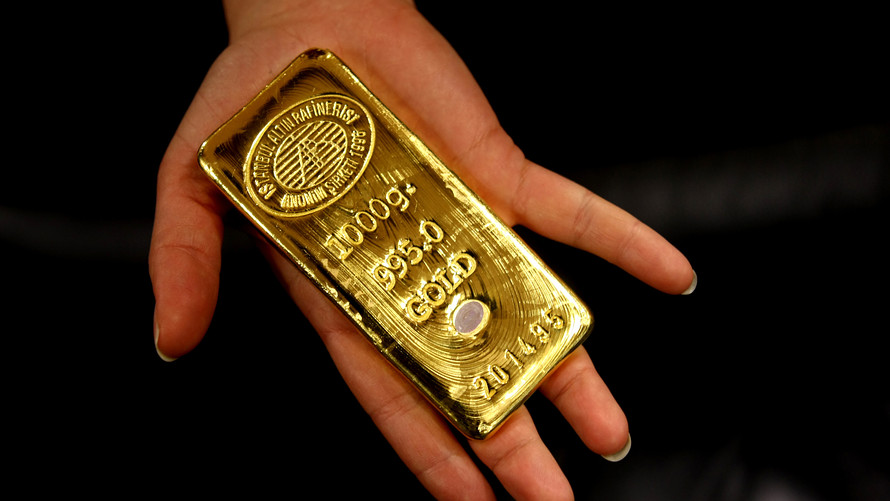
You pay for the fine gold content. A bar that assays at 99.5% is worth more per gram than dore at 85% or jewelry-grade material at 75%. Your price is the spot price multiplied by the fine gold content, adjusted by whatever discount or premium the parties agree.
Assay fees
Independent assay testing costs money, and it is money well spent. The fee depends on the laboratory, the material type (bars versus dore versus granules), and the number of samples. Never skip assaying to save on cost, because it is the main protection against fake or under-karate metal.
Refining costs
If you buy dore or unrefined material, you or your refiner will pay refining charges. These are usually expressed as a percentage of gold content or a fee per unit, and they vary by refiner and material quality. Factor in processing losses and the time it takes to refine.
Shipping and insurance
Secure international transport and insurance are high costs, especially for high-value cargo. Pricing depends on declared value, weight, route, and the logistics provider’s handling requirements. Insurance is typically calculated as a percentage of insured value.
Other costs to budget for
- Export fees, royalties or levies in Kenya, if applicable.
- Customs broker fees and any bond costs in the US.
- Bank charges for international transfers.
- Compliance costs such as sanctions screening and legal review.
A note on “below spot” offers
If a seller offers gold well below the spot price, the explanation is almost never generosity. It is usually a scam, stolen goods, or fake material. A reputable seller may offer a modest discount on large or unrefined volumes because you carry refining and logistics costs, but any offer that sounds too good to be true should be treated as a warning.
Shipping Gold from Kenya to USA
Shipping gold is a specialist activity. It is not something to hand to a general courier or an unknown freight forwarder.
Secure logistics providers
Use licensed, specialized secure logistics companies with experience in precious metals. Check that they have:
- A track record in valuables transport and verifiable references.
- Proper licenses and business registration.
- Secure handling and chain-of-custody procedures, including tamper-evident packaging and tracking.
- Established relationships with airlines and airport authorities.
Insurance
Insure the shipment for its full value, door-to-door where possible. Read the policy: confirm what is covered (theft, loss, damage), what is excluded, the claims process, and who is the named beneficiary. Make sure the insured value matches the commercial invoice.
Airport handling
In Nairobi, gold exports are generally cleared at the airport under customs supervision, and the cargo is handled by the airline’s cargo terminal or a designated handler. Expect inspection of documents and potentially of the goods. Packaging, labelling and paperwork must match the declared contents exactly.
Customs clearance
There are two clearances to plan for. In Kenya, the export declaration and permits must be in order before the cargo can be loaded. In the US, your customs broker will file the entry with CBP, and the shipment may be examined or held if there are questions about the paperwork, valuation, or origin. The clearer and more complete your documents, the smoother this step.
Typical timeline
Timelines vary by supplier, volume, and how quickly authorities process paperwork. The table below is an illustrative estimate for a well-prepared transaction.
| Step | Estimated Time |
| Supplier verification | 1–3 days (more for first-time suppliers if you do deeper checks) |
| Assay/document checks | 2–5 days |
| Export processing | 3–7 days |
| Air shipment | 1–3 days |
| US customs clearance | Depends on documentation |
In total, a smooth transaction can take roughly two to three weeks from verified supplier to delivery, but delays are common. If a seller promises delivery in 24 hours with no paperwork, treat that as a red flag, not a feature.
Common Gold Import Scams Targeting US Buyers
Gold from Africa has a reputation problem, and the reputation is earned. Fraudsters target foreign buyers precisely because many are unfamiliar with local licensing. Learn these patterns.
Fake Kenyan dealers
Scammers create professional-looking websites, social media pages and WhatsApp profiles, often with stolen photos of gold bars, fake office addresses and forged business registrations. Warning signs include pressure to act quickly, refusal to do video calls or meetings, and no verifiable physical presence. Always verify the company with the Kenyan registrar and licensing authorities.
Fake assay certificates
Forged assay reports are common. They may use the logo of a real laboratory, but the certificate number, weights or signatures don’t check out. Always contact the laboratory directly, using contact details you found independently, and arrange for your own independent assay on receipt or before shipment.
Fake export permits
A forged or recycled export permit may look authentic but is not tied to your shipment. Ask for the permit number and verify it with the issuing authority. Check that the permit details match the commercial invoice and packing list.
Advance fee scams
This is the classic pattern: you are asked to pay “taxes”, “clearance fees”, “security deposits” or “permit costs” before the gold ships. After you pay, new fees appear, and the gold never materializes. Be very cautious about any request for payments to cover unexpected costs, especially via wire transfer, cryptocurrency, or to personal accounts.
Gold offered below spot price
Genuine gold cannot be sold far below the market price without a catch. The catch is usually fake metal (gold-plated tungsten or brass), stolen goods, or a plain advance-fee fraud.
Fake logistics companies
Some scammers also run fake shipping and insurance companies, sending fabricated tracking numbers and “customs hold” notices that demand more money. Verify logistics providers independently, and track shipments through official airline and customs channels.
Protect yourself
- Never pay a stranger in full upfront.
- Use escrow or payment structures that tie payment to verified delivery and assay.
- Insist on in-person or video verification of the supplier and the product.
- Use a qualified attorney, customs broker, and, where possible, a reputable intermediary.
- Walk away if the story keeps changing.
If you believe you have been targeted by fraud, report it to the FBI’s Internet Crime Complaint Center (IC3) and to your bank immediately.
How Buy Gold bars Kenya Limited Helps US Gold Buyers
Buy Gold in Africa Limited works with international buyers who want a structured, compliant way to source gold from Africa. The aim is to reduce the risks described above by putting verification and documentation at the center of every transaction. Our support for US buyers includes:
- Supplier verification: checking the licenses, registration, and track record of the counterparties involved before a deal moves forward.
- Gold sourcing assistance: helping buyers identify suitable products and legitimate suppliers according to their purpose, whether jewelry manufacturing, refining, or investment.
- Independent assay coordination: arranging testing by independent laboratories so that purity and weight are confirmed by a party with no interest in the sale.
- Export documentation support: helping ensure that the permits, certificates, invoice, packing list and air waybill are complete, consistent and aligned with Kenyan and destination-country requirements.
- AML/KYC procedures: applying customer and counterparty due diligence, including screening, so that transactions can withstand the scrutiny of banks and regulators.
- Insured international shipping: coordinating secure, insured transport with appropriate logistics partners.
Every transaction is subject to verification and compliance checks, and we advise buyers to involve their own legal, tax and customs professionals. If you would like to discuss a purchase, contact our team with your buyer type, expected volumes, and destination so we can explain what the process would involve.
Frequently Asked Questions
Can a US citizen buy gold from Kenya?
Yes. There is no general prohibition on US citizens or companies buying gold from Kenya. The purchase must be made from a licensed seller, the gold must be exported legally from Kenya, and the import must be declared properly to US Customs and Border Protection. Buyers must also comply with sanctions screening and anti-money-laundering requirements, and should expect their bank to request documentation.
Is Kenyan gold legal to import into the USA?
Yes, gold from Kenya can be legally imported into the United States when it is lawfully mined or sourced, legally exported with the correct Kenyan permits, and accurately declared to CBP. It is not legal to import gold linked to sanctioned parties, illicit trade, conflict financing or money laundering, or gold that has been misdeclared at entry. Because the rules are detailed, most buyers use a licensed US customs broker.
What documents are required to import gold from Kenya?
The core documents are the seller’s mining or export license, an assay certificate, a certificate of origin, a commercial invoice, a packing list, a Kenyan export permit and an air waybill. For US entry, your customs broker will also need importer-of-record details and may require a customs bond, along with any additional information CBP requests. For compliance, you should keep KYC records on the seller and evidence of your sanctions screening.
How long does gold shipping from Kenya to the USA take?
The flight itself usually takes one to three days including cargo handling and connections. The whole process, including supplier verification, assay, export processing and shipping, commonly takes about two to three weeks for a well-prepared transaction. US customs clearance time depends largely on the quality of the documentation and on whether CBP selects the shipment for examination.
Do US buyers pay tax when importing gold?
It depends on the product and the buyer. Gold bullion is generally not subject to regular US customs duty, but classification, product form and applicable programmed should be confirmed with a customs broker. Fees such as broker charges and insurance still apply. Separately, state sales taxes may apply depending on where you are and how the gold is used, and the IRS has its own rules on reporting and on capital gains when gold is sold. Physical gold held as an investment is generally taxed as a collectible. Speak to a qualified tax adviser about your own situation.
Note
Importing gold from Kenya to the USA is achievable, but it rewards patience, paperwork and professional advice. The buyers who succeed verify suppliers independently, insist on assay and documentation, pay through traceable channels, use secure insured logistics, and treat any offer that is too good to be true as a warning. Start with compliance, not price, and the rest of the process becomes far more predictable.
Disclaimer: This article is for general information only and does not constitute legal, tax, financial or customs advice. Laws and regulations in Kenya and the United States change, so always confirm current requirements with qualified professionals before transacting.