Physical Gold vs Digital Gold Investment in Kenya |Which Is Better
Neither physical gold nor digital gold is better for every Kenyan investor. Physical gold suits people who want direct ownership and can store it safely, while digital gold suits people who want low entry amounts and easy online access. This guide compares the two on ownership, cost, risk, liquidity, tax, and safety so you can choose with confidence.
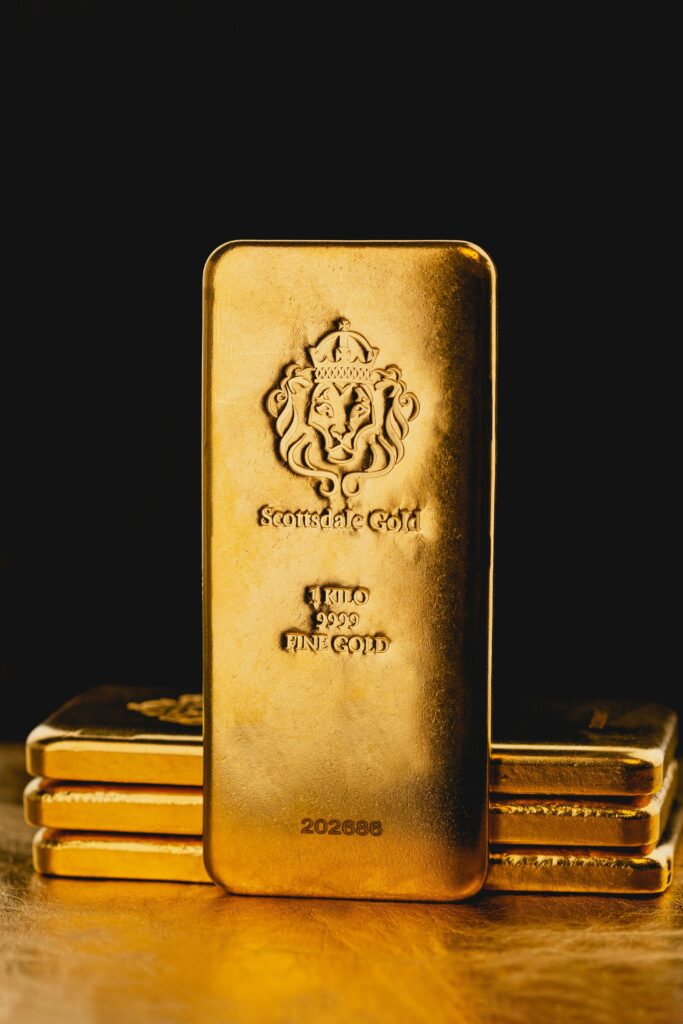
What is physical gold? Physical gold is metal you can hold: bars, coins, bullion and, in Kenya’s mining regions, raw nuggets and dust. You own the item itself, and its value depends on its weight, its purity, and the international gold price.
What is digital gold? Digital gold is an electronic record of ownership in gold that a company buys and stores on your behalf. You buy and sell through an app or website, often in very small fractions of a gram, and the provider holds the physical metal in a vault.
Why more Kenyans are investing in gold. Kenyans have long used land, SACCOs and money market funds to save. Gold is attracting attention because it is priced in US dollars, which helps protect savings when the shilling weakens. It also has a long record of holding value during inflation and financial stress. Kenya’s own gold sector in Migori, Kakamega, Siaya and Vihiga has raised local awareness, and mobile-first platforms now let people buy gold from a phone with very small amounts.
Who each option suits. Physical gold tends to suit long-term holders, people building generational wealth, and buyers who want an asset outside the financial system. Digital gold tends to suit first-time investors, people saving small amounts regularly, and anyone who wants to buy and sell quickly without handling metal.

Quick Answer Box
| Question | Answer |
| Which is safer? | Physical gold is safer when purchased from verified dealers and securely stored. |
| Which is easier to buy? | Digital gold is generally easier to purchase through online investment platforms. |
| Which offers better control? | Physical gold gives direct ownership and possession. |
| Which has lower storage concerns? | Digital gold eliminates personal storage needs. |
| Best for long-term investors? | It depends on investment goals, risk tolerance, liquidity needs, and available storage. |
Key Facts Box
- Physical gold is a tangible asset you can hold, store, and move.
- Digital gold represents ownership recorded electronically, backed by metal held by a provider.
- Both generally track international gold prices, quoted in US dollars per troy ounce.
- Storage and insurance costs differ: you carry them yourself with physical gold, while digital providers usually build them into fees.
- Liquidity depends on the platform or dealer you use.
- Investors should use regulated and reputable providers in both cases.
Key Differences: Physical Gold vs. Digital Gold
| Feature | Physical Gold | Digital Gold |
| Ownership | You own a tangible asset | You own a digital claim or record |
| Form | Gold bars, coins, or jewelry | Held electronically by a provider |
| Storage | Requires secure personal or vault storage | Stored by the service provider |
| Internet Required | No | Yes |
| Liquidity | Sold through dealers or buyers | Sold through the platform or partner |
| Counterparty Risk | Low after taking possession | Depends on the provider’s reliability |
| Theft Risk | Physical theft or loss is possible | Protected digitally but exposed to platform or cybersecurity risks |
| Investment Amount | Usually requires a higher initial investment | Can start with very small amounts |
| Portability | Must be transported physically | Accessible online from anywhere |
| Inheritance | Can be passed on as a physical asset | Depends on the provider’s policies and legal arrangements |
note: Physical gold offers direct ownership and independence from digital platforms, making it suitable for long-term wealth preservation. Digital gold provides convenience, lower entry costs, and easy online transactions but relies on the provider’s systems, policies, and financial stability. This comparison can help investors choose the option that best matches their investment goals and risk tolerance.
What Is Physical Gold?
Physical gold is gold in a form you can see, weigh, test, and store. Its value comes from two things: how much pure gold it contains and the prevailing international price. Purity is measured in karats or fineness, where 24 karat (999.9 fineness) is effectively pure gold, 22 karat is about 91.6% gold, and 18 karat is about 75% gold. In Kenya, physical gold comes in four main forms.
Gold Bars
Gold bars are rectangular pieces of refined gold, usually 99.5% to 99.99% pure. They range from 1 gram up to the 400-ounce “good delivery” bars traded between central banks and large institutions. Bars from recognized refineries carry a stamp showing the refiner, weight, purity, and serial number. Because they are cheap to manufacture relative to their weight, bars usually carry the lowest premium over the spot price, which makes them popular with investors focused purely on metal value.
Gold Coins
Gold coins are minted by government or private mints in standard weights such as one ounce, half an ounce, or a tenth of an ounce. Well-known international coins are widely recognized by dealers, which makes them easier to resell. Coins usually cost more per gram than bars because of minting costs and collector demand. Smaller sizes are also easier to sell in parts, since you can sell one coin without breaking up a larger holding.
Gold Bullion
Bullion is the general term for refined gold valued by its weight and purity rather than its design or rarity. Both investment bars and investment coins count as bullion. When dealers quote bullion prices, they usually quote the spot price plus a premium that covers refining, minting, handling, and their margin. For investors, “bullion” signals that the item is priced for its metal content, not as jewelry or a collectible.
Gold Nuggets
Gold nuggets and gold dust are unrefined gold taken from mines or rivers, common in artisanal mining areas of western Kenya. Their purity varies widely, so their true value cannot be known without a laboratory assay. Nuggets and dust are also where most gold fraud in East Africa happens, including fake gold, gold-plated metal, and documents that misstate purity or origin. For most individual investors, refined bars and coins are far safer than raw gold.
What Is Digital Gold?
Digital gold lets you own gold without holding it. A provider buys physical gold, stores it in a vault, and records your share in an electronic account. You see your holding in grams or fractions of a gram, valued at the current gold price. In June 2026, a gold-backed mobile platform launched in Kenya, letting users buy gold from as little as KSh 20, with the metal held in audited and insured vaults.
How Digital Gold Works
When you buy, the provider either allocates existing gold to your account or purchases new gold to match total customer holdings. The price you pay is based on the live international price plus a spread or fee. When you sell, the provider buys your gold back at the current price and pays you in cash or mobile money. Good providers publish regular independent audits showing that the gold in the vault matches what customers own.
Digital Ownership
What you legally own depends on the provider’s terms. With allocated gold, specific bars or portions are set aside in your name, and they should not form part of the provider’s assets if it fails. With unallocated gold, you hold a claim against the provider for a quantity of gold, which is weaker if the company becomes insolvent. Some products are tokens on a blockchain, where ownership is recorded on a digital ledger. Always read the terms to see which model applies.
Gold-Backed Investment Platforms
Digital gold in Kenya is available through several routes. These include gold-backed savings apps, international gold-backed tokens, gold exchange-traded funds (ETFs) bought through stockbrokers and global trading apps, and contracts for difference (CFDs) offered by online brokers. They are not the same. An app or ETF is backed by metal, while a CFD is only a bet on the price and can lose more quickly through leverage. This guide focuses on gold-backed products where real metal sits behind your holding.
Buying and Selling Online
Most platforms work through a smartphone app linked to M-Pesa, a bank account or a card. You complete identity checks (KYC), choose an amount in shillings, and the app converts it into grams at the quoted price. Selling reverses the process, and funds typically arrive within minutes to a few days. Some platforms also let you transfer gold to other users or redeem it as physical bars or coins, usually for an extra fee.
Physical Gold vs Digital Gold at a Glance
The core trade-off is control versus convenience: physical gold gives you possession, while digital gold removes the work of storing and selling metal.
| Feature | Physical Gold | Digital Gold |
| Ownership | Direct possession | Electronic ownership |
| Storage | Personal or vault | Platform-managed |
| Insurance | Usually required | Often handled by provider |
| Liquidity | Dealer-dependent | Platform-dependent |
| Portability | Lower | Higher |
| Counterparty Risk | Lower after verified purchase | Depends on provider |
| Tangible Asset | Yes | No physical possession |
| Minimum Investment | Usually one gram or more | Can be a few shillings |
| Suitable For | Long-term holders | Investors seeking convenience |
Advantages of Investing in Physical Gold
Physical gold’s main advantage is that its value does not depend on any company staying in business.
Full Ownership
When you buy a verified bar or coin and take delivery, you own it outright. No app, account or company stands between you and the asset. You decide where it is kept, when it is sold and who inherits it. For many Kenyan families, this kind of tangible wealth feels similar to owning land: it is real, visible and fully under their control.
Long-Term Wealth Preservation
Gold has kept its purchasing power over very long periods, even as paper currencies have lost value. It produces no income, so its role is preservation rather than growth through dividends or interest. Because it is priced in US dollars, gold held by a Kenyan investor also tends to gain in shilling terms when the shilling weakens. That makes it a useful counterweight to savings held only in local currency.
No Platform Dependency
Physical gold keeps working even if a platform shuts down, a bank freezes accounts or a cyberattack takes systems offline. It does not need electricity, internet access or a login. In a severe financial crisis, this independence is exactly why many investors hold some gold in physical form.
Suitable for International Trade
Refined bars with recognized assay certificates are accepted by refiners, banks and dealers around the world. Larger buyers, including businesses and institutions, can export properly documented gold from Kenya under the country’s mining laws. This global acceptance means physical gold can be sold in many markets, not just the one where it was bought.
Hedge Against Inflation
Over long periods, gold has tended to rise when inflation erodes the value of cash. In years of high Kenyan inflation or sharp shilling depreciation, gold’s dollar pricing has helped holders protect their real wealth. It is not a perfect hedge in the short term, since prices can fall even while inflation is high, but over many years it has been a reliable store of value.
Challenges of Physical Gold
The biggest downside of physical gold is that you carry the costs and risks of keeping it safe.
Storage Costs
Storing gold at home is free but risky. Safer options include a bank safe deposit box or a professional vault, both of which charge annual fees. Larger holdings usually require specialist vaulting, which may charge a percentage of value each year. These costs reduce your overall return.
Insurance
Standard home insurance policies often exclude bullion or cap cover at low amounts. Specialist cover for precious metals adds another annual cost. Gold stored in a professional vault is usually insured by the vault operator, but you should confirm the terms, limits and exclusions in writing.
Transport Risks
Moving gold between a dealer, a laboratory, a vault and a buyer creates opportunities for loss or theft. Large consignments need secure, insured logistics. Even small purchases carry personal security risks if others know you are carrying gold, so discretion matters.
Authenticity Verification
Kenya has a well-documented problem with gold scams, including gold-plated metal, tungsten-filled bars and forged certificates. Every purchase outside a trusted refinery or bank needs independent testing. Kenya’s mining ministry has advised buyers to confirm a dealer’s status with the ministry before any deal, and to use its laboratory in Nairobi’s Industrial Area to test minerals.
Advantages of Digital Gold
Digital gold’s main advantage is access: anyone with a phone can start small and build a position gradually.
Easy Online Access
Digital gold can be bought at any time from a phone, with no need to visit a dealer, arrange testing or find storage. For a country where mobile money is part of daily life, this fits naturally into existing habits. Account opening is usually done in minutes with a national ID and a selfie.
Lower Entry Amounts
A one-ounce bar costs several hundred thousand shillings, which puts it out of reach for many savers. Digital platforms remove that barrier by selling fractions of a gram. This allows a monthly savings plan, similar to contributing to a SACCO or money market fund, and spreads purchases over time so you are not buying everything at a single price.
Fast Transactions
Buying and selling usually happens at the live price within seconds, and proceeds can reach M-Pesa or a bank account quickly. There is no need to negotiate with a dealer or wait for laboratory results. This speed is useful if you need cash at short notice or want to rebalance your portfolio.
No Personal Storage Required
The provider stores and insures the metal, so you avoid home security risks, safe deposit fees, and the hassle of moving gold. Costs are often bundled into a single fee or spread, which makes them easier to understand than separate storage and insurance bills.
Challenges of Digital Gold
The biggest downside of digital gold is that your investment is only as safe as the company holding the metal.
Counterparty Risk
If the provider fails, is hacked or turns out not to hold the gold it claims, you could lose some or all of your money. This risk is lower where gold is allocated, held by an independent custodian and verified by regular third-party audits. It is higher where gold is unallocated, the provider is unregulated, or audits are missing.
Platform Fees
Digital gold is not free. Providers earn money through buy-sell spreads, storage fees, withdrawal fees and charges for converting to physical gold. A spread of a few percent on each round trip can significantly reduce returns for frequent traders. Compare the total cost, not just the headline fee.
Regulatory Considerations
Kenya does not yet have a dedicated legal framework for retail digital gold. Some providers operate through regulatory sandboxes, some are regulated abroad, and some are not regulated at all. The platform that launched in Kenya in 2026 said it was operating within Kenya’s regulatory sandbox framework while engaging regulators. Sandbox status allows testing under supervision, but it is not the same as full licensing.
Limited Physical Control
You cannot hold digital gold in your hand, and you depend on the platform to honor withdrawals and redemptions. During market stress, a platform could pause trading or delay payouts. If converting to physical gold is important to you, check minimum redemption amounts, delivery fees and whether delivery is available in Kenya.
Cost Comparison
Physical gold costs more to buy and hold in small amounts, while digital gold costs more if you trade often.
Purchase Premiums
Physical gold sells above the spot price. Premiums are lowest on large bars and highest on small bars and coins, where manufacturing costs are spread over less metal. Digital gold usually has a smaller premium because you buy a share of large bars, but the provider adds a spread between its buying and selling prices.
Storage Costs
Physical gold kept at a bank or vault involves annual fees, while home storage has no fee but greater risk. Digital providers either charge an explicit storage fee, often a small percentage of holdings each year, or include storage in their spread.
Insurance Costs
Physical holders must arrange their own insurance or rely on a vault’s policy. Digital providers generally insure the vault, though you should confirm the cover applies to customer holdings.
Transaction Fees
Selling physical gold to a dealer usually means accepting a price below spot, and you may pay for a new assay. Digital platforms charge a spread on every buy and sell, plus possible withdrawal fees to M-Pesa or a bank and charges for physical redemption.
| Cost | Physical Gold | Digital Gold |
| Purchase premium | Higher, especially for small items | Lower, plus a spread |
| Storage | Bank or vault fees, or home risk | Annual fee or built into spread |
| Insurance | Arranged by owner | Usually included |
| Selling costs | Dealer discount, possible re-assay | Spread and withdrawal fees |
Risk Comparison
Both options share the same market risk; they differ in who you must trust.
Market Risk
Gold prices can fall sharply, sometimes by 20% or more over months. Both physical and digital gold carry this risk equally. Kenyan investors also face currency risk: if the shilling strengthens against the dollar, gold’s value in shillings can fall even when the dollar price is steady.
Fraud Risk
Fraud with physical gold usually involves fake metal, fake dealers or fake export documents. Fraud with digital gold usually involves fake platforms, Ponzi-style “gold investment” schemes promising fixed returns, or providers that do not hold the gold they claim. Any scheme guaranteeing high monthly returns from gold should be treated as a warning sign.
Cybersecurity Risk
Digital gold accounts can be targeted by phishing, SIM-swap attacks, and hacked passwords. Use strong passwords, two-factor authentication, and never share one-time codes. Physical gold carries no cyber risk once it is in your possession.
Theft Risk
Physical gold kept at home is exposed to burglary and robbery. Using a bank or professional vault largely removes this risk. Digital gold shifts theft risk to the provider’s vault and security systems.
Regulatory Risk
Changes in law can affect both options. New rules on digital assets or investment platforms could restrict or reshape digital gold services. Changes to mining, export, or tax rules can affect the cost of buying, selling, or moving physical gold.
Which Investment Is More Liquid?
Digital gold is usually more liquid for small amounts, while physical gold can be easier to sell in large, well-documented quantities.
Selling Physical Gold
To sell physical gold, you need a licensed buyer such as a dealer, refiner, or jeweler. Recognized bars and coins with certificates sell faster and closer to spot than unbranded items. Expect the buyer to test the gold, which takes time, and expect a price below spot. Large quantities may need export arrangements to reach international refiners.
Selling Digital Gold
Digital gold can usually be sold instantly at the platform’s quoted price, with funds sent to mobile money or a bank. The trade-off is that you can only sell through that platform. If it suspends trading or fails, you may not be able to sell at all, which is why the provider’s strength matters as much as speed.
Tax Considerations in Kenya
Tax treatment of gold in Kenya depends on how you hold it and whether you are investing or trading, so keep records and get professional advice before large transactions.
Capital Gains
Kenya charges capital gains tax (CGT) at 15% of the net gain on the transfer of property situated in Kenya, up from 5% before January 2023. CGT clearly covers land, buildings and unquoted shares. How it applies to an individual’s sale of gold bars or coins, or of digital gold units, is less settled and depends on the facts. If you buy and sell gold frequently as a business, profits may instead be treated as business income taxed at normal income tax rates. The Finance Bill 2026 also proposed taxing offshore share sales that derive value from Kenya, a sign that the tax base is widening.
Import Duties (where applicable)
Bringing gold into Kenya may attract customs duty, VAT and other levies, depending on the form of the gold and its classification. Gold imports also require declaration to the Kenya Revenue Authority and compliance with mining regulations on importing minerals. If you plan to buy gold abroad and bring it home, confirm the current charges with KRA or a licensed customs agent first.
Record Keeping
Keep every invoice, assay certificate, payment record, platform statement, and sale receipt. These records prove what you paid, which you need to calculate any taxable gain correctly. They also prove where your gold came from, which matters under anti-money-laundering rules and when you sell to a licensed buyer.
Consult Professional Tax Advice
Tax rules change frequently, and gold sits in grey areas for both physical and digital holdings. A registered tax adviser can tell you how your specific situation is treated and whether filing obligations apply through iTax. This guide is general information, not tax or financial advice.
How to Buy Physical Gold Safely in Kenya
The safest way to buy physical gold in Kenya is from a licensed seller, after independent testing, with full documentation and a traceable payment.
Verify the Seller
Under the Mining Act, 2016 and the Mining (Dealings in Minerals) Regulations, people who buy, sell or export minerals need a mineral dealer’s licence or permit. Ask for the seller’s license number and confirm it directly with the State Department for Mining, not through contacts the seller provides. Be wary of anyone offering gold well below the market price, claiming access to tons of gold, or pressuring you to pay “clearance” or “customs” fees upfront.
Request Independent Assay
An assay is a laboratory test that confirms purity and weight. Insist on testing at a laboratory you choose, such as the mining ministry’s laboratory, rather than one the seller recommends. Be present during testing where possible, and make sure the tested gold is sealed and stays under your control until payment.
Confirm Documentation
Genuine transactions come with an invoice, an assay certificate, proof of the seller’s license and, for gold leaving Kenya, a certificate of origin and an export permit. The ministry has said export permits for gold are issued only after a panel of officers has inspected the consignment. Check that serial numbers, weights, and purity on documents match the gold itself.
Use Secure Payment Methods
Pay through a bank transfer or a regulated escrow arrangement that leaves a clear record. Avoid large cash payments and avoid paying before testing is complete. For international deals, consider letters of credit or escrow that release funds only after delivery and verification.
Risks of Buying Gold Online
Buying gold online can be convenient, but it also exposes investors to scams and fraudulent platforms. Before investing, verify that the company is legally registered, review its terms and conditions, and avoid sending money to unknown individuals or unverified accounts. Be cautious of advertisements promising unusually high returns or gold prices that are significantly below the market rate.
Common Online Gold Investment Scams
Fake Investment Apps
Some fraudsters create fake mobile apps or websites that imitate legitimate investment platforms. Always download apps from official app stores and confirm the provider’s identity before depositing funds.
Guaranteed Returns
Gold prices fluctuate with the global market. Be cautious of anyone promising fixed or guaranteed profits, as no legitimate gold investment can eliminate market risk.
Fake M-Pesa Agents
Scammers may ask investors to send money to personal M-Pesa numbers while claiming to represent a gold dealer or investment company. Always verify payment details through the company’s official communication channels before making any payment.
Social Media Investment Groups
Fraudulent investment opportunities are often promoted through WhatsApp, Telegram, Facebook, and other social media groups. Verify the business independently rather than relying on testimonials or screenshots shared online.
Ponzi Schemes
Some schemes use money from new investors to pay earlier participants while falsely claiming the profits come from gold trading. These schemes typically collapse once new investments slow down.
Fake Customer Care
Scammers may impersonate customer support through phone calls, social media, or messaging apps to request passwords, one-time verification codes, or additional payments. Legitimate providers should never ask for your account credentials or security codes.
How to Protect Yourself
- Verify the company’s business registration and regulatory status where applicable.
- Research independent customer reviews from multiple sources.
- Be cautious of offers promising unusually high or guaranteed returns.
- Never send money to personal accounts unless you have independently confirmed they are authorized.
- Keep records of contracts, invoices, receipts, and payment confirmations.
- Enable two-factor authentication on investment accounts whenever it is available.
How to Choose a Digital Gold Platform
Choose a digital gold platform the way you would choose a bank: regulation, security, and transparency matter more than convenience.
Regulation and Licensing
Check whether the platform is licensed or supervised in Kenya, for example by the Capital Markets Authority, or operates under a recognized sandbox. If it is regulated abroad, find out which regulator and whether Kenyan users are protected. Search the CMA’s public notices and investor alerts before you deposit money.
Security Measures
Look for two-factor authentication, clear account recovery procedures, and a track record without major breaches. On the vault side, check who the custodian is, where the gold is stored, whether it is insured, and how often independent auditors verify the holdings. Published audit reports are a strong positive sign.
Fees and Transparency
A good platform shows its buy and sell prices side by side, so you can see the spread. It also publishes all fees, including storage, withdrawal, and redemption charges. Compare the platform’s price with the international spot price converted into shillings to check how much you are paying.
Redemption Options
Find out whether you can convert your holding into physical gold, the minimum amount, the delivery cost, and whether delivery to Kenya is possible. Also check how quickly you can withdraw cash, and whether the terms let the platform pause withdrawals. Allocated gold with clear redemption rights gives you the strongest position.
Frequently Asked Questions
Is physical gold safer than digital gold?
Physical gold is safer from company failure and cyberattacks, provided it is genuine and securely stored. Digital gold is safer from home theft and authenticity problems, provided the provider is reputable and audited. Each is safe against different risks.
Can I convert digital gold into physical gold?
Some platforms allow it, usually above a minimum amount and for a fee covering minting and delivery. Others only allow cash withdrawals. Check the redemption terms before you invest if physical delivery matters to you.
Which investment has lower fees?
For small amounts and short holding periods, digital gold is usually cheaper. For large amounts held for many years, physical gold can be cheaper because you avoid recurring platform fees, although you still pay storage and insurance.
Is digital gold available in Kenya?
Yes. Kenyans can access gold-backed savings apps, international gold-backed tokens, and gold ETFs through brokers. A local mobile platform launched in 2026 with purchases from KSh 20. Regulation is still developing, so check each provider’s status.
Can physical gold be insured?
Yes. You can buy specialist precious-metals insurance, add cover to a home policy where the insurer allows it, or store gold in a professional vault that includes insurance. Keep receipts and assay certificates, as insurers will require them for any claim.
Which option is better during inflation?
Both track the same gold price, so both offer similar protection against inflation and shilling depreciation. The difference lies in costs and risks, not in how gold itself responds to inflation.
How do I verify genuine gold?
Use an independent laboratory assay, ideally one you choose. Check refinery stamps, serial numbers and certificates, and be cautious of prices well below market. Simple home tests such as magnets cannot reliably detect sophisticated fakes like tungsten-filled bars.
Is physical gold a good long-term investment?
Physical gold has a long history of preserving wealth, but it pays no income and its price can fall for years at a time. It works best as part of a diversified portfolio rather than as your only investment.
How Buy Gold bars Kenya Limited Assists International Buyers
Buy Gold in Africa Limited supports international buyers who want to purchase physical gold from Africa through documented, compliant channels. The services below describe how the company works with buyers; they are separate from the general guidance above.
Licensed Gold Sourcing
The company sources gold through licensed miners, dealers, and exporters, so buyers deal with parties authorized under local mining law.
Independent Assay Coordination
It arranges independent laboratory assays to confirm purity and weight before payment, with results shared directly with the buyer.
Export Documentation Support
It helps prepare and verify the documents needed to export gold legally, including assay certificates, certificates of origin, and export permits.
AML/KYC Compliance Assistance
It supports buyers and sellers through anti-money-laundering and know-your-customer checks, helping each transaction meet regulatory and banking requirements.
Secure Insured International Shipping
It coordinates secure, insured transport of gold from the point of sale to the buyer’s chosen destination, refinery, or vault.
Transparent Pricing Based on International Spot Prices
Pricing is set with reference to international gold spot prices, with discounts, premiums, and fees disclosed upfront so buyers can see how the final price is built.
Conclusion
Neither physical gold nor digital gold is universally better. Physical gold may appeal to investors seeking direct ownership, independence from any platform, and long-term wealth preservation, provided they can verify authenticity and store it safely. Digital gold offers convenience, low entry amounts, and fast transactions, but depends on the strength and honesty of the provider.
The most suitable choice depends on your objectives, budget, preferred level of control, and risk tolerance. Many investors use both: digital gold for regular small savings and physical gold for a long-term core holding. Whichever you choose, work only with licensed, transparent providers, keep full records, and seek professional tax and financial advice for larger investments.