Buy Gold from Local Miners in Kenya at Best Price
Buy gold from local miners in Kenya at competitive prices. Learn how to source authentic Kenyan gold, verify purity, understand gold prices, and buy securely from trusted suppliers.
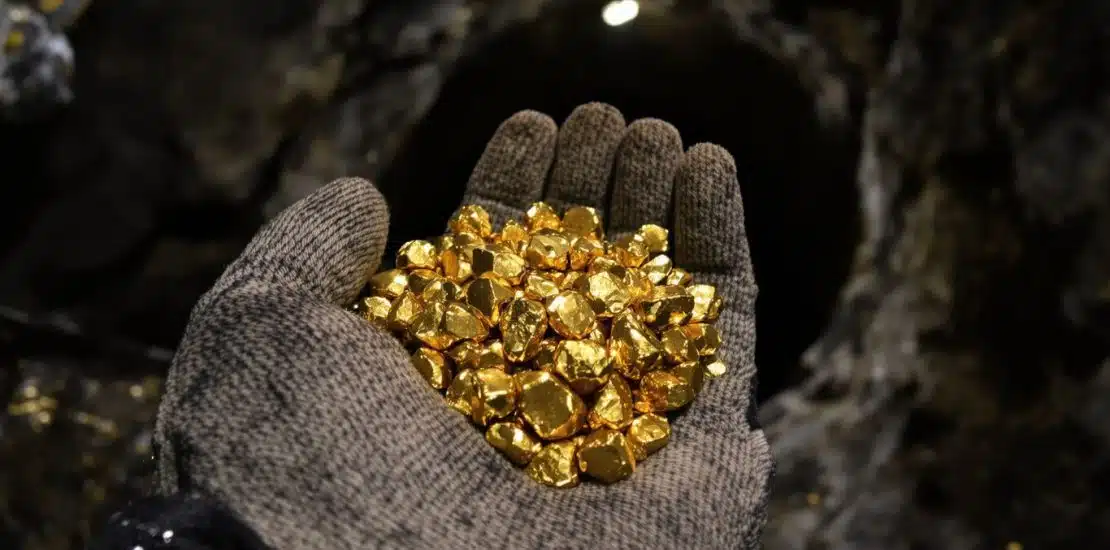
Kenya’s gold-bearing regions — the Migori Belt, Kakamega, and Turkana — are home to thousands of artisanal and small-scale miners who produce a meaningful share of the country’s gold output. It’s a genuinely appealing idea: skip the retail markup entirely and buy gold from local miners in Kenya directly at the source. But before you go looking for a miner to buy from, it’s worth understanding exactly how this market actually works, what’s legal, what’s risky, and how to get the value of local sourcing without the very real dangers of an unverified, informal transaction.
Kenya’s Local Gold Mining Regions
Kenya’s artisanal and small-scale mining (ASM) sector is concentrated in a handful of well-known gold belts, each with its own character and level of formalization.
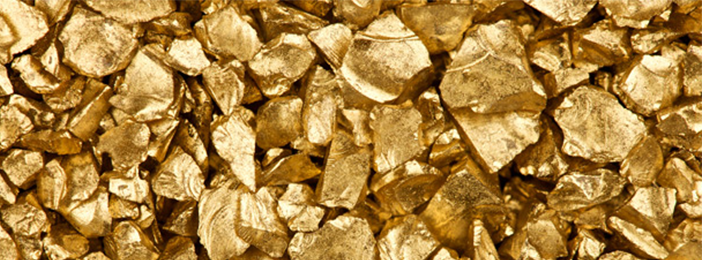
The Migori Belt in southwestern Kenya is the country’s most productive gold region, home to both licensed small-scale operations and a large informal artisanal workforce. Gold here is typically extracted from quartz reef and alluvial deposits, and Migori County has become the natural first stop for anyone researching how to buy gold directly from local Kenyan miners.
Kakamega, in western Kenya, has a long mining history dating back to colonial-era gold rushes, and continues to support active artisanal operations today, alongside a smaller number of licensed small-scale mining companies.
Turkana, in Kenya’s north, has drawn growing attention as newer deposits have been identified, though mining infrastructure and formal licensing here remain considerably less developed than in Migori or Kakamega.
Is It Legal to Buy Gold from Local Miners in Kenya?
Yes — but only within a specific legal framework, and this is the single most important thing to understand before attempting it. Under Kenya’s Mining Act, 2016, all gold trading must flow through licensed channels. Individual miners operating under an Artisanal Mining Permit or Small-Scale Mining Licence are legally entitled to sell their gold, but the buyer on the other end of that transaction also needs to be operating within a licensed framework — either as a registered mineral dealer or through a properly documented purchase from a licensed miner with full paperwork.
Buying gold from an individual you meet informally near a mining site, with no licence verification and no documentation, sits in genuinely murky legal territory even if the gold itself is real — and if the miner isn’t actually licensed, you could be purchasing gold that was extracted or traded illegally, exposing you to real legal risk regardless of your own good intentions.
The Real Risks of Buying Directly From Local Miners
This is worth being honest about, because the appeal of “cheaper, straight from the source” pricing can make people skip steps they really shouldn’t skip.
Purity uncertainty — raw gold straight from an artisanal miner hasn’t been assayed. What’s presented as high-purity gold can range anywhere from genuinely good alluvial gold to material heavily mixed with other metals, and without independent testing, you have no reliable way to know which you’re getting.
Counterfeit and adulterated gold — gold-plated tungsten, brass cores, and other convincing fakes circulate in informal markets specifically because they can pass a casual visual inspection. A magnet test or a scratch test tells you very little; only proper assay testing — ideally XRF or fire assay from an accredited lab — gives you a real answer.
No recourse if something goes wrong — an informal cash transaction with an individual miner leaves you with no invoice, no contract, and no legal standing if the gold turns out to be fake, underweight, or misrepresented. There’s no dispute process, no documentation trail, and often no way to even locate the seller again.
Smuggled or illegally sourced gold — some gold moving through informal channels in Kenya’s mining regions has bypassed royalty payments, export duties, or licensing requirements entirely. Buying it, even unknowingly, can expose you to real legal and reputational risk, particularly if you intend to export or resell it.
Export complications — gold purchased informally, without a certificate of origin or assay documentation, generally cannot be legally exported from Kenya. If your goal is international delivery or resale, an undocumented purchase from an individual miner is very likely a dead end regardless of how good the price looked.
How to Actually Access Local Miner-Sourced Gold Safely
Here’s the good news: you don’t have to choose between the value of buying close to the source and the safety of a fully documented, licensed transaction. Licensed Kenyan gold dealers work directly with the same licensed artisanal and small-scale mining operations in Migori and Kakamega, but handle the verification, assay, and documentation steps on your behalf — meaning you get gold that genuinely traces back to Kenya’s local mining regions, without personally having to vet an individual miner’s licence or gamble on undocumented purity.
This is exactly the sourcing model behind our own inventory: gold moving through a KRA-registered, Ministry of Mining-licensed supply chain that traces directly back to Kenya’s productive mining zones, independently assayed before it ever reaches a buyer.
Current Gold Prices Sourced From Kenya’s Local Mining Regions
As of today, the global spot price of gold sits at approximately $4,120 per troy ounce, or roughly KES 17,142 per gram at the current KES/USD exchange rate.
Gold sourced through a licensed dealer working directly with Migori and Kakamega miners typically carries a modest premium above this raw spot figure — reflecting assay costs, documentation, and secure handling — while still avoiding the layered markups of import-heavy retail jewelry chains.
Live, spot-linked pricing for 24K, 22K, and 18K gold sourced through our network updates daily, so it’s always worth checking the current rate before finalizing any purchase decision.
Verifying Gold From Kenyan Local Miners: What to Actually Check
Whether you’re buying through a dealer or evaluating any gold claiming local-miner origin, a few concrete checks matter:
Demand the assay certificate first — a legitimate seller provides independent purity verification (SGS, Intertek, or an equivalent accredited lab) before you pay, not after.
Check for a certificate of origin — this document should specify the mining region, and ideally the specific licensed operation the gold traces back to.
Verify the dealer’s own licensing — confirm registration with the Kenya Revenue Authority and a valid licence from the Ministry of Mining before transacting.
Be skeptical of prices significantly below spot — gold priced meaningfully under the current market rate is a strong signal of either counterfeit material or an advance-fee scam, not a genuine bargain.
Buy 1 Gram of 24K Gold Bars Sourced From Kenyan Miners With Us
If you’re drawn to the idea of gold connected to Kenya’s own mining regions — the Migori Belt and Kakamega specifically — but want the safety of full documentation, that’s exactly what we provide. We source directly from licensed artisanal miners and certified small-scale operations across Kenya’s productive gold zones, with every gram independently assayed before it reaches you.
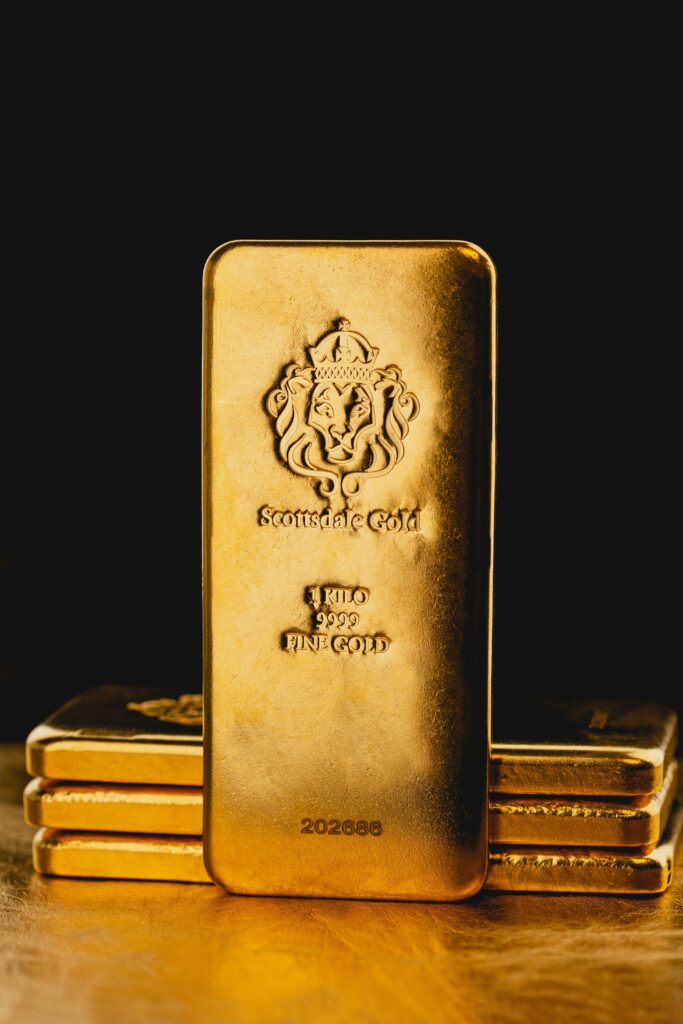
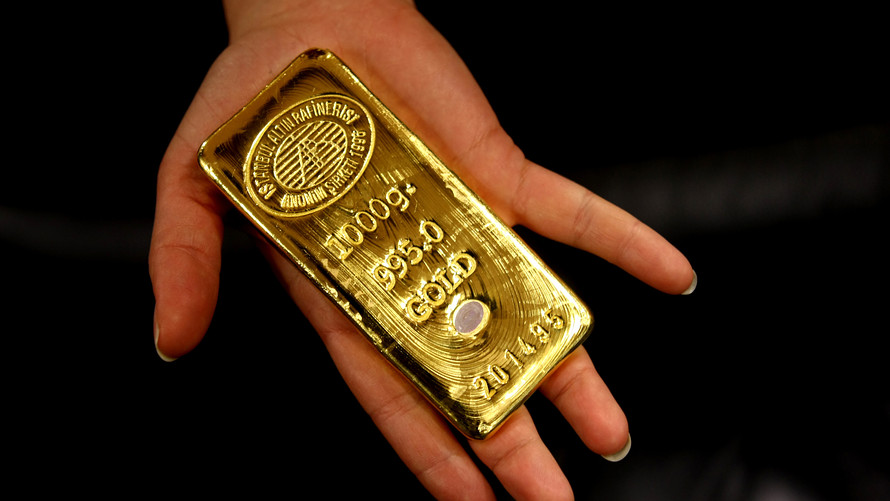
Browse our 24K investment gold bars, starting from a 10 gram gold bar or scaling up to a full 1 kilogram gold bar, or explore our 22K and 18K gold bars and gold jewellery collections. Our full buying guide to gold in Kenya covers the legal and documentation side in even more depth, and our roundup of where to buy gold in Kenya compares every legitimate sourcing route available to you.
More on Kenya’s Gold Market
For more on our specific sourcing regions, see our guide to gold mining in Turkana, and browse gold for sale near Kenya if you’re comparing regional sourcing across Uganda, Tanzania, and the DRC as well.
If you’re in Nairobi and want an in-person option, our guide to the best places to buy gold bars in Nairobi covers Westlands and the CBD, and our ranking of the top gold bullion dealers in Kenya helps you compare us against other licensed operators before you commit. For current 1kg gold bullion pricing in Kenya, our dedicated pricing page updates daily alongside the live gold price in Kenya today.
Our full services page covers assay certification, export documentation, and worldwide insured delivery in detail, and our about page explains exactly who we are and how our sourcing network operates.

Get Documented, Locally-Sourced Kenyan Gold — Safely
Buying gold from local miners in Kenya is a genuinely good instinct — you’re right that sourcing close to the mine cuts out unnecessary markup.
The mistake most buyers make is trying to do that verification themselves, informally, with no licence check and no assay. We’ve already built that relationship the right way, so you get authentic, Migori- and Kakamega-sourced gold with the full documentation an informal roadside purchase simply can’t provide.
Shop our gold bars now or contact us today for a live quote — buy your Kenyan gold safely, and buy it with us at Buy Gold Bars Kenya.
Related Pages
- Gold Bars for Sale
- 24K Gold Bar — 1kg
- 24K Gold Bar — 10g
- Gold Jewellery
- Gold Price in Kenya Today Per Gram
- Buying Gold in Kenya — Complete Guide
- Where to Buy Gold in Kenya
- Best Places to Buy Gold Bars in Nairobi
- Top Gold Bullion Dealers in Kenya
- Gold for Sale Near Kenya
- 1kg Gold Bullion Price in Kenya
- Gold Mining in Turkana
- Our Services
- About Us
- Contact Us
- Shop Gold Bars