Price of Gold Nuggets vs Pure Gold Bars in Kenya |Which Is Cheaper?
If you’re comparing the price of gold nuggets vs. pure gold bars in Kenya, it’s important to understand that the two are priced differently even when they contain the same amount of gold. Gold nuggets are natural, unrefined pieces of gold that often require testing and refining before their exact purity and market value can be confirmed. Pure gold bars, on the other hand, are professionally refined to investment-grade purity, typically 99.99% (24K), making them easier to value, trade, insure, and export.
In Kenya, the price difference between gold nuggets and refined gold bars depends on several factors, including purity, weight, assay results, refining costs, international spot prices, dealer premiums, and local supply. Buyers should also verify that the seller holds the necessary licenses and can provide official documentation such as an assay certificate, tax invoice, certificate of origin (where applicable), and export documentation for international transactions.
This complete 2026 buying guide explains how gold nuggets and pure gold bars are priced in Kenya, what affects their value, the advantages and disadvantages of each option, and how to avoid paying more than the gold is worth. You’ll also learn how to verify authenticity, compare investment potential, and safely purchase investment-grade gold from a reputable Kenyan dealer.
At Buy Gold Bars Kenya Limited, we help local and international buyers source professionally assayed gold bars with transparent pricing, independent purity verification, and secure documentation for domestic purchases and exports. Whether you’re investing in physical gold, buying for wealth preservation, or importing gold from Kenya, this guide will help you make an informed purchasing decision.

How Gold Nuggets and Gold Bars Are Priced in Kenya
Key Differences: Gold Nuggets (Raw) vs. Pure Gold Bars (Bullion)
Before buying investment gold in Kenya, it is essential to understand the fundamental differences between natural gold nuggets and refined gold bullion bars. Although both contain gold, they differ significantly in purity, pricing, processing requirements, investment value, and ease of resale. These differences directly affect how much you pay, how the gold is tested, and how easily it can be sold on the international market.
Composition, Purity Levels, and Carat Ratings (18K–23K vs. 24K)
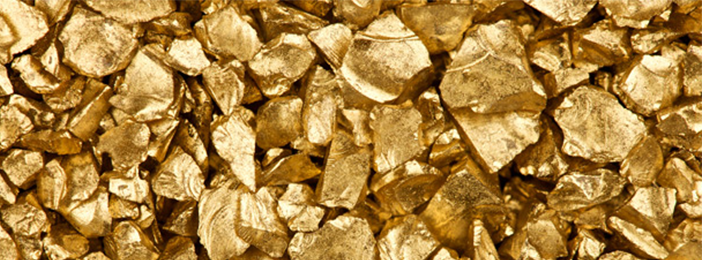
Natural gold nuggets are pieces of gold found in riverbeds, alluvial deposits, or hard-rock mining areas. They are rarely 100% pure because they naturally contain traces of silver, copper, iron, quartz, and other minerals. As a result, every nugget must be tested through an independent assay before its actual gold content can be determined.
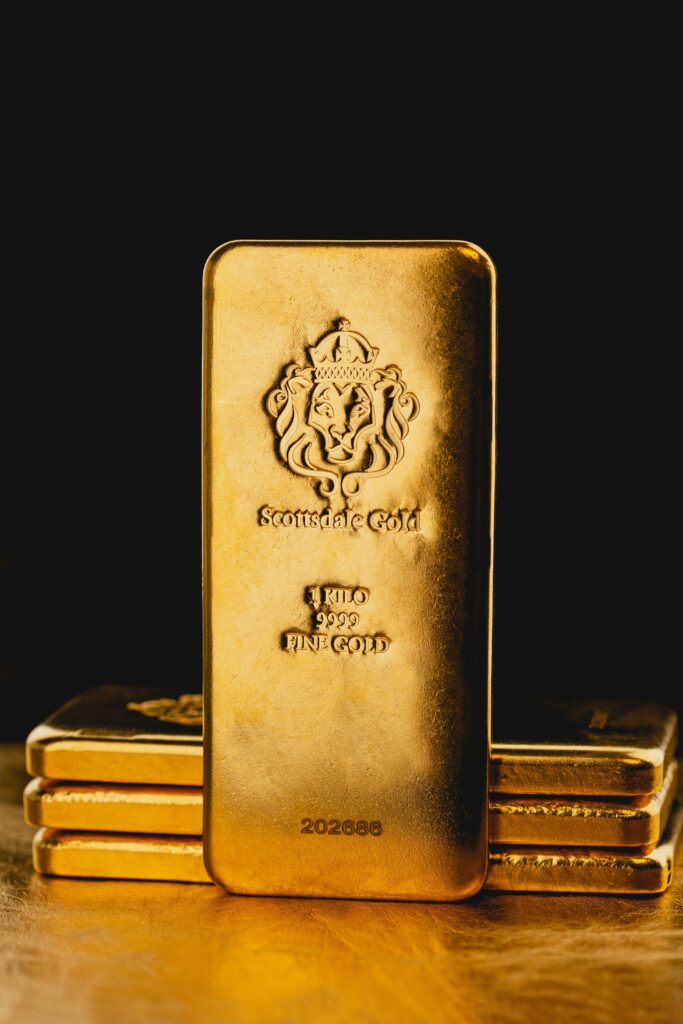
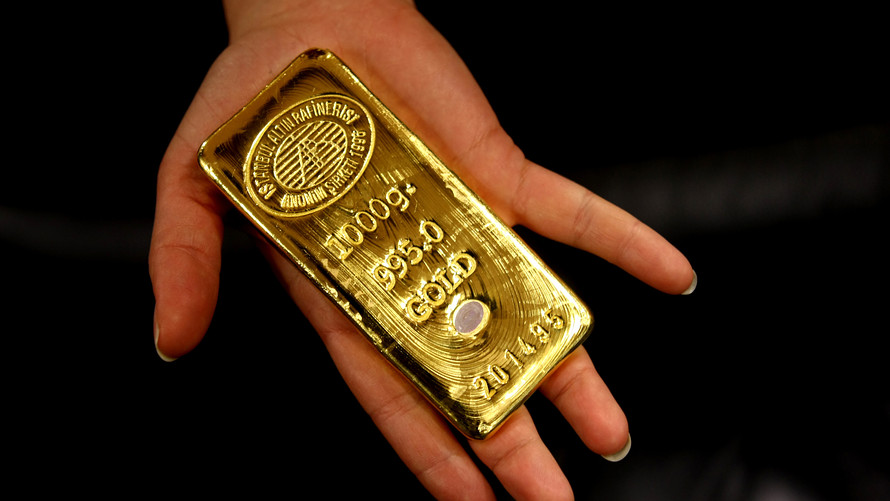
Refined gold bars undergo a completely different process. After extraction, the gold is smelted and refined to remove impurities until it reaches investment-grade purity. Most investment bars sold by reputable dealers contain at least 99.99% pure gold (24K or 999.9 fine gold), making their value straightforward to calculate using the international spot price.
| Feature | Gold Nuggets (Raw Gold) | Pure Gold Bars (Bullion) |
| Natural State | Unrefined gold from mines or rivers | Fully refined investment bullion |
| Typical Purity | Usually 18K–23K (75%–96% gold) before refining | 24K (99.99% or 999.9 fine gold) |
| Appearance | Irregular shapes with natural minerals | Uniform bars with consistent finish |
| Assay Requirement | Always requires independent purity testing | Usually supplied with refinery assay certificate |
| Gold Content | Varies from nugget to nugget | Standardized and guaranteed |
| Price Basis | Estimated until assay confirms purity | Directly linked to global spot price |
| International Acceptance | Limited before refining | Widely accepted by bullion dealers and investors |
| Best For | Refiners, experienced traders, mining buyers | Investors, wealth preservation, international trade |
Key Takeaway: If your goal is investment, pure gold bars offer greater certainty because the purity has already been verified. Gold nuggets may contain substantial gold, but their true value cannot be confirmed until they have been professionally assayed.
Fabrication, Refining, and Processing Costs in East Africa
One of the biggest reasons gold nuggets often appear cheaper than refined gold bars is that they still require additional processing before they become investment-grade bullion.
After being mined, gold nuggets must undergo several stages, including sampling, laboratory assay, smelting, impurity removal, chemical refining, purity verification, casting into bullion bars, quality inspection, and secure packaging. Every step adds cost to the final product.
East African refineries invest in specialized equipment, trained metallurgists, laboratory testing, security systems, environmental compliance, and regulatory licensing. These operational costs are reflected in the premium charged for refined gold bars.
Typical processing stages include:
| Processing Stage | Gold Nuggets | Refined Gold Bars |
| Mining & Recovery | ✓ | Already completed |
| Cleaning & Sorting | ✓ | Completed |
| Independent Assay | Required | Completed |
| Smelting | Required | Completed |
| Chemical Refining | Required | Completed |
| Purity Testing | Required | Certified |
| Bullion Casting | Required | Completed |
| Serial Number Marking | Not available | Included |
| Secure Packaging | Rare | Included |
| Ready for Investment | No | Yes |
Because these costs have already been absorbed by the refinery, refined bullion bars generally sell at a premium above the international spot price. However, buyers benefit from receiving gold whose purity, weight, and authenticity have already been verified.
For international buyers, this reduces risk significantly. Banks, customs authorities, bullion dealers, and many institutional investors are far more likely to accept professionally refined bullion than unprocessed gold nuggets.
Liquidity and Resale Value: Spot Price Sensitivity
Liquidity refers to how quickly an asset can be sold at a fair market price. In this regard, refined gold bars are generally much more liquid than raw gold nuggets.
Investment-grade bullion bars have standardized purity, precise weight, and recognized assay documentation. Their value closely follows the international gold spot price, allowing dealers, investors, and precious metals buyers to determine their worth almost instantly.
Gold nuggets, however, require additional verification before a buyer can accurately determine their value. Since each nugget differs in purity, size, mineral content, and gold concentration, buyers often discount the purchase price to account for refining costs, assay fees, and uncertainty.
| Comparison Factor | Gold Nuggets | Pure Gold Bars |
| Liquidity | Moderate | Very High |
| Spot Price Accuracy | Estimated until assayed | Closely tracks international spot price |
| Resale Speed | Slower | Faster |
| Buyer Confidence | Depends on assay results | High due to certified purity |
| International Acceptance | Limited | Excellent |
| Investment Suitability | Moderate | Excellent |
| Price Transparency | Lower | High |
| Typical Dealer Premium/Discount | Often discounted until purity is confirmed | Usually sold at spot price plus a transparent premium |
For investors seeking long-term wealth preservation, portfolio diversification, or international resale, refined bullion bars generally provide greater pricing transparency and stronger market acceptance. Gold nuggets may appeal to refiners or experienced precious metals traders, but they usually involve additional testing, processing costs, and negotiation before reaching their full market value.
How Gold Nuggets and Gold Bars Are Priced in Kenya
Although both gold nuggets and refined gold bars derive their value from the international gold market, they are not priced using the same method. Gold nuggets must first be tested to determine their actual gold content, while investment-grade gold bars are valued using internationally recognized bullion pricing standards. Understanding how each product is priced helps buyers compare offers fairly, negotiate with confidence, and avoid overpaying.
How Raw Gold Nugget Pricing Is Calculated (Assay & Purity Discount)
Raw gold nuggets do not have a fixed market price because no two nuggets are exactly alike. Their value depends on the amount of pure gold they contain, which can only be determined through an independent assay. Until testing is complete, buyers estimate the purity and usually apply a discount to cover the cost and risk of refining.
Professional buyers typically begin by weighing the nuggets using calibrated precision scales. Samples are then tested using methods such as X-ray fluorescence (XRF) analysis or fire assay to determine the percentage of pure gold. Once the purity is confirmed, the buyer calculates the equivalent amount of fine gold and applies the current international spot price. From this amount, deductions are made for refining, assay fees, transportation, insurance, and the dealer’s operating margin.
For example, a one-kilogram parcel of nuggets that assays at 90% purity contains approximately 900 grams of fine gold. The buyer values only the recoverable gold rather than the total weight of the parcel. This explains why raw nuggets often appear cheaper than refined bullion.
| Pricing Factor | Effect on Raw Gold Nugget Price |
| Weight | Higher weight generally increases value |
| Assayed Purity | Higher purity commands a higher price |
| Moisture, Quartz & Other Minerals | Reduce payable gold content |
| Refining Costs | Deducted from the purchase price |
| Assay & Laboratory Fees | Usually deducted or included in negotiations |
| Transportation & Security | May reduce the net purchase price |
| International Spot Price | Sets the base value of recoverable gold |
| Dealer Margin | Applied after purity is confirmed |
Example Calculation
| Item | Example |
| Nugget Weight | 1,000 g |
| Assayed Purity | 90% |
| Fine Gold Content | 900 g |
| International Spot Price | $135/g (example only) |
| Gross Gold Value | $121,500 |
| Less Refining & Dealer Costs | Deducted |
| Final Purchase Price | Negotiated based on market conditions |
Because every shipment differs, reputable buyers normally wait for assay results before making a final offer.
How Pure Gold Bar Pricing Is Calculated (LBMA Spot Rates & Premiums)
Unlike raw nuggets, 24K investment-grade gold bars are priced using internationally recognized bullion standards. Their purity has already been refined and certified—typically 99.99% (999.9 fine gold)—allowing buyers to calculate value directly from the live international gold price.
The benchmark for most wholesale bullion transactions is the global spot price used across international precious metals markets. Dealers then add a transparent premium that reflects refining costs, minting or casting, secure packaging, insurance, transportation, import or export expenses, and normal business operating costs.
The final selling price is generally calculated as:
Gold Bar Price = (Live Gold Spot Price × Weight) + Dealer Premium
Premiums vary depending on factors such as:
- Bar weight (larger bars usually have lower premiums per gram)
- Refinery or manufacturer
- Market demand
- Supply availability
- Shipping and insurance
- Payment method
- Local taxes or regulatory costs where applicable
| Component | How It Affects the Price |
| International Spot Price | Primary value of the gold |
| Certified Purity (999.9) | Confirms investment-grade quality |
| Weight | Determines the bullion value |
| Dealer Premium | Covers refining, handling, and business costs |
| Packaging & Security | Adds protection and authenticity |
| Assay Certificate | Increases buyer confidence and resale value |
| Shipping & Insurance | Included where applicable |
Because the gold content is already guaranteed, bullion pricing is transparent and far easier for buyers to verify than raw gold pricing.
The Impact of the KES/USD Exchange Rate on Local Gold Prices
Gold is traded internationally in U.S. dollars (USD), while buyers in Kenya usually pay in Kenyan shillings (KES). As a result, movements in the USD/KES exchange rate directly influence local gold prices, even when the international gold price remains unchanged.
If the Kenyan shilling weakens against the U.S. dollar, the local price of gold generally rises because more shillings are needed to purchase the same amount of gold. Conversely, if the shilling strengthens, gold prices in Kenya may fall, assuming the international spot price remains stable.
Local bullion prices therefore reflect two key variables:
- The international gold spot price.
- The prevailing USD/KES exchange rate.
Other factors that may influence the final retail price include transportation costs, insurance, market demand, and dealer premiums.
| Market Factor | Effect on Kenyan Gold Prices |
| Higher Global Spot Price | Local prices usually increase |
| Lower Global Spot Price | Local prices usually decrease |
| Stronger USD vs. KES | Gold becomes more expensive in Kenya |
| Stronger KES vs. USD | Gold may become less expensive locally |
| Increased Dealer Costs | Higher retail premiums |
| Higher Local Demand | Can increase premiums |
For buyers making large purchases, monitoring both the international spot price and the USD/KES exchange rate can help identify more favorable buying opportunities.
Price Comparison Summary: Nuggets vs. Bars (Per Gram & Per Kilogram)
The table below highlights the main pricing differences between raw gold nuggets and refined bullion bars. Actual prices change continuously with the international gold market and should always be confirmed before completing a transaction.
| Comparison | Gold Nuggets | Pure Gold Bars |
| Pricing Method | Based on assay results and recoverable gold | Based on live international spot price plus dealer premium |
| Typical Purity | Approximately 18K–23K before refining | 24K (99.99% or 999.9 fine gold) |
| Per Gram Pricing | Varies according to purity | Consistent with certified purity |
| Per Kilogram Pricing | Calculated after assay and deductions | Directly linked to bullion value |
| Refining Costs | Deducted from the purchase price | Already included in the premium |
| Price Transparency | Moderate | High |
| Resale Value | Depends on assay and buyer | Strong due to standardized purity |
| Investment Suitability | Better suited to refiners and experienced traders | Preferred for investors, wealth preservation, and international trade |
Key Takeaway: While raw gold nuggets can sometimes be acquired at a lower initial price, their final value depends on purity testing, refining costs, and negotiations. Refined 24K gold bars provide transparent pricing, certified purity, faster resale, and greater international acceptance, making them the preferred choice for most investors and commercial buyers in Kenya.
Legal Framework, Taxes, and Export Regulations in Kenya
Whether you are purchasing raw gold nuggets or investment-grade gold bars in Kenya, understanding the country’s legal and regulatory framework is essential. Gold is a regulated mineral commodity, and legitimate transactions should comply with Kenyan mining, tax, customs, and anti-money laundering (AML) requirements. Buyers—particularly international investors should verify that the seller is properly licensed and can provide all required documentation before making payment or arranging shipment.
Working with licensed dealers helps reduce the risk of fraud, counterfeit documentation, shipment delays, customs seizures, and financial losses. Before purchasing gold for export, always verify the seller’s credentials with the appropriate Kenyan authorities and ensure that all export documents are genuine and complete.
Licensing Requirements under the Kenya Mining Act
Gold exploration, mining, processing, dealing, and exporting in Kenya are governed by the Mining Act, 2016 and regulations administered by the State Department for Mining within the Ministry responsible for mining. Businesses involved in the gold supply chain must operate under the appropriate licenses and permits issued by the government.
Depending on the nature of the transaction, companies may require licenses relating to prospecting, mining, mineral dealing, processing, or export. International buyers should request copies of the seller’s licenses and independently verify that they are valid and current before signing a purchase agreement.
When purchasing gold from Kenya, reputable dealers should generally be able to provide:
| Requirement | Purpose |
| Mineral Dealer License (where applicable) | Authorizes the buying and selling of minerals |
| Export Authorization or Permit | Permits lawful export of gold from Kenya |
| Company Registration Documents | Confirms the legal status of the business |
| Kenya Revenue Authority (KRA) Registration | Demonstrates tax compliance |
| Physical Business Address | Allows buyers to verify the company’s operations |
| Assay Certificate | Confirms the purity and weight of the gold |
| Sales Agreement and Commercial Invoice | Records the commercial transaction |
Before making payment, buyers should confirm that the seller has a verifiable office address, identifiable company directors, transparent business records, and official contact information rather than relying solely on social media or messaging applications.
Applicable Taxes: VAT Exemptions, Royalties, and KRA Compliance
The taxes applicable to gold transactions in Kenya depend on factors such as the type of gold being sold, whether the transaction is domestic or international, and the relevant tax legislation in force at the time of the sale.
Businesses dealing in gold are generally expected to comply with Kenya Revenue Authority (KRA) requirements, including maintaining proper accounting records, issuing tax-compliant invoices where required, and meeting their applicable tax obligations.
Depending on the transaction, buyers and sellers should also consider:
| Tax or Charge | Description |
| Value Added Tax (VAT) | Certain investment-grade precious metals may receive different VAT treatment depending on applicable tax law and the nature of the transaction. |
| Mining Royalties | Royalties may apply at the production stage in accordance with Kenyan mining legislation. |
| Corporate Income Tax | Applies to taxable business profits of eligible companies. |
| Customs Duties | May apply depending on the destination country rather than the Kenyan export itself. |
| Withholding or Other Taxes | May arise depending on contractual arrangements and applicable law. |
Because tax legislation can change, buyers should confirm the current tax treatment with the seller, the Kenya Revenue Authority, or a qualified tax adviser before completing a transaction.
For international buyers, it is equally important to understand the import taxes, customs duties, and reporting requirements that apply in the destination country.
Mandatory Export Documentation (Certificate of Origin & Assay Reports)
Gold exported from Kenya should be accompanied by complete and authentic documentation. Missing or fraudulent paperwork can result in shipment delays, customs inspections, financial penalties, or seizure of the consignment.
Before authorizing payment, buyers should ensure that the seller can provide all required export documents and that the information matches the weight, purity, serial numbers (if applicable), and shipment details.
Common export documentation includes:
| Document | Purpose |
| Commercial Invoice | States the value, quantity, and terms of sale |
| Packing List | Lists the contents of the shipment |
| Assay Certificate | Confirms the gold’s purity and weight |
| Certificate of Origin | Identifies the country of origin of the gold |
| Export Permit or Export License | Authorizes the lawful export of the shipment |
| Air Waybill (AWB) | Provides shipment and tracking details |
| Insurance Certificate | Confirms transit insurance coverage |
| Customs Export Declaration | Required for customs clearance |
| Buyer–Seller Sales Contract | Sets out the commercial terms of the transaction |
International buyers should carefully verify every document before funds are transferred. Independent verification of assay reports, export permits, and company licenses can significantly reduce the risk of fraud. Where practical, consider using secure payment methods such as documentary letters of credit (LC), escrow arrangements, or other protected settlement mechanisms for high-value international transactions.
Buyer Checklist Before Export
- Verify the seller’s licenses with the relevant Kenyan authorities.
- Confirm the company’s legal registration and physical office address.
- Obtain an independent assay certificate showing purity and weight.
- Review the commercial invoice and sales contract carefully.
- Confirm the export permit and certificate of origin are authentic.
- Ensure the shipment is insured and traceable.
- Understand the customs and import requirements in your destination country before shipment.
Following these steps helps ensure that your gold purchase complies with Kenyan regulations while reducing the likelihood of customs delays, document disputes, or financial loss.
Buying Gold Safely in Kenya: Avoiding Scams & Fraud
Kenya has become an important regional trading hub for precious metals, attracting both legitimate dealers and fraudulent operators. While many licensed businesses conduct genuine gold transactions, buyers should remain cautious, particularly when dealing with unknown suppliers, online advertisements, or intermediaries promising unusually low prices.
The majority of gold scams do not involve counterfeit gold alone. Fraudsters often use fake export permits, forged assay certificates, cloned company websites, fabricated shipping documents, or requests for advance payments before any independent verification has taken place. Conducting proper due diligence before transferring funds is one of the most effective ways to protect your investment.
Common Red Flags and Fraud Tactics in the East African Gold Market
Most international gold fraud follows similar patterns. Scammers frequently create convincing company profiles, use photographs copied from legitimate mining businesses, and claim to have immediate access to large quantities of gold at prices significantly below international market value.
If an offer appears substantially cheaper than the prevailing global gold price, buyers should proceed with extreme caution. Investment-grade gold is a globally traded commodity, and reputable dealers rarely sell well below the international market price after accounting for refining, transportation, insurance, and operating costs.
The following warning signs deserve careful attention:
| Red Flag | Why It Is a Risk |
| Gold offered far below international spot price | Often used to attract victims before requesting advance payments |
| Requests for payment before verification | Buyers may lose funds without receiving gold |
| Refusal to allow independent assay testing | Purity cannot be confirmed |
| No physical office or verifiable business address | Difficult to verify legitimacy |
| Fake or unverifiable licenses | Indicates possible document fraud |
| Pressure to complete payment immediately | Common high-pressure scam tactic |
| Communication only through messaging apps | Limited accountability |
| Frequent requests for unexpected fees | May involve advance-fee fraud |
| Fake shipping or customs charges | Common method of extracting additional payments |
| Refusal to sign a formal sales contract | Increases legal and financial risk |
Other common fraud schemes include:
- Fake refinery certificates and forged assay reports.
- Counterfeit export permits and customs documents.
- Gold-plated base metals sold as high-purity bullion.
- Weight manipulation using altered scales.
- Switching genuine samples for lower-quality gold before shipment.
- Fraudulent courier tracking numbers.
- Impersonation of government officials or customs agents requesting additional payments.
Legitimate dealers should be able to explain every stage of the transaction clearly and provide verifiable documentation without relying on pressure or secrecy.
Essential Verification Steps: On-Site XRF Testing and Independent Assay
Before purchasing any gold in Kenya, buyers should independently verify both the seller and the gold itself. Professional testing helps confirm that the metal matches the purity stated in the sales agreement.
One of the most commonly used screening methods is X-ray fluorescence (XRF) analysis. XRF provides a rapid, non-destructive estimate of the metal’s composition and is useful for preliminary verification. However, for high-value commercial transactions, an independent laboratory fire assay remains the most accurate method of determining gold purity.
A comprehensive verification process should include:
| Verification Step | Why It Matters |
| Verify company registration | Confirms the business legally exists |
| Confirm mining or dealer licenses | Helps ensure regulatory compliance |
| Inspect the seller’s physical office | Reduces the risk of dealing with fictitious businesses |
| Check the gold’s weight using calibrated scales | Prevents quantity disputes |
| Perform on-site XRF testing | Provides an initial estimate of purity |
| Obtain an independent fire assay | Confirms precise gold content |
| Match assay results with the invoice | Ensures documentation is consistent |
| Review export documents | Confirms the shipment can legally leave Kenya |
| Verify serial numbers on bullion bars (where applicable) | Helps confirm authenticity |
| Use secure payment methods | Reduces financial risk |
For larger transactions, many international buyers also arrange independent inspections through recognized precious metals laboratories or inspection companies before releasing payment.
Following these verification steps greatly reduces the likelihood of purchasing misrepresented or non-compliant gold.
Trusted Purchase Channels: Licensed Dealers vs. Artisanal Mining Sellers
Buyers in Kenya generally obtain gold from either licensed commercial dealers or artisanal and small-scale mining (ASM) sellers. Each source has different advantages, risks, and verification requirements.
Licensed dealers typically sell professionally refined bullion, maintain business records, provide formal documentation, and comply with applicable regulatory requirements. This makes them the preferred option for most investors and international buyers seeking certified gold bars.
Artisanal mining sellers may offer raw gold nuggets or unrefined gold directly from mining operations. While these transactions can be legitimate, they generally require additional due diligence because the gold usually needs independent assay testing and further refining before it reaches investment-grade quality.
| Comparison | Licensed Gold Dealer | Artisanal Mining Seller |
| Business Registration | Usually registered | Varies |
| Regulatory Compliance | Higher | Varies depending on the seller |
| Gold Type | Refined bullion and certified bars | Mostly raw nuggets or unrefined gold |
| Assay Documentation | Commonly available | Often requires independent testing |
| Export Support | Usually provided | May be limited |
| Traceability | Better documented | Can be more difficult to verify |
| Transaction Risk | Lower when properly verified | Generally higher |
| Suitable For | Investors, institutions, international buyers | Experienced traders and refiners |
Regardless of the source, buyers should never rely solely on verbal assurances or copied documents. Always verify licenses, inspect the gold, confirm assay results, review export paperwork, and use secure contractual payment arrangements.
Best Practices for Safe Gold Purchases in Kenya
The safest gold transactions typically follow a structured process:
- Verify the seller’s business registration and licenses.
- Visit the seller’s office or appoint an independent representative.
- Confirm the gold’s weight and perform on-site XRF testing.
- Obtain an independent fire assay before final payment.
- Review the sales contract and export documentation.
- Use secure payment methods such as escrow or documentary letters of credit (LC) where appropriate.
- Ensure the shipment is insured, traceable, and accompanied by complete export documents.
- Confirm the import requirements of your destination country before dispatch.
Following these steps helps reduce fraud risk while improving the likelihood of a smooth and legally compliant gold purchase from Kenya.
Why Raw Gold Nuggets Vary Between 18K–23K While Investment-Grade Bars Are 24K
One of the most important differences between raw gold nuggets and investment-grade gold bars is their purity. Although both contain gold, they are not identical products. Raw nuggets are naturally occurring pieces of gold extracted from mines or river deposits, while bullion bars have undergone extensive refining to remove impurities and achieve a standardized purity.
Gold nuggets rarely occur as completely pure gold in nature. During the geological formation process, gold mixes with other naturally occurring metals and minerals such as silver, copper, iron, and quartz. The concentration of these impurities varies from one mining region to another and even from one nugget to the next. As a result, raw gold nuggets commonly assay between 18K and 23K, which is approximately 75% to 96% pure gold.
Because each nugget has a different composition, buyers cannot determine its exact value simply by looking at it. Professional testing—typically using X-ray fluorescence (XRF) for preliminary analysis and fire assay for precise laboratory verification—is necessary to establish the true percentage of gold before pricing.
Investment-grade gold bars undergo a completely different process. After extraction, the raw gold is melted, refined, and purified using advanced metallurgical techniques that remove nearly all non-gold elements. The refined metal is then cast or minted into bullion bars and tested to ensure it meets internationally recognized purity standards.
Most investment bullion sold by reputable dealers is refined to 99.99% purity (999.9 fine gold), commonly referred to as 24-karat gold. Because the purity is certified, investors can easily calculate the value of the bar using the current international gold spot price plus any applicable dealer premium.
Gold Purity Conversion Table
| Gold Purity | Karat Rating | Gold Content | Typical Use |
| 75.0% | 18K | 750 Fine | Lower-purity raw nuggets, jewellery |
| 83.3% | 20K | 833 Fine | Natural nuggets and specialty jewellery |
| 91.6% | 22K | 916 Fine | High-purity nuggets and jewellery |
| 95.8% | 23K | 958 Fine | Very high-purity natural gold |
| 99.9% | 24K | 999 Fine | Refined bullion bars |
| 99.99% | 24K | 999.9 Fine | Investment-grade gold bars |
Why Refining Increases the Value of Gold
Refining transforms raw gold into a standardized investment product that is easier to value, trade, transport, and insure. During refining, impurities are removed, the gold is tested to verify its purity, and the finished bullion is cast into bars with precise weights. Many refiners also apply serial numbers and issue assay certificates that confirm the gold’s authenticity and purity.
This standardization provides several important benefits:
- Transparent Pricing: Certified 24K bullion is valued directly against the live international gold spot price.
- Higher Liquidity: Banks, bullion dealers, and investors readily accept investment-grade gold bars.
- Easier International Trade: Certified bullion generally meets the requirements of commercial buyers and many customs authorities.
- Greater Buyer Confidence: Assay certificates and standardized purity reduce uncertainty during resale.
By contrast, raw gold nuggets usually require additional testing and refining before they can be sold as investment bullion. Buyers therefore factor in refining costs, assay expenses, and potential purity variations when determining the purchase price.
Key Takeaway: Raw gold nuggets are valuable natural materials, but their purity can vary significantly from one specimen to another. Investment-grade 24K (99.99%) gold bars have been professionally refined and certified, providing consistent purity, transparent pricing, and stronger acceptance in both domestic and international bullion markets.
Buying Gold Safely in Kenya: Avoiding Scams & Fraud
Kenya has become an important regional trading hub for precious metals, attracting both legitimate dealers and fraudulent operators. While many licensed businesses conduct genuine gold transactions, buyers should remain cautious, particularly when dealing with unknown suppliers, online advertisements, or intermediaries promising unusually low prices.
The majority of gold scams do not involve counterfeit gold alone. Fraudsters often use fake export permits, forged assay certificates, cloned company websites, fabricated shipping documents, or requests for advance payments before any independent verification has taken place. Conducting proper due diligence before transferring funds is one of the most effective ways to protect your investment.
Common Red Flags and Fraud Tactics in the East African Gold Market
Most international gold fraud follows similar patterns. Scammers frequently create convincing company profiles, use photographs copied from legitimate mining businesses, and claim to have immediate access to large quantities of gold at prices significantly below international market value.
If an offer appears substantially cheaper than the prevailing global gold price, buyers should proceed with extreme caution. Investment-grade gold is a globally traded commodity, and reputable dealers rarely sell well below the international market price after accounting for refining, transportation, insurance, and operating costs.
The following warning signs deserve careful attention:
| Red Flag | Why It Is a Risk |
| Gold offered far below international spot price | Often used to attract victims before requesting advance payments |
| Requests for payment before verification | Buyers may lose funds without receiving gold |
| Refusal to allow independent assay testing | Purity cannot be confirmed |
| No physical office or verifiable business address | Difficult to verify legitimacy |
| Fake or unverifiable licenses | Indicates possible document fraud |
| Pressure to complete payment immediately | Common high-pressure scam tactic |
| Communication only through messaging apps | Limited accountability |
| Frequent requests for unexpected fees | May involve advance-fee fraud |
| Fake shipping or customs charges | Common method of extracting additional payments |
| Refusal to sign a formal sales contract | Increases legal and financial risk |
Other common fraud schemes include:
- Fake refinery certificates and forged assay reports.
- Counterfeit export permits and customs documents.
- Gold-plated base metals sold as high-purity bullion.
- Weight manipulation using altered scales.
- Switching genuine samples for lower-quality gold before shipment.
- Fraudulent courier tracking numbers.
- Impersonation of government officials or customs agents requesting additional payments.
Legitimate dealers should be able to explain every stage of the transaction clearly and provide verifiable documentation without relying on pressure or secrecy.
Essential Verification Steps: On-Site XRF Testing and Independent Assay
Before purchasing any gold in Kenya, buyers should independently verify both the seller and the gold itself. Professional testing helps confirm that the metal matches the purity stated in the sales agreement.
One of the most commonly used screening methods is X-ray fluorescence (XRF) analysis. XRF provides a rapid, non-destructive estimate of the metal’s composition and is useful for preliminary verification. However, for high-value commercial transactions, an independent laboratory fire assay remains the most accurate method of determining gold purity.
A comprehensive verification process should include:
| Verification Step | Why It Matters |
| Verify company registration | Confirms the business legally exists |
| Confirm mining or dealer licenses | Helps ensure regulatory compliance |
| Inspect the seller’s physical office | Reduces the risk of dealing with fictitious businesses |
| Check the gold’s weight using calibrated scales | Prevents quantity disputes |
| Perform on-site XRF testing | Provides an initial estimate of purity |
| Obtain an independent fire assay | Confirms precise gold content |
| Match assay results with the invoice | Ensures documentation is consistent |
| Review export documents | Confirms the shipment can legally leave Kenya |
| Verify serial numbers on bullion bars (where applicable) | Helps confirm authenticity |
| Use secure payment methods | Reduces financial risk |
For larger transactions, many international buyers also arrange independent inspections through recognized precious metals laboratories or inspection companies before releasing payment.
Following these verification steps greatly reduces the likelihood of purchasing misrepresented or non-compliant gold.
Trusted Purchase Channels: Licensed Dealers vs. Artisanal Mining Sellers
Buyers in Kenya generally obtain gold from either licensed commercial dealers or artisanal and small-scale mining (ASM) sellers. Each source has different advantages, risks, and verification requirements.
Licensed dealers typically sell professionally refined bullion, maintain business records, provide formal documentation, and comply with applicable regulatory requirements. This makes them the preferred option for most investors and international buyers seeking certified gold bars.
Artisanal mining sellers may offer raw gold nuggets or unrefined gold directly from mining operations. While these transactions can be legitimate, they generally require additional due diligence because the gold usually needs independent assay testing and further refining before it reaches investment-grade quality.
| Comparison | Licensed Gold Dealer | Artisanal Mining Seller |
| Business Registration | Usually registered | Varies |
| Regulatory Compliance | Higher | Varies depending on the seller |
| Gold Type | Refined bullion and certified bars | Mostly raw nuggets or unrefined gold |
| Assay Documentation | Commonly available | Often requires independent testing |
| Export Support | Usually provided | May be limited |
| Traceability | Better documented | Can be more difficult to verify |
| Transaction Risk | Lower when properly verified | Generally higher |
| Suitable For | Investors, institutions, international buyers | Experienced traders and refiners |
Regardless of the source, buyers should never rely solely on verbal assurances or copied documents. Always verify licenses, inspect the gold, confirm assay results, review export paperwork, and use secure contractual payment arrangements.
Best Practices for Safe Gold Purchases in Kenya
The safest gold transactions typically follow a structured process:
- Verify the seller’s business registration and licenses.
- Visit the seller’s office or appoint an independent representative.
- Confirm the gold’s weight and perform on-site XRF testing.
- Obtain an independent fire assay before final payment.
- Review the sales contract and export documentation.
- Use secure payment methods such as escrow or documentary letters of credit (LC) where appropriate.
- Ensure the shipment is insured, traceable, and accompanied by complete export documents.
- Confirm the import requirements of your destination country before dispatch.
Following these steps helps reduce fraud risk while improving the likelihood of a smooth and legally compliant gold purchase from Kenya.
Pricing Mechanics: Why Gold Nuggets Trade Below Spot While Gold Bars Sell Above Spot
Although both gold nuggets and refined gold bars derive their value from the international gold spot price, they are priced differently because they represent different stages in the gold supply chain. Raw gold nuggets are an unrefined material that requires testing and processing before their true gold content can be determined, whereas investment-grade gold bars have already been refined, certified, and are ready for immediate trading or investment.
As a result, gold nuggets are typically purchased at a discount to the value of their estimated fine-gold content, while 24K gold bars are generally sold at the live spot price plus a transparent premium that reflects refining, fabrication, logistics, and dealer costs.
Why Gold Nuggets Usually Trade Below the Spot Price
The international spot price reflects the value of refined investment-grade gold, not unprocessed ore or natural nuggets. Before a raw nugget can be converted into tradable bullion, it must be weighed, sampled, assayed, refined, and recast into high-purity gold. These additional steps create costs and introduce uncertainty, which buyers factor into their purchase offers.
Professional buyers typically apply a discount to account for:
| Cost or Risk Factor | Why It Reduces the Purchase Price |
| Independent Assay | Confirms the actual gold content before payment |
| Refining Costs | Removes impurities to produce investment-grade bullion |
| Recovery Losses | Small quantities of gold may be lost during refining |
| Transport & Security | Covers secure handling and insured movement |
| Insurance | Protects high-value shipments in transit |
| Market Risk | Gold prices can fluctuate before refining is complete |
| Operational Expenses | Covers compliance, labor, storage, and administration |
| Dealer Margin | Allows the buyer to operate profitably |
Because these costs vary by transaction, raw gold nuggets are generally purchased based on the estimated recoverable fine-gold content, not the total weight of the material.
Example: If a parcel weighs 1 kilogram but assays at 90% purity, it contains approximately 900 grams of fine gold. The buyer calculates the value of those 900 grams using the current international spot price and then deducts reasonable costs for refining, assaying, logistics, and commercial operations before making a final purchase offer.
Why Gold Bars Trade at Spot Price Plus a Premium
Investment-grade gold bars have already passed through the refining and certification process. Their purity is guaranteed—typically 99.99% (999.9 fine gold)—and they are ready for investment, storage, resale, or export.
Because buyers know the exact purity and weight of the bullion, pricing is far more transparent.
The selling price of a gold bar is commonly calculated using the following formula:
Gold Bar Price = Live Spot Price + Bullion Premium
The premium compensates the dealer for costs already incurred before the gold reaches the customer.
| Premium Component | What It Covers |
| Refining | Producing 99.99% investment-grade gold |
| Minting or Casting | Manufacturing standardized bullion bars |
| Assay Certification | Independent verification of purity and weight |
| Packaging | Secure tamper-evident presentation |
| Storage | Vaulting and inventory management |
| Insurance | Protection during storage and transport |
| Secure Shipping | Domestic or international logistics |
| Dealer Operating Costs | Compliance, staff, premises, and customer service |
Larger bullion bars often carry lower premiums per gram than smaller bars because manufacturing and handling costs are spread across a greater quantity of gold.
Pricing Comparison: Gold Nuggets vs. Gold Bars
| Pricing Feature | Raw Gold Nuggets | Investment-Grade Gold Bars |
| Pricing Basis | Estimated recoverable gold after assay | Live international spot price |
| Purity | Typically 18K–23K before refining | 24K (99.99% or 999.9 fine gold) |
| Spot Price Relationship | Usually purchased below spot after deductions | Usually sold at spot plus a dealer premium |
| Assay Requirement | Required before final pricing | Already certified |
| Refining Costs | Deducted from the purchase price | Included in the premium |
| Price Transparency | Moderate | High |
| Resale Value | Depends on verified purity | High due to standardized bullion |
| Best Suited For | Refiners and experienced traders | Investors and commercial buyers |
Which Offers Better Value?
The answer depends on the buyer’s objective. Raw gold nuggets may appear less expensive initially, but the apparent discount reflects the costs and risks of refining the material into investment-grade bullion. Additional expenses such as assaying, refining, logistics, and potential recovery losses should be considered before comparing prices.
For most investors, 24K certified gold bars provide greater pricing transparency, standardized purity, easier resale, and stronger international acceptance. While they typically sell at the live spot price plus a premium, buyers receive professionally refined bullion that is immediately suitable for investment and easier to value using global market benchmarks.
Key Takeaway: A lower price for raw gold nuggets does not necessarily mean a better deal. Their discounted pricing reflects the additional work required to transform them into investment-grade bullion. Certified gold bars, by contrast, command a premium because their purity, weight, and authenticity have already been independently verified, reducing risk for buyers and simplifying resale.
PEOPLE ALSO ASK
Is a gold nugget worth more than a gold bar?
Not usually. A gold nugget is rarely worth more than a gold bar with the same gold content. Gold bars are refined to very high purity—typically 99.99% (24K)—and are priced close to the current international spot price plus a small dealer or mint premium. Natural gold nuggets, on the other hand, vary in purity, often ranging from 70% to 95% gold depending on where they were mined. Because nuggets must be tested and refined before resale, they usually trade at a discount to the spot price. However, exceptionally large, rare, or unusually shaped nuggets with collector value can sell for far more than their gold content, making them more valuable than an equivalent-weight gold bar.
How much is a 1 kg gold nugget worth?
The value of a 1 kg gold nugget depends primarily on its purity and the current gold price. A nugget weighing 1 kilogram contains approximately 32.15 troy ounces. If it is 99.99% pure, its value is close to the market price of one kilogram of gold. Most natural nuggets, however, contain impurities and may assay between 70% and 95% gold, reducing their market value until refined. Buyers also factor in refining, assaying, and transportation costs. If the nugget is exceptionally rare or has strong collector appeal, it may sell for more than its melt value.
Are gold nuggets more expensive?
Gold nuggets are not generally more expensive than refined gold bars. Commercial buyers typically pay less for natural nuggets because they require purity testing and refining before they can be traded as investment-grade gold. As a result, nuggets are often purchased below the international spot price. The exception is rare collector-grade nuggets, which can command significant premiums due to their unusual size, shape, historical significance, or aesthetic appearance. For investment purposes, refined gold bars usually provide better value and easier resale.
How much is a pure gold nugget?
A pure gold nugget is worth approximately the current market value of its gold weight. To calculate its value, multiply the nugget’s weight by the current spot price per gram or per ounce. For example, if gold is trading at $133 per gram, a pure 100-gram gold nugget would have an estimated melt value of around $13,300 before any dealer premiums or discounts. If the nugget has collector value because of its rarity or natural appearance, it may sell for considerably more than its melt value.
Are gold nuggets a good investment?
Gold nuggets can be a worthwhile investment, but they are generally better suited to collectors than traditional investors. Their value depends on factors such as gold purity, rarity, size, and market demand. Unlike certified gold bars, nuggets often require professional assaying before resale, which can reduce liquidity and increase transaction costs. Investors seeking a straightforward way to preserve wealth usually prefer accredited 24K gold bars because they are easier to value, widely accepted by dealers, and can often be sold closer to the international spot price.
How much is a 72 kg gold nugget worth?
The value of a 72 kg gold nugget depends on its purity and the current gold price. If it were refined to 99.99% purity, it would contain approximately 2,315 troy ounces of gold. At a gold price of around $4,140 per troy ounce, its estimated bullion value would exceed US$9.5 million. If the nugget is of lower purity, its value decreases proportionally based on the actual gold content. Conversely, if it is an exceptionally rare natural specimen with historical or collector significance, it could sell for substantially more than its bullion value at auction.