Gold Price Trends in Kenya |2026 Today’s Rate Per Gram & Forecast
Gold prices in Kenya remain at historically high levels in 2026, closely tracking movements in the international spot gold market. In 2026, 24K gold averages around USD 133–136 per gram (approximately USD 4,140–4,230 per troy ounce), though local retail prices may vary with exchange rates, import costs, dealer premiums, and fabrication charges. Gold prices have generally continued to rise over the past year, supported by strong central bank buying, geopolitical uncertainty, inflation concerns, and sustained investor demand for safe-haven assets. Because Kenya imports most of its refined gold, domestic prices are heavily influenced by changes in the global spot price and fluctuations in the Kenyan shilling. Looking ahead, buyers and investors should expect continued price volatility in 2026, with gold likely to remain well supported if global economic uncertainty and strong investment demand persist.
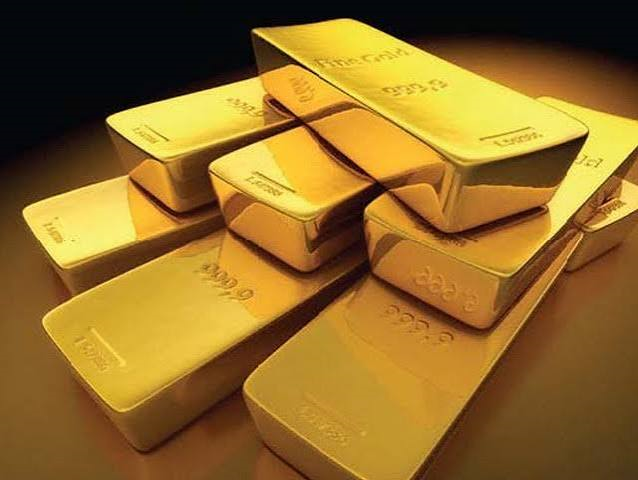
Kenya Gold Price Today (Live Market Overview)
Gold prices in Kenya are determined primarily by the international spot gold market, the USD/KES exchange rate, and local dealer premiums. Since gold is traded globally in US dollars, fluctuations in the global spot price and currency exchange rates directly affect the price Kenyan buyers and investors pay. The figures below provide an overview of current benchmark prices for investment-grade gold and should be used as a market reference. Actual buying and selling prices may vary depending on the dealer, product type, purity, and transaction costs.
Current 24K Gold Price per Gram
As of today, 24K (99.99% pure) gold trades at approximately USD 133–136 per gram in the international market. In Kenya, the equivalent price in Kenyan Shillings changes throughout the day as the USD/KES exchange rate fluctuates. Retail buyers may also pay a small premium to cover refining, transportation, insurance, and dealer margins, especially for minted bullion bars and certified investment products.
Current Gold Price per Ounce
The global gold market quotes prices in troy ounces (31.1035 grams), making this the most widely used benchmark by investors, bullion dealers, central banks, and commodity exchanges. The current gold price is approximately USD 4,140–4,230 per troy ounce, with the Kenyan Shilling equivalent changing in line with the prevailing exchange rate. Most wholesale gold transactions and international contracts reference the spot price per ounce.
Current Gold Price per Kilogram
One kilogram of investment-grade gold contains 1,000 grams of nearly pure gold and is commonly traded by mining companies, institutional investors, refineries, and international bullion dealers. Based on current global prices, one kilogram of 24K gold is worth approximately USD 133,000–136,000, before any refining, shipping, insurance, taxes, or dealer premiums are added.
Kenya Gold Price in KES vs USD
Because international gold is priced in US dollars, Kenyan gold prices are heavily influenced by movements in the USD/KES exchange rate. When the Kenyan Shilling weakens against the US dollar, local gold prices generally rise even if the international spot price remains unchanged. Conversely, a stronger shilling can reduce local prices despite stable global markets. For this reason, investors should monitor both global spot gold prices and exchange rate trends when buying or selling gold in Kenya.
Kenya Gold Price Table (Live Market Reference)
| Gold Type | Price per Gram | Price per Troy Ounce | Price per Kilogram |
| 24K Gold (USD) | $133–136 | $4,140–4,230 | $133,000–136,000 |
| 24K Gold (KES*) | Spot × USD/KES | Spot × USD/KES | Spot × USD/KES |
| 22K Gold | ~91.7% of 24K value | Based on purity | Based on purity |
| 18K Gold | ~75% of 24K value | Based on purity | Based on purity |
*Kenyan Shilling (KES) prices should be calculated using the latest USD/KES exchange rate and may vary slightly between bullion dealers due to local premiums, refining costs, and transaction fees.
Gold Price Trends in Kenya (2021–2026)
Gold prices in Kenya have risen substantially between 2021 and 2026, reflecting both global bullion market trends and domestic currency movements. Since gold is priced internationally in US dollars, Kenyan prices are influenced by changes in the global spot price as well as fluctuations in the USD/KES exchange rate. Over this period, strong central bank gold purchases, persistent inflation, geopolitical tensions, expectations surrounding interest rate decisions, and a weaker Kenyan Shilling all contributed to higher local gold prices.
Although short-term corrections occurred throughout the period, the long-term trend remained firmly bullish. By 2026, 24K gold was trading at record or near-record levels in Kenya, making it one of the strongest-performing investment assets over the past five years.
Historical Average Gold Prices in Kenya (2021–2026)
The table below shows the estimated average price of 24K gold per gram in Kenya and the major market events that influenced prices each year.
| Year | Average 24K Gold Price (KES/Gram) | Market Trend | Key Price Drivers |
| 2021 | 6,100–6,300 | Consolidation | Gold prices stabilized after the 2020 pandemic rally. Global economic recovery, improving investor confidence, and a relatively stable Kenyan Shilling kept domestic prices within a moderate range. |
| 2022 | 6,500–7,200 | Moderate Growth | Rising global inflation and the start of aggressive interest rate hikes by major central banks increased market uncertainty. Continued depreciation of the Kenyan Shilling also pushed local gold prices higher. |
| 2023 | 8,800–10,200 | Strong Bullish Rally | Banking sector concerns, geopolitical conflicts, and sustained safe-haven demand lifted international gold prices. At the same time, the Kenyan Shilling weakened significantly against the US Dollar, amplifying local price increases. |
| 2024 | 11,000–13,500 | Historic Rally | Record central bank gold purchases, expectations of lower global interest rates, and continued geopolitical uncertainty drove gold to new international highs, with Kenyan prices climbing well above 11,000 KES per gram. |
| 2025 | 15,500–17,000 | Record Bull Market | Strong investment demand, persistent inflation concerns, robust central bank buying, and continued currency weakness pushed Kenyan gold prices to unprecedented levels throughout the year. |
| 2026 (YTD) | 17,200–18,100 | High-Level Consolidation | After reaching fresh highs during 2026, gold prices entered a period of consolidation while remaining near record levels. Continued geopolitical risks, central bank demand, and global economic uncertainty have kept prices well supported despite periodic market corrections. |
Note: These figures represent estimated average market prices for 24K (99.99%) gold per gram in Kenya. Actual retail prices may vary depending on the USD/KES exchange rate, dealer premiums, refining costs, taxes, product type, and prevailing international spot prices. Gold of lower purity, such as 22K or 18K, is valued proportionally according to its gold content.
Why Gold Prices Have Increased
Gold prices have climbed significantly in recent years due to a combination of global economic, financial, and geopolitical factors. Since Kenya’s gold market closely follows international spot prices, these global developments have directly influenced the price buyers and investors pay locally. Understanding the key drivers behind rising gold prices can help investors make more informed decisions about when to buy, hold, or sell gold.
Inflation
Gold has traditionally been viewed as a hedge against inflation. When the cost of goods and services rises and the purchasing power of paper currencies declines, many investors move part of their portfolios into gold to preserve wealth. Periods of elevated inflation have therefore contributed to stronger demand for bullion and higher gold prices worldwide.
Central Bank Buying
Central banks have been among the largest buyers of gold in recent years as they diversify their foreign exchange reserves and reduce reliance on major reserve currencies. Sustained purchases by central banks reduce the amount of gold available in the market and provide long-term support for global prices.
Geopolitical Risks
Wars, political instability, trade disputes, and international conflicts often increase uncertainty in financial markets. During these periods, investors typically seek safe-haven assets, with gold being one of the most trusted stores of value. Increased demand during times of geopolitical tension has been a major factor supporting higher gold prices.
Strength of the US Dollar
Gold is priced internationally in US dollars, making the value of the dollar an important influence on gold prices. A weaker US dollar generally makes gold more affordable for buyers using other currencies, often increasing global demand and supporting higher prices. In Kenya, movements in the USD/KES exchange rate also affect local gold prices, meaning changes in both the global spot price and the exchange rate determine what buyers ultimately pay.
Interest Rates
Interest rate decisions by major central banks, particularly the US Federal Reserve, can significantly influence gold prices. Lower interest rates reduce the opportunity cost of holding a non-yielding asset such as gold, making it more attractive to investors. Conversely, higher interest rates may temporarily reduce demand for gold, although broader economic conditions often influence the overall market response.
Global Investment and Consumer Demand
Demand for gold comes from multiple sources, including investors, central banks, Jeweler manufacturers, technology companies, and bullion dealers. Strong investment inflows into gold-backed exchange-traded funds (ETFs), continued Jeweler demand in major markets, and industrial uses all contribute to overall demand. When demand grows faster than supply, gold prices generally trend upward.
Overall, gold prices are shaped by the interaction of these factors rather than a single event. Monitoring inflation, central bank policies, geopolitical developments, interest rates, currency movements, and global demand provides a clearer picture of where the gold market may be headed and why prices in Kenya continue to closely mirror international market trends.
Major Price Movements in 2026
The gold market experienced significant price movements throughout 2026, with periods of record highs, short-term corrections, and elevated volatility. Despite these fluctuations, the overall trend remained positive, reflecting continued investor demand for gold as a safe-haven asset and store of value.
Record Highs
Gold reached new record or near-record levels during 2026 as strong central bank purchases, persistent geopolitical tensions, inflation concerns, and sustained investment demand continued to support the global bullion market. As international spot prices climbed, Kenyan gold prices also rose, with 24K gold reaching some of the highest levels ever recorded in the local market due to both higher global prices and movements in the USD/KES exchange rate.
Market Corrections
Following periods of rapid price appreciation, the market experienced several short-term corrections as investors took profits and reacted to changing expectations surrounding inflation, economic data, and central bank interest rate policies. These pullbacks were a normal part of the market cycle and did not alter the broader long-term bullish trend.
Increased Market Volatility
Price volatility remained elevated throughout the year as global financial markets responded to economic reports, monetary policy announcements, geopolitical developments, and fluctuations in the US dollar. Daily price swings became more pronounced, making it increasingly important for buyers and investors to monitor live spot prices before completing a purchase or sale. Despite this volatility, gold continued to trade at historically high levels, reinforcing its role as a preferred asset during periods of economic and political uncertainty.
Gold Price Forecast for Kenya (2026–2027)
Short-Term Forecast (Next 3 Months)
Over the next three months, gold prices in Kenya are expected to remain elevated, with periods of short-term volatility driven by developments in the global bullion market. Since Kenya’s gold prices closely follow the international spot price and the USD/KES exchange rate, any significant movement in either factor is likely to affect local prices.
Several factors are expected to shape the market during this period, including central bank interest rate decisions, inflation data, geopolitical tensions, central bank gold purchases, and investor demand for safe-haven assets. If economic uncertainty persists or geopolitical risks increase, gold could continue trading near record highs. Conversely, stronger-than-expected economic growth, a strengthening US dollar, or higher interest rates could trigger temporary price corrections.
For Kenyan buyers and investors, the outlook remains cautiously bullish. While daily price fluctuations are likely, gold is expected to continue trading at historically high levels compared with previous years. Those planning to purchase gold should monitor both the international spot price and the USD/KES exchange rate, as changes in either can significantly influence local market prices.
Forecast Note: Gold price forecasts are based on current market conditions and available economic information. Actual prices may change rapidly in response to unexpected geopolitical events, monetary policy decisions, currency fluctuations, or shifts in global investor sentiment.
Long-Term Outlook (6–12 Months)
Looking ahead over the next 6 to 12 months, the outlook for gold prices in Kenya remains constructive, although short-term fluctuations are expected. Gold is likely to continue trading at historically elevated levels as global economic uncertainty, central bank demand, and geopolitical risks support investment demand for bullion. Because Kenya’s gold market closely follows international spot prices, any sustained increase in global gold prices is likely to be reflected in higher local prices.
The USD/KES exchange rate will remain another important factor. If the Kenyan Shilling weakens against the US dollar, domestic gold prices could rise even if the international spot price changes only modestly. Conversely, a stronger shilling could help moderate local price increases despite a firm global market.
Investors should also monitor inflation trends, monetary policy decisions by major central banks, economic growth forecasts, and global investment flows into gold-backed products. While temporary market corrections are possible, many analysts expect gold to remain well supported as governments and investors continue seeking assets that preserve value during periods of economic and political uncertainty.
Expert Market Predictions
Several leading financial institutions and industry organizations expect gold to remain an important strategic asset over the coming year, although price forecasts vary depending on economic conditions and monetary policy developments.
- World Gold Council (WGC): The WGC continues to highlight strong central bank buying, resilient investment demand, and gold’s role as a portfolio diversifier and hedge during periods of economic uncertainty. It notes that lower interest rates and heightened geopolitical risks generally provide additional support for gold demand.
- International Monetary Fund (IMF): While the IMF does not publish specific gold price targets, its global economic outlooks on inflation, growth, currency movements, and financial stability are closely watched because these macroeconomic factors significantly influence investor demand for gold.
- Reuters: Reuters reports and market surveys frequently indicate that analysts expect gold to remain supported by safe-haven demand, central bank purchases, and changing expectations for global interest rates, while warning that prices may experience periods of volatility as new economic data emerges.
- Bloomberg: Bloomberg market analysts generally monitor the interaction between inflation, US Federal Reserve policy, the US dollar, bond yields, and geopolitical developments. These factors are considered among the most influential drivers of gold prices over both the short and long term.
- London Bullion Market Association (LBMA): The LBMA provides benchmark pricing and publishes annual surveys of precious metals analysts. These forecasts often reflect expectations for continued volatility, with long-term prices influenced by global supply and demand, investment flows, central bank activity, and macroeconomic conditions.
Overall, the consensus among major market observers is that gold is likely to remain a key safe-haven asset through 2027. Although short-term price corrections are possible, the combination of persistent geopolitical uncertainty, ongoing central bank purchases, inflation concerns, and global investment demand is expected to continue supporting gold prices in Kenya and worldwide.
Factors Affecting Gold Prices in Kenya
Gold prices in Kenya are influenced by a combination of international market forces and local economic conditions. Since Kenya participates in the global gold trade, domestic prices generally move in line with the international spot price while also reflecting exchange rate fluctuations, regional supply, import costs, and changes in local demand. Understanding these factors helps buyers, investors, and businesses anticipate price movements and make more informed purchasing decisions.
International Spot Gold Prices
The international spot gold price is the single most important factor determining gold prices in Kenya. Spot gold represents the current market price for immediate delivery and is quoted globally in US dollars per troy ounce. When the global spot price rises due to increased investor demand, inflation concerns, central bank purchases, or geopolitical uncertainty, gold prices in Kenya typically increase as well. Likewise, when international prices decline, local gold prices generally follow, although currency movements and local premiums may influence the final price paid by buyers.
Exchange Rate (USD/KES)
Because gold is traded internationally in US dollars, the exchange rate between the US Dollar (USD) and the Kenyan Shilling (KES) has a direct impact on local prices. A weaker Kenyan Shilling makes imported gold more expensive, resulting in higher prices for consumers and investors even if the global spot price remains unchanged. Conversely, a stronger shilling can reduce local gold prices by lowering the cost of converting US dollar-denominated bullion into Kenyan currency. Monitoring both the international gold price and the USD/KES exchange rate provides a more accurate picture of where the Kenyan gold market is heading.
Local Demand
Domestic demand also influences gold pricing in Kenya, particularly in the retail and wholesale markets. Strong demand from Jeweler buyers, investors, and certain industries can increase dealer premiums and tighten local supply.
Jeweler Demand: Gold remains a popular choice for wedding Jeweler, luxury accessories, and gifts. Seasonal buying during holidays and celebrations can increase demand and influence retail prices.
Investment Demand: More individuals and businesses are purchasing gold bars and coins as a store of value and a hedge against inflation, currency depreciation, and economic uncertainty. Rising investment demand often supports higher local premiums.
Industrial Demand: Although smaller than Jeweler and investment demand, industries such as electronics, medical technology, and precision manufacturing also consume gold because of its excellent conductivity and resistance to corrosion. Changes in industrial demand can contribute to overall market trends.
Import Costs and Taxes
Importing refined gold into Kenya involves transportation, insurance, customs procedures, and other regulatory costs that can affect the final retail price. Dealers may also include refining, storage, security, and operational expenses in their pricing. These additional costs create a premium above the international spot price, meaning the amount buyers pay locally is often higher than the global benchmark.
Supply from East Africa
Kenya’s gold market is closely connected to regional supply chains, with neighboring countries contributing significantly to the availability of gold in the local market.
Uganda: Uganda serves as an important regional trading and refining hub for gold sourced from domestic mines and neighboring countries. Changes in production, refining capacity, export regulations, or regional trade can influence supply available to Kenyan buyers.
Tanzania: Tanzania is one of Africa’s leading gold-producing countries. Production levels, mining investment, and export policies can affect the quantity of gold entering regional markets, including Kenya.
Democratic Republic of Congo (DRC): The DRC is one of the continent’s largest gold producers, particularly through artisanal and industrial mining. Variations in mining output, logistics, regulatory changes, and regional trade conditions can influence the flow of gold into East African markets and indirectly affect pricing in Kenya.
Together, these international, regional, and domestic factors determine how gold prices move in Kenya. Buyers who monitor the global spot price, the USD/KES exchange rate, regional supply trends, and local market conditions are better positioned to understand price changes and make informed purchasing or investment decisions.
Gold Price Comparison
Although gold is traded globally using the same international spot price, the amount buyers pay varies from one country to another. Differences in exchange rates, taxes, import duties, refining capacity, transportation costs, dealer premiums, and local market demand all influence the final retail price. Comparing Kenya with other major gold markets helps buyers understand where prices may be more competitive and what factors contribute to those differences.
Kenya vs Uganda
Kenya and Uganda have closely related gold markets due to their geographic proximity and regional trade links. Uganda is a major gold trading and refining hub in East Africa, with much of its gold sourced domestically and from neighboring countries before being exported internationally. As a result, wholesale prices in Uganda may sometimes be more competitive, while Kenyan retail prices can include additional transportation, distribution, and dealer costs. However, buyers should always consider licensing, export documentation, assay certification, and shipping expenses rather than comparing price alone.
Kenya vs Tanzania
Tanzania is one of Africa’s largest gold-producing countries, supported by both large-scale mining operations and artisanal production. Because of its higher domestic production, wholesale gold prices may occasionally be lower than those available in Kenya. However, export procedures, taxes, logistics, and dealer premiums can narrow the price difference. International buyers should compare the total landed cost, including export permits, insurance, freight, and customs charges.
Kenya vs Dubai
Dubai is one of the world’s leading precious metals trading centers, offering high market liquidity, numerous LBMA-recognized bullion products, and strong competition among dealers. Retail premiums in Dubai are often relatively low due to the size and efficiency of its gold market. However, Kenyan buyers importing gold from Dubai should also account for shipping, insurance, customs requirements, applicable taxes, and currency exchange costs when comparing overall prices.
Kenya vs South Africa
South Africa has one of the world’s most established gold mining industries and a mature bullion market. Access to domestic production and internationally recognized refineries supports competitive wholesale pricing. Even so, final prices paid by buyers depend on refinery premiums, dealer margins, logistics, taxes, and currency movements. For most retail buyers, the difference between South African and Kenyan prices is often less significant than fluctuations in the international spot price and exchange rates.
Gold Price Comparison Table
| Market | Typical Gold Price Level | Main Factors Affecting Price | Best Suited For |
| Kenya | Closely follows global spot price plus local dealer premiums | USD/KES exchange rate, import costs, local demand, dealer margins | Local investors, Jeweler buyers, regional bullion purchases |
| Uganda | Often competitive in wholesale markets | Regional gold supply, refining activity, export regulations | Wholesale buyers and regional exporters |
| Tanzania | Competitive due to domestic gold production | Mining output, export policies, logistics, dealer premiums | Bulk purchases and regional sourcing |
| Dubai (UAE) | Highly competitive international bullion market | High liquidity, low dealer premiums, global trading volumes | International investors and certified bullion buyers |
| South Africa | Competitive wholesale and refinery pricing | Domestic mining, refinery capacity, ZAR exchange rate, dealer premiums | Institutional buyers, bullion investors, mining-related trade |
Important: Gold prices in every market ultimately track the international spot gold price. Differences between countries are usually driven by exchange rates, taxes, import and export costs, refining fees, transportation, insurance, and dealer premiums rather than the intrinsic value of the gold itself. When comparing offers, buyers should evaluate the total delivered cost, authenticity, purity certification, and regulatory compliance, not just the headline price.
Gold Price by Purity
The value of gold depends not only on the current international spot price but also on its purity. Higher-purity gold contains a greater percentage of pure gold and is therefore worth more per gram. In Kenya, 24K gold is commonly used for investment-grade bullion bars and coins, while 22K, 18K, and 14K gold are more frequently used in Jeweler because they offer greater durability for everyday wear. Understanding the differences between these purity levels helps buyers compare prices and choose the most suitable option for investment or personal use.
24K Gold (99.99% Pure)
24K gold is the purest commercially available form of gold, containing approximately 99.99% gold. It is the preferred choice for investors purchasing bullion bars, coins, and other investment-grade products because its value closely follows the international spot price. Since it contains almost no alloy metals, 24K gold has a rich yellow appearance but is relatively soft compared to lower-karat gold, making it less suitable for Jeweler worn daily.
22K Gold (91.67% Pure)
22K gold contains 91.67% pure gold, with the remaining percentage made up of alloy metals such as silver or copper to improve strength and durability. It is widely used for high-quality Jeweler while still retaining a high intrinsic gold value. Because it contains slightly less pure gold than 24K, its market price per gram is proportionally lower.
18K Gold (75% Pure)
18K gold consists of 75% pure gold and 25% alloy metals. It offers an excellent balance between value, durability, and appearance, making it one of the most popular choices for luxury Jeweler, engagement rings, and premium accessories. Although its gold content is lower than that of 22K or 24K gold, its increased hardness makes it more resistant to scratches and everyday wear.
14K Gold (58.5% Pure)
14K gold contains 58.5% pure gold, with the remaining 41.5% made up of alloy metals. It is valued for its durability, affordability, and resistance to wear, making it a popular option for everyday Jeweler. While its price per gram is lower than higher-purity gold because of its reduced gold content, it remains an attractive choice for buyers seeking a balance between cost and long-term durability.
Gold Price by Purity Comparison Table
| Gold Purity | Gold Content | Approximate Value vs 24K | Common Uses |
| 24K Gold | 99.99% Pure | 100% (Full Spot Value) | Investment bars, bullion coins, institutional investments, central bank reserves |
| 22K Gold | 91.67% Pure | ≈91.7% of 24K value | Premium Jeweler, wedding Jeweler, high-value ornaments |
| 18K Gold | 75.00% Pure | ≈75% of 24K value | Luxury Jeweler, engagement rings, designer accessories |
| 14K Gold | 58.50% Pure | ≈58.5% of 24K value | Everyday Jeweler, fashion Jeweler, durable gold pieces |
Note: Actual market prices vary according to the international spot gold price, USD/KES exchange rate, dealer premiums, manufacturing costs, design complexity, and local taxes or transaction fees. Jeweler prices are typically higher than the intrinsic gold value because they include craftsmanship, branding, and retail markups.
Gold Price by Product Type
Not all gold products are priced the same, even when they contain an equivalent amount of pure gold. The final price depends on factors such as purity, weight, manufacturing costs, market demand, certification, and the level of processing required. Investment-grade products like gold bars and bullion coins typically trade close to the international spot price, while raw forms such as gold nuggets and gold dust are usually bought and sold at a discount because they require assaying and refining before their exact gold content can be confirmed.
Gold Bars
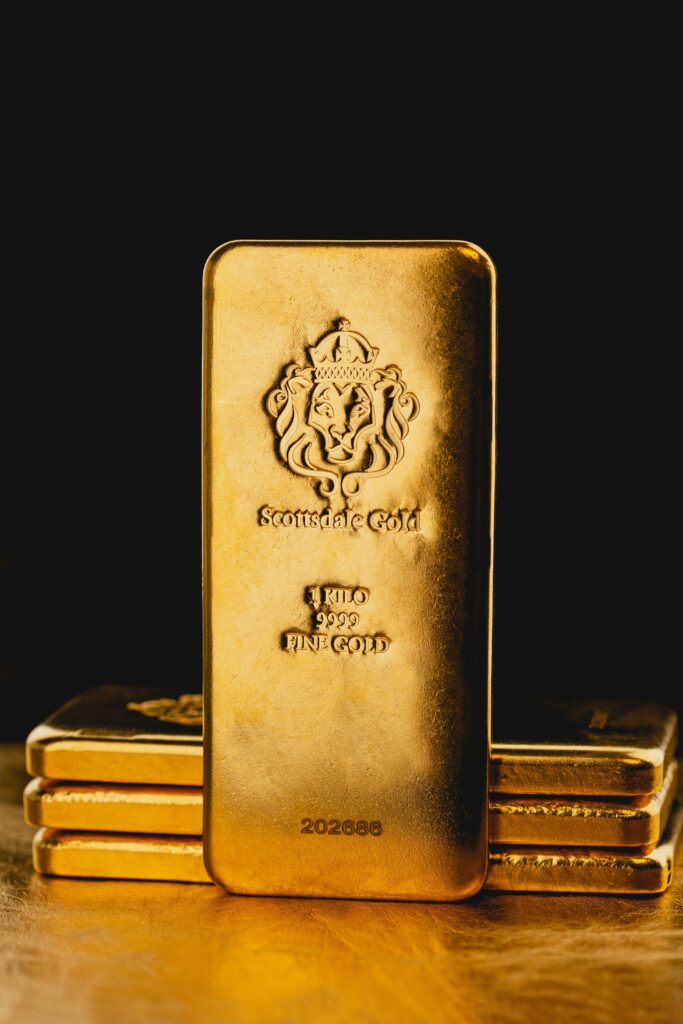
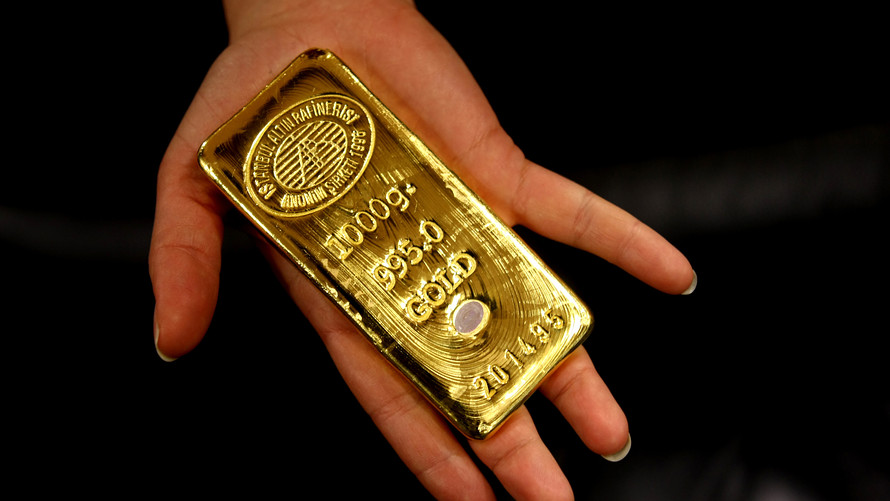
Gold bars are the most common choice for investors seeking to purchase physical gold. Investment-grade bars, particularly those refined to 99.99% purity (24K) and produced by recognized refiners, are typically priced at the international spot price plus a dealer premium. The premium covers refining, minting, certification, packaging, transportation, insurance, and dealer operating costs. Larger bars, such as 1-kilogram bullion bars, generally carry lower premiums per gram than smaller bars because production costs are spread over a greater weight.
Gold Coins
Bullion gold coins are also priced above the spot price, often with slightly higher premiums than gold bars of the same weight. In addition to the intrinsic value of their gold content, premiums reflect minting costs, limited production, legal tender status, collectability, and market demand. Popular investment coins from internationally recognized mints may command higher premiums because of their reputation, liquidity, and global acceptance.
Gold Nuggets
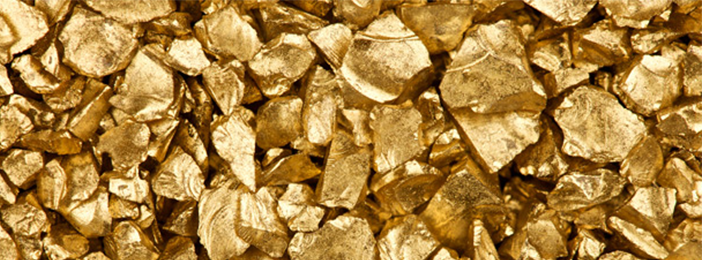
Natural gold nuggets are valued differently from refined bullion. Their purity can vary significantly depending on where they were mined, so buyers generally require independent assaying before determining their actual gold content. Because nuggets must usually be refined before becoming investment-grade bullion, they are commonly purchased at a discount to the international spot price. Exceptionally large, rare, or visually distinctive nuggets may sell for well above their intrinsic gold value to collectors, but this is the exception rather than the rule.
Gold Dust
Gold dust is one of the least standardized forms of gold available on the market. Its purity and composition can vary widely, making laboratory testing and refining essential before its true value can be established. As a result, gold dust is normally traded at a larger discount to the spot price than refined bullion. The discount reflects the costs of assaying, refining, processing losses, transportation, and the uncertainty surrounding purity. Buyers should only purchase gold dust after verifying its authenticity, obtaining an independent assay where appropriate, and ensuring that all applicable legal and export requirements have been met.
Premiums and Discounts by Product Type
| Product Type | Typical Pricing | Why It Trades at This Price |
| Gold Bars | Spot price + dealer premium | Premium covers refining, minting, certification, packaging, insurance, shipping, and dealer margin. Larger bars generally have lower premiums per gram. |
| Gold Coins | Spot price + moderate to higher premium | Additional value comes from minting costs, legal tender status, collectability, limited mintage, and strong market demand. |
| Gold Nuggets | Usually below spot price | Discounts reflect variable purity, the need for independent assaying and refining, and processing costs. Rare collector-grade nuggets may command prices above intrinsic gold value. |
| Gold Dust | Usually below spot price (often a larger discount than nuggets) | Discounts account for uncertain purity, assay and refining costs, processing losses, transportation, and higher transaction risk. |
Important: The final purchase price for any gold product depends on its purity, weight, certification, market demand, dealer premium, and the prevailing international spot price. Buyers should compare the total delivered cost, verify authenticity through an independent assay when appropriate, and ensure all required documentation is in place before completing a transaction.
Is Now a Good Time to Buy Gold in Kenya?
Whether now is a good time to buy gold in Kenya depends on your investment goals, budget, and intended use. Gold prices remain near historically high levels, reflecting strong global demand, central bank purchases, geopolitical uncertainty, and inflation concerns. Although prices may experience short-term fluctuations, gold continues to be widely regarded as a long-term store of value. Before making a purchase, buyers should monitor the international spot price, the USD/KES exchange rate, dealer premiums, and overall market conditions.
For Investors
For long-term investors, gold can serve as a portfolio diversifier and a hedge against inflation, currency depreciation, and periods of economic uncertainty. While buying at record prices may seem challenging, many investors focus on gold’s long-term wealth preservation rather than short-term price movements. Those investing in physical bullion should compare dealer premiums, verify the authenticity and purity of the gold, and ensure the product comes with appropriate documentation, such as assay certificates where applicable. Investors should also recognize that gold prices can decline as well as rise, and past performance does not guarantee future returns.
For Jeweler Buyers
Jeweler buyers should consider both the current gold price and the additional costs associated with finished jewelry, including craftsmanship, design, branding, and retailer markups. If purchasing for personal use, weddings, or gifts, choosing the right purity level—such as 22K, 18K, or 14K—can provide a balance between appearance, durability, and cost. Comparing prices from reputable jewelers and understanding how making charges affect the final purchase price can help buyers obtain better value.
For International Buyers
International buyers sourcing gold from Kenya should evaluate more than just the quoted price. It is essential to verify the seller’s credentials, confirm the gold’s purity through an independent assay where appropriate, and review all export documentation before committing to a transaction. Buyers should also account for shipping, insurance, customs duties, taxes, and import requirements in the destination country, as these costs can significantly affect the total landed price. Comparing the complete cost of acquisition rather than the spot price alone provides a more accurate basis for decision-making.
Overall, buying gold in Kenya can be a suitable option for investors, Jeweler purchasers, and international buyers who conduct proper due diligence. Monitoring market trends, understanding pricing factors, and purchasing from reputable dealers can help reduce risk and support more informed buying decisions.
Where Do Kenyan Gold Prices Come From?
Gold prices in Kenya are not set independently. Instead, they are derived from internationally recognized pricing benchmarks and then adjusted for local market conditions. The final price that buyers pay is influenced by the global spot gold price, international trading activity, the USD/KES exchange rate, and dealer-specific costs such as refining, transportation, insurance, and operating expenses. Understanding how these benchmarks work helps investors and buyers evaluate whether a quoted price is competitive and in line with global market conditions.
International Spot Market
The international spot market is the primary reference for gold prices worldwide, including in Kenya. The spot price represents the current market price for immediate settlement of gold and is quoted continuously during global trading hours in US dollars per troy ounce (31.1035 grams). Spot prices change throughout the day as buyers and sellers respond to economic data, inflation expectations, geopolitical developments, central bank activity, currency movements, and investor demand. Kenyan bullion dealers use the international spot price as the foundation for calculating local prices before applying exchange rate conversions and dealer premiums.
LBMA Gold Price
The LBMA Gold Price is a globally recognized benchmark administered by the London Bullion Market Association (LBMA) through an electronic auction process. It is published twice each London business day and is widely used by refineries, bullion dealers, central banks, mining companies, investment funds, and financial institutions as a reference price for valuing physical gold and settling contracts. While retail transactions in Kenya typically reflect the live spot market, the LBMA Gold Price remains an important benchmark for wholesale trading and institutional pricing.
COMEX Futures
The COMEX (Commodity Exchange), part of the CME Group in the United States, is one of the world’s largest markets for gold futures contracts. Futures prices reflect market expectations about the future value of gold and are influenced by interest rates, inflation expectations, economic data, investor sentiment, and geopolitical events. Although Kenyan buyers do not purchase gold directly through COMEX when buying physical bullion, futures trading often influences the global spot price, which in turn affects local gold prices.
Local Dealer Premiums
After converting the international spot price into Kenyan Shillings using the prevailing USD/KES exchange rate, local bullion dealers add a premium to determine the final selling price. This premium typically covers refining, fabrication (for bars or coins), transportation, insurance, secure storage, certification, operational costs, and dealer profit margins. Premiums can vary depending on the product type, weight, purity, market demand, and the reputation of the dealer. Smaller bullion products generally carry higher premiums per gram than larger bars because manufacturing and distribution costs represent a larger proportion of the total price.
Together, the international spot market, the LBMA Gold Price, COMEX futures activity, and local dealer premiums determine the price of gold in Kenya. Buyers who understand these pricing components are better equipped to compare offers, recognize fair market pricing, and make informed purchasing decisions.
How to Buy Gold at the Best Price in Kenya
Buying gold at the best price in Kenya involves more than simply choosing the lowest quotation. The total cost of ownership depends on the international spot price, dealer premiums, product purity, certification, and any applicable shipping or transaction costs. Whether you are purchasing gold bars, coins, nuggets, or Jeweler, taking time to compare offers and verify the authenticity of the product can help you avoid costly mistakes and ensure you receive fair market value.
Compare Dealer Premiums
The international spot price provides the baseline value of gold, but every dealer applies a premium to cover business costs and profit margins. These premiums may include refining, fabrication, packaging, transportation, insurance, secure storage, and administrative expenses. Before making a purchase, obtain quotations from several reputable dealers and compare the total price, not just the premium. Also consider whether the quoted price includes taxes, delivery charges, and any additional fees, as these can significantly affect the final cost.
Verify Gold Purity
Always confirm the purity of the gold before completing a transaction. Investment-grade bullion is commonly refined to 24K (99.99% purity), while Jeweler is often manufactured in 22K, 18K, or 14K. Look for clearly stamped purity markings, serial numbers on bullion bars where applicable, and supporting documentation from the refiner or dealer. If purchasing large quantities or high-value products, consider arranging an independent assay to verify that the gold matches the stated purity.
Buy from Licensed Dealers
Purchasing from a properly licensed and established dealer reduces the risk of fraud and helps ensure the gold has been sourced and traded in accordance with applicable regulations. Before buying, verify the dealer’s business registration, physical office address, and any relevant licenses or permits required in their jurisdiction. Reputable dealers should provide clear invoices, transparent pricing, and documentation that identifies the gold being sold.
Request an Assay Certificate
An assay certificate provides independent verification of a gold product’s purity and weight. For investment-grade bullion and high-value transactions, request an assay certificate issued by the refiner or an independent laboratory. The certificate should identify the product, confirm its purity, and include relevant details such as weight, serial number (where applicable), and the testing method used. Reviewing this documentation before payment provides greater confidence in the authenticity and quality of the gold being purchased.
Best Practices Before You Buy
Before completing any gold purchase in Kenya, use the following checklist to help reduce risk:
| Checklist Item | Why It Matters |
| Check the live international spot price | Confirms whether the dealer’s quote is in line with current market conditions. |
| Compare prices from multiple dealers | Helps identify competitive premiums and avoid overpaying. |
| Verify the gold’s purity | Ensures you receive the quality and value you are paying for. |
| Request an assay certificate | Provides independent confirmation of purity and weight. |
| Buy from a licensed, reputable dealer | Reduces the risk of fraud and improves transaction transparency. |
| Review all fees and delivery costs | Prevents unexpected charges that increase the total purchase price. |
| Keep all invoices and documentation | Important for future resale, insurance, customs, or verification purposes. |
By following these steps, buyers can make more informed purchasing decisions, reduce transaction risks, and improve the likelihood of obtaining authentic gold at a competitive market price.
Common Reasons Gold Prices Change Daily
Gold prices can change several times throughout the day as global financial markets react to new economic data, political developments, and shifts in investor sentiment. Since Kenya’s gold market closely follows the international spot price, daily movements in global markets are quickly reflected in local gold prices after accounting for the USD/KES exchange rate and dealer premiums. Understanding the main drivers of these price changes can help buyers and investors make more informed decisions about when to purchase or sell gold.
Inflation
Inflation is one of the strongest long-term drivers of gold prices. When the prices of goods and services increase, the purchasing power of paper currencies declines, prompting many investors to buy gold as a store of value. Higher inflation often increases demand for gold because it is widely viewed as a hedge against rising living costs and currency depreciation. Expectations of future inflation can also influence gold prices, even before official inflation data is released.
Interest Rates
Interest rate decisions by major central banks, particularly the US Federal Reserve, play an important role in determining gold prices. Gold does not generate interest or dividend income, so higher interest rates can make interest-bearing investments such as government bonds more attractive, sometimes reducing demand for gold. Conversely, lower interest rates generally improve gold’s appeal by reducing the opportunity cost of holding a non-yielding asset, which can support higher prices.
Currency Movements
Gold is priced internationally in US dollars, making currency movements an important factor in local pricing. A weaker US dollar often supports higher global gold prices because gold becomes more affordable for buyers using other currencies. In Kenya, fluctuations in the USD/KES exchange rate also directly affect the local market. If the Kenyan Shilling weakens against the US dollar, gold prices in Kenya can increase even when the international spot price remains relatively stable.
Global Conflicts
Wars, geopolitical tensions, trade disputes, sanctions, and political instability frequently increase uncertainty in global financial markets. During these periods, investors often seek the relative safety of gold, increasing demand and pushing prices higher. News of major international events can therefore trigger rapid price movements, sometimes within minutes of being announced, making geopolitical developments an important factor to monitor.
Central Bank Purchases
Central banks around the world continue to hold gold as part of their official foreign exchange reserves. When they increase their gold holdings, demand for physical bullion rises, which can provide long-term support for prices. Strong and sustained central bank purchases have been an important feature of the global gold market in recent years and have contributed to keeping prices at historically elevated levels.
Key Takeaway
Daily movements in gold prices are rarely caused by a single event. Instead, they result from the combined effects of inflation expectations, interest rate decisions, currency fluctuations, geopolitical developments, central bank buying, and changes in global investor demand. By monitoring these factors alongside the live international spot price and the USD/KES exchange rate, buyers and investors can better understand why gold prices in Kenya rise or fall from one day to the next.
Gold Price Calculator
Calculate Gold Value by Weight
Use the table below to estimate the approximate value of gold based on its weight and purity. These calculations are based on indicative market rates of approximately KES 17,488 per gram for 24K (99.99%) gold, KES 16,019 per gram for 22K (91.67%) gold, and KES 13,116 per gram for 18K (75%) gold. The estimates provide a useful reference for investors, Jeweler buyers, and gold traders when evaluating the value of different quantities of gold.
Formula: Gold Value = Weight (grams) × Current Price per Gram
Estimated Gold Value by Weight
| Weight | 24K Gold (99.99%) | 22K Gold (91.67%) | 18K Gold (75%) |
| 1g | KES 17,488 | KES 16,019 | KES 13,116 |
| 5g | KES 87,440 | KES 80,095 | KES 65,580 |
| 10g | KES 174,880 | KES 160,190 | KES 131,160 |
| 20g | KES 349,760 | KES 320,380 | KES 262,320 |
| 50g | KES 874,400 | KES 800,950 | KES 655,800 |
| 100g | KES 1,748,800 | KES 1,601,900 | KES 1,311,600 |
| 250g | KES 4,372,000 | KES 4,004,750 | KES 3,279,000 |
| 500g | KES 8,744,000 | KES 8,009,500 | KES 6,558,000 |
| 1kg (1,000g) | KES 17,488,000 | KES 16,019,000 | KES 13,116,000 |
How to Calculate the Value of Your Gold
To estimate the value of your gold, first determine its purity (such as 24K, 22K, or 18K) and weigh it in grams using an accurate digital scale. Multiply the weight by the current market price per gram for that purity. For example, if you own 100 grams of 24K gold, the estimated value would be:
100g × KES 17,488 = KES 1,748,800
Keep in mind that this calculation represents the approximate intrinsic value of the gold based on current market prices. The actual amount you pay or receive may differ depending on dealer premiums, refining costs, assay results, manufacturing charges, taxes, shipping, insurance, and prevailing market conditions.
Important: These calculations are provided for informational purposes and are based on indicative market rates. Gold prices change throughout the trading day in response to movements in the international spot market and fluctuations in the USD/KES exchange rate. Retail Jeweler prices may also include making charges and other markups, while dealers buying gold may offer prices below the spot value to account for refining and operating costs.
Frequently Asked Questions
What is the gold price in Kenya today?
The price of gold in Kenya changes throughout the day because it is linked to the international spot gold market and the USD/KES exchange rate. As of 2026, 24K gold typically trades around KES 17,200–18,100 per gram, although the exact price varies depending on market conditions, dealer premiums, and the type of gold being purchased. Investment-grade bullion bars, Jeweler, and raw gold products may all be priced differently due to refining, manufacturing, and distribution costs. For the most accurate price, check a live gold price chart or request a quotation from a reputable dealer.
Why are gold prices increasing in Kenya?
Gold prices in Kenya have increased because of a combination of rising international spot prices and local currency movements. Global factors such as persistent inflation, strong central bank gold purchases, geopolitical tensions, safe-haven investment demand, and changes in interest rate expectations have supported higher gold prices worldwide. At the same time, fluctuations in the USD/KES exchange rate can make imported gold more expensive, causing local prices to rise even when international prices remain relatively stable.
Will gold prices continue rising in 2026?
While no one can predict future prices with certainty, many market analysts expect gold to remain well supported during 2026 due to continued central bank demand, geopolitical uncertainty, inflation concerns, and ongoing investor interest in safe-haven assets. However, gold prices are likely to experience periods of volatility and short-term corrections as financial markets respond to economic data, interest rate decisions, and currency movements. Buyers should monitor current market conditions rather than relying solely on long-term forecasts.
Is gold cheaper in Kenya than Dubai?
Not necessarily. Although both Kenya and Dubai price gold using the same international spot market, the final purchase price depends on dealer premiums, taxes, shipping costs, exchange rates, refining expenses, and local market competition. Dubai is one of the world’s largest bullion trading hubs and often offers competitive premiums on investment-grade gold. However, buyers should compare the total landed cost, including transport, insurance, customs duties, and import charges, rather than focusing only on the advertised price.
Does Kenya produce gold?
Yes. Kenya produces gold through both artisanal and small-scale mining and a limited number of larger mining operations. Gold mining activities are concentrated in several regions of the country, including Kakamega, Migori, Siaya, Narok, and Vihiga counties. While Kenya is a gold-producing nation, its output is relatively modest compared with major African producers such as Ghana, South Africa, Tanzania, and the Democratic Republic of the Congo (DRC). As a result, local prices continue to be influenced primarily by international market conditions and regional trade.