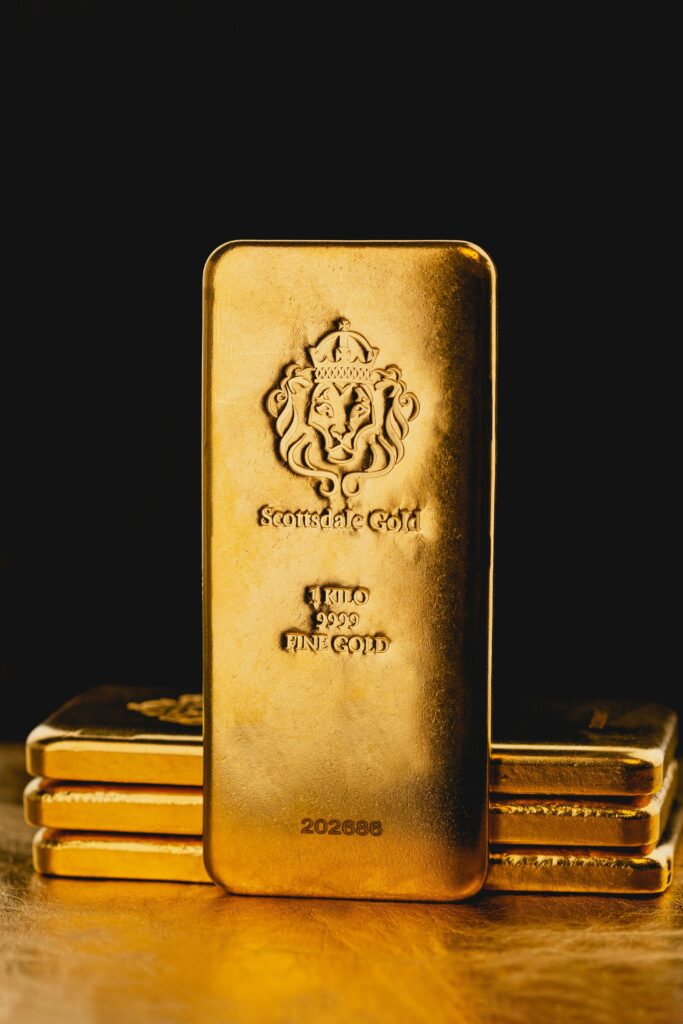
Current KRA Customs Duty Rates Importing Gold Kenya (2026)
Importing gold into Kenya requires more than knowing the international gold price. Whether you are a gold trader, jeweler, refinery, mining company, investor, or traveler, understanding the Kenya Revenue Authority (KRA) customs duties, taxes, VAT, import procedures, and required documents is essential to avoid unexpected costs, shipment delays, or customs penalties. The amount you pay depends on the type of gold being imported, such as gold bars, bullion, dore bars, gold jewelry, or gold ore, as well as its purity, intended use, and applicable tax exemptions. This 2026 guide explains the current KRA customs duty rates on gold imports, when gold qualifies for duty-free or VAT-exempt treatment, the documents required for customs clearance, and practical examples of how import charges are calculated. By the end, you’ll know exactly what to expect before importing gold into Kenya.
Quick Answer: How Much Duty Does KRA Charge on Gold?
Quick Answer: The customs duty and taxes payable on imported gold in Kenya depend on the HS code, purity, and form of the gold. While some investment-grade gold bullion may qualify for customs or VAT relief under Kenyan law, products such as gold jewelry, semi-processed gold, or other gold items may be subject to import duty, Import Declaration Fee (IDF), Railway Development Levy (RDL), VAT, or other applicable charges. Always confirm the current tariff classification and tax treatment with the Kenya Revenue Authority (KRA) before shipping, as rates and exemptions vary by product classification and may change over time.
This introduction targets high-intent search phrases such as KRA customs duty on gold, import gold into Kenya, gold import tax Kenya, Kenya gold import duty, gold customs clearance Kenya, and gold import VAT Kenya, while immediately answering the user’s search intent and encouraging further reading.
How KRA Classifies Gold (HS Codes Explained)
Before calculating customs duty, the Kenya Revenue Authority (KRA) classifies every gold shipment under the Harmonized System (HS) Code. This international coding system determines the customs duty, VAT, Import Declaration Fee (IDF), Railway Development Levy (RDL), documentation requirements, and import restrictions that apply to your shipment. Choosing the wrong HS code can lead to higher taxes, customs delays, financial penalties, cargo inspections, or seizure of goods. Whether you are importing gold bars, bullion, dore bars, gold powder, jewelry, or gold coins, understanding the correct tariff classification is essential for smooth customs clearance and accurate duty calculations.
HS 7108 – Unwrought, Semi-Manufactured and Powdered Gold
HS Code 7108 covers most forms of investment and commercial gold imported into Kenya. This category includes unwrought gold bars, bullion, semi-manufactured gold, gold powder, and certain forms of refined or partially refined gold. Gold imported under HS 7108 is commonly used by gold traders, refineries, manufacturers, and investors rather than retail consumers.
Although this HS code generally covers precious metal bullion, the applicable customs duty, VAT, and other taxes depend on the product’s purity, intended use, supporting documentation, and whether it qualifies for any exemptions under Kenyan customs and tax laws. Importers should always verify the correct tariff classification with the Kenya Revenue Authority (KRA) before shipping.
HS 7113 – Gold Jewelry
HS Code 7113 applies to articles of jewelry made wholly or partly of gold, including rings, necklaces, bracelets, earrings, pendants, bangles, watches containing precious metal, and other finished jewelry products. Unlike investment bullion, gold jewelry is treated as a finished consumer product, meaning it may attract a different combination of import duty, VAT, IDF, RDL, and other applicable taxes.
Businesses importing jewelry for retail sale, manufacturing, or wholesale distribution should ensure that invoices accurately describe the items, gold purity, weight, and value to avoid customs valuation disputes or clearance delays.
Gold Coins vs Gold Bars vs Monetary Gold
Not all gold products receive the same customs treatment in Kenya. The classification of gold coins, bullion bars, monetary gold, jewelry, and collectible coins depends on their legal status, purity, intended use, and applicable tariff provisions.
For example:
| Gold Product | Typical HS Classification | Common Use | Tax Treatment |
| Gold Bullion Bars | HS 7108 | Investment, wholesale trade, refining | Depends on applicable KRA customs provisions |
| Gold Powder | HS 7108 | Manufacturing and refining | Depends on classification and intended use |
| Gold Jewelry | HS 7113 | Retail and personal use | Subject to applicable import taxes |
| Investment Gold Coins | Varies by classification | Investment | May qualify for different tax treatment depending on legal status |
| Monetary Gold | Special customs classification | Central banks and monetary authorities | Subject to separate legal provisions |
Because classification rules differ depending on the product, importers should confirm the correct tariff code with KRA before calculating import costs.
Why the Correct HS Code Changes Your Duty Bill
The HS code assigned to your gold shipment directly affects the customs duty, VAT, Import Declaration Fee (IDF), Railway Development Levy (RDL), customs documentation, valuation method, and regulatory requirements. Even two shipments with the same gold value can attract different taxes if they are classified under different tariff headings.
Incorrect classification can result in:
- Higher customs duties and taxes
- Delayed customs clearance
- Customs audits and inspections
- Financial penalties and reassessments
- Cargo detention or seizure
- Additional storage and demurrage costs
Before importing gold into Kenya, verify the correct HS code, ensure your commercial invoice accurately describes the goods, and retain all supporting documentation, including certificates of analysis, certificates of origin (where applicable), export permits, and shipping documents. Proper classification helps reduce customs risks, speeds up clearance, and ensures compliance with Kenya Revenue Authority (KRA) import requirements.
Breakdown of Taxes and Levies on Imported Gold
Importing gold into Kenya may involve several customs duties, taxes, and statutory levies depending on the HS code, purity, product type, customs value, country of origin, and intended use. The Kenya Revenue Authority (KRA) calculates these charges using the East African Community (EAC) Common External Tariff (CET), the Value Added Tax (VAT) Act, the East African Community Customs Management Act (EACCMA), and other applicable customs regulations. Understanding each tax helps importers accurately estimate the total landed cost of importing gold bars, bullion, jewelry, dore bars, or other gold products before shipment.
Import Duty under the EAC Common External Tariff
Import duty is the primary customs charge applied to imported goods entering Kenya under the East African Community (EAC) Common External Tariff (CET). The duty rate depends on the HS code, the type of gold being imported, and whether the product qualifies for any preferential tariff treatment or exemption under Kenyan law or applicable trade agreements.
For example, investment-grade gold bullion, gold jewelry, and semi-manufactured gold may fall under different tariff classifications, meaning they can attract different customs treatment. Before importing gold, businesses should confirm the applicable tariff heading and duty rate using the latest KRA Customs Tariff to avoid incorrect duty calculations or customs disputes.
VAT on Gold in Kenya (16% and Any Exemptions)
In addition to customs duty, imported gold may also be subject to Value Added Tax (VAT) under Kenya’s VAT Act, unless the product qualifies for a specific exemption or zero-rated treatment. Whether 16% VAT applies depends on factors such as the classification of the gold, its purity, intended use, and the relevant provisions of Kenyan tax law.
Because VAT treatment differs between investment bullion, industrial gold, jewelry, and other gold products, importers should verify the applicable VAT status before shipping. Businesses registered for VAT may also need to consider the rules governing input tax recovery where applicable.
Import Declaration Fee (IDF)
The Import Declaration Fee (IDF) is a statutory charge collected by the Kenya Revenue Authority on most imported goods. The fee is generally calculated as a percentage of the customs value (CIF value) of the shipment, subject to the rates prescribed under Kenyan customs regulations.
Importers should include the IDF when estimating the total cost of importing gold because it forms part of the overall customs charges payable before goods are released. The applicable rate and any available exemptions should always be confirmed using the latest KRA guidance.
Railway Development Levy (RDL)
The Railway Development Levy (RDL) is another levy that may apply to imported goods entering Kenya. Like the IDF, it is generally calculated based on the customs value of the shipment and contributes to financing national transport infrastructure.
Whether the levy applies to a particular gold shipment depends on the applicable customs provisions and any statutory exemptions. Importers should factor the RDL into their landed cost calculations and verify the current rate before importing.
Excise Duty – Does It Apply to Gold?
In most cases, excise duty is not a standard tax on investment gold bullion. Excise duty in Kenya generally applies to specific categories of goods identified under the Excise Duty Act, such as alcohol, tobacco, fuel, and certain manufactured products.
However, the tax treatment may differ depending on the type of gold product being imported. For example, gold jewelry or manufactured articles containing gold may be subject to different tax provisions than investment bullion or unwrought gold. Importers should therefore verify whether excise duty applies to their specific product classification before shipment.
Note: The total amount payable when importing gold into Kenya depends on the correct HS code, customs value, applicable import duty, VAT status, Import Declaration Fee (IDF), Railway Development Levy (RDL), and any available exemptions. Before shipping, always confirm the latest tariff classification and tax treatment with the Kenya Revenue Authority (KRA) to ensure accurate customs declarations and avoid unnecessary delays or penalties.
How to Calculate Duty on Gold Imports (Worked Example)
Calculating the total cost of importing gold into Kenya involves more than applying a single tax rate. The Kenya Revenue Authority (KRA) calculates customs charges using the Customs Value (CIF) and then applies the relevant import duty, Import Declaration Fee (IDF), Railway Development Levy (RDL), VAT, and any other applicable charges based on the product’s HS code and tax treatment. Understanding this calculation helps gold traders, refiners, jewelers, investors, and importers estimate their total landed cost before shipping and avoid unexpected customs charges.
Note: The example below is for illustration only. Actual taxes depend on the HS classification, customs valuation, applicable exemptions, and current KRA tariff rates at the time of import.
Step 1 – Determine the Customs (CIF) Value
The first step is to determine the Customs Value, commonly known as the CIF Value (Cost + Insurance + Freight). This represents the total value of the gold shipment upon arrival in Kenya and forms the basis for calculating most customs charges.
The CIF Value generally includes:
- Purchase price of the gold
- International freight charges
- Marine or air cargo insurance
- Other transport costs incurred before arrival in Kenya
KRA uses the CIF value when calculating the applicable import taxes and levies.
Step 2 – Apply Import Duty
After establishing the CIF value, apply the import duty based on the correct HS Code under the East African Community (EAC) Common External Tariff (CET).
The applicable duty depends on factors such as:
- Type of gold
- Purity
- Product classification
- Country of origin (where preferential treatment applies)
- Any statutory exemptions
Always verify the tariff classification before calculating duty, as different gold products may attract different customs treatment.
Step 3 – Add IDF and RDL
Once the applicable import duty has been determined, calculate any additional statutory levies, including the:
- Import Declaration Fee (IDF)
- Railway Development Levy (RDL)
These charges are generally calculated using the customs value in accordance with the applicable KRA regulations and should be included when estimating the total import cost.
At this stage, your landed customs cost typically includes:
- CIF Value
- Import Duty (where applicable)
- Import Declaration Fee (IDF)
- Railway Development Levy (RDL)
Step 4 – Calculate VAT on the Duty-Inclusive Value
Where VAT applies, it is calculated on the taxable value prescribed under Kenyan customs and VAT legislation, which generally includes the customs value together with applicable customs duties and statutory levies.
Because VAT treatment varies depending on the gold product, HS classification, and any available exemptions, importers should confirm whether their shipment qualifies for VAT relief before calculating the final amount payable.
Example: Importing 1kg of Gold Bullion
The example below demonstrates the typical process used to estimate customs charges when importing 1 kilogram of investment gold bullion into Kenya.
| Calculation Step | Example Value |
| Customs (CIF) Value | US$135,000 |
| Import Duty | Apply the rate applicable to the correct HS Code |
| Import Declaration Fee (IDF) | Calculate using the current KRA rate |
| Railway Development Levy (RDL) | Calculate using the current KRA rate |
| VAT | Apply only if the shipment is subject to VAT under Kenyan law |
| Estimated Total Import Cost | CIF Value + All Applicable Taxes and Levies |
Worked Formula
Total Amount Payable = CIF Value + Import Duty + Import Declaration Fee (IDF) + Railway Development Levy (RDL) + VAT (where applicable) + Any Other Statutory Charges
Note
Before importing gold bars, bullion, jewelry, or other precious metal products into Kenya, verify the correct HS code, customs valuation method, and applicable tax treatment with the Kenya Revenue Authority (KRA). Using the correct classification ensures accurate duty calculations, faster customs clearance, and reduces the risk of reassessments, penalties, or shipment delays.
Licenses and Permits Needed to Import Gold into Kenya
Importing gold into Kenya requires more than paying customs duties. Before your shipment can be cleared by the Kenya Revenue Authority (KRA), importers must ensure they have the necessary business registrations, mining licenses, customs documentation, and quality certification required by Kenyan law. Depending on whether you are importing gold bullion, refined gold bars, dore bars, gold jewelry, or industrial gold, additional approvals may also be required from the State Department for Mining, Kenya Bureau of Standards (KEBS), and other government agencies. Having the correct licenses and permits helps prevent customs delays, penalties, cargo detention, or rejection at the port of entry.
Mineral Dealer’s License from the State Department for Mining
Businesses engaged in the commercial import, trading, buying, selling, refining, or dealing in gold may be required to hold a Mineral Dealer’s License issued by Kenya’s State Department for Mining, depending on the nature of their activities and the applicable legal requirements.
The license demonstrates that the business is authorized to participate in Kenya’s mineral trade and may be required when conducting commercial transactions involving precious metals.
Before importing gold for commercial purposes, importers should confirm:
- Whether a Mineral Dealer’s License is required for their business activities.
- The license is valid and up to date.
- Any additional conditions imposed under Kenya’s mining laws.
KRA PIN and iTax/iCMS Registration
Every importer must be registered with the Kenya Revenue Authority (KRA) before importing goods into Kenya.
Commercial importers typically require:
- A valid KRA Personal Identification Number (PIN).
- Registration on the KRA iTax platform.
- Access to the Integrated Customs Management System (iCMS) or any customs platform designated by KRA.
- A licensed customs clearing agent where required.
These registrations enable importers to:
- Submit import declarations.
- Pay customs duties and taxes.
- Track customs clearance.
- Obtain release of imported goods.
Failure to complete the required KRA registrations may delay customs clearance.
Certificate of Origin and Assay Report
Most commercial gold shipments should be accompanied by documents confirming the origin, authenticity, purity, and value of the gold.
Common supporting documents include:
| Document | Purpose |
| Certificate of Origin | Identifies the country where the gold originated and may support customs or trade requirements. |
| Certificate of Analysis (Assay Report) | Confirms the gold’s purity, fineness, and precious metal content. |
| Commercial Invoice | States the purchase price and transaction details. |
| Packing List | Identifies the shipment contents. |
| Air Waybill or Bill of Lading | Provides transport information. |
| Export Permit | Confirms the gold was legally exported from the country of origin where required. |
| Insurance Certificate | Verifies cargo insurance during international transport. |
An independent assay report is particularly important for high-value shipments because it provides objective confirmation of the gold’s purity and supports customs valuation.
Kenya Bureau of Standards (KEBS) Requirements
Depending on the type of gold product being imported, certain shipments may be subject to Kenya Bureau of Standards (KEBS) requirements or other regulatory controls.
Importers should determine whether their shipment requires:
- Applicable product conformity requirements.
- Quality or standards certification where required.
- Inspection or verification under Kenyan import regulations.
- Compliance with any relevant national standards.
Requirements may differ between investment bullion, gold jewelry, industrial products containing gold, and manufactured precious metal articles. Before shipping, confirm the applicable regulatory requirements with KEBS, KRA, and the State Department for Mining.
Key Takeaway: Successful gold imports into Kenya depend on more than customs duty payments. Ensure you have the required KRA registrations, mining authorizations (where applicable), certificates of origin, assay reports, export documentation, and any necessary KEBS approvals before shipping. Preparing these documents in advance helps speed up customs clearance, reduces compliance risks, and minimizes costly delays at the port of entry.
Step-by-Step Process for Clearing Gold through KRA Customs
Clearing gold imports through Kenya Revenue Authority (KRA) Customs involves several regulatory and customs procedures before the shipment can be released. Whether you are importing gold bullion, refined gold bars, dore bars, gold jewelry, or other precious metal products, you must submit the required customs documents, comply with KRA import regulations, and pay all applicable duties and taxes. Understanding the clearance process helps gold traders, jewellers, refiners, mining companies, investors, and commercial importers avoid unnecessary delays, storage charges, customs penalties, or shipment seizures.
Engaging a Licensed Customs Clearing Agent
Most commercial gold imports are processed through a licensed customs clearing agent authorized to transact with the Kenya Revenue Authority (KRA). A clearing agent assists importers by preparing customs declarations, submitting supporting documentation, calculating applicable taxes, and coordinating with government agencies throughout the clearance process.
A licensed customs clearing agent can help:
- Prepare customs entry documentation.
- Classify the shipment under the correct HS Code.
- Calculate applicable customs duties and taxes.
- Submit declarations through the KRA customs system.
- Coordinate inspections with customs authorities.
- Facilitate cargo release after customs clearance.
Choosing an experienced clearing agent can significantly reduce delays and ensure compliance with Kenyan customs requirements.
Lodging the Entry on iCMS
After the shipment arrives in Kenya, the importer or licensed clearing agent submits an import entry declaration through the Kenya Revenue Authority’s Integrated Customs Management System (iCMS).
The customs declaration is typically supported by documents such as:
| Required Document | Purpose |
| Commercial Invoice | Declares the transaction value of the gold. |
| Packing List | Describes the shipment contents. |
| Air Waybill or Bill of Lading | Confirms transport details. |
| Certificate of Origin | Identifies the country of origin where applicable. |
| Certificate of Analysis (Assay Report) | Confirms the gold’s purity and fineness. |
| Export Permit | Demonstrates lawful export from the country of origin where required. |
| Insurance Certificate | Supports customs valuation where applicable. |
KRA reviews the declaration and supporting documents before progressing the shipment for assessment and possible inspection.
Physical Verification and Valuation
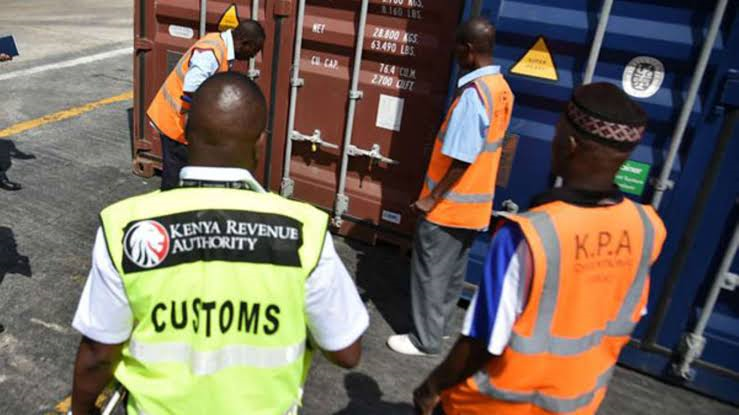
Depending on the risk assessment, nature of the shipment, and customs requirements, KRA may conduct a physical examination or verification of the imported gold.
During the verification process, customs officers may confirm:
- The quantity and weight of the shipment.
- Gold purity and product description.
- Packaging and serial numbers where applicable.
- Supporting documentation.
- Customs value declared for tax purposes.
- Compliance with import regulations.
Where necessary, KRA may request additional information or supporting documents before completing customs assessment. Accurate declarations and complete documentation help reduce the likelihood of delays.
Paying Duties and Releasing the Consignment
Once customs assessment is complete, the importer must pay all applicable customs duties, VAT, Import Declaration Fee (IDF), Railway Development Levy (RDL), and any other statutory charges assessed by the Kenya Revenue Authority (KRA).
After payment has been confirmed and all regulatory requirements have been satisfied, KRA authorizes the release of the consignment, allowing the importer or their authorized clearing agent to collect the shipment from the port, airport, or customs warehouse.
Gold Import Clearance Checklist
Before your shipment arrives, ensure you have:
| Requirement | Status |
| ✓ Correct HS Code confirmed | Essential |
| ✓ KRA PIN and customs registration completed | Required |
| ✓ Licensed customs clearing agent appointed | Recommended for commercial imports |
| ✓ Commercial invoice and packing list prepared | Required |
| ✓ Certificate of Origin (where applicable) | Recommended/Required depending on shipment |
| ✓ Certificate of Analysis (Assay Report) | Recommended for precious metals |
| ✓ Export permit from the country of origin (where required) | Required |
| ✓ Customs duties and taxes budgeted | Essential |
| ✓ All supporting documents ready before arrival | Essential |
Key Takeaway: Clearing gold through KRA Customs is a structured process that begins with proper documentation and customs declaration, followed by assessment, verification, payment of applicable duties and taxes, and final cargo release. Preparing accurate documents, using the correct HS code, and working with an experienced licensed customs clearing agent can help ensure faster clearance and full compliance with Kenya’s import regulations.
Bringing Gold Jewelry into Kenya as a Travelers
Travelers entering Kenya with gold jewelry, gold watches, gold coins, or other precious metal items should understand the customs rules enforced by the Kenya Revenue Authority (KRA). Whether you are returning home, visiting Kenya, or carrying jewelry purchased overseas, you may be required to declare gold at the airport or border, particularly if it exceeds personal-use allowances or is intended for commercial purposes. Failure to comply with Kenya’s customs requirements can result in additional duties and taxes, cargo detention, financial penalties, or seizure of the undeclared items. Understanding the declaration process before you travel can help ensure a smooth arrival.
Personal Effects and Duty-Free Allowances
Gold jewelry carried as personal effects may receive different customs treatment from jewelry imported for commercial sale or trade. Customs officers consider factors such as:
- The quantity of jewelry being carried.
- Whether the items appear to be for personal use.
- The value of the jewelry.
- Whether the items are new or used.
- Whether the traveller intends to sell or distribute the jewelry in Kenya.
A reasonable amount of jewelry worn or carried for personal use is generally assessed differently from multiple identical items or large quantities that indicate commercial importation. If the jewelry is intended for resale or business purposes, the applicable customs duties, taxes, and import requirements may apply.
Declaring Gold at JKIA and Other Entry Points
Travelers arriving through Jomo Kenyatta International Airport (JKIA) or any other airport, seaport, or land border should declare gold jewelry or other precious metal items where required by Kenyan customs regulations.
When requested by customs officers, travelers may need to provide:
- Passport or travel identification.
- Purchase receipts or proof of value.
- Details of the quantity and type of gold.
- Supporting documentation where applicable.
Declaring gold allows the Kenya Revenue Authority (KRA) to determine whether any customs duties or taxes are payable and helps prevent delays during customs inspection. If you are unsure whether your jewelry should be declared, declaring it voluntarily is generally the safest approach.
What Happens If You Don’t Declare Gold
Failing to declare gold jewelry or other gold items when required can lead to serious customs consequences. If KRA determines that a traveler has attempted to import gold without making the required declaration, customs authorities may take enforcement action in accordance with Kenyan customs laws.
Possible consequences include:
| Possible Outcome | Description |
| Payment of customs duties and taxes | Any applicable duties, VAT, and statutory charges may become payable. |
| Financial penalties | Customs penalties may apply for incorrect or non-declaration. |
| Detention of the jewelry | The items may be held while customs completes its assessment. |
| Seizure of the goods | Undeclared or improperly declared items may be seized where permitted by law. |
| Further customs investigation | Serious cases may be referred for additional compliance or enforcement action. |
Traveler Tips Before Flying to Kenya
Before travelling with gold jewelry:
- Wear or carry only jewelry intended for personal use.
- Keep purchase receipts or valuation documents for valuable items.
- Declare high-value gold items if required by customs.
- Do not carry commercial quantities of gold jewelry in personal luggage without complying with import requirements.
- If travelling with gold bars, bullion, or large quantities of precious metals, confirm the applicable import procedures with the Kenya Revenue Authority (KRA) before departure.
Key Takeaway: Travellers bringing gold jewelry into Kenya should understand the difference between personal effects and commercial imports. Declaring gold when required, keeping proof of ownership or purchase, and complying with KRA customs procedures can help avoid delays, penalties, or seizure of valuable items at JKIA or any other Kenyan port of entry.
Recent Changes Affecting Gold Imports (Finance Act & KRA Updates)
Kenya’s gold import regulations, customs procedures, and tax rules continue to evolve through amendments introduced under the Finance Act, updates to the East African Community (EAC) Common External Tariff, and administrative changes issued by the Kenya Revenue Authority (KRA). These changes can affect the customs duty payable, VAT treatment, customs valuation methods, documentation requirements, and compliance obligations for importers of gold bullion, refined gold bars, dore bars, gold jewelry, and other precious metal products. Businesses that regularly import gold should review regulatory updates before every shipment to ensure accurate customs declarations and avoid costly compliance issues.
Finance Act 2026 Tax Changes
The Finance Act 2026 may introduce changes affecting the taxation and customs treatment of imported goods, including precious metals. Depending on the legislation in force, amendments may affect:
- Customs duty rates.
- VAT exemptions or taxable supplies.
- Import procedures.
- Customs valuation rules.
- Electronic customs declarations.
- Tax administration and compliance requirements.
Because Finance Acts can amend multiple tax laws each year, importers should verify whether any new provisions affect the importation of gold bars, bullion, jewelry, or other precious metal products before calculating customs costs.
Businesses should regularly monitor updates issued by:
- Kenya Revenue Authority (KRA)
- National Treasury
- Kenya Gazette
- East African Community Customs authorities
Keeping up to date helps importers avoid using outdated tariff rates or tax rules.
KRA Valuation and Anti-Smuggling Measures
The Kenya Revenue Authority (KRA) continues to strengthen customs controls to combat gold smuggling, undervaluation, customs fraud, false declarations, and illicit trade in precious metals. As part of its risk-based customs management approach, KRA may subject selected gold shipments to enhanced verification before release.
Customs officers may review:
- Declared customs value.
- Commercial invoices.
- HS code classification.
- Country of origin.
- Assay reports and purity certificates.
- Export permits.
- Shipping documents.
- Proof of payment.
- Quantity and weight of the gold.
Where discrepancies are identified, KRA may request additional documentation, reassess the customs value, conduct physical inspections, or apply enforcement measures in accordance with Kenyan customs legislation.
Best Practices for Gold Importers
To reduce customs risks and speed up clearance:
- Use the correct HS code for every shipment.
- Declare the full transaction value accurately.
- Obtain an independent assay report for high-value shipments.
- Keep complete import and export documentation.
- Work with a licensed customs clearing agent.
- Verify the latest KRA customs notices before shipping.
- Maintain records for customs audits and compliance reviews.
Key Takeaway: Gold import regulations can change through the Finance Act, updates to the EAC Common External Tariff, or new KRA customs directives. Before importing gold into Kenya, confirm the latest customs duty rates, VAT treatment, valuation rules, and documentation requirements with the Kenya Revenue Authority (KRA) to ensure compliance and avoid unnecessary delays, reassessments, or penalties.
Penalties for Undervaluing or Smuggling Gold
The Kenya Revenue Authority (KRA) and other enforcement agencies take a strict approach to gold smuggling, customs fraud, undervaluation, false declarations, and illegal importation of precious metals. Importers are required to declare the true customs value, correct HS code, quantity, purity, country of origin, and supporting documentation for every shipment. Attempting to reduce customs duties by understating the value of imported gold or bypassing customs procedures can lead to significant financial losses, shipment delays, and legal action. Understanding these risks is essential for gold traders, jewellers, refiners, mining companies, investors, and commercial importers seeking to comply with Kenyan customs laws.
Fines, Seizure and Forfeiture under the EACCMA
The East African Community Customs Management Act (EACCMA) provides customs authorities with enforcement powers where goods are improperly declared, undervalued, concealed, or imported in violation of customs laws. Depending on the circumstances of the case, importers who fail to comply with customs requirements may face a range of enforcement actions.
Possible consequences include:
| Enforcement Action | Description |
| Additional Customs Duties | KRA may reassess the customs value and recover any unpaid duties, VAT, and statutory levies. |
| Financial Penalties | Administrative penalties may be imposed for incorrect declarations or customs offences as provided under applicable law. |
| Interest on Unpaid Taxes | Interest may accrue on outstanding customs liabilities where applicable. |
| Detention of Goods | Gold shipments may be held while customs officers conduct further verification or investigation. |
| Seizure and Forfeiture | Gold imported in breach of customs laws may be seized and may become liable to forfeiture in accordance with the EACCMA and other applicable legislation. |
| Criminal Investigation | Serious cases involving fraud, smuggling, or deliberate customs evasion may be referred for investigation and prosecution by the relevant authorities. |
To reduce compliance risks, importers should always:
- Declare the correct customs value.
- Use the appropriate HS code.
- Maintain complete commercial documentation.
- Retain proof of payment.
- Ensure invoices accurately reflect the transaction.
- Keep certificates of origin, assay reports, and export permits where required.
Common Gold Import Scams to Avoid
Gold is one of the world’s highest-value commodities, making it a frequent target for fraudsters. Many scams involve false documentation, fake gold bars, counterfeit export permits, forged assay certificates, and unrealistic pricing designed to convince buyers to send money before proper verification.
Common warning signs include:
| Scam | Warning Sign |
| Gold Sold Far Below Spot Price | Offers significantly below the international gold price are often fraudulent or involve hidden costs. |
| Fake Export Permits | Documents cannot be verified with the issuing authority. |
| Forged Assay Certificates | Purity reports from unknown or unverifiable laboratories. |
| Advance Fee Requests | Sellers demand payments for taxes, customs clearance, insurance, or security before shipment without credible evidence. |
| Personal Bank Accounts | Payments requested to individuals instead of a registered company. |
| False Company Registration | Supplier cannot provide verifiable business registration or licensing information. |
| Counterfeit Gold Bars | Fake or altered serial numbers, incorrect weights, or counterfeit refinery markings. |
| Last-Minute Payment Changes | Banking details change shortly before payment is made. |
Best Practices to Protect Yourself
Before importing gold into Kenya:
- Verify the supplier’s business registration.
- Confirm licenses directly with the issuing authority.
- Request an independent assay from a reputable laboratory.
- Verify export permits before shipment.
- Use secure payment methods such as escrow or letters of credit where appropriate.
- Confirm shipping details directly with the logistics provider.
- Keep complete records of contracts, invoices, payment confirmations, and customs documents.
- Work with experienced customs clearing agents and trusted logistics providers.
Key Takeaway: Most customs penalties and gold import disputes can be avoided through accurate customs declarations, proper valuation, complete documentation, and careful supplier verification. Importers who comply with KRA requirements and the East African Community Customs Management Act (EACCMA) are far less likely to face shipment delays, reassessments, financial penalties, or the seizure of valuable gold consignments.
Frequently Asked Questions (FAQ)
These are some of the most common questions asked by gold traders, jewellers, refiners, investors, mining companies, and travellers importing gold into Kenya. The answers below provide a general overview of KRA customs duties, VAT, licensing requirements, and East African Community (EAC) customs rules. Because customs regulations and tax laws can change, always verify the latest requirements with the Kenya Revenue Authority (KRA) before importing gold.
Is Gold Duty-Free in Kenya?
It depends on the type of gold, its HS tariff classification, and whether it qualifies for a customs exemption under Kenyan law. Some forms of investment-grade gold bullion may receive different tax treatment from gold jewelry, semi-manufactured gold, or other precious metal products. Before importing, confirm the applicable tariff classification and duty treatment using the current KRA Customs Tariff.
How Much VAT Is Charged on Imported Gold in Kenya?
Whether VAT applies depends on the classification and tax status of the imported gold under Kenya’s Value Added Tax (VAT) Act. Some gold products may be subject to VAT, while others may qualify for exemptions or other tax treatment provided under Kenyan law. Importers should confirm the applicable VAT treatment with KRA before calculating the total landed cost of their shipment.
How Much Gold Can I Bring into Kenya Without Paying Duty?
Travelers carrying gold jewelry for personal use may be treated differently from those importing gold for commercial purposes. The quantity, value, and intended use of the gold are important factors when determining whether customs duties or taxes apply. If you are carrying high-value gold jewelry, bullion, or multiple gold items, you should declare them to customs upon arrival and follow KRA’s import requirements.
Do I Need a License to Import Gold into Kenya?
Depending on the nature of your business and the type of gold being imported, you may require registrations or authorizations issued by the relevant Kenyan authorities. Commercial importers should ensure they have:
- A valid KRA PIN.
- Registration with the appropriate KRA customs systems.
- Any mining or dealer authorizations that apply to their business activities.
- Complete import and export documentation for every shipment.
Before importing commercial quantities of gold, verify all licensing requirements with the State Department for Mining and the Kenya Revenue Authority (KRA).
Can I Import Gold from Uganda, Tanzania or DRC Duty-Free under EAC Rules?
The applicable customs treatment depends on several factors, including the country of origin, HS classification, applicable EAC customs rules, rules of origin, and any preferential tariff provisions. Simply importing gold from an East African Community (EAC) partner state does not automatically mean that the shipment qualifies for duty-free treatment. Importers should verify the applicable tariff treatment and supporting documentation with KRA before shipping.
Conclusion – Key Takeaways for Gold Importers
Importing gold into Kenya requires careful planning, accurate customs declarations, and compliance with the Kenya Revenue Authority (KRA) and other regulatory authorities. Whether you are importing gold bars, bullion, dore bars, jewelry, or other precious metal products, understanding the correct HS code, customs valuation, import duty, VAT treatment, Import Declaration Fee (IDF), Railway Development Levy (RDL), licensing requirements, and supporting documentation is essential for successful customs clearance.
Before shipping your gold to Kenya:
- Confirm the correct HS tariff classification.
- Verify the latest KRA customs duty and VAT treatment.
- Prepare all required import and export documents.
- Obtain an independent assay report for high-value shipments where appropriate.
- Work with a licensed customs clearing agent.
- Ensure the declared customs value accurately reflects the transaction.
- Monitor updates issued by KRA, the National Treasury, and the East African Community (EAC).
By following the correct customs procedures and maintaining full regulatory compliance, importers can reduce the risk of shipment delays, penalties, reassessments, or seizure, while ensuring a smoother and more predictable import process.
Need assistance importing gold into Kenya? Buy Gold bars Kenya Limited supplies verified gold bars and bullion, coordinates independent assay testing, supports export documentation, and arranges secure, insured international shipping. We work with international buyers to help ensure shipments are properly documented before export, making the import process into Kenya more efficient and transparent.